











Why Are Some Disposable Vapes Much Bigger Than Others? Understanding Disposable Vape Size, High Puff Disposable Vape, Vape Battery Size Differences
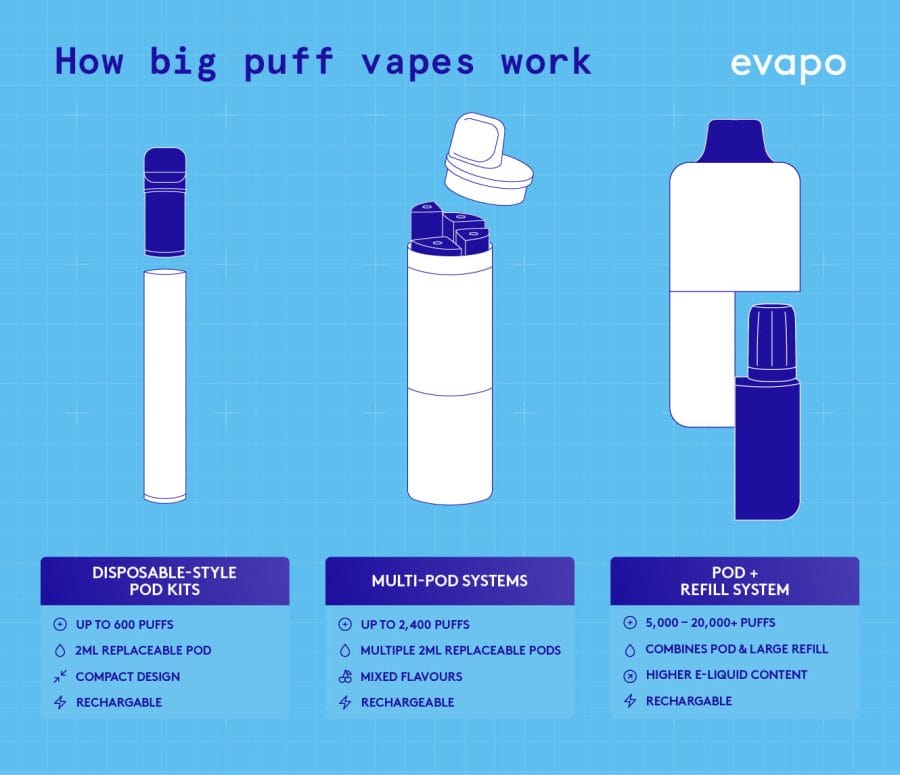
A graphic comparing advertised puff counts on disposable vapes with their actual e-liquid volume in milliliters, clarifying the true indicator of longevity.
If you have looked at the disposable vapour devices available across the market recently, you have likely noticed a massive shift in their physical appearance. A few years ago, almost every unit was a slender, lightweight cylinder barely larger than a standard pen. Today, store shelves and online catalogues display a wide spectrum of shapes, ranging from compact pods to substantial, palm-filling boxes. Understanding why these variations exist comes down to exploring disposable vape size, high puff disposable vape hardware, and internal vape battery size configurations.
The physical footprint of any vaping device is not an arbitrary design choice. Instead, every millimetre of extra plastic, aluminium, or internal space corresponds to specific engineering trade-offs. The modern shift towards long-lasting hardware has completely altered device housing, demanding larger fluid reservoirs, robust power cells, charging circuits, and sophisticated internal airflow paths.
The Core Factor: E-Liquid Reservoir Capacity and Disposable Vape Size
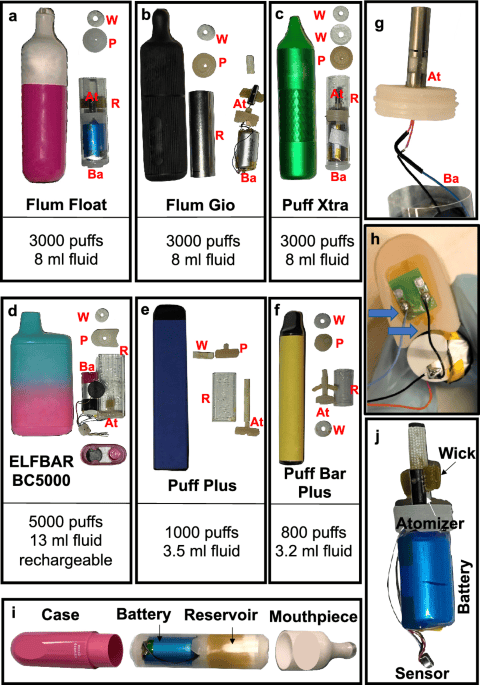
Diagram showing the internal e-liquid reservoir in different disposable vapes, highlighting how larger liquid capacity directly leads to larger device size.
The single biggest contributor to the physical size of a disposable device is the sheer volume of e-liquid contained within its casing. Early-generation disposables were built around minimal liquid volumes, often holding just enough fluid for a day or two of moderate use. Because a small volume of liquid occupies very little physical space, those early devices could easily maintain a sleek, cigarette-like silhouette.
In contrast, modern adult vapers frequently seek out extended longevity, which has prompted manufacturers to dramatically expand liquid capacities. High-capacity devices regularly carry anywhere from 14 mL to 30 mL of e-liquid.
- E-Liquid Capacity Scaling:
- Compact Units (Slim): ~2–6 mL
- Mid-Tier Devices (Flounder/Bar): ~10–15 mL
- High-Capacity Box Devices: ~18–30 mL
When a device must store 20 mL or 30 mL of liquid, the internal reservoir must expand proportionally. You cannot compress liquid into a smaller physical volume; therefore, the physical chassis must expand to accommodate the storage tank, wicking material, and surrounding internal housing.
Puff Counts vs Actual Liquid Volume
Detailed diagram of a disposable vapes internal structure, highlighting the airflow chambers, heating coil, central vapour chimney, and intake channels.
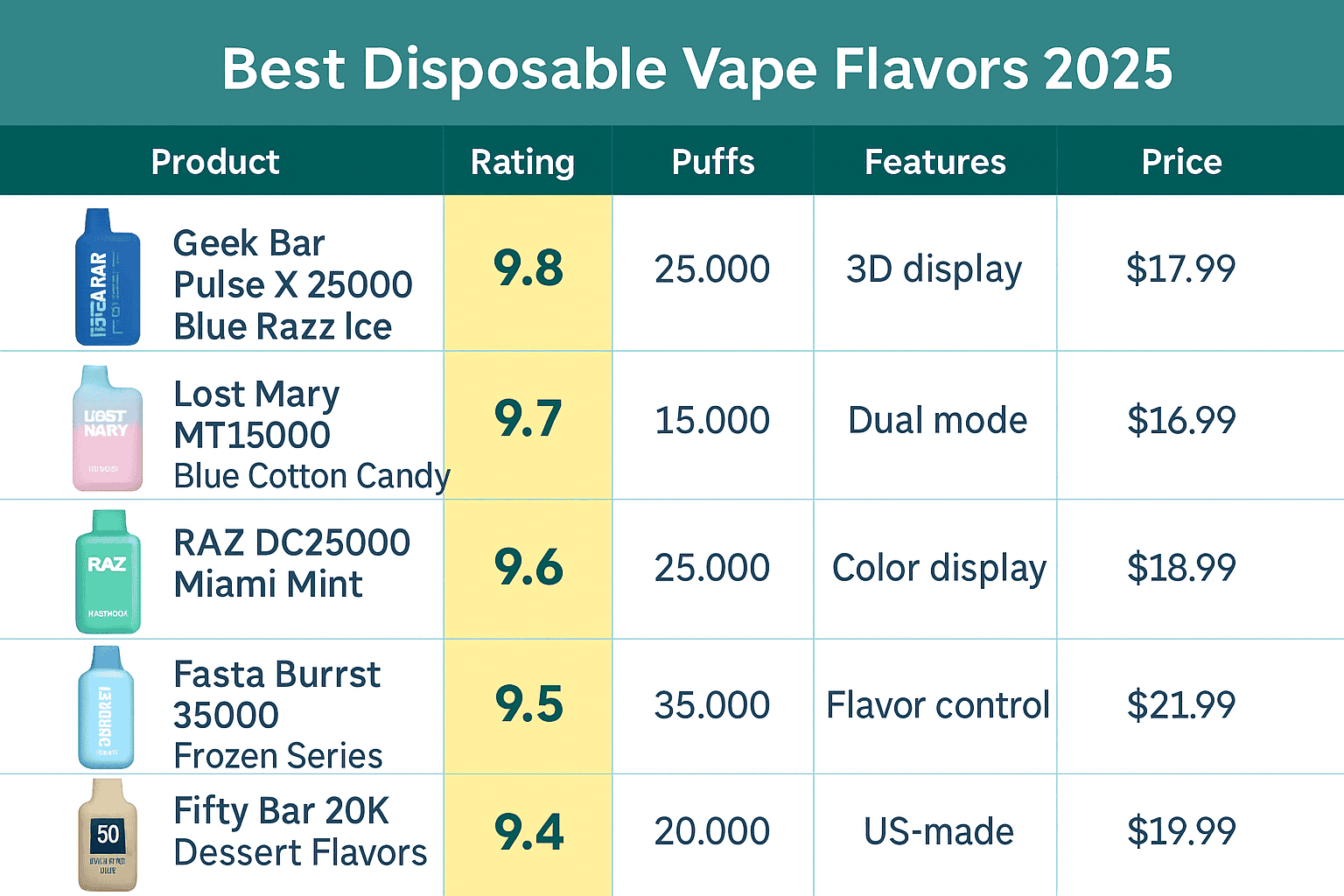
Advertised puff numbers have skyrocketed, moving from traditional 600-puff models up to ratings boasting 50,000 to over 75,000 puffs. While laboratory puff ratings are often measured using brief, low-intensity automated draws, the true indicator of how long a unit will last is its total e-liquid capacity in millilitres. As brands increase the liquid volume to deliver these higher puff counts, the overall dimensions of the casing must scale up accordingly.
Powering the Device: Internal Architecture and Vape Battery Size
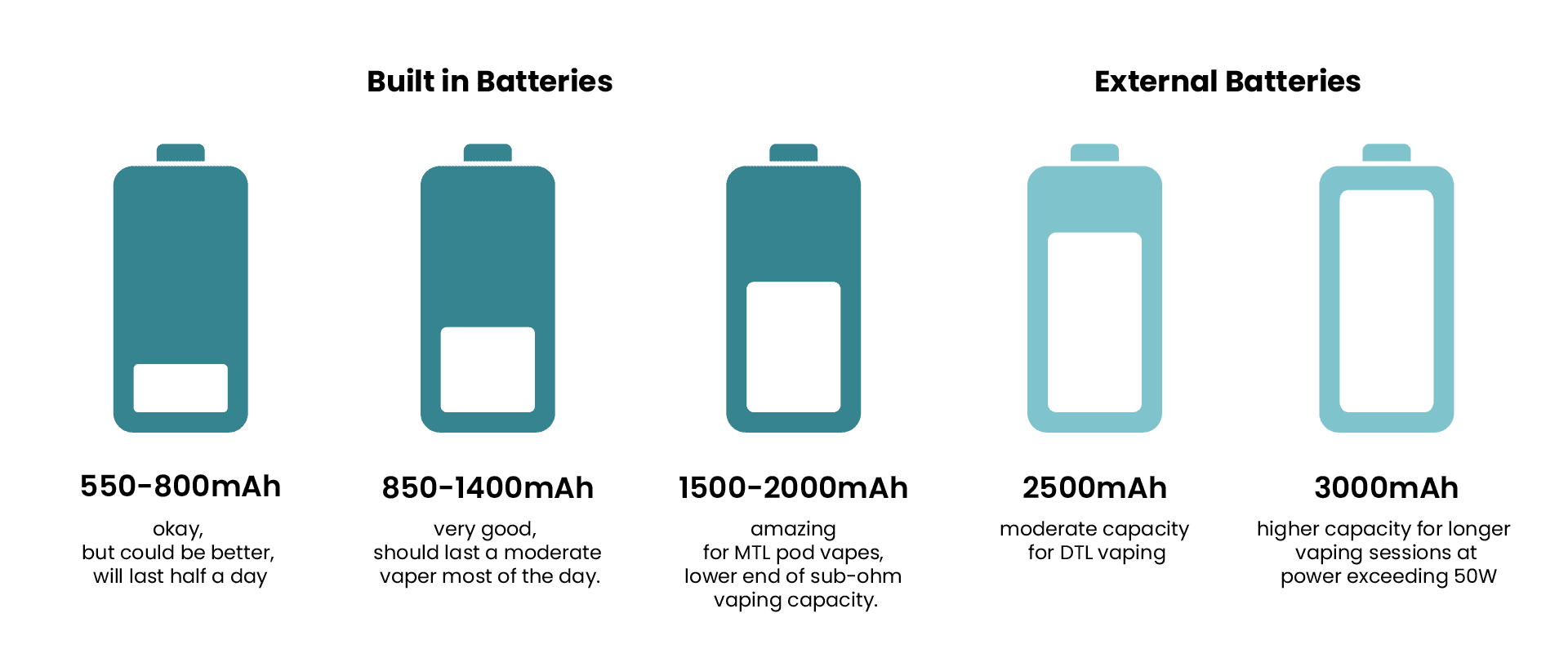
Cross-section or exploded view of a disposable vape showing the internal battery cell, circuit board, and other power components.
E-liquid is only half of the physical equation. To vaporise tens of millilitres of fluid, a device requires a dependable power source capable of delivering steady output over thousands of heating cycles.
Single-Use Cells vs Rechargeable Setups
In smaller, low-capacity disposables, manufacturers often relied on fully sealed, non-rechargeable lithium cells. Once the battery was flat, the unit was finished—even if some liquid remained inside.
To support large fluid reservoirs without making the device impractically massive, engineers shifted to rechargeable configurations. A rechargeable cell can be physically smaller than a massive single-use battery because it can be plugged into a charger repeatedly throughout the lifespan of the liquid.
However, introducing rechargeability introduces its own set of spatial demands:
- Circuit Boards: A dedicated power management board must be fitted to prevent overcharging, short-circuiting, and voltage irregularities.
- Charging Ports: Housing a modern USB-C connector requires structural reinforcement at the base of the device.
- Wiring and Insulation: Thicker internal wiring and heat insulation are necessary to handle repeated recharge cycles safely.
Even with a compact rechargeable cell, the combination of battery dimensions, safety circuitry, and structural brackets adds noticeable weight and girth to the outer shell.
Form Factor Evolution: Moving Towards the High Puff Disposable Vape
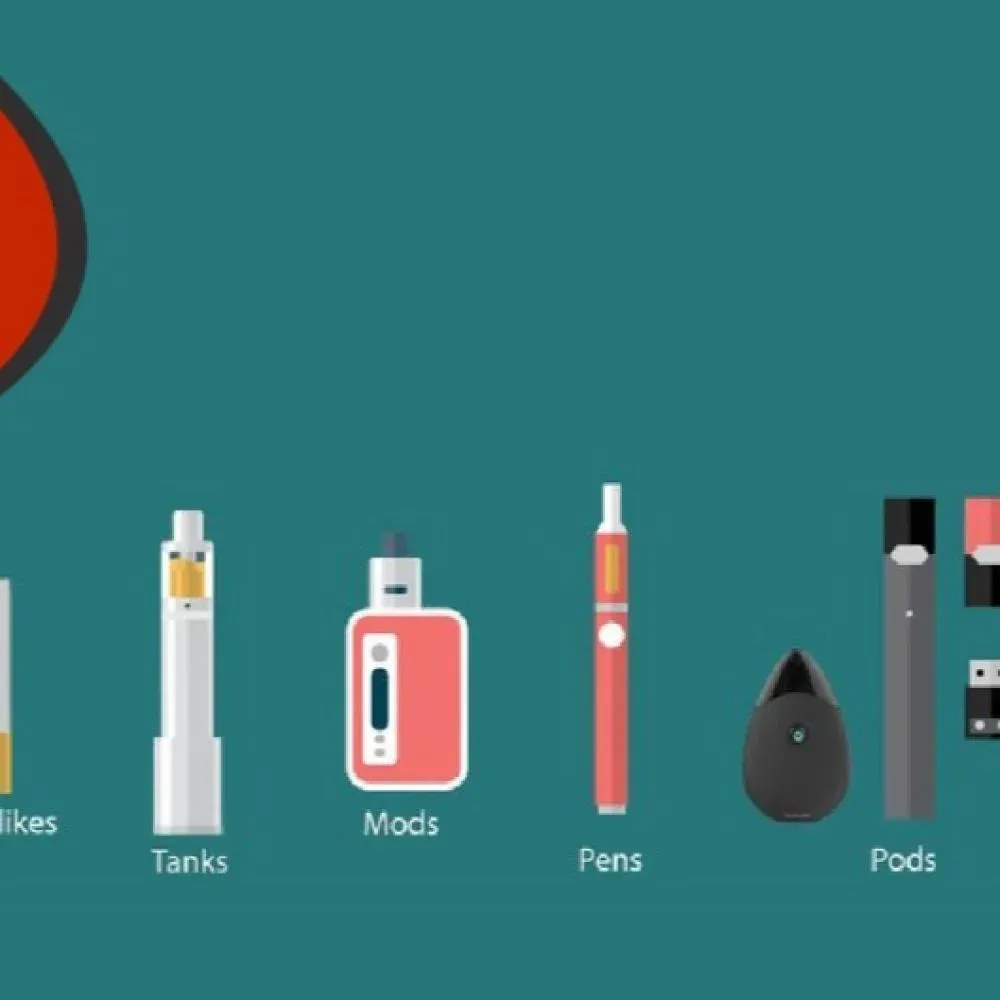
Illustrative diagram showing the evolution of disposable vape form factors from long cylindrical pen designs to compact rectangular box-style devices, showcasing internal component arrangement.
As capacities expanded, manufacturers realised that the traditional cylindrical pen shape was no longer practical. If you were to place a 20 mL tank, a rechargeable cell, and a circuit board into a single straight tube, the device would end up ridiculously long—resembling a baton rather than a pocketable vape.
       PEN FORM FACTOR                     BOX MOD FORM FACTOR
    +--------------------+              +-----------------------+
    |     Mouthpiece     |              | Mouthpiece  | Tank    |
    |--------------------|              |-------------+---------|
    |   Small Reservoir  |              |             |         |
    |--------------------|              | Battery     | E-Liquid|
    |   Battery Cell     |              | Cell        | Chamber |
    |--------------------|              |             |         |
    |     Base Cap       |              |-------------+---------|
    +--------------------+              | Circuitry & USB-C     |
   (Becomes impractically               +-----------------------+
    long if expanded)                   (Distributes volume efficiently)
To solve this engineering hurdle, the industry adopted the "box mod" or flask-style layout. By placing the battery cell side-by-side with the e-liquid reservoir rather than stacking them vertically, manufacturers created a much wider, rectangular form factor.
Popular high-capacity options, such as the Alibarbar Ingot 9000 Ribena and the distinctively rich Alibarbar Ingot 9000 Black Forest, utilise this condensed box-style layout. This structure distributes the internal components into an ergonomic, palm-sized shape that easily fits in a pocket or bag without feeling awkward.
Disposable Vape Comparison: Dimensions, Form Factors, and Lifespans
To help visualise how hardware elements alter the overall profile of a device, the table below highlights how different tiers compare in everyday use.
| Device Tier | Typical E-Liquid Volume | Primary Chassis Style | Rechargeable? | Relative Weight & Pocket Profile |
|---|---|---|---|---|
| Compact Pen | Low capacity | Slim cylinder / flat stick | Generally No | Extremely light; fits seamlessly into any pocket or pouch. |
| Mid-Tier Bar | Moderate capacity | Rectangular bar / oval tube | Yes | Balanced; slightly broader profile with modest hand-feel. |
| High-Capacity Box | High capacity (14–18 mL) | Ergonomic flask / mini box | Yes | Substantial palm-fill; noticeable weight due to dual internal compartments. |
| Ultra-Capacity Heavyweight | Maximum capacity (20–30 mL) | Wide-body box mod | Yes | Solid, broad footprint; prioritises overall longevity over ultra-portability. |
Airflow Chambers, Coils, and Internal Layouts
A visual comparison of various disposable vape sizes, ranging from slim pen-style devices to larger box-style, high-puff disposable vapes.
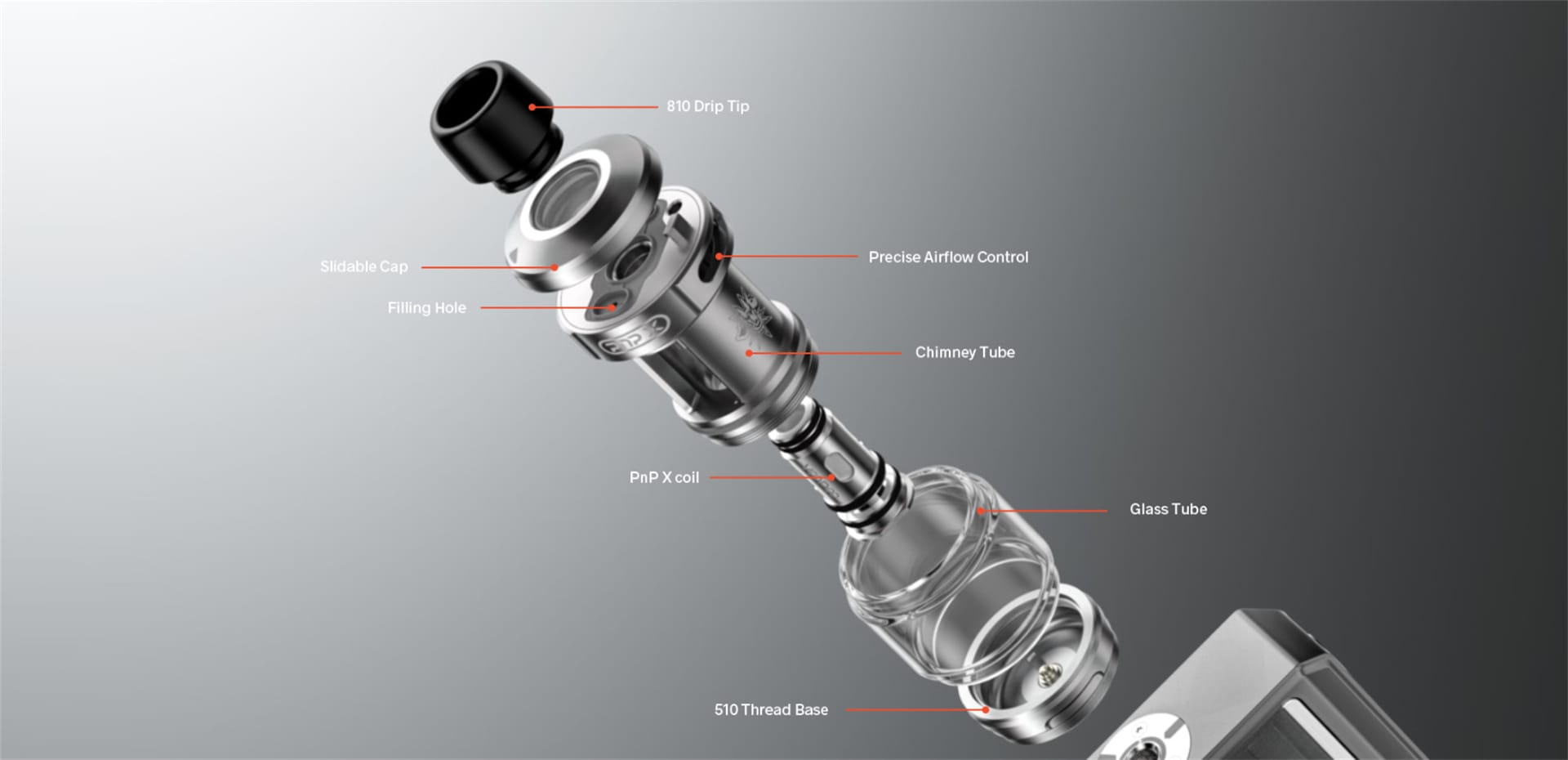
Beyond the reservoir and battery, the inner airflow structure plays an underappreciated role in shaping device dimensions. High-capacity devices require efficient airflow channels to cool down the heating element and ensure consistent vapour production across thousands of draws.
Larger heating coils, wide-bore vapour chimneys, and adjustable airflow sliders all consume physical volume. If internal airflow passages are cramped or poorly engineered, the device can suffer from turbulent air delivery or high-pitched noises during inhalation. If you have ever experienced an annoying sound when taking a puff, understanding the mechanics behind device acoustics—such as the troubleshooting concepts explored in Why Is My Vape Whistling How To Fix—illustrates just how crucial internal spatial design is for smooth operation.
- WHY AIRFLOW DESIGN REQUIRES SPACE:
-
- Central Vapour Chimney: Connects the coil directly to the mouthpiece.
-
- Air Intake Channels: Guide external air smoothly across the coil.
-
- Condensation Traps: Prevent pooled liquid from leaking into circuits.
-
- Structural Isolation: Keeps e-liquid away from sensitive electronics.
Proper acoustic and thermal isolation prevents the device from overheating in your hand and stops condensation from leaking into the delicate electronic boards near the base. Providing adequate clearance for these channels inevitably makes the exterior casing broader.
Portability, Usability, and Choosing the Right Disposable Vape Size
When selecting a device, bigger does not always mean better for every individual. Deciding between a compact model and a larger, high-output option involves balancing daily convenience against overall longevity.
Advantages of Compact Disposables
- Discreet Profile: Easy to carry in a small pocket or purse without creating an obvious bulge.
- Featherweight Feel: Minimal hand fatigue during use.
- Simplicity: No need to carry charging cables or manage regular recharge cycles.
Advantages of Larger High-Capacity Devices
- Extended Longevity: Far fewer trips to purchase replacement devices, making them more economical over time.
- Consistent Vapour Output: Modern power regulation ensures that flavour delivery remains stable from the first puff to the last drop of liquid.
- Reduced Packaging Waste: Using one substantial unit over several weeks produces less discarded plastic packaging than cycling through multiple small pens.
The Broader Context of Modern Vapour Hardware
The ongoing evolution of disposable form factors reflects broader changes in adult consumer preferences. As users have gravitated toward devices that last longer and deliver richer flavour profiles, manufacturers have pushed the boundaries of micro-engineering.
Every increase in casing dimensions represents a direct response to functional needs: fitting more millilitres of fluid, housing durable rechargeable batteries, incorporating safety management chips, and carving out smooth airflow pathways. By understanding what sits beneath the outer casing, you can better determine which device size, shape, and capacity best matches your daily routine.
Practical Takeaways: Summary
- Fluid Volume Governs Size: The millilitre capacity of the e-liquid reservoir is the primary reason why high-capacity units are shaped like small boxes rather than slim pens.
- Rechargeable Architecture Adds Bulk: Integrating rechargeable cells, USB-C ports, and safety control boards requires structural chassis reinforcement.
- Layout Dictates Ergonomics: Moving to a side-by-side box layout allows manufacturers to fit substantial liquid volumes and batteries into a pocket-friendly form factor.
- Balance Your Priorities: Choose lightweight, compact designs if maximum portability is your priority, or opt for larger high-capacity boxes if you value long-lasting performance and value.



 UMIN SLICK PLUS 10000
 ALIBARBAR INGOT 9000
 IGET BAR PRO 10000
 IGET ONE 12000
 IGET BAR PLUS S3 10000
 IGET BAR PLUS S3 POD 10000
 IGET MOON K5000
 GEEK BAR PULSE X 25000