











Should You Shake a Disposable Vape Before Using It? (2026 Guide)
When you unbox a new vaping product, muscle memory often kicks in. Anyone who has ever used refillable e-cigarette tanks or mixed their own shortfills knows the golden rule of bottled e-liquid: shake it thoroughly before pouring. Naturally, many people wonder: should you shake a disposable vape, shake vape hardware out of habit, or is disposable vape handling completely different? Because internal vape liquid movement behaves differently within an all-in-one chassis, knowing how to treat your vape before use is essential if you want to avoid a mouthful of unvaporised fluid or a ruined device.
In this guide, we break down why shaking a single-use device is rarely necessary, how the mechanics of self-contained hardware differ from free-standing bottles, and what you should actually do to get a smooth, reliable draw every single time.
The Short Answer: Why Disposables Differ from Bottled Juice
To put it plainly: no, you should not vigorously shake a disposable vape.
While bottled e-liquid benefits from an energetic rattle to distribute flavour concentrates, vegetable glycerine (VG), propylene glycol (PG), and nicotine evenly, disposable devices are built completely differently. A bottle is an inert plastic or glass vessel designed solely for fluid storage. A disposable vape, by contrast, is a self-contained electronic appliance housing a pre-saturated absorbent core, a delicate heating element, micro-wiring, an internal lithium-ion power cell, and a pneumatic airflow sensor.

A disposable vape standing perfectly upright on a flat surface, perhaps on a desk or table, suggesting a period of resting and settling.
When you shake a sealed, all-in-one bar, you are not simply mixing fluid; you are subjecting integrated circuitry and a fragile liquid-wick equilibrium to abrupt physical stress. The e-liquid inside modern disposable devices has already had ample time to settle and saturate the internal wick during transit, warehouse storage, and distribution.
If you are exploring premium hardware alternatives or looking for reliable, regulated alternatives, checking resources like What Is The Healthiest Vape can help clarify what safe device construction looks like.
Bottled Juice vs. Disposable Devices: A Direct Comparison
Understanding why bottled juice requires agitation while pre-filled devices do not comes down to how the liquid is stored and delivered to the heating element. The table below outlines how these two formats differ in maintenance, fluid behaviour, and physical handling.
| Feature / Factor | Standalone Bottled E-Liquid | Integrated Disposable Vape |
|---|---|---|
| Primary Physical State | Free-flowing liquid in an open reservoir bottle | Liquid held within a saturated polyfill wick or sealed pod |
| Recommended Agitation | Vigorous manual shaking before each tank refill | No vigorous shaking; gentle resting or minimal rolling only |
| Primary Risk of Shaking | Minor frothing or momentary micro-bubbles | Airway flooding, liquid spitting, sensor malfunction |
| Preparation Time | Ready to pour immediately after a 10-second shake | Ready after removing seals and resting upright for 1–2 minutes |
| Internal Components | Nil (liquid container only) | Battery, airflow sensor, coil, wiring, absorption pad |
The Physics of E-Liquid Movement Inside a Disposable
In standard bottled e-liquids, distinct ingredients possess varying molecular densities. Over extended periods of stillness, heavier flavourings and dense VG can experience subtle separation from lighter carrier agents. In a standalone bottle, shaking breaks up this stratification so that the mix you squirt into your tank maintains an even flavour profile and consistent throat hit.
However, inside a disposable device, the liquid is generally not sloshing around freely in an empty plastic cavern. In the vast majority of disposable designs, the fluid is already absorbed into a dense synthetic cotton matrix or held within an isolated chamber feeding directly onto an ultra-fine mesh coil.
Capillary action constantly draws liquid from the saturated material towards the coil. Because the liquid is trapped within fine microfibres, traditional liquid settling does not create the same pronounced separation issues that you might encounter in a standalone 60ml or 100ml bottle. By the time a device reaches your hands, the coil assembly is thoroughly soaked and ready to vaporise.
What Happens When You Shake a Disposable Device?
Giving a disposable vape a hard flick or an aggressive shake can disrupt the balance engineered into the internal airflow path. Here is what can go wrong when you treat an electronic unit like a cocktail shaker.
1. Airway Flooding and Chimney Intrusion
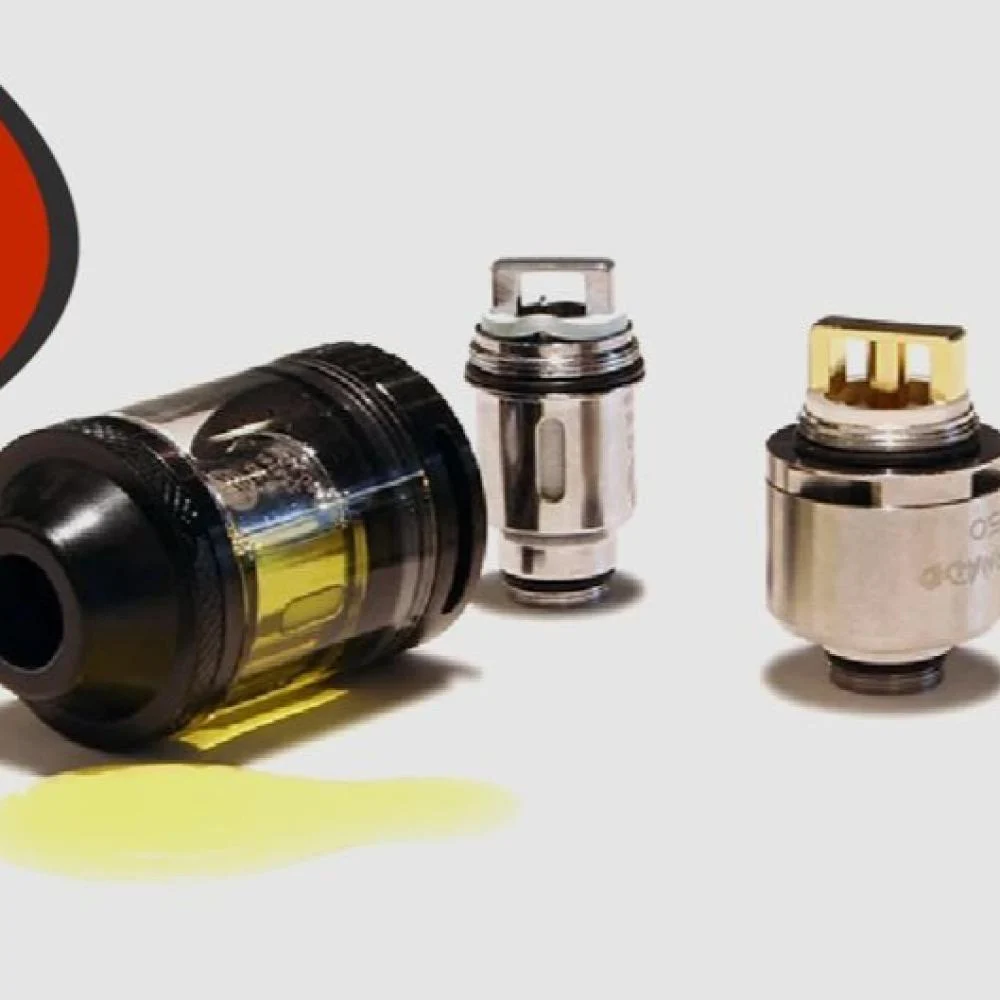
Every disposable unit features a central airflow tube—often referred to as the chimney—that channels vapour from the coil straight up to the mouthpiece. This tube is designed to remain dry. When you whip or shake the device back and forth, centrifugal force can dislodge resting liquid from the polyfill pad or pod seals, flinging raw fluid directly into the central chimney.
A disposable vape lying on a car dashboard or inside a glovebox, with strong sunlight shining on it or indications of heat, illustrating poor storage conditions.
Once e-liquid enters this central airway, the next time you take a puff, the vapour cannot travel smoothly. Instead, you will hear a distinct gurgling sound, and loose droplets will travel up the mouthpiece, leaving an unpleasant, bitter taste on your tongue.
2. Dislodged Internal Seals
Disposables rely on tiny silicone gaskets, bungs, and friction seals to keep the internal reservoir separate from the battery compartment. Aggressive physical agitation can cause these pliable silicone seals to shift out of alignment. If liquid breaches the seals, it can migrate down into the lower chassis, coating the battery casing and sensitive electrical connections.
A close-up image of a hand carefully removing a silicone plug from the mouthpiece and peeling an adhesive sticker from the bottom airflow holes of a new, sealed disposable vape.
3. Airflow Sensor Faults and Auto-Firing
Most modern disposables do not feature a manual push-button; they rely on a pneumatic microphone sensor that detects the drop in air pressure when you inhale through the mouthpiece. If loose fluid gets forced past the seals by excessive shaking, it can pool directly on this sensor diaphragm.
A soaked sensor may become completely unresponsive, rendering the unit dead. In worse scenarios, fluid bridging the contacts can cause the sensor to trip permanently, leading to auto-firing where the coil continuously heats up without anyone drawing on it.
Devices built with reinforced chassis components and tidy internal architecture—such as popular models from Umin—minimise these failure points through tighter manufacturing tolerances, but no electronic hardware is immune to rough handling.
How to Properly Prepare a Disposable Vape Before Use
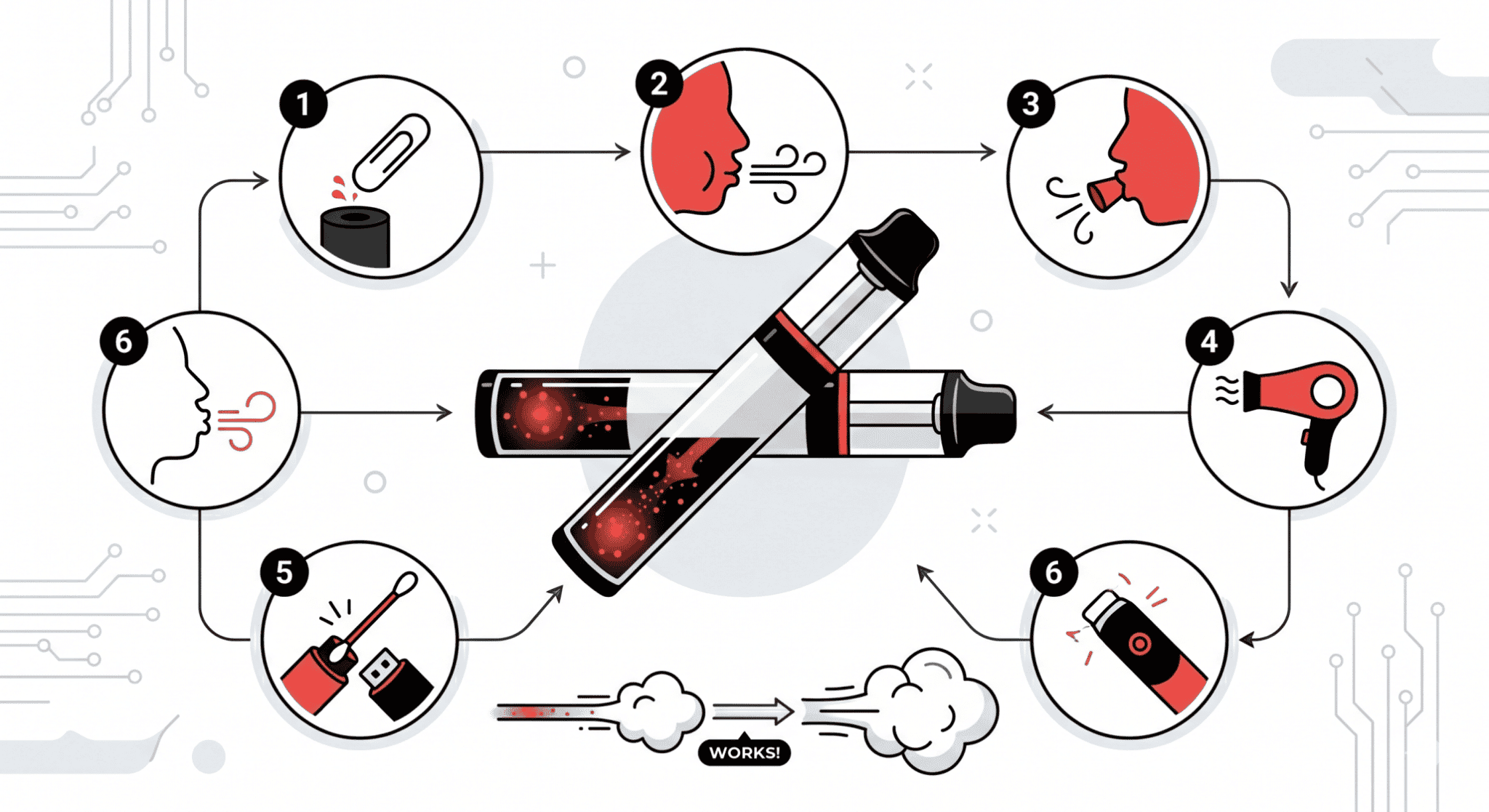
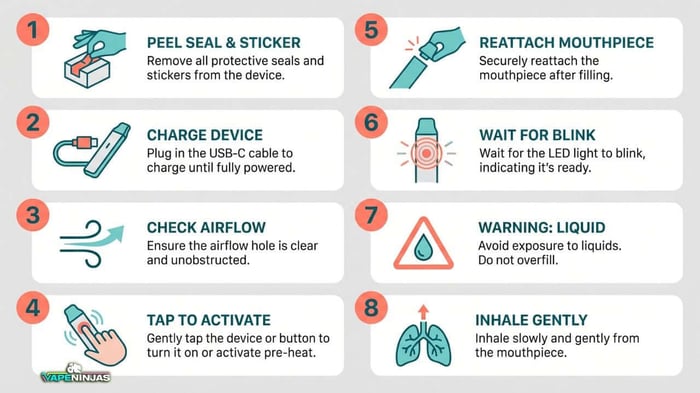
Rather than shaking your vape before use, follow a sensible, gentle routine to ensure optimal flavour and avoid dry hits.
Step 1: Unpack and inspect the exterior packaging.
Step 2: Strip away all protective silicone stoppers and base stickers.
Step 3: Allow the device to rest upright on a flat surface for 60 to 120 seconds.
Step 4: Take two or three gentle, slow primer puffs without drawing deeply.
Step 5: Continue with normal vaping once flavour and vapour production stabilise.
1. Remove All Factory Seals
High-grade disposables come sealed with protective silicone plugs in the mouthpiece and adhesive stickers over the bottom airflow holes. These seals prevent air circulation and fluid migration during shipping. Peel off the base sticker completely and remove the top bung.
A detailed cross-section diagram of a disposable vape showing e-liquid improperly collected or flooding within the central airflow tube (chimney) leading to the mouthpiece.
2. Let the Device Settle Upright
If your vape has been sitting horizontally in a delivery parcel or bouncing around in your pocket, stand it vertically on a flat desk or table for a minute or two. This allows gravity to pull the internal fluid naturally towards the base of the coil, clearing any minor air pockets around the heating element without forcing fluid into the chimney.
3. Take Gentle Primer Puffs
Do not immediately take a five-second lung hit. Start with two or three very light, short draws. This gently warms the mesh coil, reduces liquid viscosity slightly, and establishes steady capillary flow through the wick.
For those using larger-capacity hardware such as the Alibarbar Ingot 9000 Ribena, giving the unit that initial resting minute ensures the massive internal reservoir feeds cleanly into the coil from the very first draw.
Troubleshooting Common Disposable Issues Without Shaking
If your device is not performing properly, your first instinct might be to shake it to get things moving. Here is how to resolve typical performance issues safely instead.
Weak Flavour or a Faint Burnt Sensation
If the draw tastes slightly dry or the flavour seems muted, shaking will not solve the issue. In fact, shaking can introduce microscopic air bubbles into the wicking fibres.
- The Safe Fix: Stand the unit upright in a warm room. If it has been sitting in a cold car or outside during a chilly Melbourne morning, the vegetable glycerine will have thickened significantly, slowing capillary absorption. Hold the body of the device in the palm of your hand for a couple of minutes to let your body heat gently thin the fluid, allowing it to penetrate the wick naturally.
Gurgling or Spitting Juice
If fluid has already found its way into the airway, shaking the device will only scatter the liquid further.
- The Safe Fix: Turn the device upside down over a clean tissue or paper towel. Give it a single, gentle, downward flick towards the tissue (holding the device firmly by the base) to clear excess liquid pooled in the mouthpiece. Then, roll a small corner of the tissue into a fine point, insert it a few millimetres into the mouthpiece opening to blot away residual fluid, and let it stand upright for five minutes before taking a gentle draw.
Rich dessert or berry blends—like the profile found in an Alibarbar Ingot 9000 Black Forest—contain complex flavourings that taste best when the coil is running clear and unflooded, making a clean airway essential for an enjoyable draw.
The Device Isn't Producing Any Vapour
If you draw on the mouthpiece and the indicator light does not turn on, check the bottom airflow inlet. Ensure no adhesive residue from the factory sticker is blocking the air passage. Blowing very gently into the base intake hole can sometimes clear a stuck airflow sensor, but never hammer, drop, or shake the casing, as this can sever the fine solder wires connecting the battery cell to the control board.
Safe Disposable Vape Handling and Australian Storage Considerations
Australia's climate presents distinct environmental challenges for electronic vaping devices. Across the country, temperatures can swing rapidly between sweltering summer heatwaves and crisp winter mornings, both of which affect liquid viscosity and internal battery chemistry.
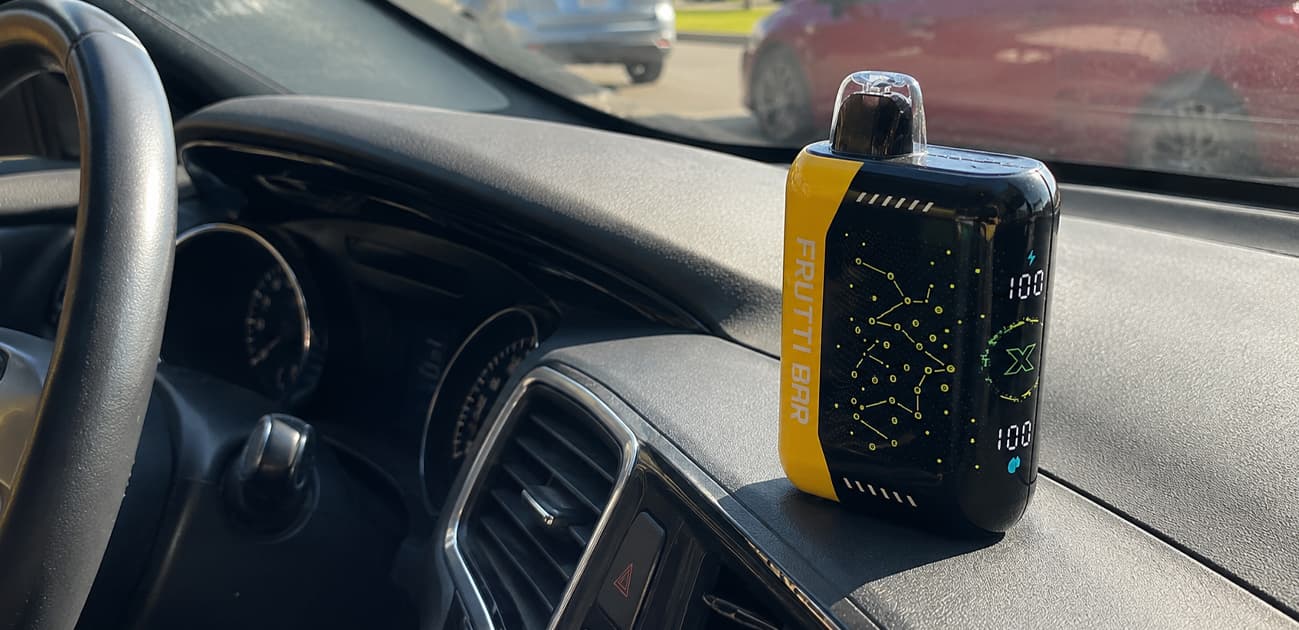
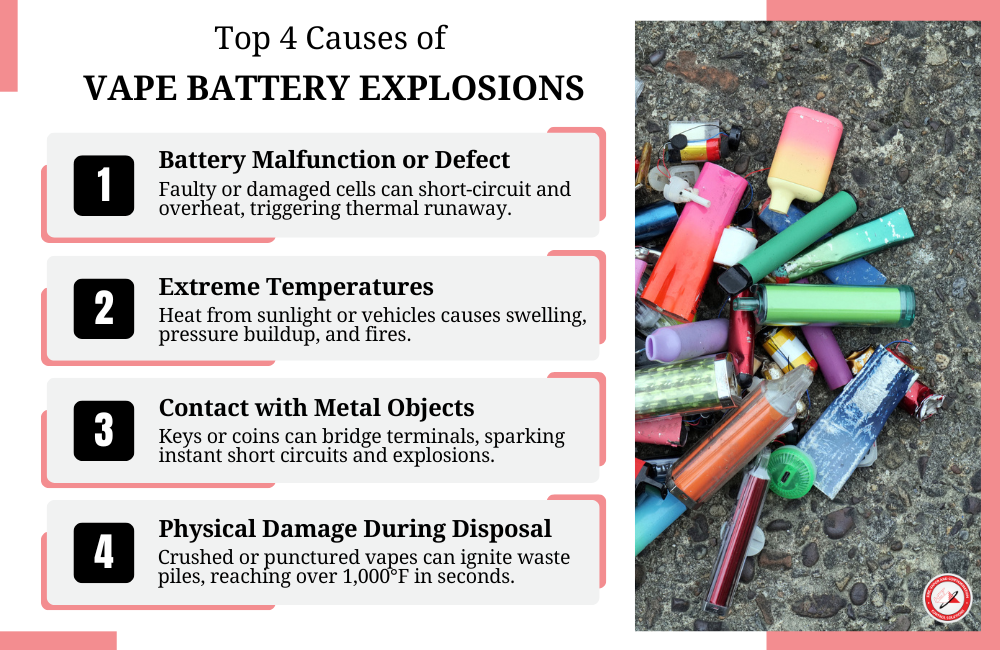
- Avoid Direct Sun and Hot Gloveboxes: Leaving a disposable vape on a sunlit dashboard or in a parked car can cause the e-liquid to thin out excessively. Ultra-thin fluid readily escapes the cotton wick and floods the airflow chamber. Furthermore, excessive heat degrades lithium-ion cells.
- Keep Devices Upright When Stored: Storing your devices standing vertically in a cup, holder, or organiser prevents gravity from pulling liquid sideways against the chimney seam.
- Store at Room Temperature: Keep unused devices inside a drawer or cupboard away from direct sunlight, moisture, and extreme ambient temperature fluctuations.
A magnified internal view or diagram of a disposable vape, highlighting tiny silicone gaskets and seals, with an indication of them being dislodged or shifted, potentially allowing e-liquid to leak.
Final Thoughts
The habit of shaking e-liquid comes from the world of open-system mixing and bottled vape juice, where manual agitation is genuine best practice. However, when it comes to self-contained disposable devices, shaking does far more harm than good.
To keep your disposable vape functioning properly, avoid aggressive shaking altogether. Instead, remove the packaging cleanly, let the unit sit upright so gravity can do the work, warm it gently in your hands if the weather is cool, and begin with soft, measured draws. By treating your device with care, you protect its internal electronics and ensure a smooth, flavourful vape from the first puff to the last.




 UMIN SLICK PLUS 10000
 ALIBARBAR INGOT 9000
 IGET BAR PRO 10000
 IGET ONE 12000
 IGET BAR PLUS S3 10000
 IGET BAR PLUS S3 POD 10000
 IGET MOON K5000
 GEEK BAR PULSE X 25000