











Why Is There a Delay Between Inhaling and the Vape Firing?
You take a pull from your vape expecting an immediate, satisfying cloud, but nothing happens for a fraction of a second—or worse, a full second or two. That frustrating pause is known as vape delayed firing. When you encounter a noticeable vape activation delay, it interrupts your session and leaves you wondering whether your battery is going flat, the pod is flooded, or the device is ready for the bin. Whether you are dealing with a stubborn auto draw delay on a compact refillable pod, troubleshooting a disposable vape slow to fire, or trying to diagnose an internal vape sensor delay, understanding the mechanics of how air triggers electricity will help you get your device firing instantly once again.
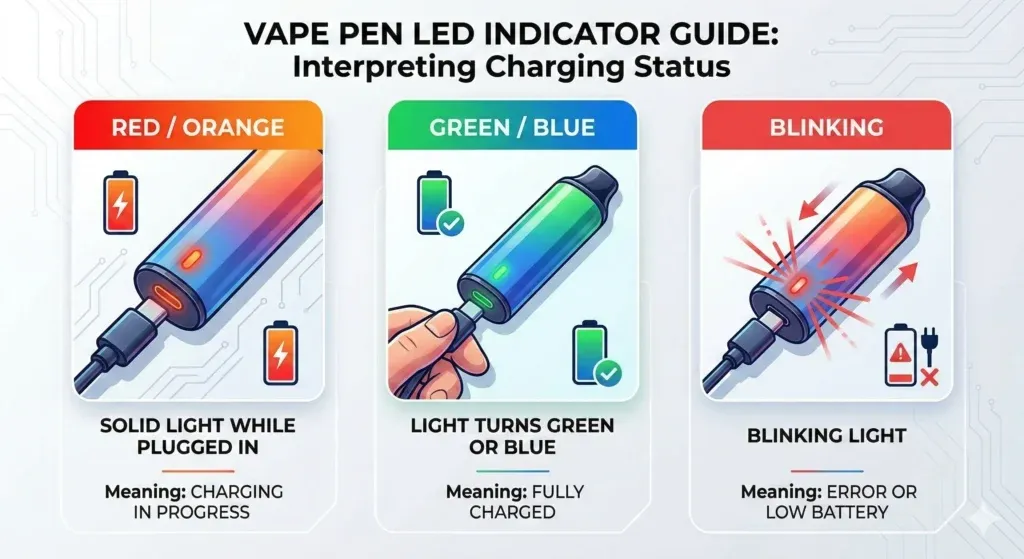
A vape device screen displaying a low battery indicator or a vape connected to a USB charger with a charging icon.
How Draw-Activated Vaping Systems Work
To understand why a firing lag happens, it helps to look inside a modern draw-activated device. Traditional box mods and advanced vape kits rely on a manual button: when your finger depresses the tactile switch, an electrical circuit closes instantly, routing current straight from the lithium-ion cell into the heating element.
In contrast, draw-activated vapes—including most pre-filled disposables and miniature pod kits—replace manual switches with an automated pneumatic switch.
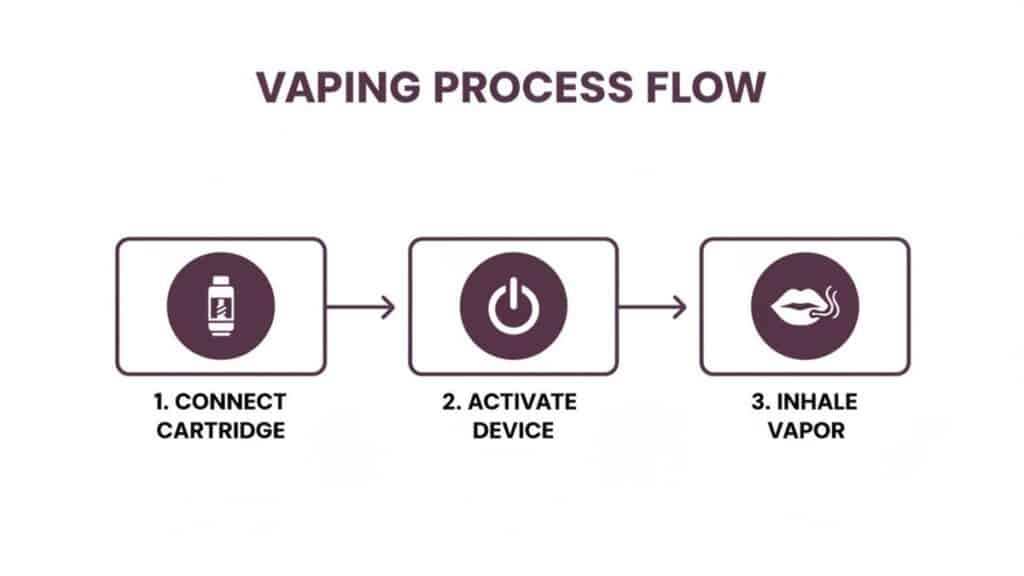
- Inhale through Mouthpiece
- Negative Pressure in Airflow Channel
- Pneumatic Sensor Diaphragm Flexes
- Chipset Triggers Battery Output
- Coil Heats & Atomises E-Liquid
Inside the device housing sits a miniature electret sensor, similar to a microscopic microphone diaphragm. When you draw air through the mouthpiece, you create a localised drop in air pressure (negative pressure) inside the airflow chamber. This pressure difference pulls a micro-thin membrane against a contact, signalling the chipset to energise the coil.
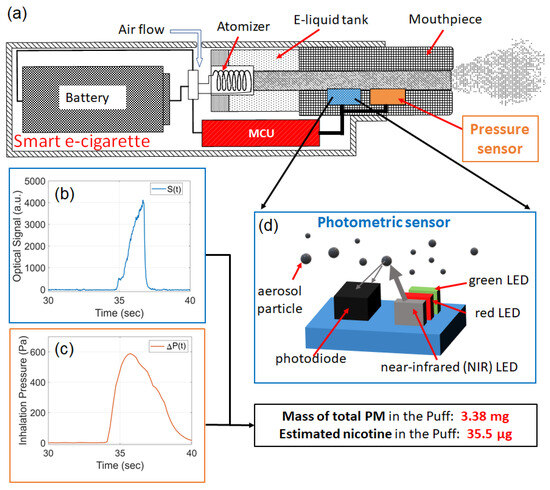
A detailed cross-section diagram of a draw-activated vape, highlighting the pneumatic sensor, airflow channel, and how negative pressure triggers the coil.
When everything is functioning properly, this pneumatic trigger trips within milliseconds. However, if the airflow path is interrupted, the sensor diaphragm is gunked up, or the electrical components cannot deliver current rapidly, you end up with an irritating lag between taking an inhale and feeling the vapour hit your mouth.
Common Reasons for Vape Delayed Firing in Modern Devices
A lag during activation is rarely completely random. Usually, it stems from a distinct mechanical, pneumatic, or electrical impediment. Here are the primary culprits behind an unresponsive draw.
1. Liquid Condensation and Leaking Around the Sensor Chamber
By far the most common cause of an auto draw delay is e-liquid pooling inside the recess where the pod meets the battery.
A vape device emitting vapor continuously without being drawn, possibly sitting on a non-flammable surface, indicating auto-firing or lingering fire.
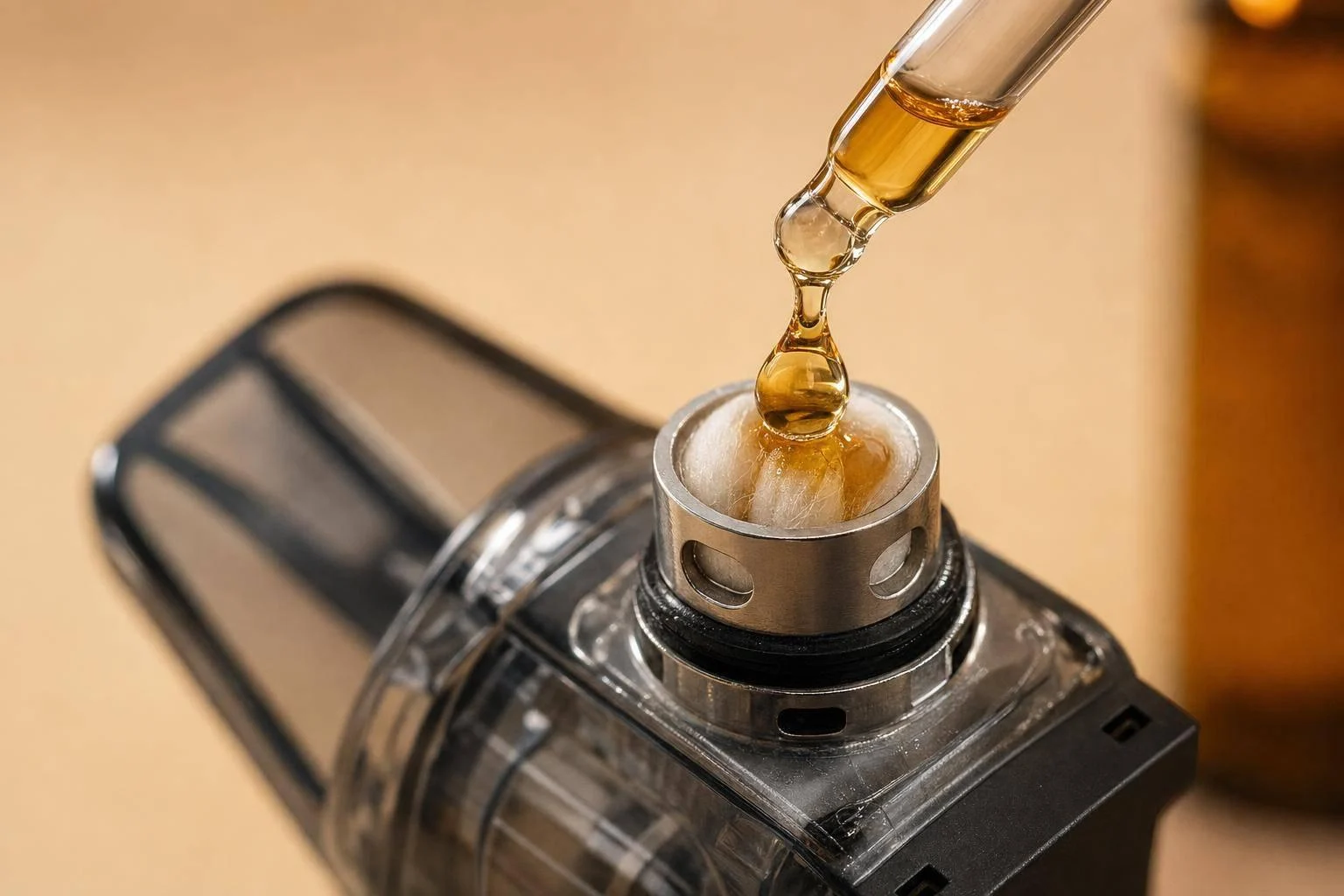
Every time you vape, a small amount of warm aerosol settles inside the airflow path and condenses back into liquid droplets. Over a few days, this condensation combines with stray micro-leaks from the base of your pod. Because the tiny sensor vent usually sits right beside the gold-plated contact pins, unevaporated juice eventually seeps down into the sensor aperture.
When liquid coats the delicate membrane inside the sensor switch, the diaphragm becomes heavy and sticky. Instead of flexing the millisecond air begins moving, it requires sustained, heavy suction to pull the membrane forward, leading to a pronounced pause before the coil kicks in.
2. Obstructed Airflow Channels and Pocket Debris
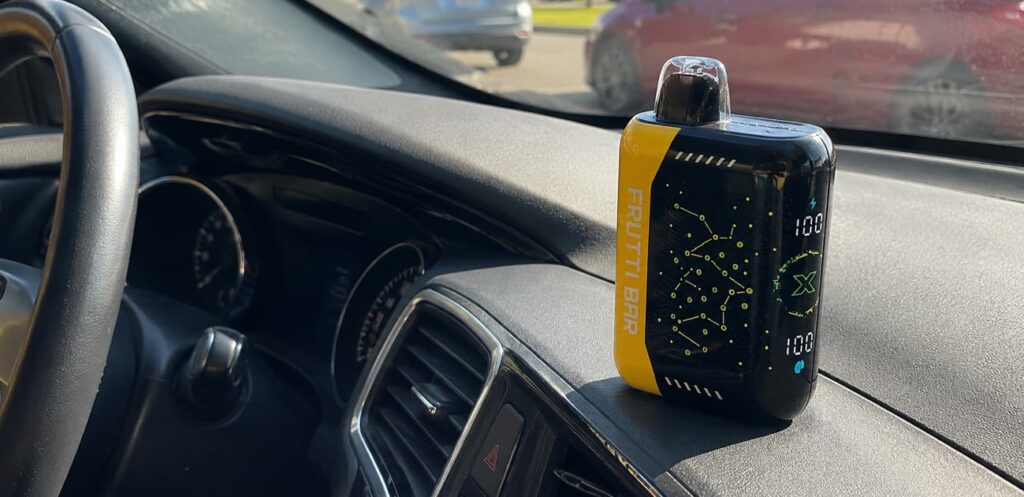
Your vape travels everywhere with you—tossed into gym bags, sliding around car consoles, or sitting deep in trouser pockets. Over time, pocket fluff, lint, and dust gather inside the exterior airflow slots and the mouthpiece chimney.
If air cannot travel freely past the pressure switch, your draw will struggle to generate the rapid pressure drop needed to cross the sensor’s firing threshold. You might also notice unusual turbulence, restricted airflow, or high-pitched squeaks; if your device starts making odd noises when you pull, checking our guide on why your vape is whistling and how to fix it will help you isolate whether foreign matter is clogging the intake.
3. Coil Ramp-Up Lag vs Genuine Sensor Delay
Sometimes the sensor triggers instantly, but the coil itself takes time to heat up. This phenomenon is known as coil ramp-up lag, and it is frequently mistaken for a faulty switch.
- Heavy Wire Coils: Traditional thick round-wire or complex multi-strand coils possess significant thermal mass. They require a moment for electrical current to raise the metal to vaporisation temperatures.
- Modern Mesh Elements: Mesh strips have a vastly greater surface-area-to-mass ratio, heating almost instantaneously.
If you are using an older style pod or a low-wattage mouth-to-lung setup with heavy gauge wire, the switch may have closed immediately, but the heating element is simply taking half a second to vaporise the juice soaked into the cotton wick.
4. Low Battery Voltage and Output Sag
Regulated vape devices monitor cell voltage closely. When a battery is sitting at 90% to 100% capacity, it supplies nominal voltage with minimal internal resistance.
As the charge drops towards the 20% mark, the battery experiences voltage sag under load. The chipset must work harder to supply consistent power, and the reduced initial burst of energy slows down the rate at which the coil reaches vaporisation temperature. If your pod feels sluggish towards the end of the day, plugging it into a steady USB charger often resolves the lag immediately.
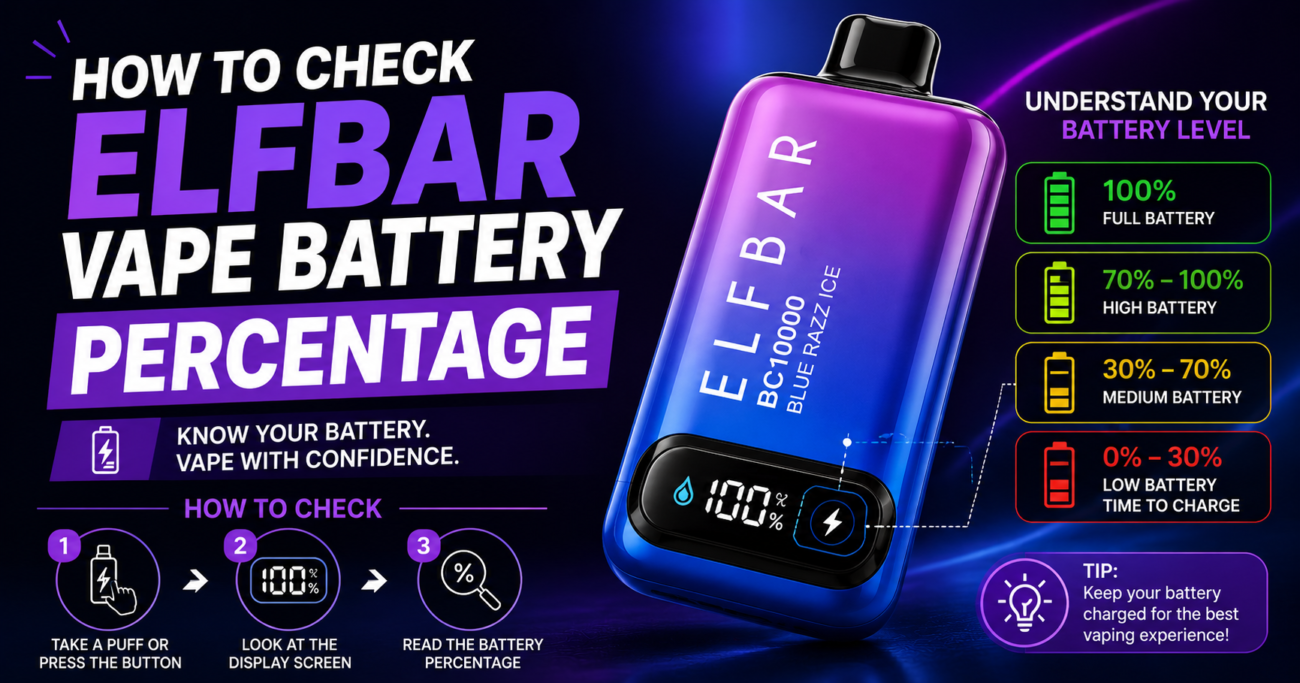
A vape device screen displaying a low battery indicator or a vape connected to a USB charger with a charging icon.
Why a Disposable Vape Is Slow to Fire
Disposables are built for sheer convenience, yet they are notoriously prone to activation delays as they near the middle or end of their lifespan. If you notice your disposable vape slow to fire, the issue typically comes down to its internal construction.
Unlike refillable pods that allow you to wipe down the contacts between refills, disposable models house the battery, liquid sponge, airflow tube, and sensor inside a sealed, non-serviceable chassis.
High-capacity devices featuring generous e-liquid reservoirs—such as the Alibarbar Ingot 9000 Ribena or the rich berry profile of the Alibarbar Ingot 9000 Black Forest—are engineered with robust internal airflow canals to support sustained use. However, if a sealed device is left lying on its side in hot weather, e-liquid can migrate down into the bottom airflow chamber where the pneumatic sensor sits.
Because you cannot simply pop the tank off a disposable to swab away excess liquid, clearing that airflow canal requires adjusting your draw technique or gently clearing the base vents.
Firing Delay Diagnostic: Symptoms, Causes, and Solutions
Use this quick reference table to diagnose exactly why your device is lagging when you take an inhale.
| Symptom | Likely Cause | Practical Solution | Urgency / Risk Level |
|---|---|---|---|
| Delay on soft inhale; fires normally on hard pull | Sticky sensor diaphragm or wide-open airflow setting | Clean sensor aperture with dry cotton bud; restrict airflow control | Low — Minor performance annoyance |
| Silent pause for 1 second, then faint crackling | Coil ramp-up lag or low battery cell voltage | Charge battery fully; switch to a pod with a lower-resistance mesh coil | Low — Normal physical behaviour |
| Airflow feels choked and requires intense suction to fire | Pocket lint or dried e-liquid blocking base air intakes | Clear air holes using a dry wooden toothpick or soft brush | Low — Easily remedied |
| Vape continues to fire for 2–3 seconds after stopping your inhale | Severe liquid flooding inside the pneumatic microphone switch | Isolate device immediately; swab connector bay; retire if lingering persists | High — Can burn coil or overheat battery |
| Device feels unusually hot around the base during the delay | Internal electrical short or damaged chipset | Cease using immediately, disconnect charger, and recycle responsibly | Critical — Risk of thermal failure |
How to Troubleshoot and Fix Vape Activation Delay
If you are experiencing a persistent vape sensor delay, work through these proven maintenance steps before tossing your pod or device in the bin.
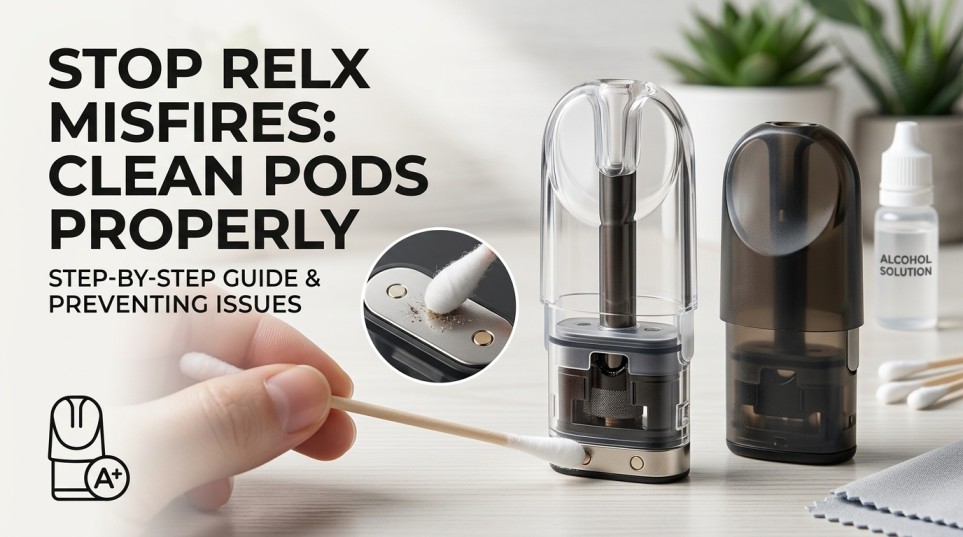
Step 1: Deep Clean the Pod Recess
Remove the pod from the battery casing. Look down into the connection bay under good lighting. You will typically see two gold-plated spring pins and a small, raised rubberised hole—that hole leads directly to the pneumatic switch.
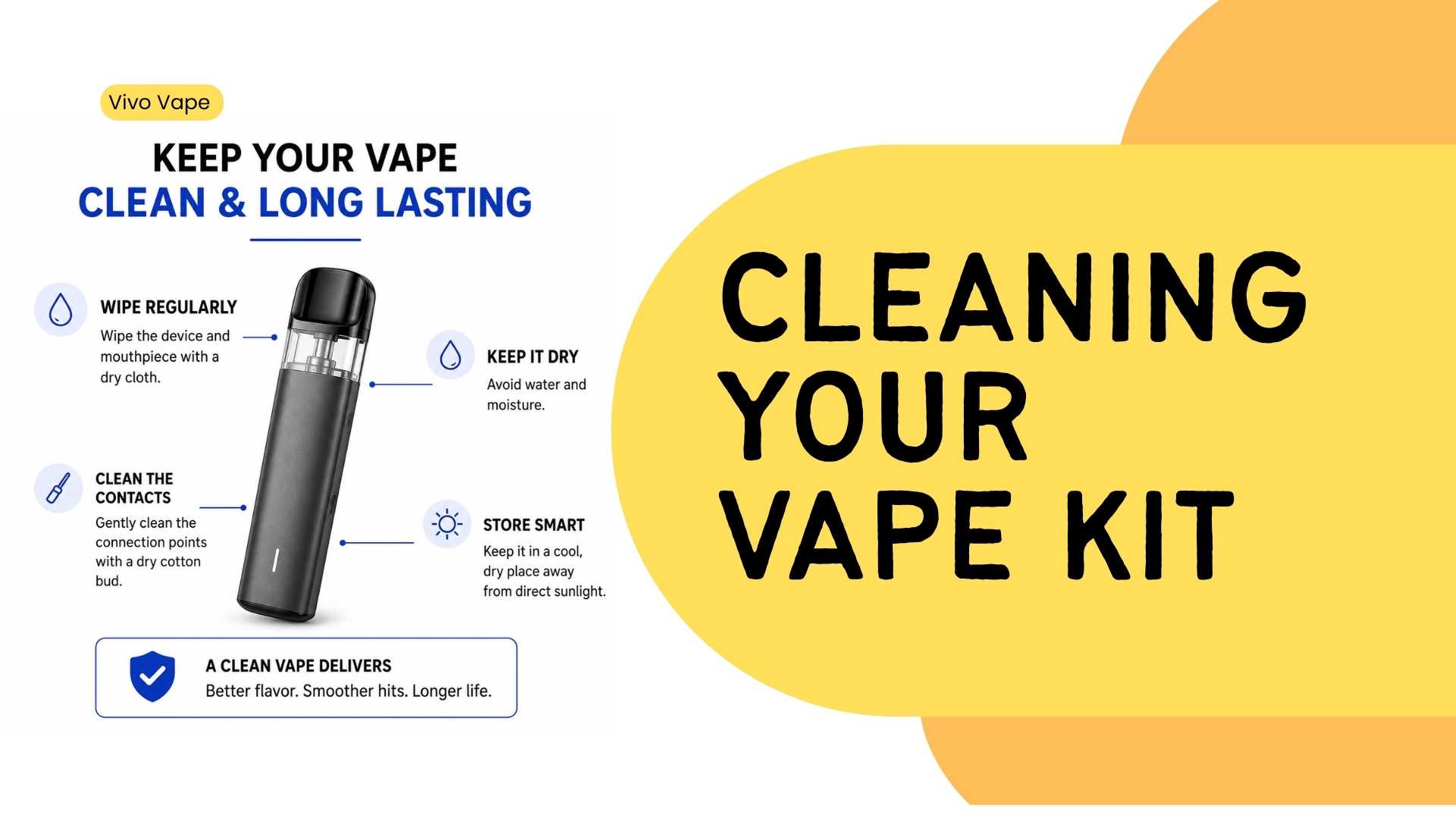
A hand holding a cotton bud, carefully cleaning e-liquid or residue from the connection bay and sensor hole of a vape device.
- Take a dry cotton bud and thoroughly wipe away any e-liquid, condensation, or dark residue pooling around the pins.
- Lightly press the cotton bud tip directly over the sensor hole to wick away trapped surface moisture.
- Avoid poking sharp metal objects like safety pins down the sensor hole, as this can easily puncture the micro-membrane and destroy the switch permanently.
Step 2: Clear the Air Intake Slots
Inspect the exterior air slots on the side or bottom of your vape chassis. If you find compacted pocket lint:
- Use a wooden toothpick to gently hook the lint free.
- Blow sharply across the outside vents (never directly into the charging port) to expel loose dust particles.
- Ensure your fingers or palms are not accidentally covering the intake slots while holding the vape, which is a surprisingly common reason for sluggish air movement.
Step 3: Refine Your Inhaling Technique
Pneumatic sensors respond to the velocity and vacuum pressure of your draw. If you pull too timidly, the pressure inside the chimney may hover just below the sensor's activation threshold, resulting in a distinct lag before the circuit closes.
- For mouth-to-lung (MTL) pods, take a steady, deliberate draw directly into your mouth before inhaling into the lungs.
- Avoid sudden, aggressive direct-to-lung yanks on high-resistance pods, as this can pull unvaporised liquid past the cotton wick and flood the chimney without creating the steady vacuum the sensor needs.
Step 4: Top Up the Battery
Never attempt to troubleshoot firing issues while your battery is hovering on its final bar. Plug your vape into a dedicated 5V/1A wall adapter or standard USB port and allow it to charge to 100%. Once fully replenished, test the draw again. In many cases, restoring maximum operating voltage eliminates perceived ramp-up delays completely.
When a Delay Signals Danger: Lingering Firing and Auto-Firing
While a slight lag before firing is usually just an annoyance, what happens after you inhale can be a genuine safety hazard.
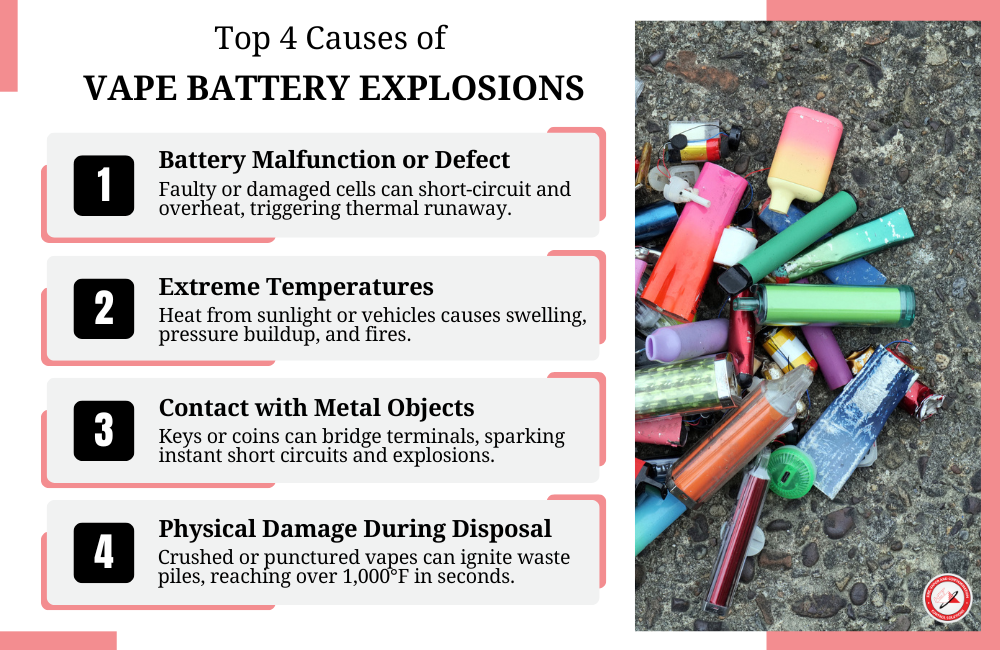
If your vape exhibits a delayed start and then proceeds to keep firing for two, three, or four seconds after you have taken your mouth off the tip, the pneumatic switch is failing to release. Trapped e-liquid or internal corrosion can prevent the membrane from snapping back to its resting state, leaving the circuit closed.
A vape device emitting vapor continuously without being drawn, possibly sitting on a non-flammable surface, indicating auto-firing or lingering fire.
This lingering fire can quickly scorch your organic cotton wick, overheat the heating element, and drive up temperatures around the internal lithium-ion battery. If you notice your device:
- Firing on its own while sitting on a table (auto-firing),
- Hissing persistently after you complete your puff, or
- Becoming uncomfortably hot to the touch around the lower casing,
stop using it immediately. Remove the pod if it is a modular kit, place the device on a non-flammable surface away from soft furnishings, and allow it to discharge completely. Never attempt to charge or use a device with a compromised, stuck sensor, as liquid damage inside the circuitry can escalate into an internal short.
Final Thoughts: Keeping Your Vape Responsive
A delayed vape ruins what should be a smooth, effortless experience. In nine out of ten cases, that annoying pause is caused by basic condensation pooling over the internal pressure switch or pocket lint restricting your airflow intake.
By taking two minutes every few days to swab the connection bay with a clean cotton bud, ensuring your air paths are clear, and keeping your battery topped up, you can eliminate vape delayed firing and keep your kit pulling cleanly on every draw. If your device continues to lag despite a thorough clean, or if it shows any signs of continuing to fire after you stop inhaling, retire it safely and switch to fresh hardware to ensure your daily sessions remain reliable and hassle-free.



 UMIN SLICK PLUS 10000
 ALIBARBAR INGOT 9000
 IGET BAR PRO 10000
 IGET ONE 12000
 IGET BAR PLUS S3 10000
 IGET BAR PLUS S3 POD 10000
 IGET MOON K5000
 GEEK BAR PULSE X 25000