











Condensation or E-Liquid Leak? How to Tell the Difference
Picture this: you have just settled down on the veranda after a long, busy day. The evening breeze is cool, the sky is painted in soft shades of amber and mauve, and you reach for your favourite vape to unwind and savour the quiet moment. But as you take a draw, you feel a tiny drop of moisture on your lip, or perhaps you hear a strange gurgling sound from the mouthpiece.
Instantly, the relaxed atmosphere is interrupted by a wave of annoyance. Is your device broken? Is the e-liquid leaking everywhere, or is it just a bit of harmless, natural condensation?
For anyone who enjoys the simple pleasure of a smooth vape, understanding what is happening inside your device is key to keeping your sessions peaceful. Let’s take a look at how to tell the difference between condensation and a genuine leak, so you can solve the issue quickly and get back to your relaxing arvo.
The Quick Diagnostic: Is It Condensation, Spitback, or a Real Leak?
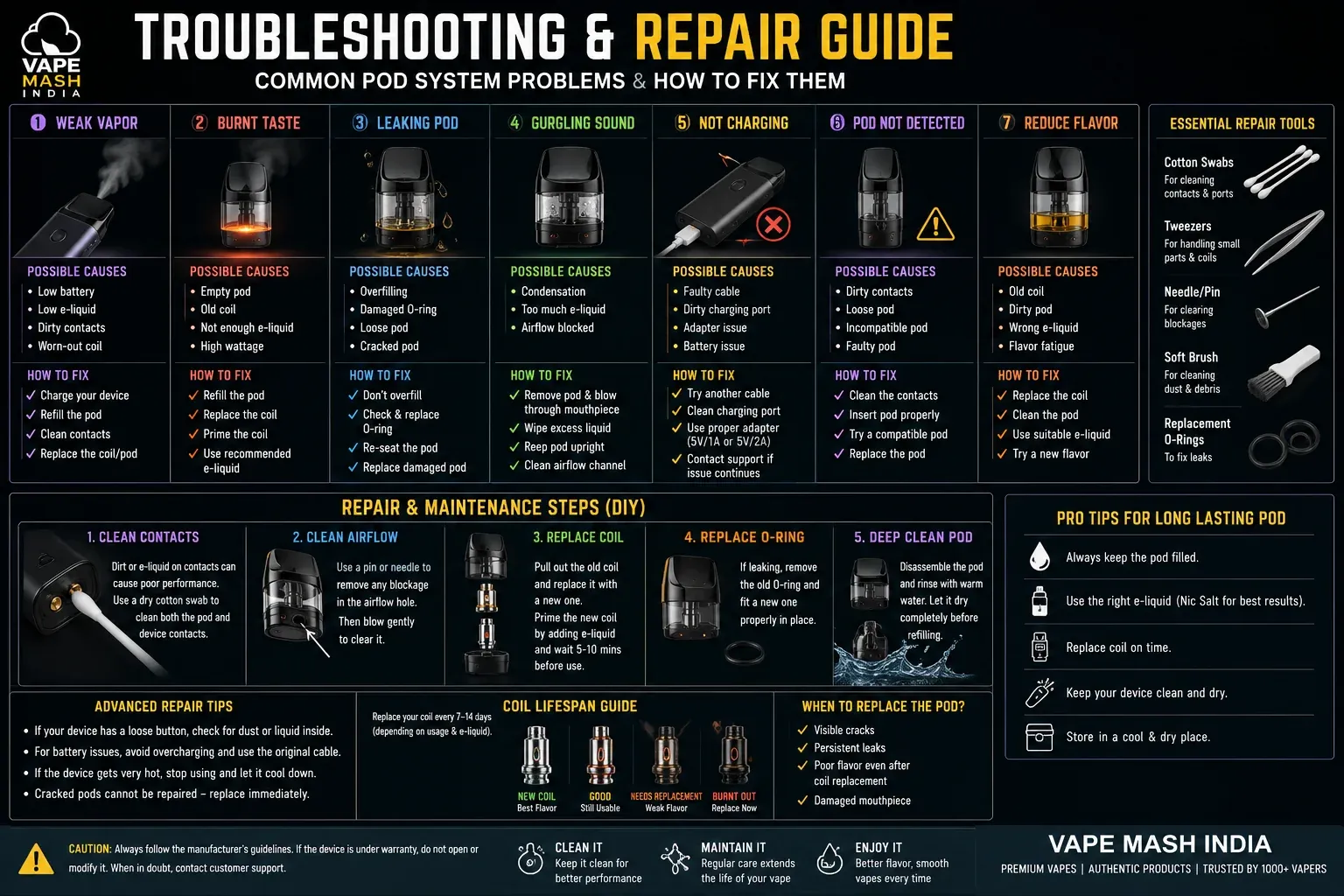
A close-up or diagram of a vape coil with an oversaturated cotton wick, illustrating coil flooding.
When you notice moisture on your device, you do not want to wade through a massive instruction manual to figure out what is wrong. To make things simple, we have put together a quick, easy-to-use diagnostic comparison. This will help you identify exactly what you are dealing with in just a few seconds.
| Symptom | Primary Location | Liquid Texture & Appearance | Common Sound | The Quick Fix |
|---|---|---|---|---|
| Vapour Condensation | Inside the tip of the mouthpiece | Thin, watery, clear, or very lightly tinted | None (quiet draw) | Twist a piece of clean tissue paper and clear the airway. |
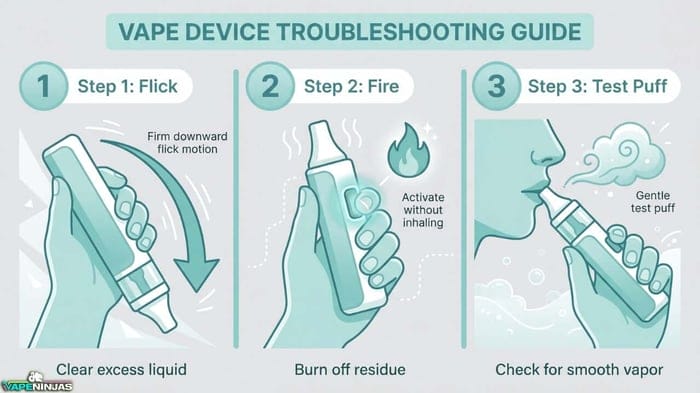
| Coil Spitback / Flooding | Deep inside the chimney or entering the mouth | Warm, sweet, thick, and highly concentrated | Crackling, bubbling, or sharp popping | Gently flick the vape downward to clear excess liquid, or take lighter draws. |
| Genuine E-Liquid Leak | Outer seams, airflow holes, or battery base | Sticky, thick, strongly coloured, and heavily scented | Gurgling, whistling, or airy | Wipe down the device, check the seals, store upright, or replace if damaged. |
What Causes Vapour Condensation in Your Vape Mouthpiece?
Just like steam on a cold bathroom mirror, vapour condensation is a completely natural physical reaction. When you inhale, warm vapour travels up through the internal chimney of your device. Once you finish your draw, a tiny amount of leftover vapour remains trapped inside the cool plastic or metal mouthpiece.

Steam condensing on a cold bathroom mirror, illustrating the physical reaction of vapor condensation.
As this lingering vapour cools down to room temperature, it transitions from a mist back into tiny water-like droplets. Over several hours, these microscopic droplets gather together on the inner walls of the drip tip. This is not a manufacturing error or a sign of a faulty device; it is simply what happens when warm air meets a cooler surface.
If you are using a sleek, well-crafted disposable device like the Iget Moon K5000, the airflow pathway is designed to keep vapour delivery incredibly smooth. However, even the best-engineered devices will experience minor condensation from time to time, especially on chilly winter mornings or in air-conditioned rooms.
How to spot condensation:
- The moisture is confined entirely to the inner rim of the mouthpiece.
- It looks like clean, clear water droplets rather than thick, sticky syrup.
- It does not smell strongly of your e-liquid flavour until you get right up close.
- There is no sticky residue on your hands or the outside of the device body.
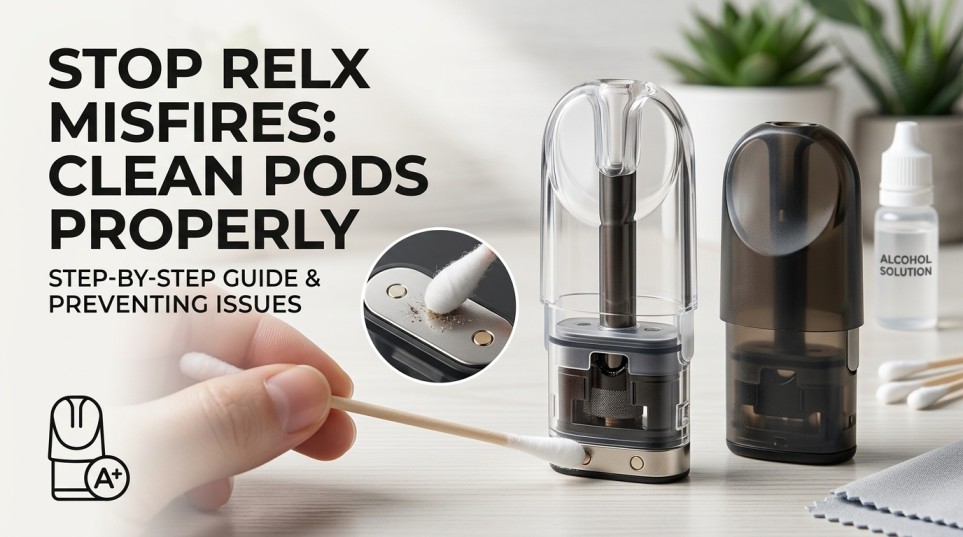
Clearing condensation is as easy as it gets. Simply roll up a small piece of paper towel or a cotton bud, slide it gently into the mouthpiece, and spin it around once or twice. It will absorb the moisture instantly, leaving your path clear for a fresh, clean draw.
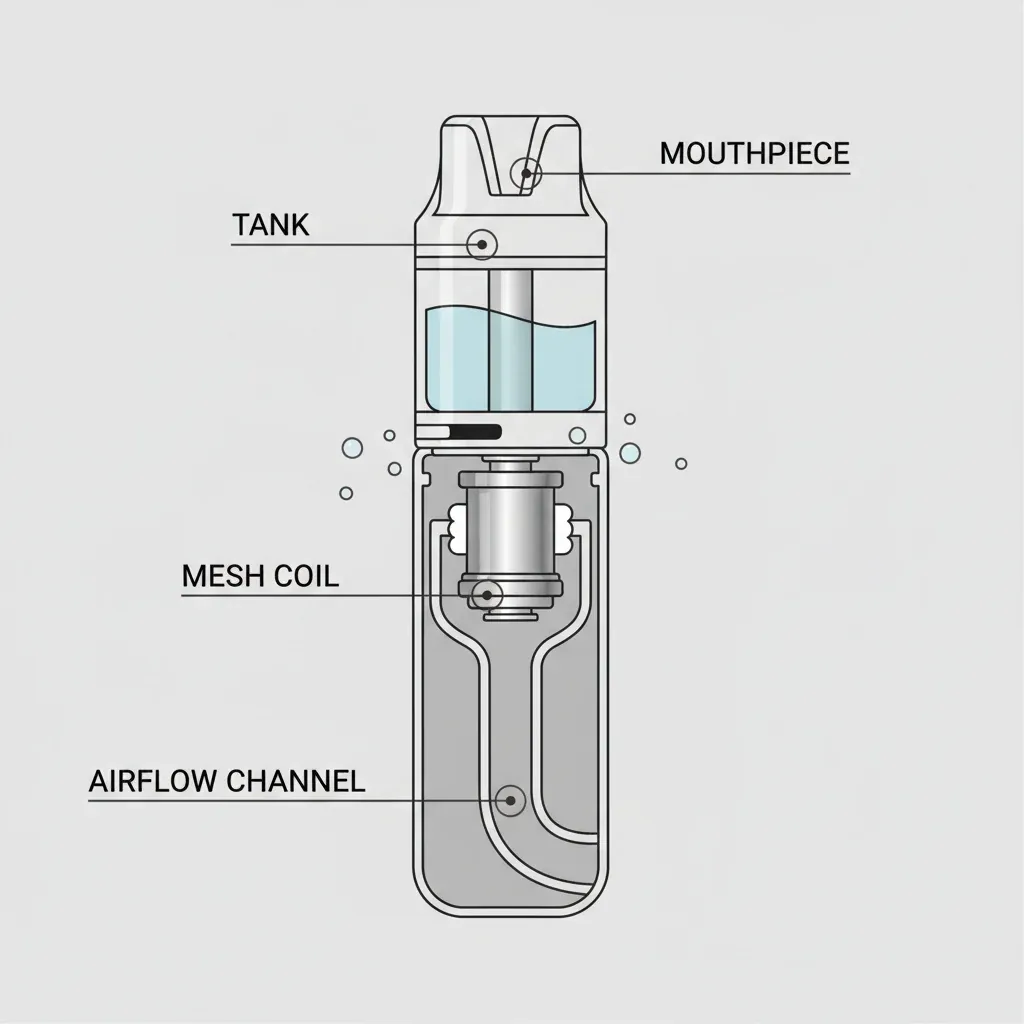
An illustration comparing a vape device stored upright versus being laid horizontally on a surface.
Understanding Spitback and Flooded Vape Coils
If you have ever taken a puff and felt a sudden, hot drop of sweet liquid hit your tongue, accompanied by a sharp popping sound, you have experienced spitback. While it can feel like a leak, spitback is actually a different issue altogether, known as coil flooding.
Spitback occurs when the absorbent cotton wick inside your vape becomes oversaturated with e-liquid. Instead of vapourising the liquid smoothly when you press the button or draw on the mouth-activated sensor, the heating coil boils the excess liquid. This causes it to crackle, pop, and spit warm droplets directly up the chimney.
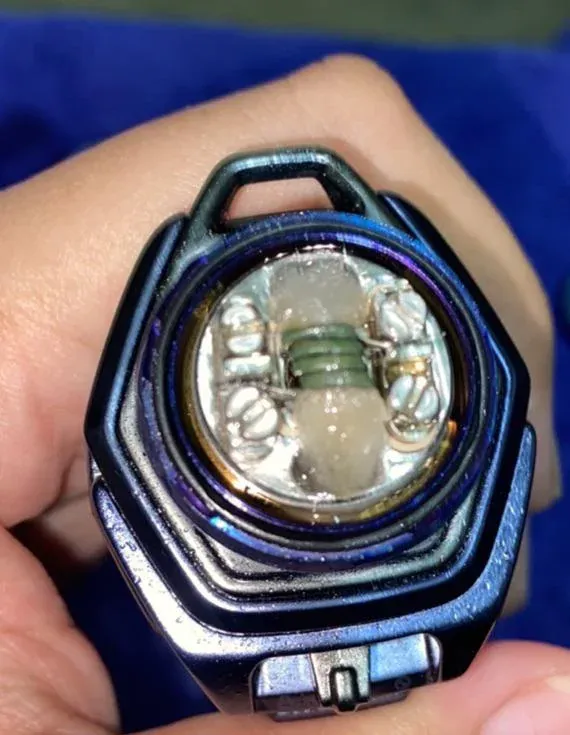
A vape device with thick, sticky e-liquid residue coating its exterior, pooling around airflow holes.
A few common behaviours can cause your coil to flood:
- Drawing too aggressively: Pulling on your vape like you are drinking a thick milkshake draws raw e-liquid out of the reservoir and into the coil chamber faster than the heater can vapourise it.
- Low battery power: If your battery is running low, it might not supply enough heat to fully vapourise the liquid on the wick, leaving a heavy pool of oil behind.
- Chain-vaping: Taking puff after puff without giving the heating element a brief moment to rest can disrupt the pressure balance inside the pod.
To prevent this from interrupting your quiet moments, try adjusting your drawing style. A slow, steady, and gentle pull is all it takes to enjoy a rich flavour profile without overwhelming the coil. If your current device feels like it is constantly struggling to keep up with power delivery, upgrading to a high-capacity system with smart power management, such as the Umin Slick Plus 10000, can help maintain a perfectly balanced heat-to-liquid ratio.
How to Spot and Handle a Genuine E-Liquid Leak
While condensation is a minor detail and spitback is a temporary annoyance, a genuine e-liquid leak is a different story. A real leak means that the structural barrier holding your e-liquid inside the reservoir has failed, allowing the liquid to escape into places it should never be.
An actual leak is easy to identify because it is messy. You will notice a thick, sticky residue coating the outside of your device, pooling around the airflow inlet holes, or worst of all, seeping into the battery compartment at the base. Because e-liquid is made with vegetable glycerin and propylene glycol, it will not evaporate like water. If you leave it alone, it will remain sticky and attract pocket lint, dust, and dirt.
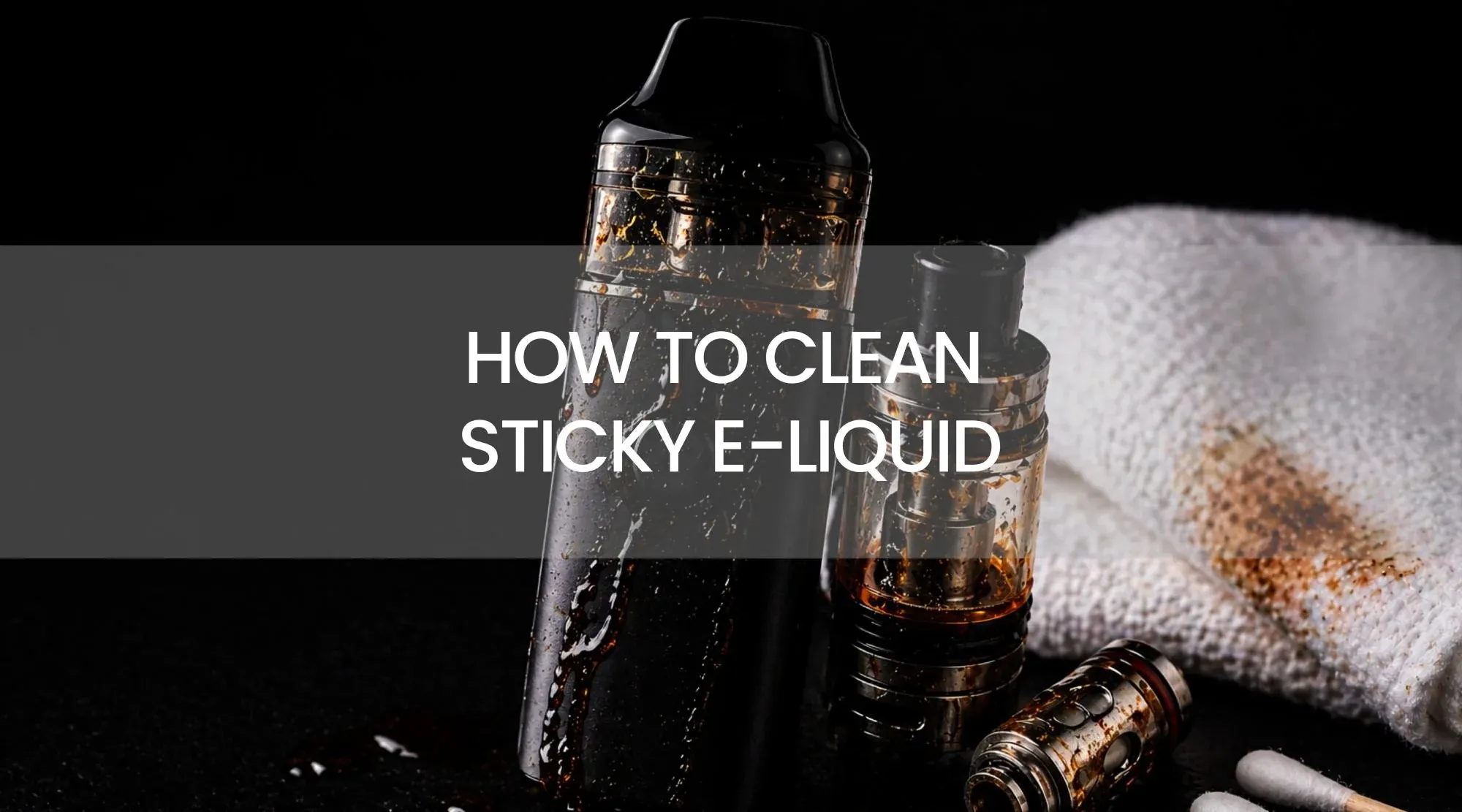
A hand using a cotton swab to clean condensation from the mouthpiece of a vape device.
The hazards of a true leak:
- Battery damage: If e-liquid makes its way into the battery compartment or the USB-C charging port, it can cause the internal microchips to short-circuit. This can lead to your device failing completely or, in rare cases, auto-firing on its own.
- Loss of flavour and pressure: A leak means the airtight seal inside the pod has been broken, which destroys the draw resistance and leaves your vapour feeling thin and airy.
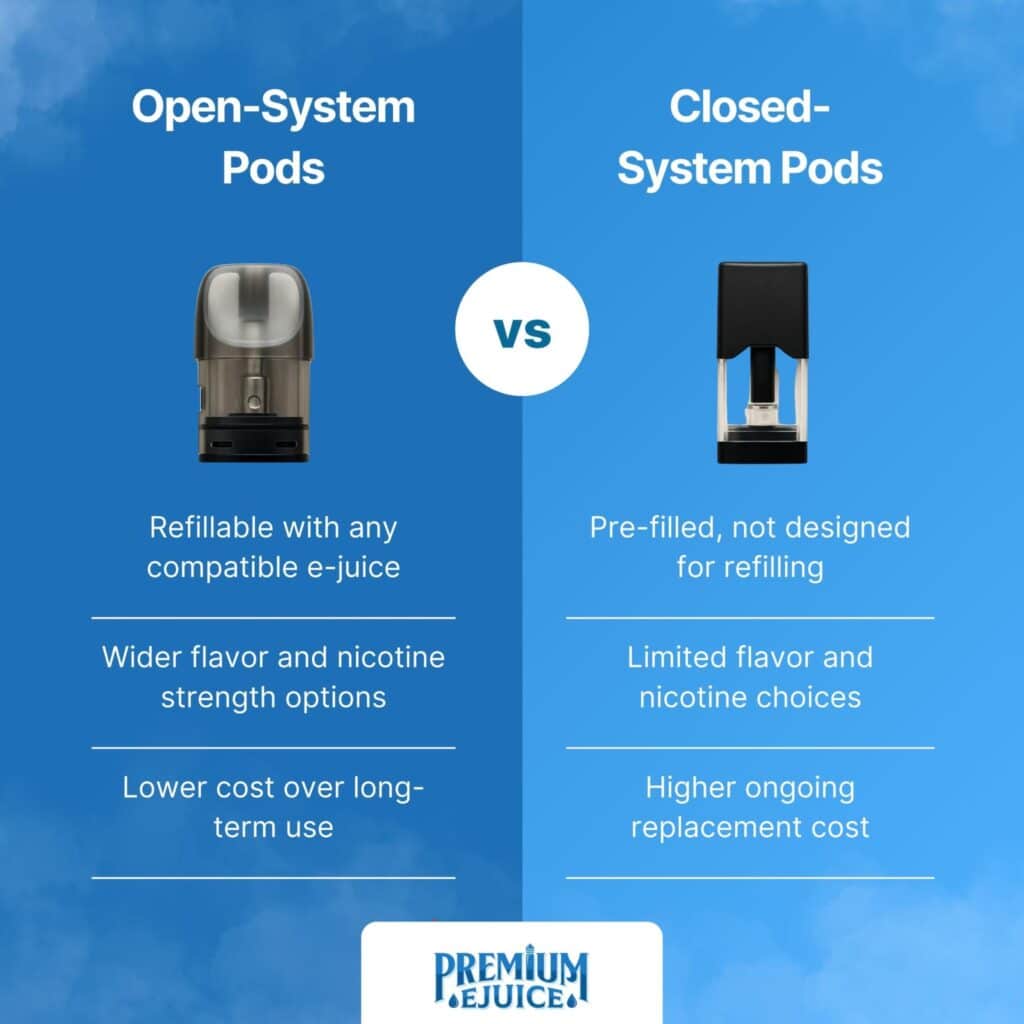
If you are using a modern, interchangeable pod system like the Iget Bar Plus S3 10000, it is always a good habit to lift the pod out of the device once every couple of days. Give the metal contact pins a quick wipe with a dry cloth. This ensures that any tiny droplets of leaked liquid are cleaned up before they have a chance to sink down into the sensitive electronic connections.
Practical Ways to Prevent Leaks and Keep Your Vape Dry
You do not need to be an expert technician to keep your vape running beautifully. By adopting a few simple habits, you can protect your device from leaks and keep your hands clean.
Store Your Vape Upright
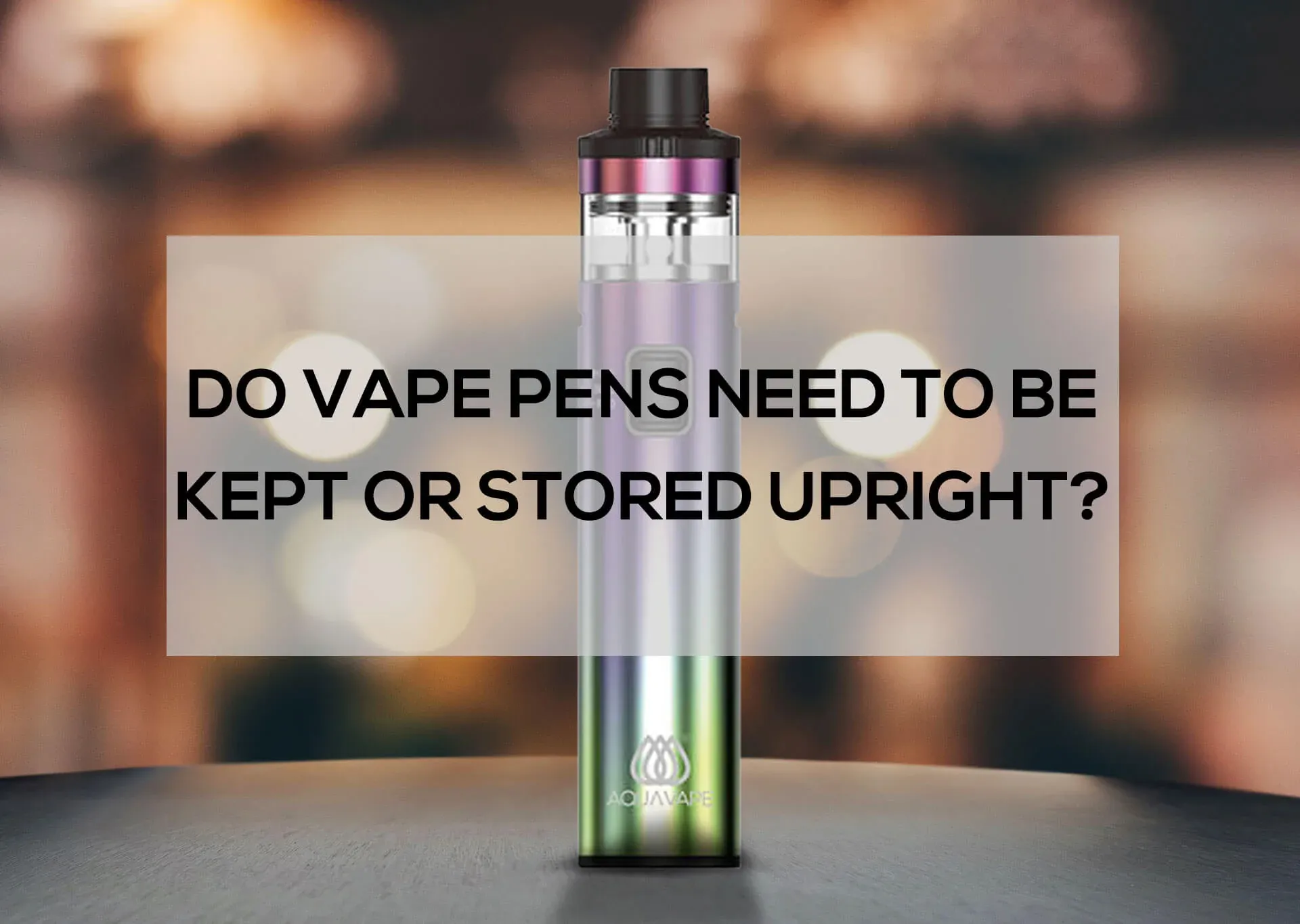
It is incredibly tempting to toss your vape onto the couch, leave it rolling around on the car seat, or lay it flat on your bedside table. However, when a vape is stored horizontally, gravity slowly draws the e-liquid through the airflow paths, bypassing the cotton wick and pooling in the mouthpiece. Always try to stand your device upright when you are not using it.
A diagnostic chart illustrating symptoms, locations, textures, sounds, and fixes for vape condensation, spitback, and e-liquid leaks.
Avoid Temperature Extremes
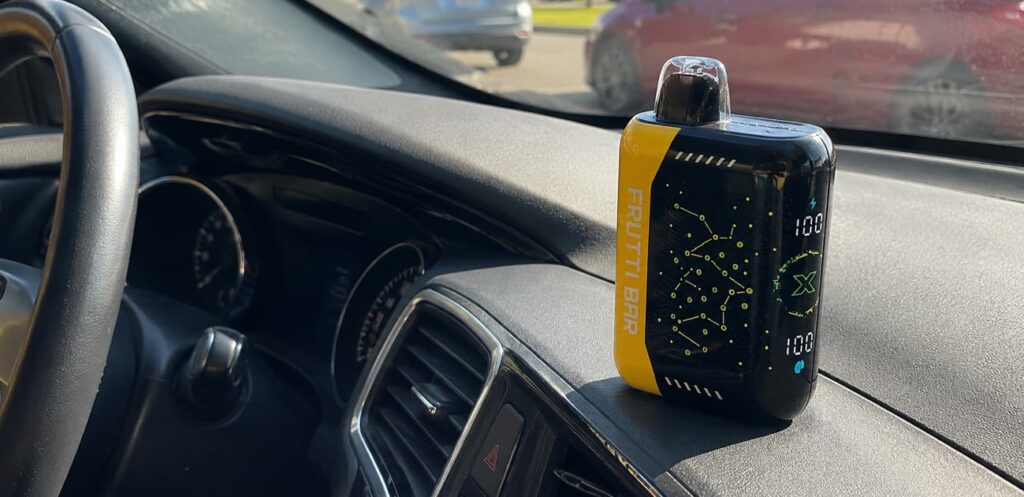
Leaving your vape on the dashboard of your car on a hot Australian summer day is a recipe for disaster. Extreme heat thins out e-liquid, reducing its viscosity until it becomes as runny as water. When this happens, the liquid easily slips past the silicone seals and floods out through the airflow vents. Keep your vape in a cool, shaded spot, away from direct sunlight.
Correct Your Inhalation Technique
Keep your draws smooth, relaxed, and long. Let the device do the work for you. A gentle draw allows the coil to heat up perfectly, turning every drop of e-liquid into a rich, aromatic cloud instead of pulling unvapourised liquid up into the mouthpiece.
When to Toss It: Signs Your Vape is Beyond Saving
Sometimes, despite your best efforts, a device is simply past its prime. If your disposable vape has suffered a major drop onto the pavement, the internal seals may have cracked, leading to a permanent, non-stop leak.
If you notice any of the following signs, it is time to say goodbye to your current device and select a fresh one:
- E-liquid is continuously flowing out of the bottom charging port or airflow holes, even after you have cleaned it thoroughly.
- The device begins auto-firing (making a hissing sound on its own without you drawing on it).
- The battery feels excessively hot to the touch during charging or use.
- You are experiencing a persistent, burnt taste that will not go away, indicating that the wick has dried out completely due to liquid loss.
When it is time for a replacement, be sure to dispose of your old device responsibly at a local e-waste or battery recycling point. Once that is sorted, you can move on to a fresh, reliable option designed to give you peace of mind and a flawless experience from the very first puff to the last.




 UMIN SLICK PLUS 10000
 ALIBARBAR INGOT 9000
 IGET BAR PRO 10000
 IGET ONE 12000
 IGET BAR PLUS S3 10000
 IGET BAR PLUS S3 POD 10000
 IGET MOON K5000
 GEEK BAR PULSE X 25000