











Why Is My Vape Spitting and Popping When I Inhale?
Imagine settling down on a balmy Saturday afternoon, the classic Australian sun painting the sky in warm shades of amber. You sink into your favourite outdoor chair, ready to enjoy a quiet moment with a smooth, flavourful vape. You take an inhale, expecting a velvet-like cloud of vapour, but instead, you are greeted by a sharp crackle, a sudden pop, and a tiny splash of hot e-liquid landing directly on your tongue.
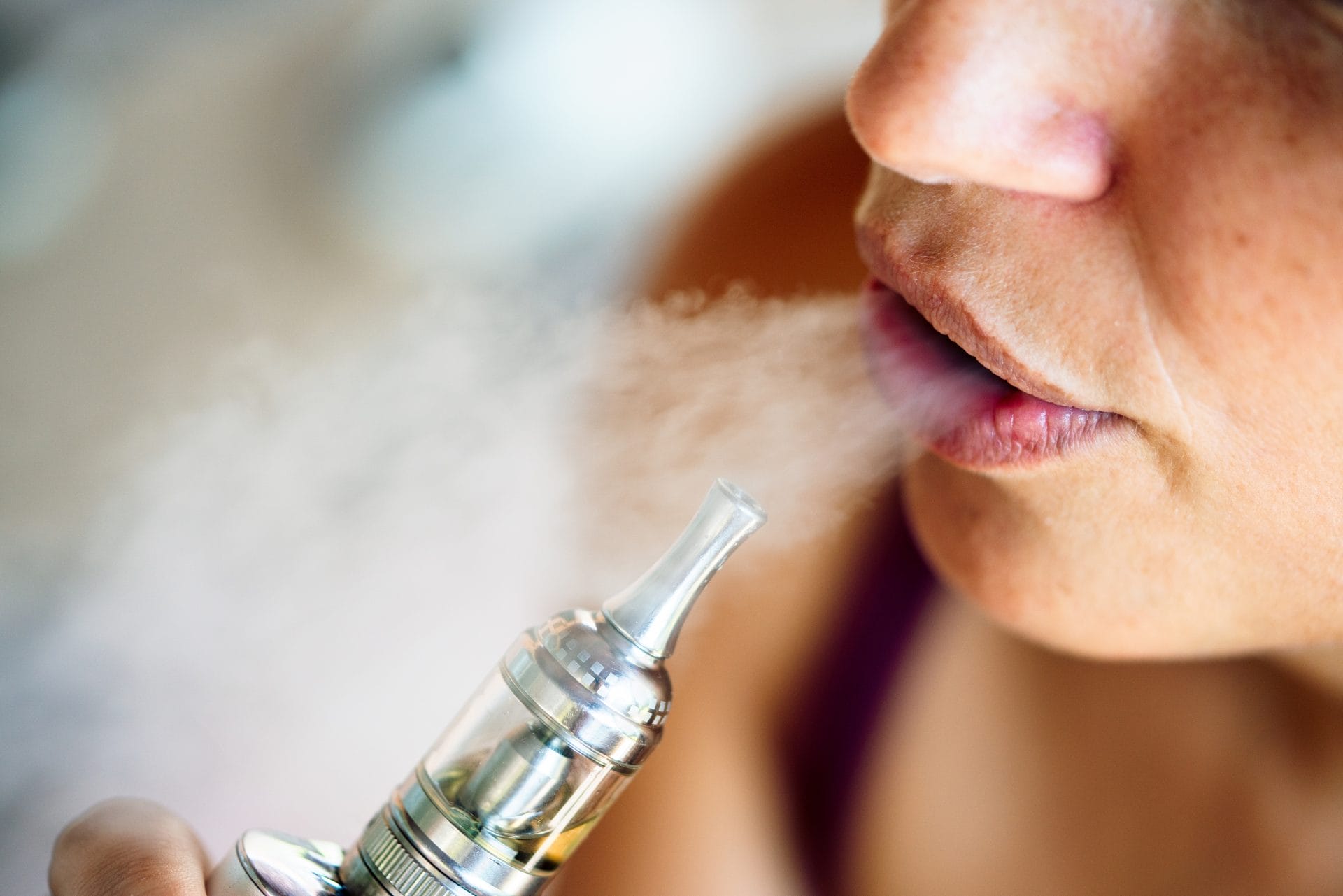
A split image or comparison showing a perfectly wicked vape coil with uniform cotton and intact O-rings on one side, and a coil with visible gaps or thin spots in the cotton on the other, illustrating good versus poor coil integrity.
It is an instant mood-killer. This frustrating experience is known as spitback, and it is one of the most common issues vapers encounter. While it might feel like your device is permanently broken, the reality is far simpler. Spitback is merely a small, physical hiccup in how your e-liquid is heating up. By understanding why your vape is spitting and popping, you can easily restore that peaceful, flavourful experience you look forward to.
The Science Behind the Spitback: Why Is It Happening?
To resolve the issue, we must first look at what is happening inside the heart of your device. At its core, every vape relies on a heating element—typically a metal coil—wrapped in an absorbent wicking material, usually cotton. Under normal conditions, this system works in perfect harmony: the cotton draws in just the right amount of e-liquid, and the coil heats up to vapourise it instantly into a smooth, satisfying mist.
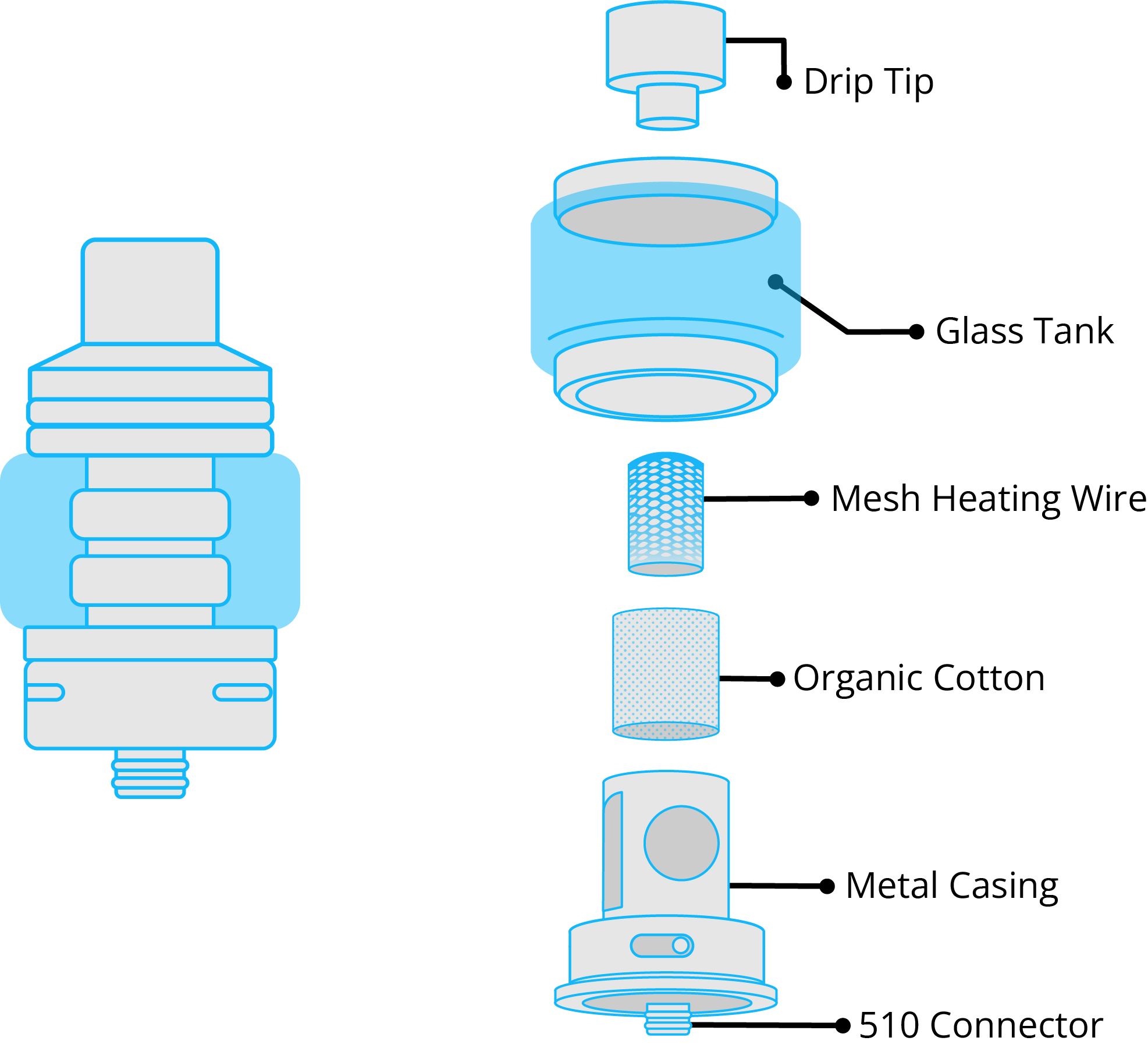
A detailed cross-section diagram of a vape atomizer, highlighting the heating coil, the surrounding cotton wicking material, and the path of e-liquid.
Spitback occurs when this delicate balance is disrupted and the coil becomes flooded with excess e-liquid. When there is too much liquid pooling on the heating element, it cannot vapourise cleanly. Instead, the excess liquid begins to boil unevenly.
Think of it like splashing water onto a hot frying pan coated in cooking oil. Instead of evaporating quietly, the water bubbles violently and splatters. In your vape, this uneven boiling causes miniature explosions of liquid on the coil's surface, shooting tiny, unvapourised droplets of hot e-liquid up through the chimney and straight out of the mouthpiece.

Water droplets violently splashing and sizzling on a hot frying pan coated in cooking oil, illustrating the chaotic boiling action of e-liquid during vape spitback.
Incorrect Wattage Settings: The Delicate Balance of Heat
One of the primary catalysts for this flooding is a mismatch in your device's power settings. If you are using a variable-wattage mod or an adjustable pod system, the relationship between the power you select and the resistance of your coil is incredibly important.
When you run your device at a wattage that is too low for your specific coil, the heating element does not reach the temperature required to vapourise the e-liquid efficiently. As you draw on the mouthpiece, more e-liquid is pulled into the cotton wick, but because the coil is underpowered, it cannot keep up. The liquid has nowhere to go, so it pools inside the chamber. The next time you press the fire button, this pooled liquid boils rather than vapourising, leading to loud pops and spitback.
On the other hand, setting your wattage excessively high can also cause issues. When the coil heats up too rapidly, it can cause the e-liquid to boil violently, resulting in sudden, loud crackles and spitting. Finding the sweet spot—specifically within the manufacturer’s recommended wattage range printed on the side of your coil—is crucial to ensuring every drop of liquid is vapourised smoothly and cleanly.
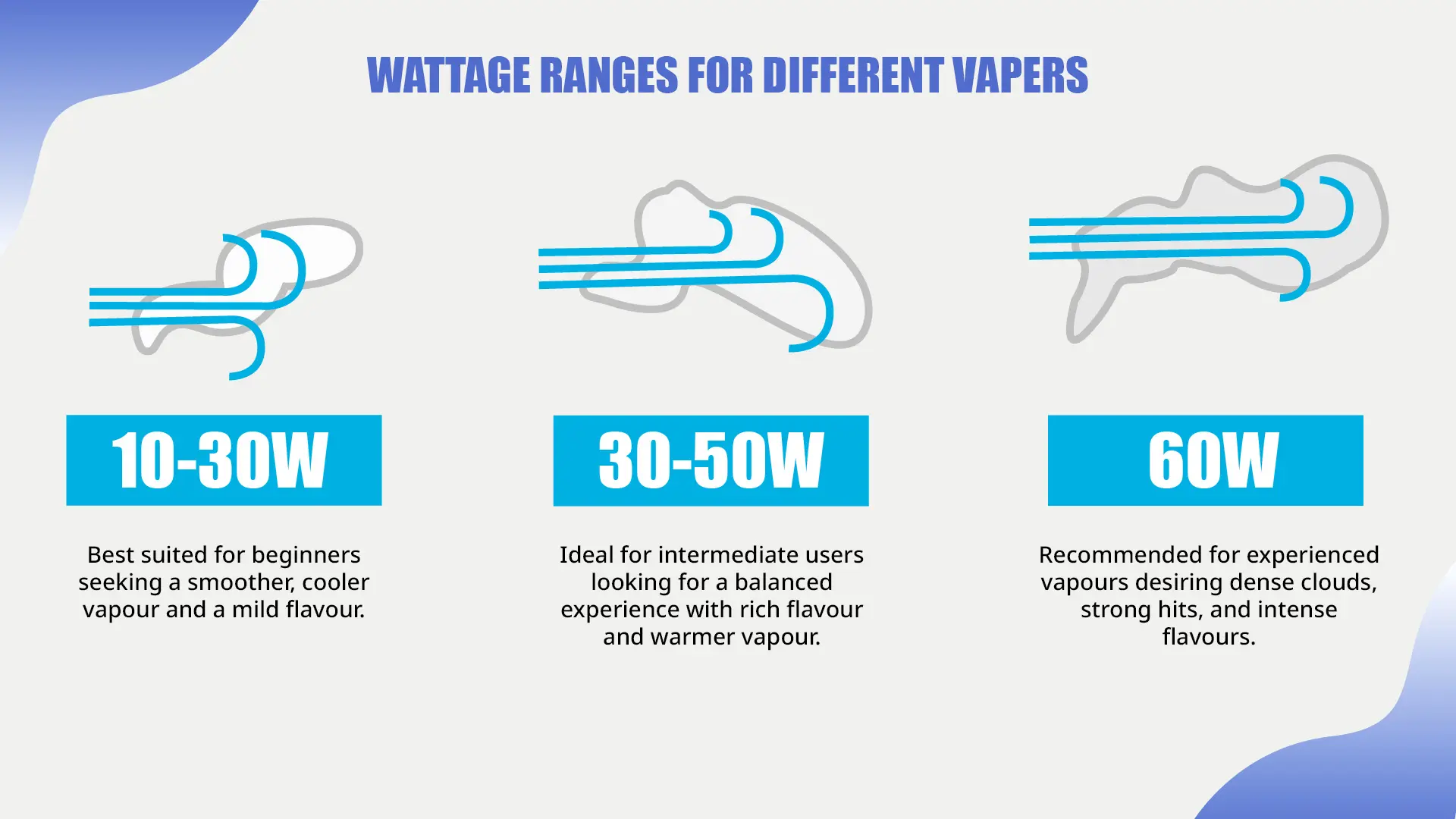
A close-up image showing a vape coil package with the manufacturers recommended wattage range clearly visible, next to a vape mod displaying the wattage within that optimal range.
Liquid Viscosity and Coil Design: A Delicate Partnership
The thickness, or viscosity, of your e-liquid plays an equally vital role in preventing spitback. E-liquids are crafted using a blend of Vegetable Glycerin (VG) and Propylene Glycol (PG). VG is a thick, sweet, and viscous liquid responsible for creating dense clouds. PG is much thinner and carries the flavour and throat hit.
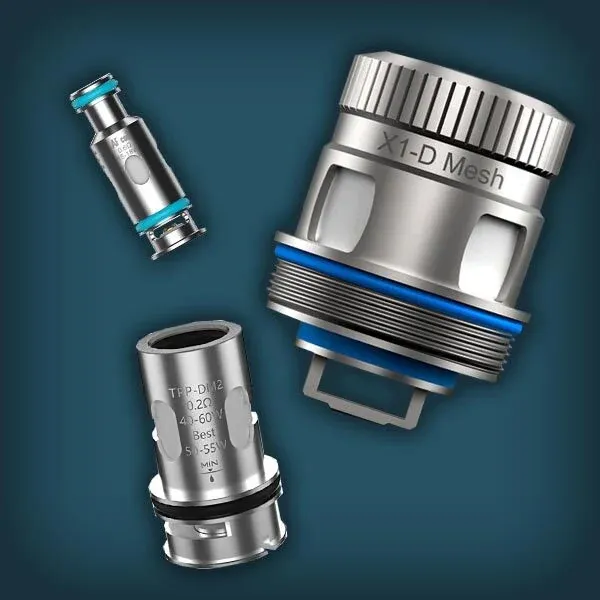
Different coils are engineered to handle specific liquid thicknesses. Large sub-ohm coils with generous wicking ports require thicker, high-VG e-liquids. Because these coils vapourise liquid rapidly at high power, they need a thick juice that wicks at a controlled pace. If you fill a sub-ohm tank with a thin, high-PG e-liquid, the runny liquid will rush through the wicking ports far too quickly, completely overwhelming the coil and causing instant flooding.
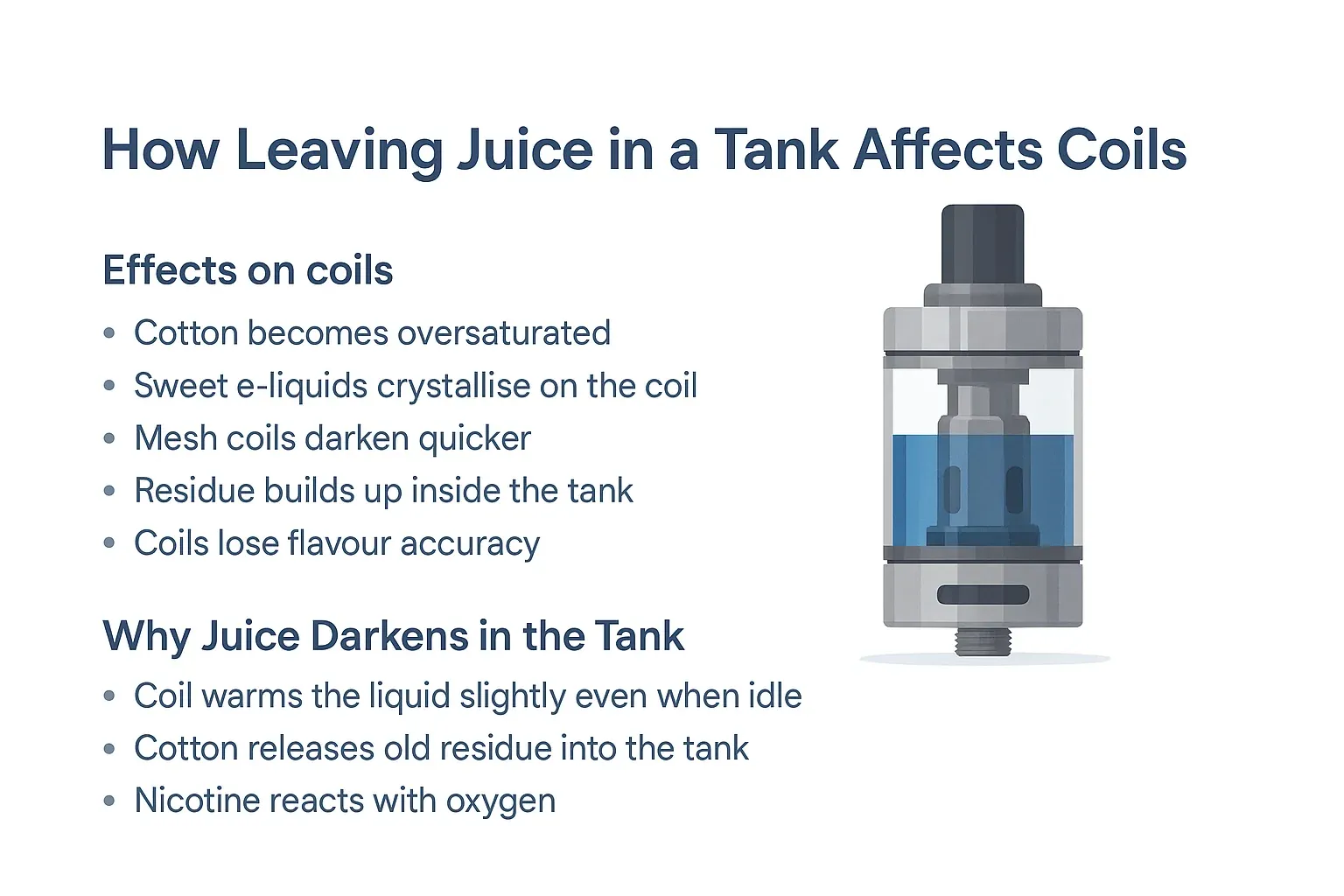
A large sub-ohm vape coil designed for high-power vaping, positioned beside a bottle of thick, high-VG e-liquid, illustrating the proper viscosity match for this coil type.
Conversely, smaller mouth-to-lung (MTL) pod systems are designed for thinner, balanced e-liquids (typically around a 50/50 VG/PG ratio). Using a thick, high-VG liquid in these compact coils can lead to dry hits, but if the balance is off, or if you use an incorrect formulation, flooding and spitting are never far behind. Matching your liquid's viscosity to your coil's physical design is a simple yet highly effective way to keep your sessions clean and smooth.
Coil Integrity: The Importance of a Flawless Seal
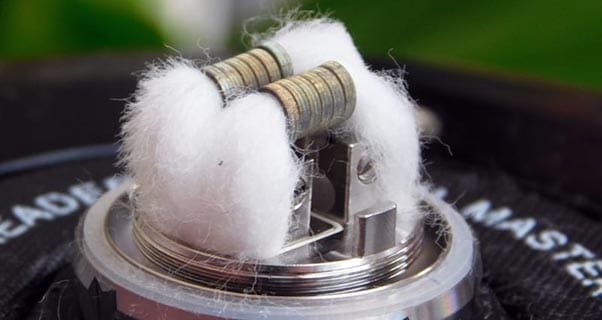
For those who prefer customisable or refillable setups, the physical state of your coil is another major factor to consider. When installing a fresh coil, it is essential to inspect the wicking material closely.
The cotton surrounding the heating wire must be perfectly positioned with no structural gaps or thin spots. If the cotton wicking has gaps, or if the coil is not fitted snugly into the base of the tank, e-liquid will find the path of least resistance. It will bypass the wicking barrier entirely and flood the inner chamber of the coil. Ensuring your coil is properly seated, all O-rings are intact, and the cotton wicking is uniform will help maintain the perfect barrier between the liquid reservoir and the heating element.
A person relaxing outdoors, visibly annoyed as their vape spits hot e-liquid onto their tongue during an inhale, set against a warm Australian sunset.
Elevating Your Experience with Modern, Stress-Free Devices
While understanding the technical side of coils and wattages is helpful, many vapers prefer a simpler, more relaxed approach to their daily routine. If you would rather avoid the hassle of customising settings, matching liquid ratios, and inspecting tiny cotton wicks, modern pre-filled and disposable systems offer an elegant solution.
These devices are beautifully engineered to remove the common pain points of traditional vaping. Because the coil, airflow, and e-liquid are calibrated together at the factory, the risk of coil flooding and spitback is almost entirely designed out.
For instance, the Iget Bar Plus S3 10000 is an exceptional example of modern vaping convenience. It features an advanced pre-filled design that ensures a perfectly regulated flow of liquid to the heating element, delivering a consistently smooth, pop-free draw from the very first puff.
If you are looking for something compact, incredibly stylish, and designed to fit effortlessly into your lifestyle, the Iget Moon K5000 is another superb choice. Its refined airflow system and stable power output work in harmony to keep your vapour smooth and delicious, completely free from the annoyance of hot spitback.
By opting for these highly reliable, factory-calibrated systems, you can spend less time troubleshooting and more time enjoying your favourite flavours. You can explore a wide range of these premium, spitback-resistant options at vapesunset.com, where finding a smooth, high-quality experience is always easy.
Comparing Setup Specs: How Device Choice Influences Spitback
To help you visualise how different device types and configurations impact your vaping experience, we have put together a quick reference guide below.
| Device & Coil Type | Ideal E-Liquid Viscosity | Recommended Power Range | Spitback Risk Level | Best Practice to Avoid Flooding |
|---|---|---|---|---|
| Sub-Ohm Coils (Low Resistance) | High VG (70% VG or above) | High Wattage (40W – 100W+) | Moderate to High (if wattage is too low) | Keep wattage within the coil's recommended range; avoid thin liquids. |
| Mouth-to-Lung (MTL) Pods | Balanced (approx. 50% VG / 50% PG) | Low Wattage (10W – 20W) | Low | Ensure the coil cotton has no structural gaps; do not draw too aggressively. |
| Modern Pre-filled Systems | Optimised Factory Blend | Smart Auto-Adjust (Fixed) | Very Low | Choose devices with integrated mesh coils and stable power outputs. |
Creating the Perfect, Crackle-Free Vaping Ritual
Vaping should be a relaxing, sensory experience—a quiet moment in your busy day to enjoy rich flavours and a satisfying, smooth draw. Dealing with a spitback issue can easily ruin that atmosphere, but as we have explored, the solution is always within reach.
By simply ensuring your wattage is matched to your coil, choosing the right e-liquid viscosity, and keeping an eye on your coil's physical fitment, you can completely banish those annoying pops and crackles. And if you prefer a lifestyle free from technical maintenance, upgrading to a well-engineered, modern pre-filled system is the ultimate way to guarantee a smooth, reliable draw every single time.
Take a moment to look over your setup, adjust your settings, or treat yourself to a more reliable device. Here’s to many peaceful, flavourful, and crackle-free sessions ahead.



 UMIN SLICK PLUS 10000
 ALIBARBAR INGOT 9000
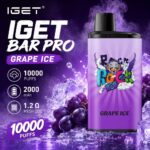 IGET BAR PRO 10000
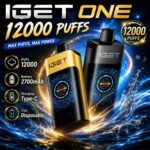 IGET ONE 12000
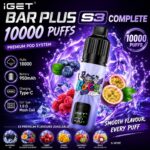 IGET BAR PLUS S3 10000
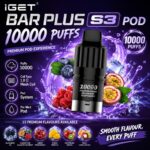 IGET BAR PLUS S3 POD 10000
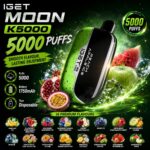 IGET MOON K5000
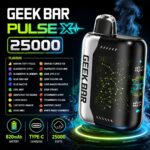 GEEK BAR PULSE X 25000