











Why Does Your Disposable Vape Taste Burnt with Puffs Left? (2026 Guide)
There is nothing quite as frustrating as taking a draw from a device that should have plenty of life left, only to be met with a harsh, acrid sting at the back of your throat. When your disposable vape tastes burnt, burnt vape taste, disposable vape problems often feel like a total mystery—especially when the indicator light insists there is battery life remaining or the device is only a day or two old.
While modern disposables are designed to be plug-and-play gadgets, their internal mechanisms still rely on the delicate balance of heat, airflow, and liquid saturation. If that balance is disrupted, your vaporiser can deliver a dry or scorched hit long before the internal reservoir is truly empty. Whether you are someone tracking your daily intake—perhaps wondering Is 4 Puffs Of A Vape A Day Bad—or a regular adult vaper dealing with unexpected hardware issues, understanding why this happens can help you save money and protect your palate.
Below, we break down the mechanics behind burnt hits, explore the root causes of premature coil failure, and provide safe, practical steps to troubleshoot your device.
The Mechanics Behind a Burnt Vape Taste: How Coils and Wicks Work
To understand why a vape tastes scorched, it helps to know what is happening beneath the plastic or aluminium casing. Every disposable vape contains three fundamental components for vaporisation:
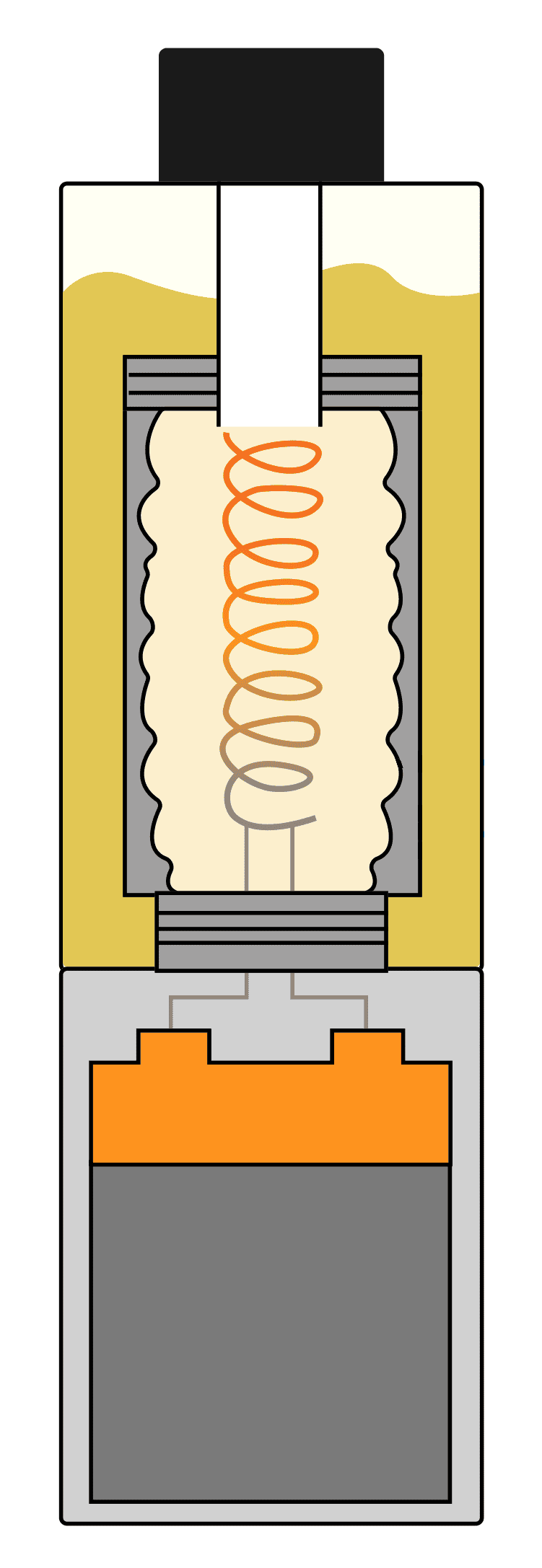
Diagram illustrating capillary flow of e-liquid from a reservoir through the cotton wick to the hot coil in a vape.
- The Battery: A compact lithium-ion cell that supplies electrical power.
- The Heating Element (Coil): Typically a small wire or mesh grid that heats up rapidly when power is applied.
- The Wick: A fibrous, absorbent material (almost always organic cotton or specialised synthetic fibres) wrapped around or nested against the coil, which draws e-liquid from the storage reservoir.
When you take a puff, the battery activates the coil, heating the liquid held inside the saturated wick until it turns into an inhalable vapour.
A burnt hit occurs whenever the heating element gets hot while the wick is dry or under-saturated. Instead of vaporising liquid, the coil's thermal energy burns directly into the dry cotton fibres. If the cotton is only momentarily dry, you get a harsh, sharp sensation known as a "dry hit". If the cotton actually scorches and chars, the acrid flavour permanently infuses every subsequent puff, rendering the device virtually unusable regardless of how much liquid remains in the tank.
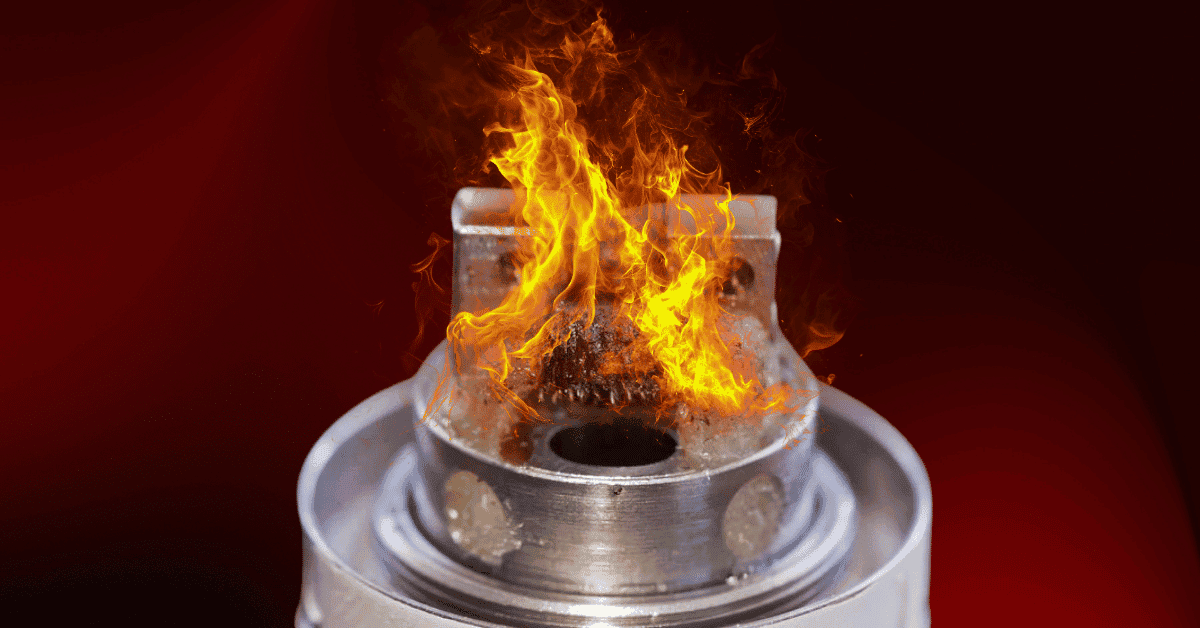
Close-up image of a severely burnt and charred vape coil and cotton wick.
Common Disposable Vape Problems That Cause a Burnt Flavour
When an otherwise working device suddenly delivers a terrible taste, one of several common disposable vape problems is usually at play.
- HOW WICK STARVATION HAPPENS
- Liquid Reservoir — == (Capillary Flow) ==> — Cotton Wick — ==> Hot Coil
-
- If Liquid Flow < Coil Vaporisation Rate → Wick Dries Out → BURNT HIT
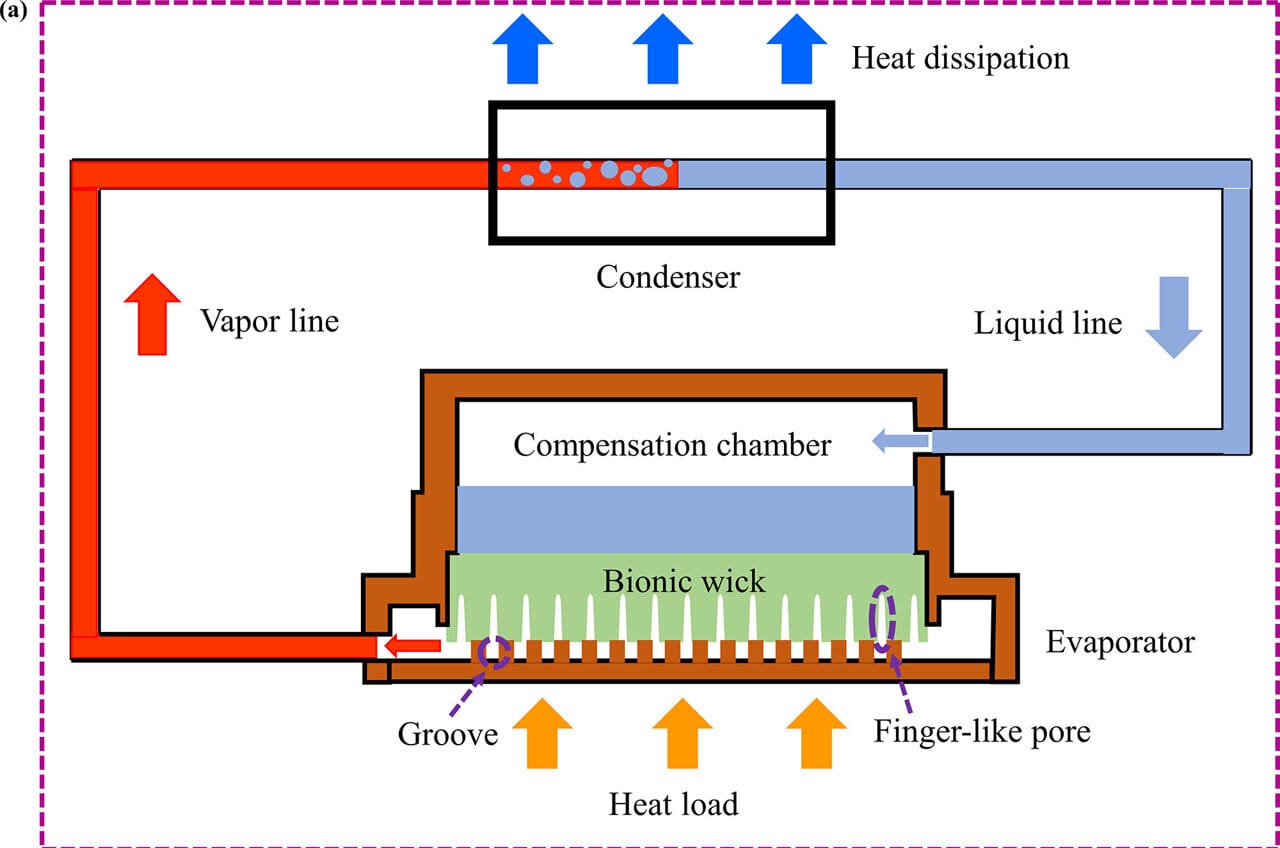
Diagram showing the internal components of a disposable vape, including the battery, heating element (coil), and wick.
1. Chain Vaping and Rapid Puffs
The most frequent culprit behind a premature burnt taste is taking rapid, successive puffs without giving the internal wick time to re-saturate. Capillary action pulls liquid through dense cotton at a steady, natural pace. If you take multiple long draws in a matter of seconds, the heating coil vaporises e-liquid faster than the wick can absorb replacement juice from the reservoir. The cotton dries out in seconds, leading to a scorched hit.
2. Air Pockets and Poor Liquid Settling
Disposables spend weeks in transit, shipping boxes, and pockets, often resting horizontally or completely upside down. When a device sits on its side, the e-liquid inside settles away from the coil's intake ports. This creates small air bubbles around the wick. If you take a hit while an air bubble is trapped against the heating element, the coil fires against dry cotton.
3. Firing Immediately After Charging
Many rechargeable disposables support USB-C top-ups. However, plugging a disposable into a fast-charging wall adaptor can briefly generate residual internal heat. If you pick up the vape and take a long draw immediately after unplugging it, the combination of a freshly charged battery and elevated coil temperatures can instantly scorch a partially saturated wick.
4. Thick E-Liquid and High-Capacity Chambers
Modern high-capacity devices, such as the Alibarbar Ingot 9000 Ribena or the rich-flavour Alibarbar Ingot 9000 Black Forest, house substantial reservoirs designed to provide thousands of draws. In larger chambers, sweet flavourings and complex aromatic compounds can occasionally caramelise around the heating mesh over extended use. This residue (known as coil gunk) creates a dark, roasted undertone that mimics a burnt wick even when the e-liquid supply is plentiful.
Temporary Dry Hit vs Burnt Coil: Identifying the Difference
Not every harsh puff means your vape belongs in the bin. It is vital to distinguish between a temporary dry hit and a permanently charred coil.
| Characteristic | Temporary Dry Hit | Permanently Burnt Coil |
|---|---|---|
| Primary Cause | Wick temporarily starved of e-liquid due to fast vaping or air pockets. | Cotton wick physically scorched and charred by dry firing. |
| Flavour Profile | Thin, hot vapour with a sharp, dry scratch at the back of the throat. | Bitter, acrid, ash-like taste that overpowers all sweet flavour notes. |
| Visual / Scent Cue | Device may smell normal on the outside once it cools down. | Mouthpiece emits a lingering smoky, burnt smell even when idle. |
| Is It Reversible? | Yes. Can often be resolved with resting and primer draws. | No. Scorched cotton cannot un-burn; device must be replaced. |
| Recommended Action | Stand device upright for 10–15 minutes and take gentle draws. | Cease use immediately and dispose of the device responsibly. |
Why Your Disposable Vape Tastes Burnt and How to Fix It Safely
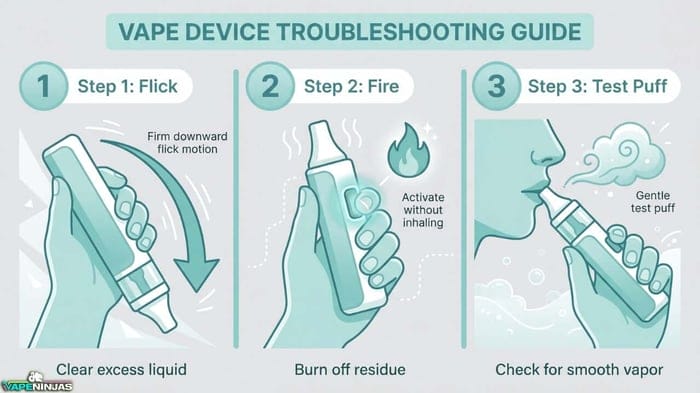
If your device is displaying a burnt vape taste, disposable vape problems of this nature can occasionally be remedied if caught before the wick is irreversibly charred. Follow these practical, safe troubleshooting steps:
Step 1: The Vertical Rest Method
If you have been chain vaping or carrying the device loosely in a bag, stand the vape completely upright on a flat surface for 10 to 15 minutes. This allows gravity to pull the remaining e-liquid down into the base of the reservoir, naturally forcing out any trapped air bubbles and soaking the wicking material around the coil ports.
Close-up image of a vape coil with visible dark residue and caramelized e-liquid buildup (coil gunk).
Step 2: Take Gentle Primer Draws
Before activating the coil, try taking a couple of gentle, brief draws while covering part of the bottom airflow hole with your finger (if applicable on your model), without triggering the auto-draw sensor aggressively. This creates slight negative pressure inside the chamber, drawing juice straight into the wick.
Step 3: Slow Down Your Pacing
To prevent repeat dry hits, adjust your vaping rhythm:
- Leave at least 15 to 30 seconds between draws.
- Keep individual puffs between 1.5 and 3 seconds rather than taking prolonged, deep pulls.
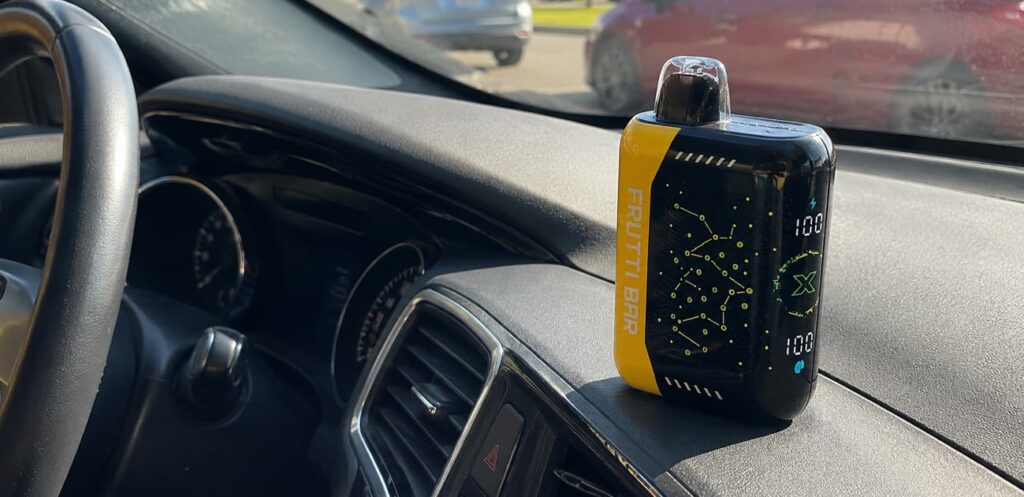
- Avoid vaping in extreme temperatures, as hot car interiors or freezing environments alter liquid viscosity and impede wicking.
What NOT to Do
- Never attempt to pry open sealed disposable hardware: Lithium-ion cells in disposables are sensitive and lack heavy protective casings. Piercing the battery or shorting internal wires poses serious fire hazards.
- Do not inject foreign liquids or tap water: Adding unverified liquids into a sealed wick system can ruin the coil entirely and produce toxic vapour.
Health, Safety, and Proper Disposal in Australia
Continuing to vape a device that produces a consistent burnt taste is unpleasant and inadvisable. When organic wicking fibres burn, they produce harsh thermal degradation products rather than clean vapour. Inhaling scorched particles can cause acute throat irritation, coughing, and headaches. If two or three gentle resting cycles do not restore the clean flavour of your e-liquid, the internal wick is permanently charred, and the unit should be retired.
Responsible Disposal in Australia
Because disposable vapes contain integrated lithium-ion batteries and electronic circuitry, they must never be thrown into standard household kerbside rubbish or recycling bins. Crushed batteries in council collection trucks present a significant fire risk.
To dispose of your spent device safely:
- Store the spent device in a cool, dry container out of reach of children and pets.
- Take your expired disposables to designated council e-waste drop-off locations or specialised battery recycling points (such as B-cycle drop boxes located at participating retailers across Australia).
- Check with your local municipal council for community recycling centres (CRCs) that accept small electrical appliances with integrated batteries.
Final Thoughts
A burnt-tasting vape does not always mean your device is empty, but it does mean the heating element is not receiving enough e-liquid. By resting your device upright, pacing your draws, and allowing the wick ample time to re-saturate between puffs, you can prevent dry hits and enjoy smooth, flavourful vapour all the way to the end of the tank. If the burnt taste persists despite resting, protect your throat, retire the device, and dispose of it safely at an approved recycling point.


 UMIN SLICK PLUS 10000
 ALIBARBAR INGOT 9000
 IGET BAR PRO 10000
 IGET ONE 12000
 IGET BAR PLUS S3 10000
 IGET BAR PLUS S3 POD 10000
 IGET MOON K5000
 GEEK BAR PULSE X 25000