













Why Does My Vape Keep Firing After I Stop Inhaling?
You finish taking a drag, lower the device from your lips, and hear a harsh, lingering hiss. The coil crackles away, warm vapour continues to drift from the tip, and the casing quickly turns hot in your hand. When your vape keeps firing after puff, it is easy to feel a jolt of panic. You are not drawing on it, yet the heating element acts as though your mouth is still firmly on the mouthpiece.
This persistent activation—widely known as vape auto firing—is one of the most frustrating and hazardous issues a vaper can encounter. Left unchecked, a device that continues to cook its own wick will burn through your coil, waste your juice, and create a real safety hazard. Whether you are dealing with a disposable vape firing by itself or trying to diagnose a finicky refillable pod, understanding why this happens and knowing how to kill the power immediately will keep you safe and save your gear.
What Causes a Vape to Keep Firing on Its Own?
Under normal conditions, your device relies on a straightforward mechanism to know when to deliver power. In draw-activated hardware, an internal pneumatic switch detects the negative pressure created when you inhale. In button-fired mods, a tactile mechanical switch completes the circuit when pressed. When your vape keeps hitting after stop, that trigger mechanism has failed to release.
Several distinct mechanical and physical faults can prompt this behaviour:
1. Condensation and Fluid Around the Sensor
By far the most common culprit behind an auto draw vape problem is stray fluid. During regular use, atomised vapour naturally cools and condenses inside the airway. Over time, or following a minor tank leak, drops of e-liquid find their way into the underlying battery chassis. If fluid coats the delicate membrane of the airflow sensor, surface tension can hold the switch in the "open" position long after your breath has stopped pulling air through the chamber.
2. A Stuck Mechanical Switch
If you use a device with a manual fire button, physical debris or sticky fluid can foul the switch housing. Pocket lint, dust, or dried droplets of vegetable glycerine work their way beneath the plastic button cap. Once pressed down, the internal spring mechanism struggles to pop back out, causing the device to deliver constant wattage to your coil.
3. Blocked or Turbulent Airflow Inlets
Vapour devices rely on clear air passages to equalise pressure the moment your draw finishes. If fluff, pocket grit, or sticky residue blocks the tiny inlet holes on the base or side of the chassis, the internal vacuum can linger longer than it should. When air cannot rush back in to rebalance the pressure chamber, the sensor assumes you are still inhaling. If you have noticed odd sounds prior to this fault, reviewing guides on Why Is My Vape Whistling How To Fix can help you identify whether restricted airway dynamics are creating irregular pressure shifts in your kit.
4. Component Wear in Sealed Hardware
In high-capacity disposables designed to last through thousands of draws, prolonged internal exposure to heat and moisture takes a toll. The silicone seals and tiny diaphragm sensors inside sealed devices operate under constant thermal expansion and contraction, which can eventually cause mechanical fatigue in the switch.
Device-by-Device Troubleshooting: How to React Fast
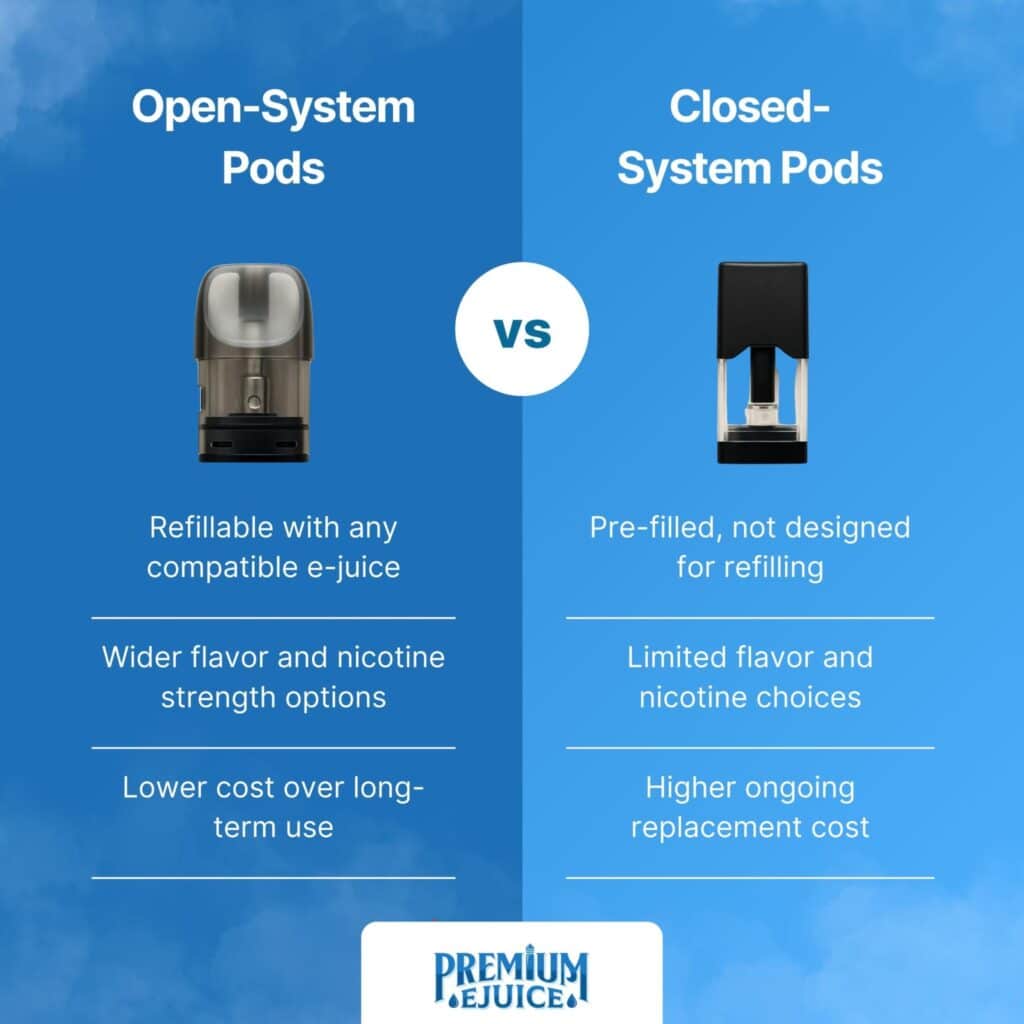
How you respond to an uncontrolled activation depends entirely on what sort of vape you hold in your hand. An open-system pod kit gives you immediate physical access to disconnect the coil, whereas a sealed disposable requires different tactics.
| Device Category | Primary Cause of Auto-Firing | Immediate Action to Take | Can It Be Saved? |
|---|---|---|---|
| Draw-Activated Disposables | Trapped moisture or jammed pneumatic sensor | Tap sharply, blow through intake, isolate outdoors if continuous | Rarely; usually unsafe to recharge or continue using |
| Refillable Pod Kits | Condensation pooling on gold contact pins | Pull the pod out immediately to break the circuit | Yes; dry housing and replace leaky pod |
| Button-Operated Box Mods | Sticky fire button or fluid in the 510 plate | Five-click shut-off or unscrew tank/remove batteries | Yes; clean switch assembly with isopropyl alcohol |
The Auto Draw Vape Problem: Dealing with Disposables
Hearing a disposable vape firing by itself is particularly unnerving because there is no detachable tank and often no physical power button to click off. If you pick up a modern device—such as an Alibarbar Ingot 9000 Ribena or an Alibarbar Ingot 9000 Black Forest—and notice that the indicator light stays on after a puff, you must act swiftly before the coil chars the internal wicking cotton.
Immediate Actions for Disposables
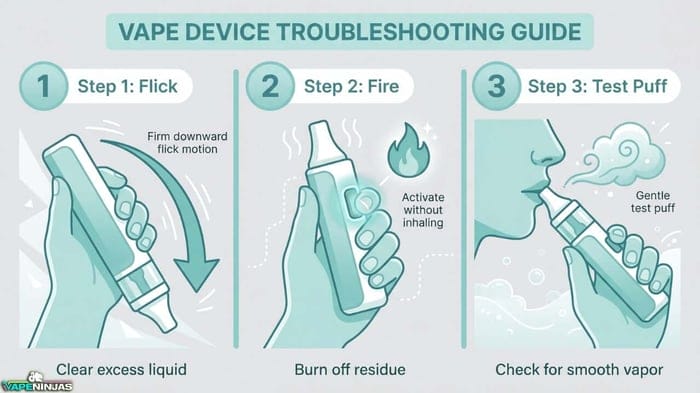
- Give it a Sharp Tap: Hold the disposable firmly and tap the base against the palm of your hand. If a miniature mechanical flap or pressure sensor has mechanically hung up, a light jar can sometimes free it.
- Blow Quickly Into the Airflow: Take a quick, sharp breath and blow backwards through the mouthpiece or the bottom airflow inlet. A reverse pulse of air can disrupt the partial vacuum holding the sensor open.
- Cover the Air Inlets: Place your thumb firmly over the bottom airflow hole. Depriving the coil of incoming air will occasionally alter internal pressure enough to reset the diaphragm.
- Disconnect the Charger Immediately: Never plug an auto-firing disposable into a USB wall adapter or computer. If the unit activates while connected to an external power source, disconnect the charging cable at once.
If these rapid steps fail and the disposable continues humming, hissing, and producing vapour, the internal circuitry has experienced a critical hardware failure. Do not keep putting it to your mouth, and do not shove it back into your jeans pocket or a bag.
Triage for Pod Systems and Box Mods
If your vape keeps hitting after stop on a modular kit, your options are far more straightforward, and your chances of saving the device are significantly higher.
For Pod Systems
The moment your pod kit refuses to stop sizzling:
- Yank the Pod: Grab the plastic pod cartridge and pull it free from the battery housing. Because the battery pins can only transfer current when in direct physical contact with the coil base, removing the pod breaks the circuit instantly.
- Inspect the Battery Cavity: Look down into the empty recess where the pod sits. You will almost certainly spot a film of golden e-liquid pooling around the spring-loaded brass pins and the tiny rubber-ringed sensor hole.
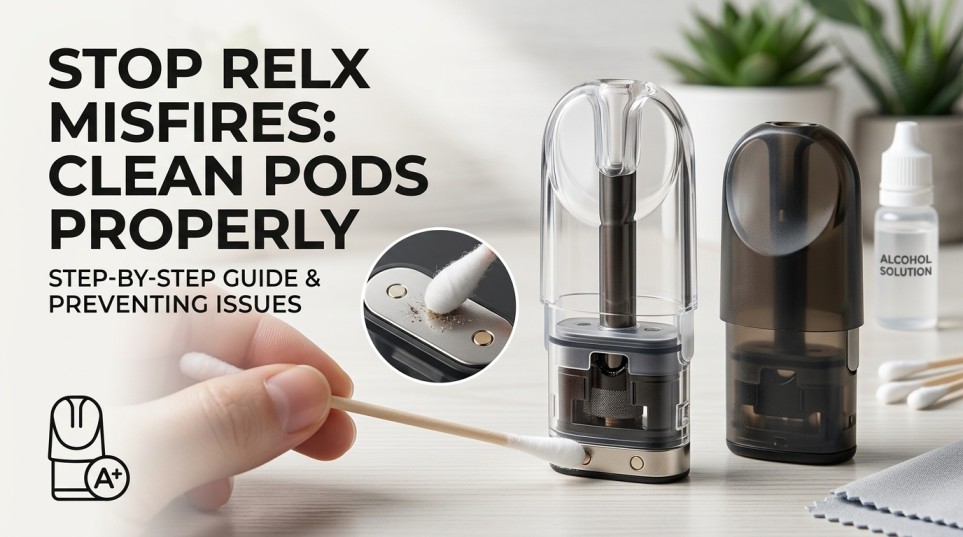
- Mop Up Thoroughly: Use the twisted corner of a paper towel or a clean cotton bud to soak up every trace of stray liquid. Be gentle around the airflow microphone or sensor port; poking sharp objects down the hole will puncture the internal seal permanently.
For Box Mods
For larger vape mods paired with a sub-ohm tank:
- Unscrew the Tank: Twist the tank counter-clockwise off the 510 connection plate. Once the threading disengages, power cannot reach the coil.
- Perform the Five-Click Shutdown: Rapidly click the fire button five times to engage the system lock. If the button feels spongy or fails to register distinct clicks, e-liquid may have worked behind the seal.
- Remove the Batteries: If the mod features an external battery door, pop it open and slide the cells out. This completely neutralises any risk of continued heating while you inspect the hardware.
Fire Safety: What to Do When a Vape Won't Shut Down
A heating coil pushed beyond its normal three-to-five-second duty cycle generates extreme temperatures very rapidly. The wicking cotton will scorch and turn black within seconds, resulting in a foul, acrid smell. Worse, prolonged heat transfers directly to the neighbouring lithium-ion battery cell.
If your device refuses to turn off despite your best efforts:
- Move It Outside Immediately: Do not leave an auto-firing device sitting on a wooden desk, carpet, or near soft furnishings. Take it out to a verandah, balcony, concrete driveway, or tiled laundry area.
- Place It in a Non-Combustible Container: Set the malfunctioning device inside an empty metal tin, a clean cooking pot, or directly onto a brick or concrete surface away from dry leaves and clutter.
- Allow the Battery to Deplete Safely: Keep clear and let the device run down its remaining charge in isolation. Once the internal cell drains completely or the coil burns out and breaks the circuit, the unit will stop producing vapour and begin to cool down.
- Never Submerge It in Water: While dunking a hot electronic item in water might seem like a natural instinct to put out heat, submerging a live lithium-ion battery in water can cause short circuits and unpredictable chemical reactions. Let it rest in an open, fireproof spot instead.
Can You Fix an Auto-Firing Vape, or Should You Replace It?
Whether a device can return to active duty depends on whether the fluid ingress reached deep, non-serviceable internal components.
Sealed Disposables: Write Them Off
Once a sealed disposable has experienced severe auto-firing, its reliability is permanently compromised. Even if the device temporarily stops sizzling after you tap it, the sensor mechanism has proven unstable. Using it again introduces the risk that it may silently fire while sitting in your pocket, vehicle console, or bedside table. The safest approach is to decommission the unit.
Pods and Mods: Often Repairable
Refillable kits are built to be maintained. If an auto-fire incident was halted early before the board overheated:
- Discard the leaking pod or coil that caused the mess.
- Clean the brass contacts on both the device and the replacement pod using high-percentage isopropyl alcohol on a cotton swab. Allow the alcohol to evaporate completely for ten minutes.
- Check the physical spring action of the fire button. If it clicks cleanly and the sensor cavity is bone-dry, pop in a fresh, properly sealed pod and test the draw at a low wattage setting.
How to Prevent Auto-Firing in the Future
Most auto-firing incidents do not happen out of nowhere; they are the end result of subtle fluid accumulation or improper handling. Following a few practical habits will keep your hardware firing strictly on command:
- Take Gentle, Steady Pulls: Draw-activated sensors are calibrated for smooth, measured airflow. Taking aggressive, forceful draws pulls raw liquid past the coil before it has time to vaporise, dumping unburnt juice straight into the sensor chamber.
- Wipe the Pod Bay Daily: Make it part of your routine to pop the pod out every morning and inspect the pins. A ten-second wipe with a tissue prevents minor condensation from turning into a deep-seated electrical nuisance.
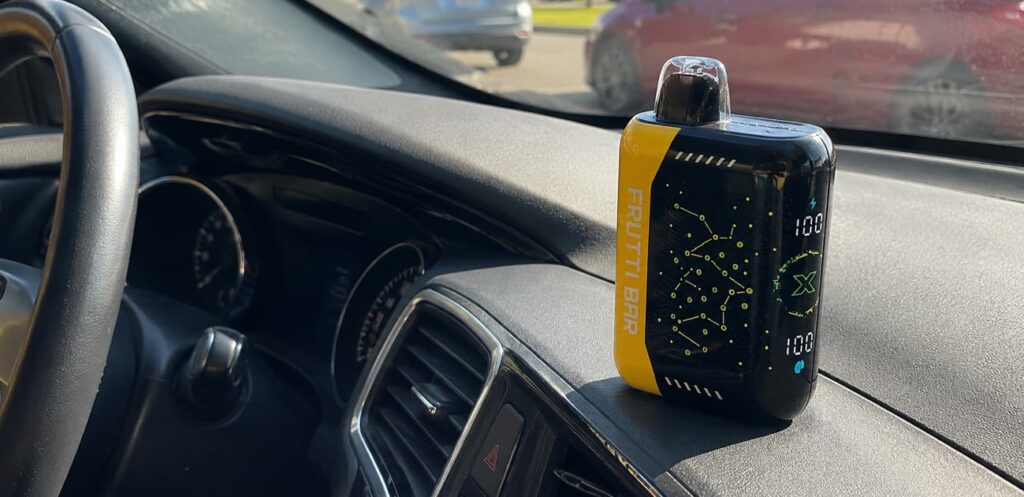
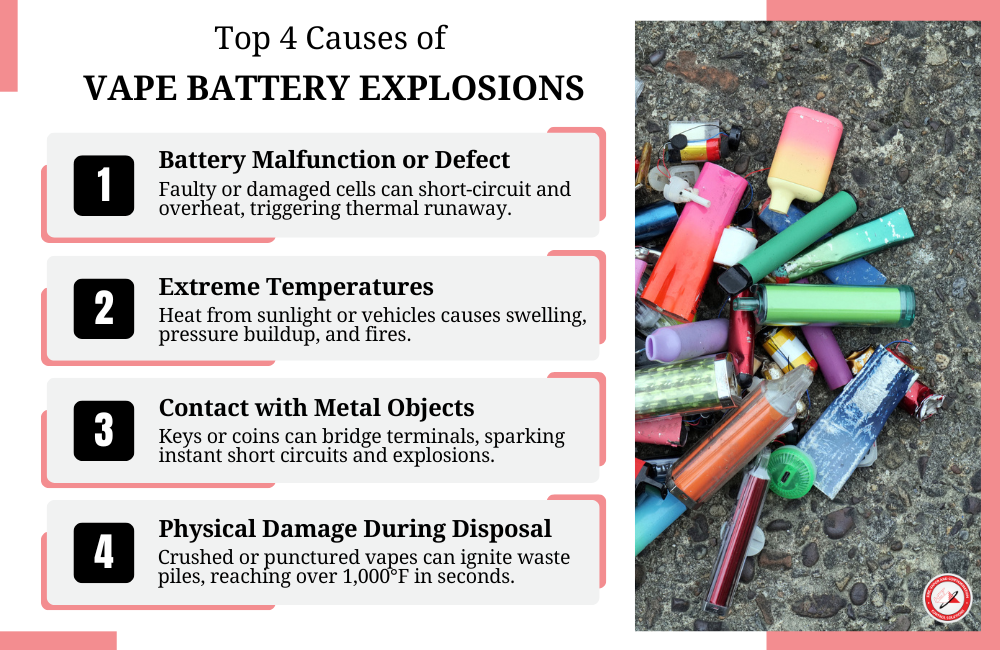
- Keep Devices Out of Extreme Heat: Never leave your vape sitting on your car's dashboard or in direct summer sun. High ambient temperatures thin out e-liquid, turning thick vegetable glycerine runny. Once the liquid loses its viscosity, it escapes past the tank seals and floods the internal electronics.
- Store Hardware Upright: Storing your device standing upright prevents juice from resting against the central chimney seals during long periods of non-use.
Safe Disposal of Faulty Vapes
If you have isolated an auto-firing device and verified that it is completely cold, dead, and inactive, dispose of it responsibly. Electronic vapourisers contain lithium-ion cells and must never be tossed directly into your household red kerbside rubbish bin. Compactor trucks can crush damaged batteries, sparking dangerous waste fires.
Instead, wipe the cold exterior clean and place the decommissioned unit into a dedicated battery collection bin or drop it off at a designated local community e-waste depot. Treating compromised hardware with respect ensures your vaping experience remains smooth, enjoyable, and safe.




 UMIN SLICK PLUS 10000
 ALIBARBAR INGOT 9000
 IGET BAR PRO 10000
 IGET ONE 12000
 IGET BAR PLUS S3 10000
 IGET BAR PLUS S3 POD 10000
 IGET MOON K5000
 GEEK BAR PULSE X 25000