











Why Is My Vape Hard to Pull? Causes of a Tight or Blocked Draw (2026 Guide)
Few things are more frustrating than picking up your device, taking an inhale, and feeling almost complete resistance. When you find your vape hard to pull, vape airflow blocked, tight vape draw issues can quickly ruin your experience, leaving you with little to no vapour and an unpleasant inhalation effort.

A vape device standing vertically on a surface, demonstrating proper upright storage to prevent leaks and blockages.
Whether you are using a compact pod system, a pre-filled disposable, or an advanced modular setup, airflow restrictions are among the most common hurdles vapers face. Understanding why your device is struggling to breathe—and knowing how to safely clear the airway without damaging delicate internal components—will have your device performing smoothly again in no time.
Understanding Vape Airflow: What Makes a Vape Hard to Pull?
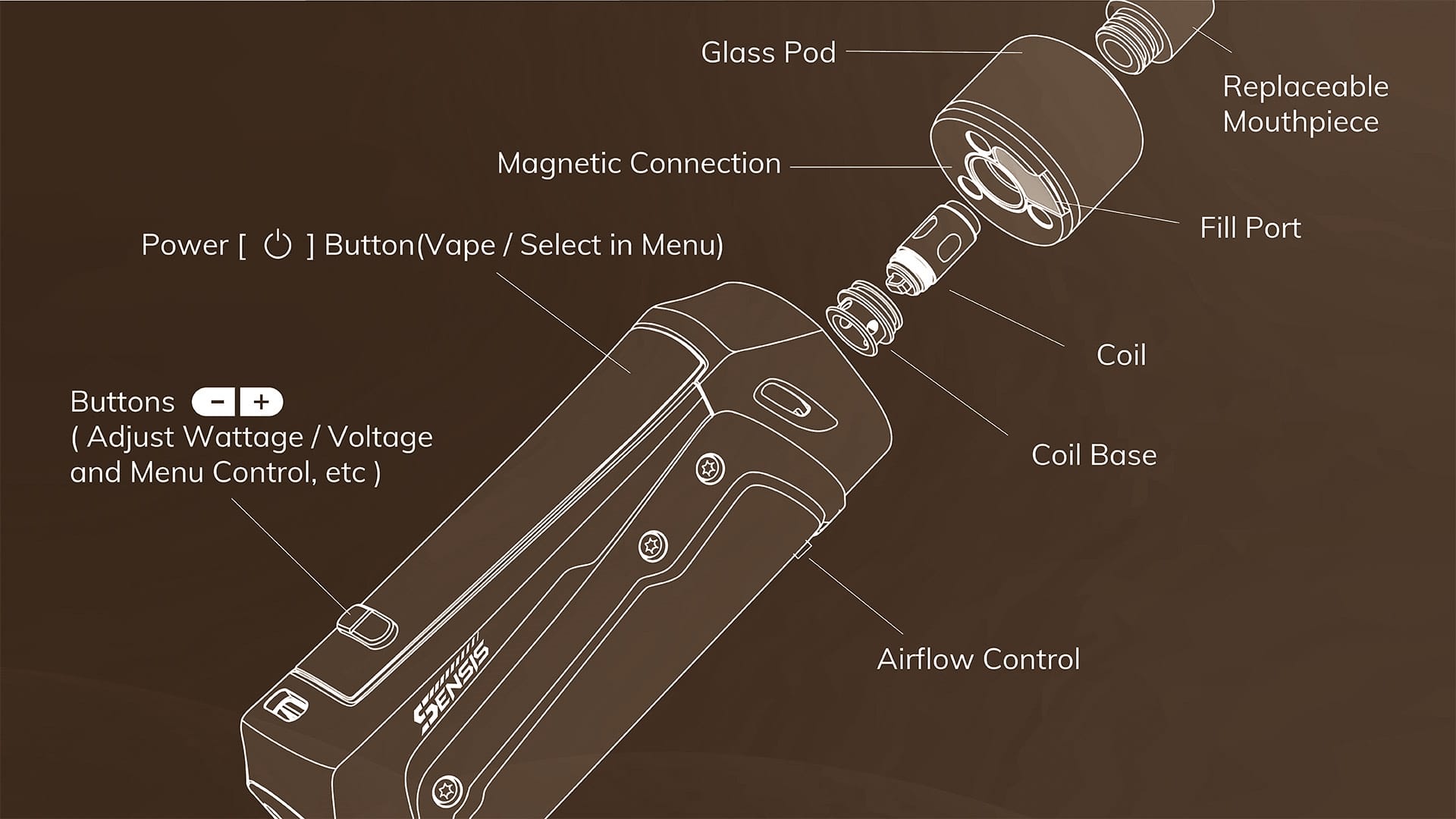
Every vaporiser relies on a continuous channel of airflow to function correctly. When you draw on the mouthpiece, ambient air enters through external intake vents, passes across the internal heating element (atomiser coil), and travels up the chimney or central stem carrying atomised vapour into your mouth.
A hand holding a sharp object like a safety pin dangerously close to or inside a vape mouthpiece, indicating a warning against damaging the device.
If any point along that pathway becomes obstructed, the balance of air pressure is interrupted. Airflow restriction generally falls into two categories:
- Physical Obstructions: Actual physical blockages such as pocket lint inside the air intake holes, dried residue, or excess liquid sitting in the central tube.
- Mechanical or Sensor Faults: Issues where the device is not physically clogged, but a blocked draw-activated pressure switch fails to signal the battery to fire, creating the illusion of a dead, non-responsive pull.
Differentiating between an intentional mouth-to-lung (MTL) tight draw and an abnormal obstruction is simple: a healthy tight draw still produces steady, smooth vapour with moderate effort, whereas a genuine blockage requires excessive suction and yields virtually nothing.
Primary Causes of a Vape Airflow Blocked Issue
Pinpointing the exact cause of a restricted draw helps you apply the right fix without causing accidental damage. Here are the most frequent culprits behind a blocked airflow.
- MOUTHPIECE
- Condensation / Residue Pool
- v
- CHIMNEY/STEM
- Narrow Central Vapour Path
- v
- ATOMISER / COIL
- Wicking & Internal Components
- v
- BASE & INTAKE PORTS
- External Air Holes / Draw-Activation Sensor
1. Obstructed External Intake Ports
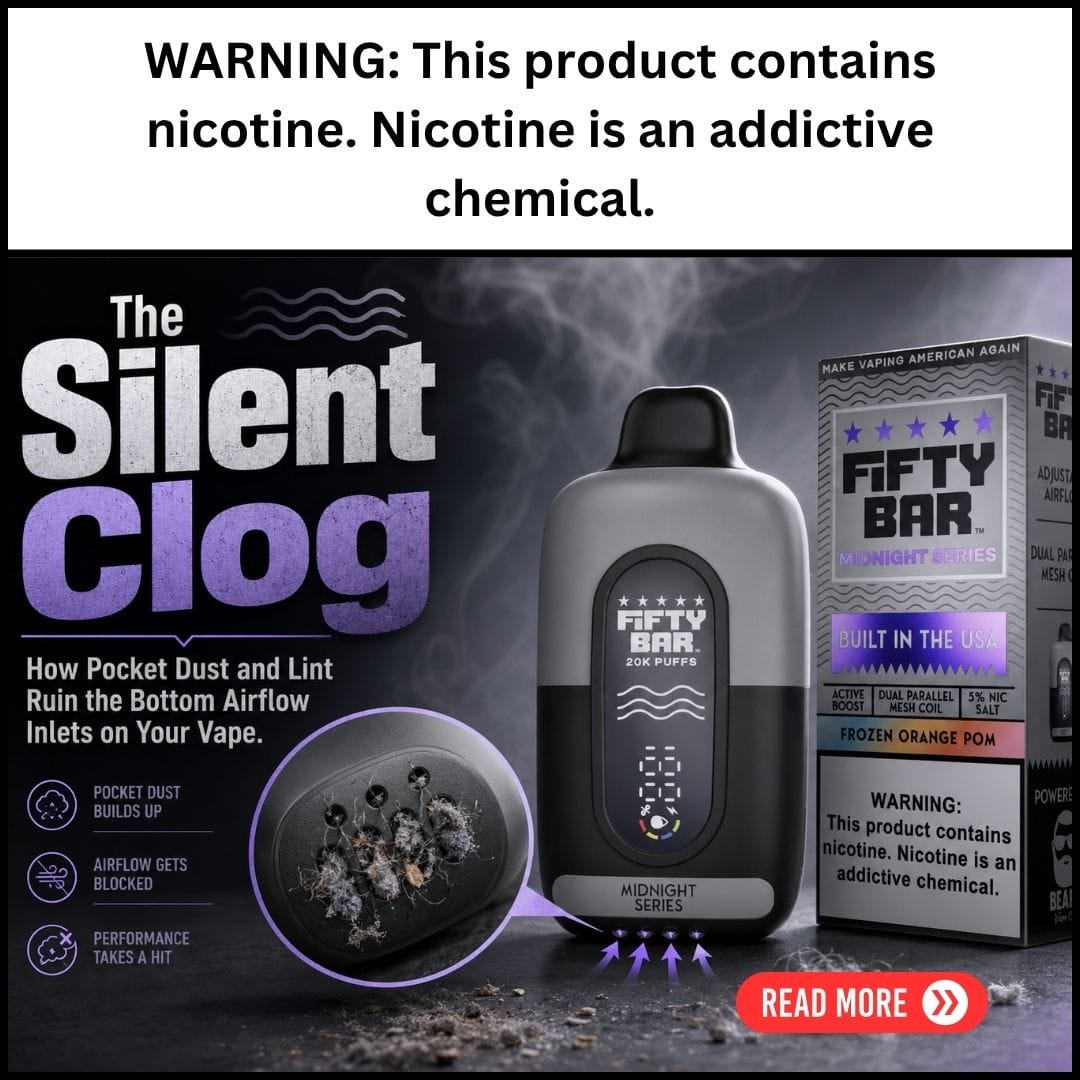
The tiny air intake holes located on the base or side perimeter of your device are essential for regulating intake volume. Because vapes are frequently carried in pockets, handbags, or backpacks, these tiny holes attract lint, dust, and fluff. Even a partial covering of pocket debris can choke the airflow channel. Furthermore, check your hand placement while holding the device; it is surprisingly common to accidentally cover the intake slot with a fingertip while drawing.
An illustration showing the internal airflow path of a vape device, from intake vents to mouthpiece.
2. Condensation and Liquid Accumulation in the Chimney
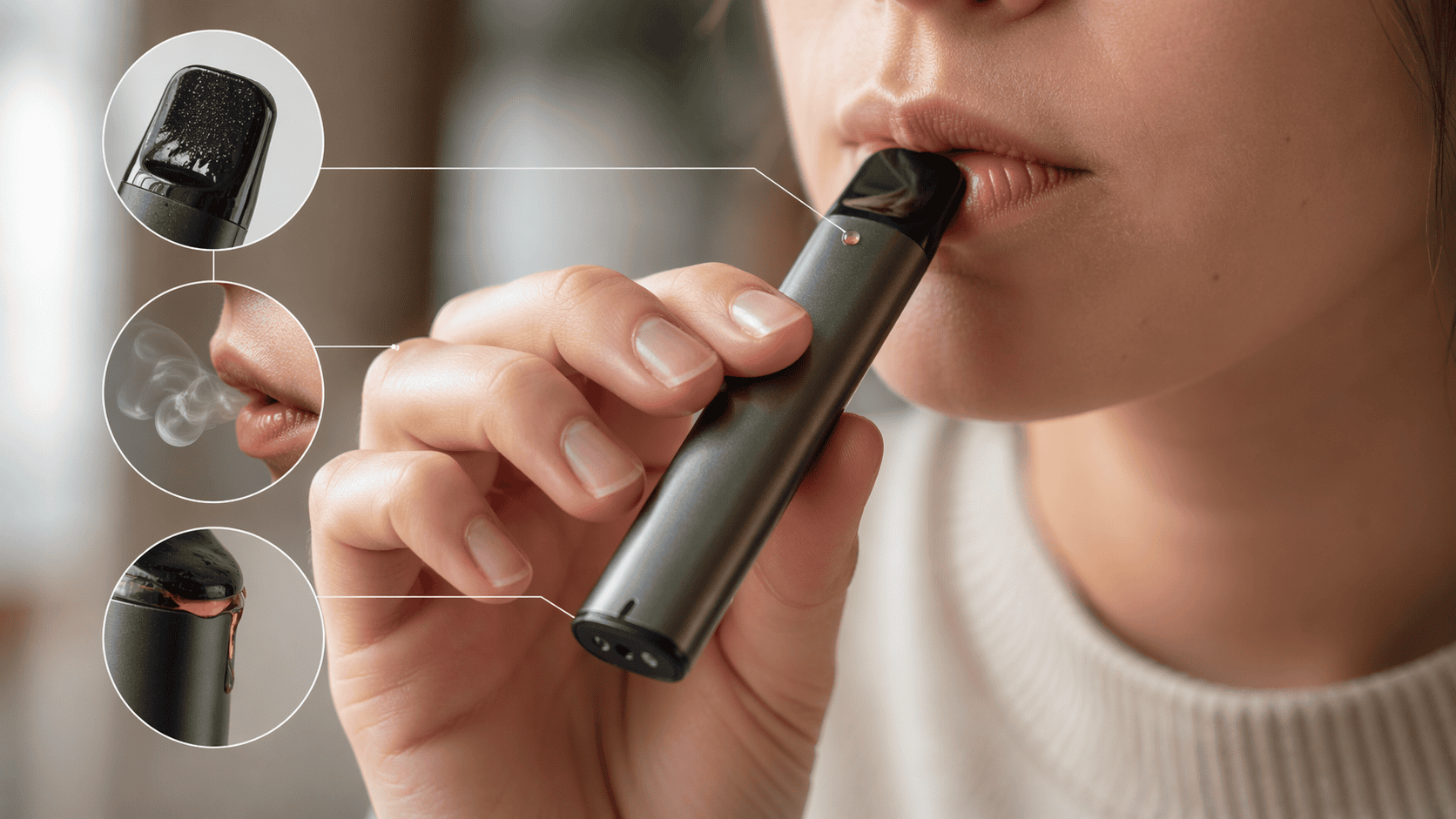
During normal operation, some vapour cools down before it leaves the mouthpiece, reverting into tiny droplets of moisture along the inner walls of the vapour path. Over time, this condensation builds up into a thin liquid film. If the device sits unused or is stored horizontally, this pool of residue can span the narrow width of the central chimney, acting as a liquid plug that restricts airflow and creates a tight, resistant draw.
Close-up of a vape devices air intake holes obstructed by lint and dust.
3. Draw-Activation Pressure Sensor Contamination
Many modern buttonless devices rely on a pneumatic pressure-drop switch to detect when you take a puff. This sensor has a tiny reference hole near the base of the pod bay. If stray e-liquid or condensation seeps below the pod and coats this sensor port, the switch cannot detect the vacuum created by your inhale. Even though air might pass through with some difficulty, the coil will fail to activate, leaving you with a dead, heavy draw.
4. Component Misalignment in Modular Devices
If you use a modular device or dry-herb vaporiser with removable caps, condenser tubes, or internal discs, slight misalignments during reassembly can cut off the vapour channel. When internal parts shift out of their seating grooves, the physical passage for air narrows dramatically, creating a severe restriction.
Troubleshooting a Tight Vape Draw: Step-by-Step Fixes
If your device is resisting your inhale, follow these safe, non-invasive troubleshooting steps to restore normal airflow.
                      [ STEP 1: External Check ]
                     Inspect & clean intake ports
                                  |
                                  v
                     [ STEP 2: Mouthpiece Check ]
                   Swab chimney with a cotton bud
                                  |
                                  v
                     [ STEP 3: Connection Check ]
                   Wipe pod base & dry draw sensor
                                  |
                                  v
                      [ STEP 4: Alignment Check ]
                    Re-seat pods, caps & components
Step 1: Inspect and Clear the Air Intake Slots
Begin with the outside of the device:
- Look closely at the small air intake holes on the sides or bottom.
- Use a soft-bristled brush or a dry cloth to wipe away any surface lint or dust.
- Avoid blowing forcefully directly into the base vents, as this can force moisture deeper into the internal electronics.
Step 2: Clear Mouthpiece Condensation Safely
If moisture has accumulated in the upper airway:
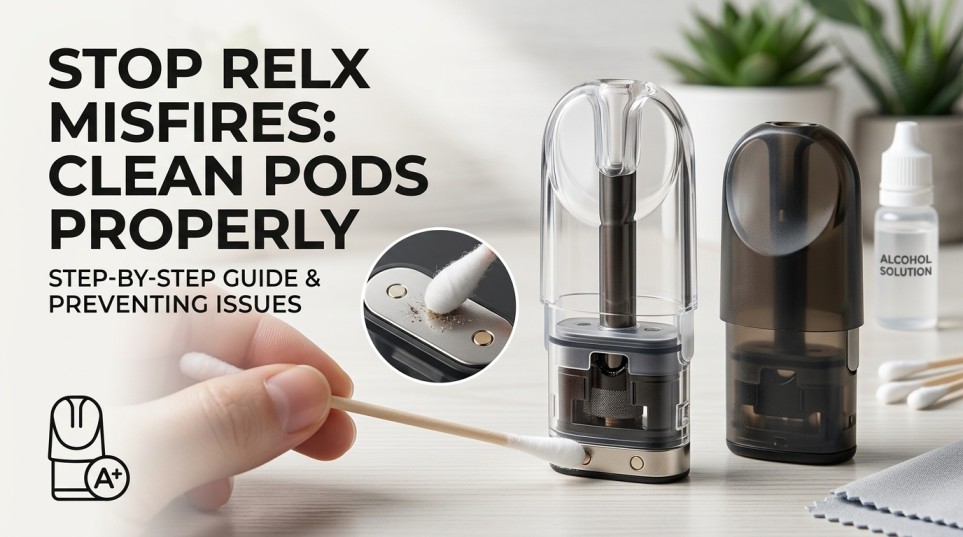
- Take a clean, dry cotton bud (swab) and gently twist it into the mouthpiece opening.
- Absorb pooled condensation from the upper chimney walls without pushing the bud down hard into the coil area.
- For removable drip tips, detach the tip and rinse it under warm water, making sure it is completely dry before reattaching.
If your device produces a strange noise in addition to a tight draw, consult our troubleshooting guide on Why Is My Vape Whistling How To Fix for tips on addressing turbulence issues.
Step 3: Clean the Pod Cavity and Sensor Area
For pod systems:
- Remove the pod and inspect the contact bay inside the battery housing.
- Check for any liquid pooling around the gold-plated contact pins or the rubberised draw-sensor inlet.
- Gently dab the area with a dry paper towel or cotton swab until the bay is entirely dry and clean.
- Reinsert the pod firmly to ensure a clean seal and proper electrical contact.
Step 4: Verify Component Alignment and Airflow Controls
If your setup features adjustable airflow:
- Ensure the adjustable airflow control ring has not rotated shut while in your pocket.
- If using a modular or dry-herb unit, disassemble the stem or condenser and confirm that all internal discs, screens, and o-rings are seated straight according to the manufacturer's layout.
Comparison Guide: Airflow Symptoms, Causes, and Solutions
Use this quick-reference table to match what you feel during an inhale with the correct fix:
| Symptom | Probable Cause | Recommended Solution |
|---|---|---|
| Extreme resistance; zero air moving through | Blocked external intake holes or sealed airflow ring | Inspect intake ports, remove lint, and open the airflow valve. |
| Resistant draw with gurgling sounds | Liquid or condensation pooled inside the chimney | Swab the inner mouthpiece with a dry cotton bud. |
| Air moves with effort, but no vapour/LED lights | Liquid coating the pneumatic draw-activation sensor | Remove pod, dry the contact bay thoroughly, and re-seat the pod. |
| Stiff draw following device reassembly | Misaligned internal condenser, screen, or cap | Disassemble components and re-seat them squarely in their channels. |
| Gradual tightening of draw over several days | Build-up of residue inside the removable drip tip | Detach the mouthpiece and clean it thoroughly with warm water. |
Mistakes to Avoid When Clearing a Blocked Airway
When faced with a blocked vape, taking shortcuts or using aggressive clearing methods can permanently ruin your hardware. Avoid these common mistakes:
- Poking Sharp Metal Objects Deep Inside: Never insert safety pins, needles, or unfolded paperclips down the centre of the mouthpiece. The atomiser coil and delicate cotton wicking sit directly beneath the chimney; inserting sharp metal tools will snag the coil wire, tear the wick, and cause irreversible leaking.
- Applying Direct Heat Sources: Never hold a lighter or heat gun up to your vape in an attempt to clear thick residue. Direct flame damages plastic housings, degrades internal lithium-ion batteries, and creates a significant safety hazard.
- Drawing With Excessive Force: Sucking aggressively on a blocked device does not clear the airway; instead, the negative pressure pulls excess liquid out of the reservoir directly into the central tube, worsening the obstruction.
Cross-section or close-up of a vape mouthpiece showing visible condensation and e-liquid accumulation inside the chimney.
For users who prefer high-capacity, straightforward devices like the Alibarbar Ingot 9000 Ribena or the Alibarbar Ingot 9000 Black Forest, keeping the mouthpiece clean of pocket debris and storing the unit upright ensures optimal airflow and consistent vapour production throughout the life of the device.
Best Practices to Prevent a Tight or Blocked Draw
Adopting a few simple storage and handling habits will prevent airflow issues from developing in the first place:
- Store Your Device Upright: Keeping your vaporiser standing vertically when not in use allows fluid to remain in the reservoir where it belongs, rather than seeping down the chimney or over internal sensor bays.
- Use a Protective Cap or Case: If you carry your device in your pocket or bag, consider using a dust cap or protective pouch to keep fluff and loose debris out of the intake slots and mouthpiece.
- Wipe Down Contact Bays Regularly: Make it a habit to check the area beneath your pod every few days. Catching small droplets of condensation before they reach the draw-activation sensor ensures consistent firing.
- Take Gentle, Steady Puffs: Moderate, steady pulls allow the heating element to vaporise liquid evenly without creating excess negative pressure that pulls unvaporised moisture into the airway.
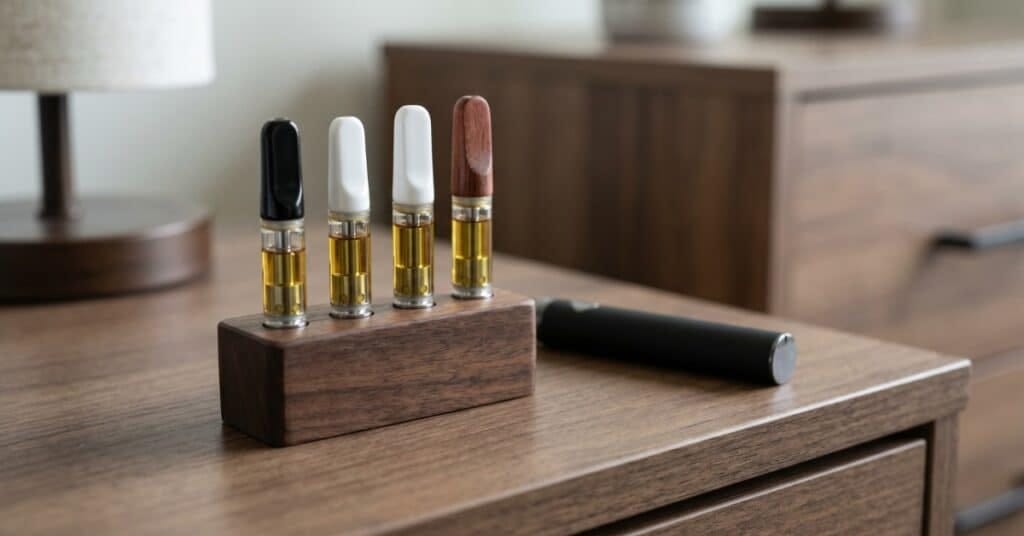
A vape device standing vertically on a surface, demonstrating proper upright storage to prevent leaks and blockages.
By keeping your air paths clean, handling components with care, and storing your gear properly, you can enjoy a smooth, unrestricted draw with every inhale.





 UMIN SLICK PLUS 10000
 ALIBARBAR INGOT 9000
 IGET BAR PRO 10000
 IGET ONE 12000
 IGET BAR PLUS S3 10000
 IGET BAR PLUS S3 POD 10000
 IGET MOON K5000
 GEEK BAR PULSE X 25000