











Why Does My Disposable Vape Get Hot While I’m Using It? (2026 Safety Guide)
There is nothing quite as unsettling as taking a draw from your e-cigarette only to feel the housing uncomfortably warm against your hand or lips. A disposable vape getting hot during regular use is a common frustration, but it is also an issue that demands your immediate attention. While every electronic atomiser relies on a heating element to turn e-liquid into vapour, uncontrolled vape overheating indicates that something inside the unit is not functioning as intended. Understanding why you are holding a hot vape device can help you prevent burnt flavours, protect your device, and stay safe.
Whether you are dealing with a mild temperature increase after continuous puffing or a severe malfunction where the device stays hot on its own, pinpointing the cause is essential. Let’s explore why disposables heat up, how to differentiate normal operating warmth from a dangerous fault, and what you should do to resolve it safely.
Normal Warmth vs Dangerous Vape Overheating
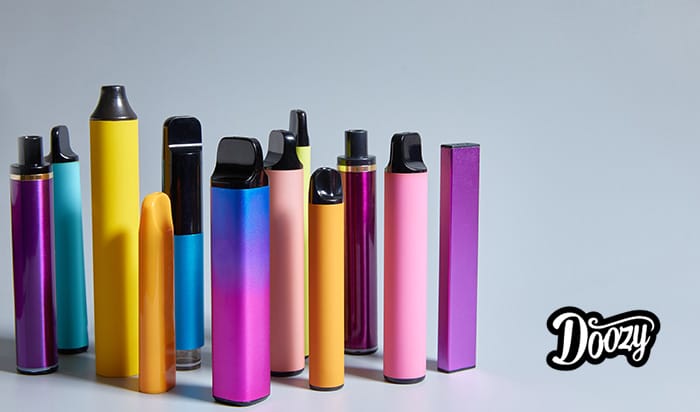
Every disposable vape contains three primary components: a lithium-ion battery, an atomiser coil wrapped around a wick, and an e-liquid reservoir. When you inhale, an airflow sensor activates the battery, sending electrical current through the coil. The coil heats up instantly to vaporise the e-liquid.
Because thermal energy is fundamental to the vaporisation process, a slight temperature rise near the top of the casing or around the mouthpiece is entirely standard. However, there is a distinct boundary between normal operation and hazardous overheating:
- Normal warmth: The upper third of the device feels lukewarm or mildly warm to the touch during use and cools down rapidly once you stop inhaling. The vapour feels smooth and comfortable.
- Unsafe overheating: The metal or plastic body becomes too hot to hold comfortably, heat spreads across the entire lower battery section, or the vapour becomes uncomfortably hot on your tongue and lips. If you notice strange noises alongside this heat, checking why is my vape crackling can help clarify whether excess liquid or coil flooding is aggravating the problem.
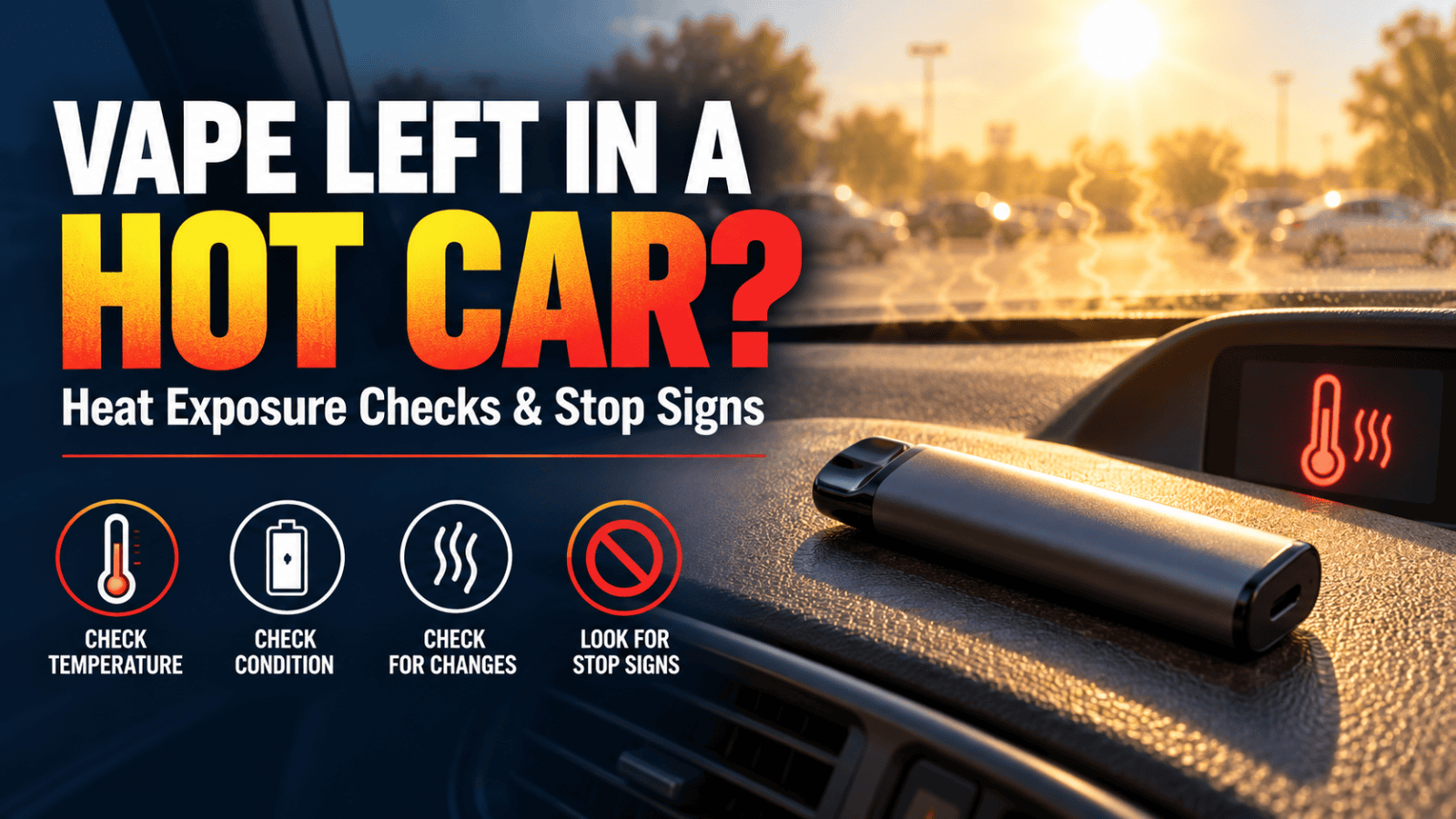
A disposable vape lying on a car dashboard under direct sunlight or in another hot outdoor environment, illustrating environmental heat exposure.
Primary Reasons for a Disposable Vape Getting Hot
When a disposable unit begins radiating excessive heat during routine sessions, the cause generally comes down to user habits, airflow constraints, or hardware fatigue.
- Common Heat Triggers
- Chain Vaping — Airflow Blockage — Environmental
- Rapid, back-to-back — Covering intake holes — Direct sun or hot
- draws overload coil — traps hot vapour — car interiors
1. Chain Vaping and Rapid Puffs
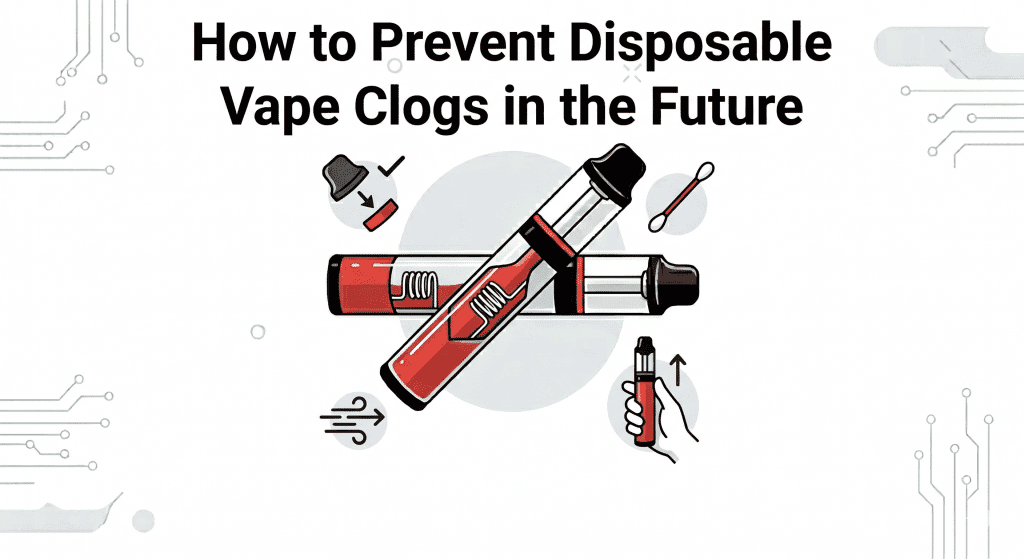
Disposable vapes are engineered for brief, intermittent use. When you take multiple draws in quick succession without giving the internal coil time to shed residual heat, thermal energy accumulates inside the compact casing. This rapid cycling warms the internal structure, thins out the e-liquid, and causes the outer shell to heat up quickly.
2. Blocked Airflow Inlets
Air flowing through the device does more than just trigger the internal switch—it actively cools the heating coil as you inhale. Most disposables feature tiny airflow intake holes at the base or along the sides. If your fingers accidentally cover these holes while holding the device, or if pocket lint obstructs the passage, air cannot circulate properly. This traps superheated vapour inside the chassis, warming up the entire unit.
A close-up image of a disposable vapes airflow intake holes, with fingers or lint partially or completely covering them.
3. Deep, Prolonged Inhales
Taking forceful, extended draws keeps the battery engaged and powers the coil continuously for longer than the internal components are designed to handle. Prolonged heating cycles generate excessive thermal output that easily transfers into the surrounding plastic or aluminium casing.
4. Direct Sun and Summer Ambient Heat
Australia's climate presents unique challenges for compact battery-powered electronics. Leaving your vape on a car dashboard, near a sunny window, or in an outdoor setting on a sweltering summer day raises its baseline temperature before you even take a single puff. Operating a battery that is already baking in ambient heat significantly accelerates thermal buildup.
A hand recoiling from or visibly uncomfortable holding a disposable vape that appears excessively hot, possibly with a red glow or heat lines radiating from it.
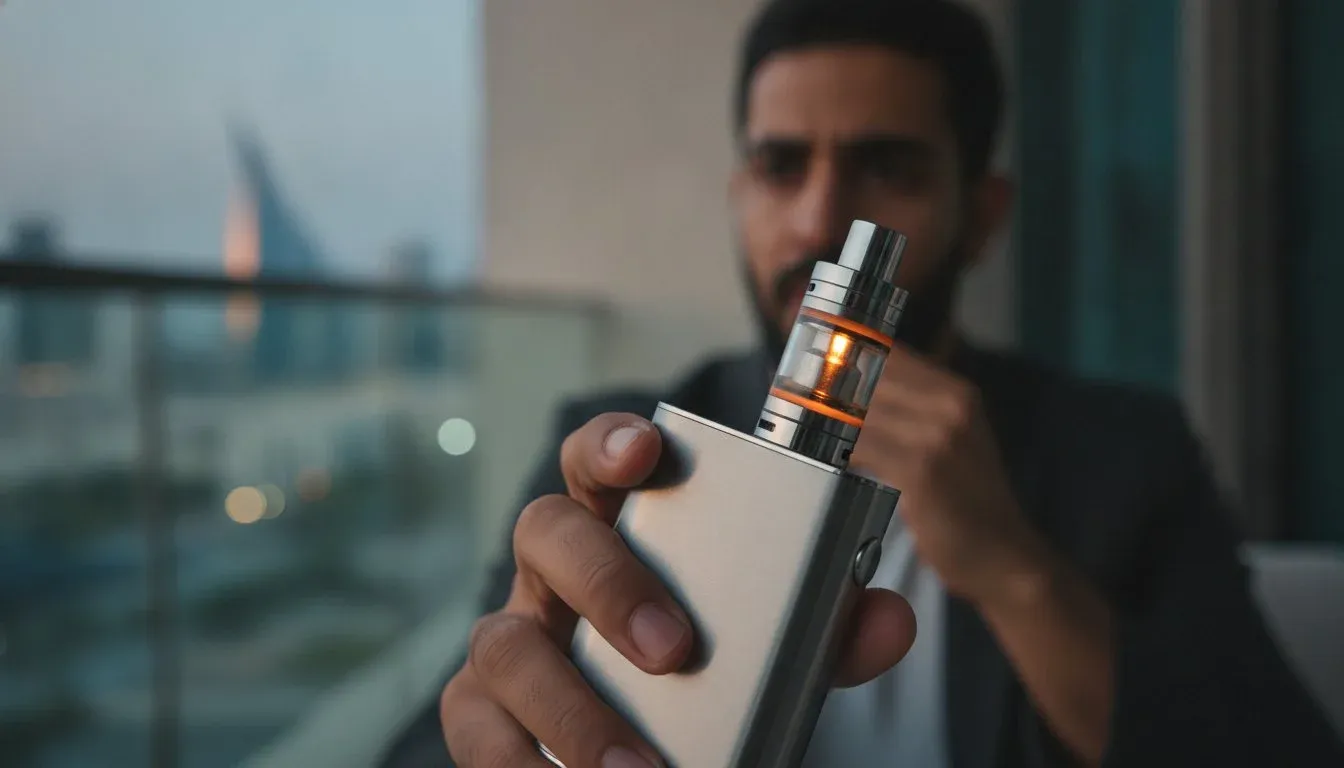
What Causes a Hot Vape Device to Auto-Fire?
One of the most concerning scenarios is when a vape continues firing even after you have finished inhaling. This is known as "auto-firing," and it can cause the device to become scorching hot in a matter of seconds.
- Condensation / Liquid Leakage
- Enters Pneumatic Sensor
- Sensor Sticks in "Open" State
- Continuous Current to Coil
- Extreme Thermal Buildup
Sensor Contamination
Most disposables rely on a delicate pneumatic pressure sensor (a draw-activation switch) that detects the vacuum created when you draw air through the mouthpiece. If e-liquid leaks internally, or if heavy condensation gathers inside the casing, fluid can seep into the micro-switch mechanism. This moisture can short-circuit the sensor or physically jam it in an active state, causing the battery to continuously deliver current to the atomiser.
Mechanical Shock
Dropping your device onto hard surfaces can dislodge internal wiring, shift the battery cradle, or damage the delicate airflow sensor membrane. A damaged sensor may fail to release once activated, leaving the coil permanently powered.
Evaluating Temperature Issues in Disposables
To quickly identify why your device is heating up and what action you should take, review the common symptoms below:
| Symptom | Probable Cause | Risk Level | Immediate Action |
|---|---|---|---|
| Mild warmth near the top during use | Standard thermal dissipation from the atomiser coil | Low | Space out your puffs to let the coil rest. |
| Entire casing hot to hold | Chain vaping, obstructed airflow holes, or ambient heat | Moderate | Stop using immediately; place in a cool, shaded area. |
| Vapour tastes acrid and burns lips | Dried internal wick or coil running excessively hot | Moderate | Cease use; continuing can lead to inhaling burnt residue. |
| Device hisses and stays hot when untouched | Sensor stuck / continuous auto-firing malfunction | High | Isolate on a non-combustible surface outside; do not dismantle. |
| Casing is visibly bulging or swelling | Battery failure or internal short circuit | Critical | Do not touch with bare hands; isolate in sand or outdoors. |
Safe Handling for an Overheated Vape Device
If your disposable has become excessively hot or refuses to stop firing, handling the situation correctly is vital to avoid burns or fire hazards.
What to Do If the Device Is Auto-Firing
- Do not attempt to vape it: Inhaling superheated vapour from a malfunctioning unit can burn your airway and expose you to scorched materials.
- Do not dismantle the casing: Tearing apart a hot, live disposable vape with tools can puncture the internal lithium cell, leading to immediate thermal runaway and dangerous sparks.
- Move it to a safe, non-flammable location: Place the device outdoors on bare concrete, brick, or inside a metal container filled with sand or dirt.
- Allow the charge to deplete completely: Keep pets and people away while the battery expends its remaining energy. Once the unit is entirely cold and silent, it is safe to handle.
Safe Cooling Practices
If the vape is merely warm from frequent puffing rather than a catastrophic failure, set it down in a well-ventilated, shaded room for several minutes.
- Never place a hot vape in a fridge or freezer: Extreme, rapid temperature shifts produce internal condensation inside the electrical chamber. Moisture settling on the lithium battery and circuit board can cause corrosion, short circuits, and total device failure.
Maintaining Device Longevity and Safety
Choosing well-engineered hardware and observing sensible vaping habits will prevent the vast majority of overheating issues. Well-constructed devices, such as those found in the Iget lineup—including models like the Iget Moon K5000 Pasion Fruit Lychee—utilise internal structures designed to balance heat dissipation and airflow effectively.
- BEST PRACTICES FOR VAPE CARE
- ✔ Keep intake vents clear of fingers and lint
- ✔ Store out of direct sunlight and hot vehicles
- ✔ Take smooth, moderate draws rather than hard pulls
- ✔ Discard units that show signs of persistent faults
When considering overall device performance and well-being, many consumers also research what is the healthiest vape habit, which always begins with avoiding the inhalation of degraded or scorched e-liquid caused by overheated components.
When to Stop Using Your Vape and Responsible Disposal
A disposable vape is built as a single-use, closed-loop item. If a unit repeatedly overheats despite gentle use, emits a persistent burnt smell, or leaks e-liquid across its exterior, it has reached the end of its functional life and should be decommissioned.
Proper Disposal in Australia
Because disposable e-cigarettes contain lithium-ion batteries and electronic circuitry, they must never be thrown into standard household rubbish bins or kerbside recycling bins, where compaction trucks can crush the battery and spark fires.
An exploded view or cross-section of a disposable vape showing its internal components: a lithium-ion battery, an atomizer coil, and an e-liquid reservoir.
- Battery drop-off locations: Utilise designated battery recycling bins (such as B-cycle drop-off points located at major supermarkets and community centres across Australia).
- Council e-waste centres: Many local councils host community recycling drop-offs specifically designated for small electronic appliances and integrated-battery goods.
- Safe transport: If taking a previously overheated device to a collection point, ensure it is completely cold, and consider taping over the airflow hole and mouthpiece with non-conductive electrical tape.
Summary Checklist
A disposable vape getting hot is usually an indicator that it needs a rest or that airflow is restricted. By moderating your draw pace, keeping vents clear, and protecting your device from Australia's summer heat, you can prevent vape overheating and enjoy a reliable, consistent experience. However, if your hot vape device continues to generate heat on its own, always prioritise your safety: isolate the unit on a non-combustible surface, let it drain completely, and dispose of it at an approved battery recycling facility.


 UMIN SLICK PLUS 10000
 ALIBARBAR INGOT 9000
 IGET BAR PRO 10000
 IGET ONE 12000
 IGET BAR PLUS S3 10000
 IGET BAR PLUS S3 POD 10000
 IGET MOON K5000
 GEEK BAR PULSE X 25000