











Why Does Vape Flavour Fade Before the Device Is Empty? (2026 Guide)
There is nothing quite as frustrating as taking a puff from your vape, expecting a vibrant burst of fruit or mint, only to be met with a dull, flat, or muted taste. You check the reservoir or transparent pod, and there is still plenty of e-liquid sitting inside. If you are noticing persistent vape flavour fading, you are certainly not alone. Whether you are using a compact refillable pod kit or wondering why your disposable vape lost flavour halfway through its lifespan, sudden flavour drop-off is one of the most common complaints among vapers across Australia.
When a vape tastes weak despite having visible juice remaining, the issue rarely boils down to just one factor. Instead, it is usually a combination of physical hardware changes, e-liquid degradation, and human sensory adaptation. Understanding what happens inside the heating chamber and inside your own palate can help you prevent premature flavour loss and get the most out of every single millilitre.
Why Your Disposable Vape Lost Flavour: The Anatomy of a Muted Hit
To understand why vapour profile deteriorates over time, it helps to look at how modern vaporisers work. Inside every pod or disposable bar sits an atomiser assembly comprising a heating element (usually a fine mesh strip) surrounded by an absorbent wicking material, typically organic cotton or synthetic composite fibres.
Close-up photo of a damaged, scorched, or burnt cotton wick inside a vape coil, often resulting from chain vaping or a dry hit.
When the device activates, electrical energy heats the mesh, vaporising the e-liquid suspended in the wick. For that vaporisation to produce clean, authentic taste notes, three conditions must be met:
- The coil surface must be relatively clean and free of heavy residue.
- The wick must remain fully saturated with fresh, unburnt e-liquid.
- The battery must deliver enough power to reach the optimal temperature for releasing volatile flavour aromatics.
If any one of these elements falls out of balance, the taste profile degrades quickly, leading to a thin, airy, or dull hit long before the pod runs dry.
Coil Residue and Sweeteners: Why Your Vape Tastes Weak Over Time
The single biggest contributor to premature flavour loss is residue accumulation on the heating element. Modern commercial e-liquids—particularly those used in disposable devices and high-flavour nic-salt pods—often contain concentrated flavourings and high amounts of artificial sweetening agents like sucralose or ethyl maltol.
While these additives make initial puffs intensely sweet and aromatic, sweeteners do not cleanly vaporise at the exact same temperature as the base liquid (vegetable glycerine and propylene glycol). Instead, as the coil repeatedly heats and cools, unvaporised sugars caramelise and bake directly onto the metal mesh.
Over dozens or hundreds of puffs, this caramelised layer turns into a dark, crusty carbon deposit often referred to by vapers as "coil gunk". This deposit creates two distinct problems:
- Thermal Insulation: The carbon layer insulates the heating wire, preventing heat from transferring efficiently to fresh e-liquid. Instead of crisp vaporisation, the e-liquid essentially stews or simmers at a lower effective temperature.
- Flavour Masking: Instead of vaporising the pure e-liquid drawn from the reservoir, the coil continually reheats and scorches the old, burnt residue, overwhelming subtle top notes with a flat, slightly bitter undertone.
To learn more about how different liquid ingredients impact your hardware, you can read our detailed guide on how sweeteners affect vape flavour and coil life.
Battery Voltage Drop and Diminished Temperature
Another subtle culprit behind vape flavour fading is the natural discharge curve of internal lithium-ion batteries.
Many small pod devices and disposable vapes operate on unregulated direct-voltage or basic bypass output. When the battery is fully charged at 4.2 volts, it delivers maximum power to the coil, easily reaching the higher temperature threshold needed to vaporise complex, multilayered flavour compounds (such as bakery undertones, rich berries, and cooling agents).
As you vape through the tank, the battery voltage gradually drops toward 3.6 volts or lower. Without constant-wattage regulation:
Close-up view of a vape pod or tank showing trapped air bubbles blocking e-liquid from properly saturating the wick around the coil.
- The coil heats up more slowly and reaches a lower peak temperature.
- Only the most easily vaporised base components atomise efficiently.
- Delicate aroma compounds fail to vaporise fully, resulting in a thin vapour production where your vape tastes weak, airy, and lacking in punch.
In rechargeable disposables and refillable pod kits, simply plugging the device in for a top-up charge often restores the richness of the draw instantly.
Wick Starvation, Air Pockets, and Chain Vaping
Even if your tank shows visible e-liquid, the e-liquid might not actually be reaching the heating wire at the proper rate. Wicking materials rely on capillary action to pull juice from the outer reservoir into the centre of the coil. Several common physical issues can interrupt this flow:
Air Bubbles Around the Intake Ports
Surface tension can cause tiny air pockets to lodge directly against the coil’s wicking holes. When an airlock forms, e-liquid cannot penetrate the cotton, leaving dry spots on the heating wire. Firing the device in this state produces an unpleasantly dry or muted draw.
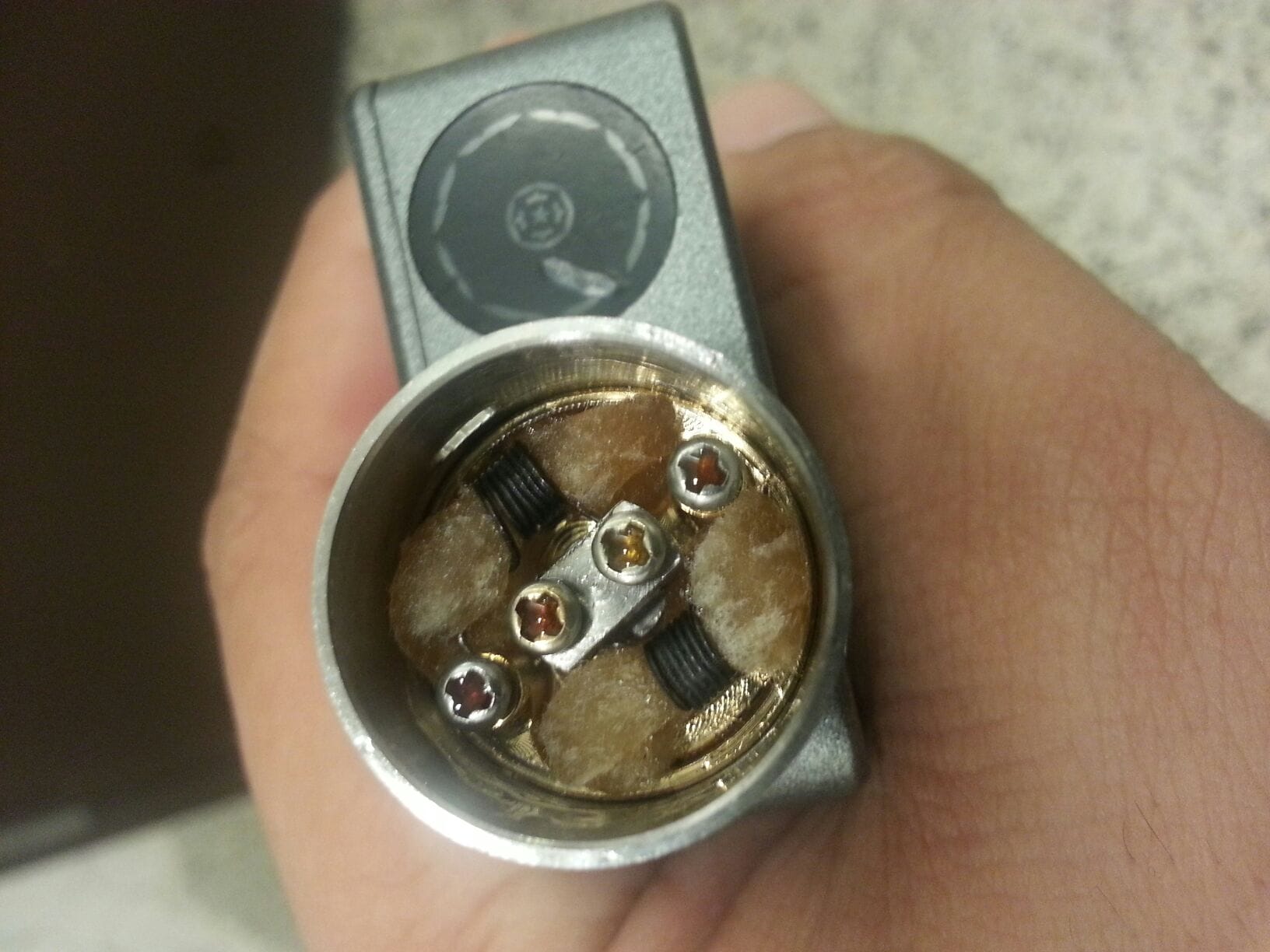
Close-up macro shot of a vape coil covered in dark, crusty caramelised residue, commonly referred to as coil gunk.
Chain Vaping and Thermal Stress
Taking rapid, successive draws does not give the cotton enough time to resaturate between puffs. Chain vaping repeatedly cooks the wick while it is partially dry, singing the delicate fibres. Once cotton fibres are lightly scorched, their capillary ability is permanently compromised, and they will produce an off-flavour for the remainder of the pod's life.
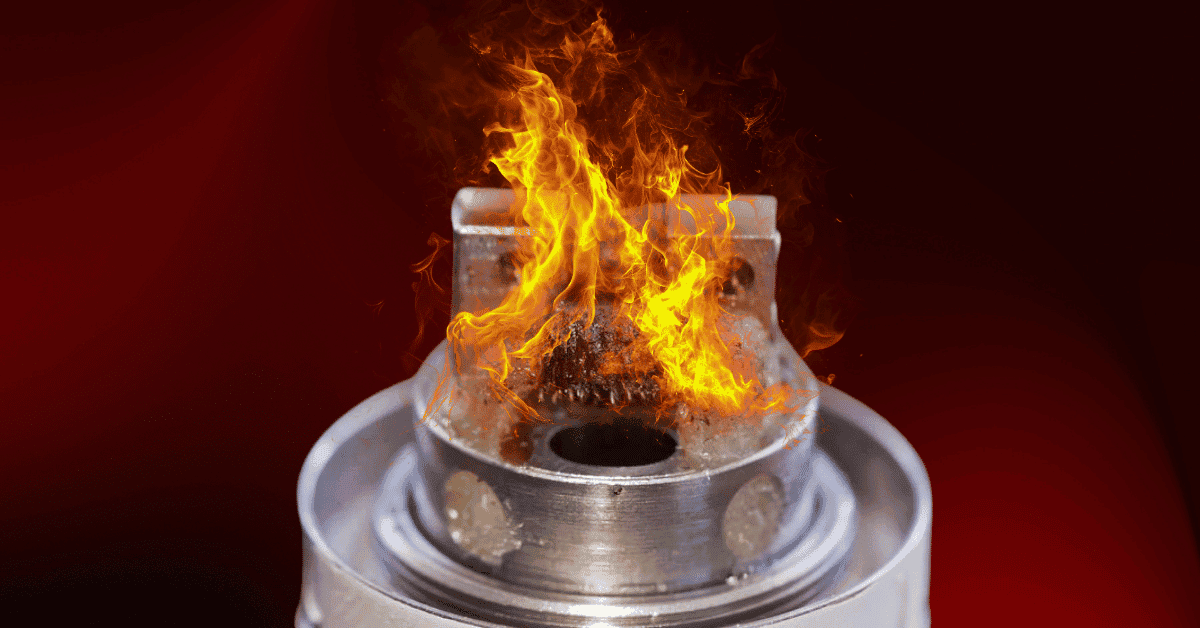
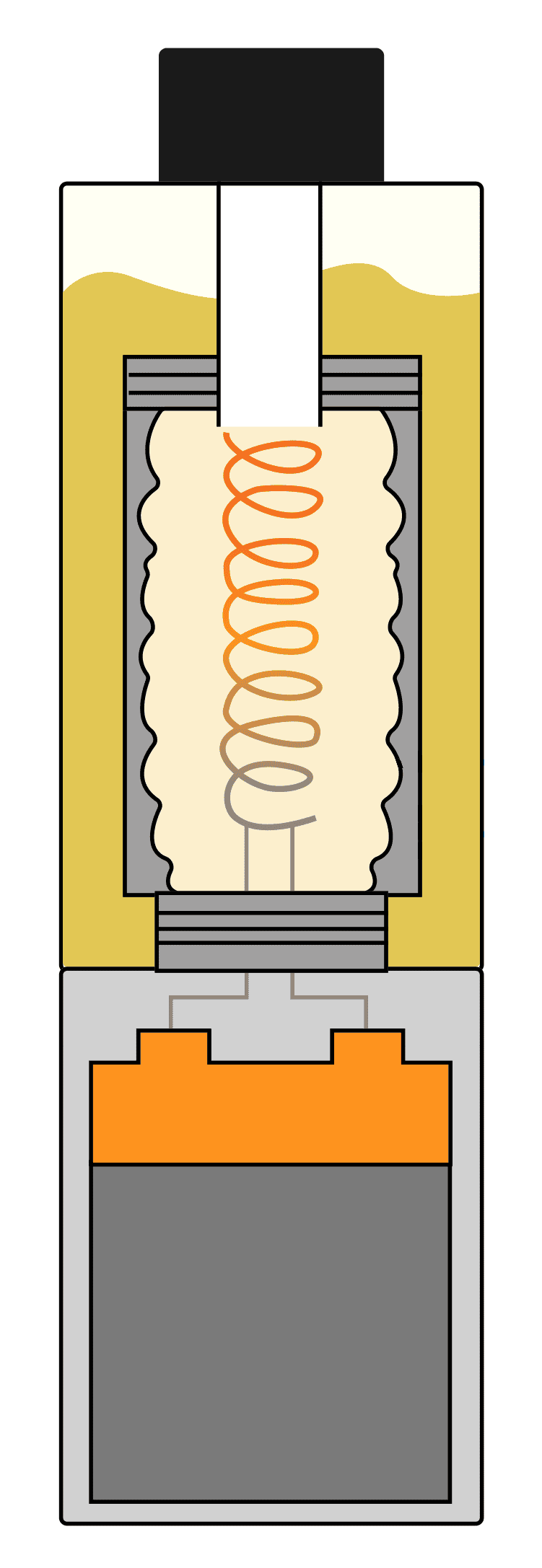
Diagram illustrating the internal components of a vape atomizer assembly, showing the mesh heating element and surrounding absorbent wick material.
E-Liquid Oxidisation: How Heat, Air, and Light Mute Vapour Taste
E-liquid is a delicate mixture of chemical aromatics that are sensitive to environmental exposure. Once a pod is opened and partially used, air enters the chamber to replace the displaced liquid.
- Oxidisation: Exposure to oxygen slowly alters both nicotine and flavour molecules, causing them to darken in colour and lose their bright, crisp sensory profile.
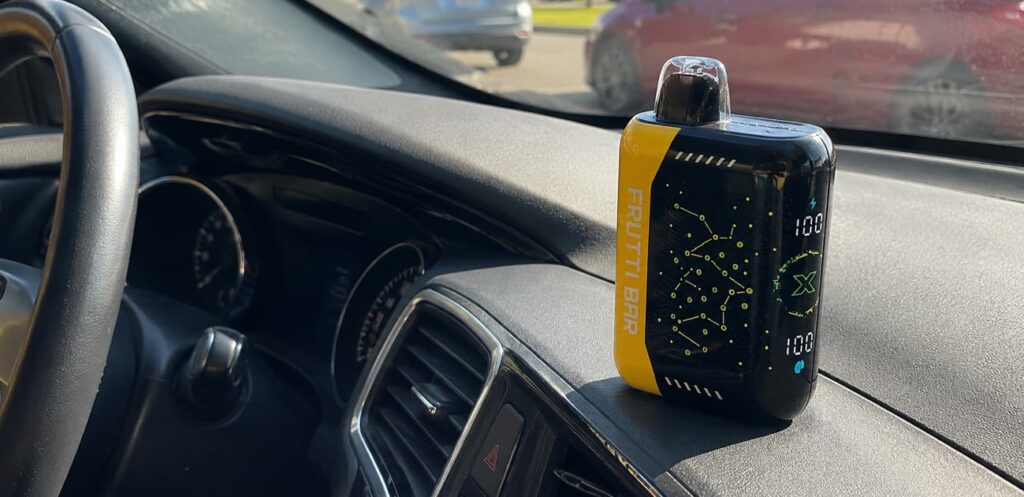
- Ambient Heat Exposure: Leaving your vape on a car dashboard under the Australian sun or carrying it in a hot pocket accelerates liquid breakdown. Excessive heat thins the liquid, accelerates oxidisation, and can evaporate the more volatile top-note flavourings before you ever take a puff.
If you are using long-lasting hardware like the Umin collection or devices built for longevity, keeping them stored away from direct sunlight and extreme temperatures will ensure your e-liquid stays vibrant from the first draw to the last.
Is It the Device or You? Recognising Olfactory Fatigue ("Vaper's Tongue")
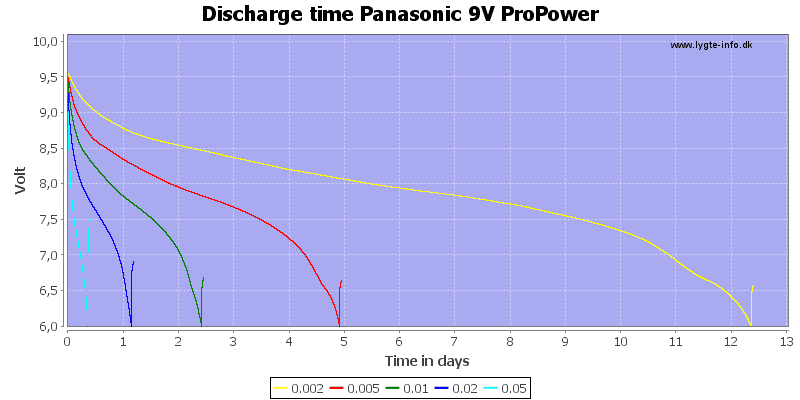
A graphic illustrating a vape device with a low battery indicator or a chart showing a battery voltage discharge curve over time.
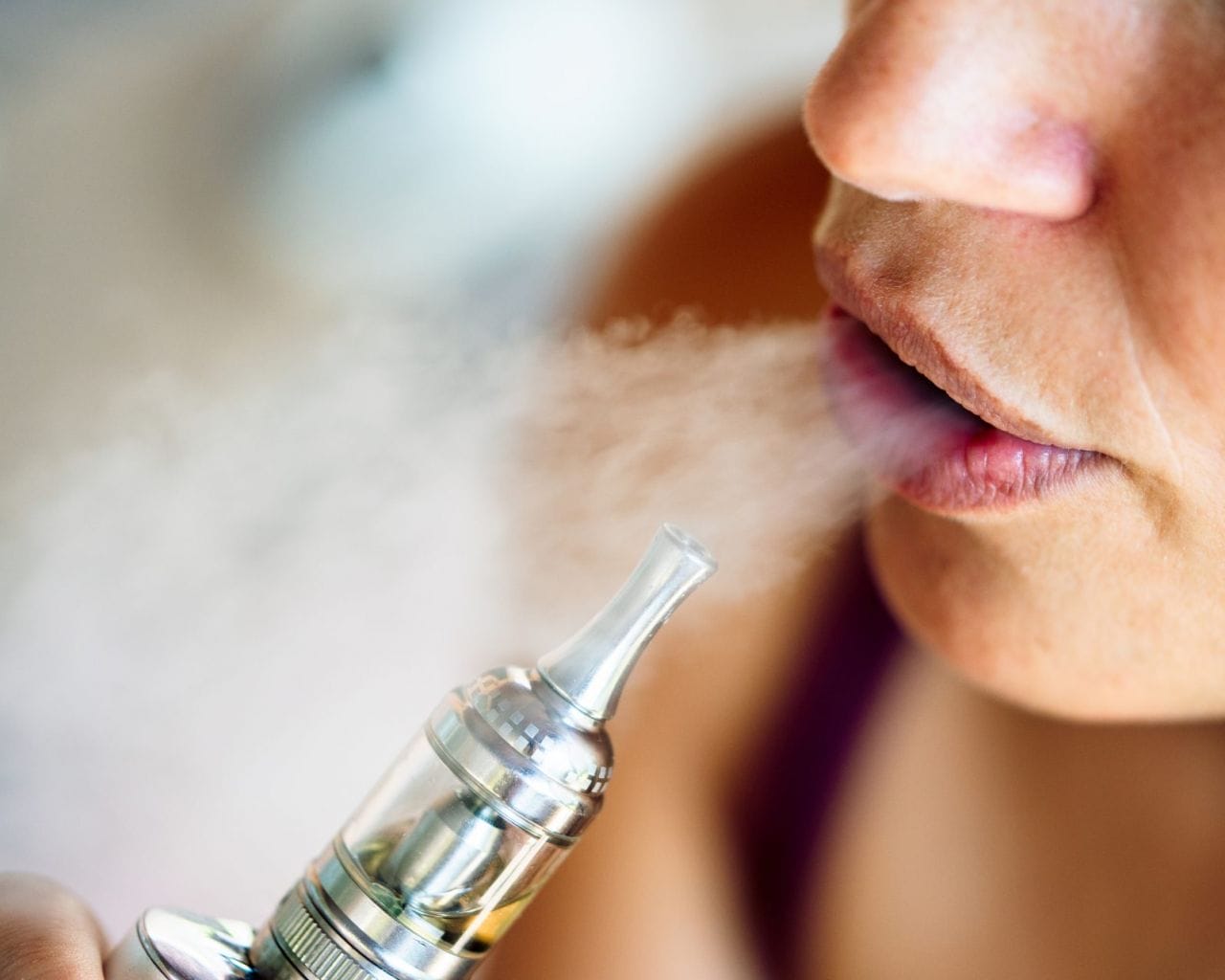
Sometimes, the vape hardware and e-liquid are working flawlessly, but your brain simply stops registering the taste. This physiological phenomenon is known colloquially as "vaper's tongue" or olfactory fatigue.
Our sense of taste is heavily dependent on our sense of smell. When you continuously inhale the exact same aroma profile—such as an intense mango ice or sweet strawberry—your olfactory receptors become temporarily desensitised to those specific chemical compounds. Your brain begins filtering the scent out as background noise.
Signs of Olfactory Fatigue:
- Your current daily vape tastes completely bland, but other foods and drinks taste normal.
- Switching to a completely different flavour profile (e.g., swapping a sweet dessert for a sharp menthol or citrus) immediately produces strong flavour.
- Your friend takes a puff of your device and remarks on how strong the flavour is, even though it tastes like plain steam to you.
Olfactory fatigue usually resolves on its own within a day or two once you rotate flavour profiles, stay well hydrated, or practice good oral hygiene with a tongue scraper.
Diagnostic Guide: Why Your Vape Flavour Is Fading
Use this quick comparison table to identify why your device is underperforming and how to resolve the issue:
| Symptom | Primary Cause | Immediate Fix | Preventive Action |
|---|---|---|---|
| Thin, airy vapour with dull flavour | Dropping battery voltage | Recharge the device fully | Avoid vaping on low battery; use regulated devices |
| Burnt or scratchy aftertaste with juice left | Caramelised coil residue / scorched wick | Replace pod or coil | Avoid overly sweetened juices; wait 15–30s between puffs |
| Sudden loss of flavour after chain vaping | Wick starvation / airlock | Let the device rest upright for 5 minutes | Slow down puff frequency; tap pod to clear bubbles |
| Device produces vapour, but taste is completely flat | Olfactory fatigue ("vaper's tongue") | Switch to a fresh flavour profile (e.g., menthol) | Rotate between 2–3 flavours regularly; drink water |
| Darkened e-liquid with stale, peppery taste | E-liquid oxidisation from heat/light | Finish pod or replace old liquid | Store device in a cool, dark place away from heat |
Practical Tips to Keep Flavour Strong to the Very End
To ensure you get maximum taste clarity and never waste e-liquid, incorporate these straightforward maintenance habits:
1. Pace Your Puffs
Give your device 15 to 30 seconds between draws. This brief pause allows the wick to absorb fresh e-liquid via capillary action and cools the heating element, preventing premature coil burnout.
2. Keep Your Device Charged
If you use a rechargeable disposable or pod mod, do not wait until the battery is completely flat before plugging it in. Topping up the battery maintains higher operating voltage, keeping atomisation temperatures in the sweet spot for full-spectrum flavour delivery.
3. Clear Trapped Air Bubbles
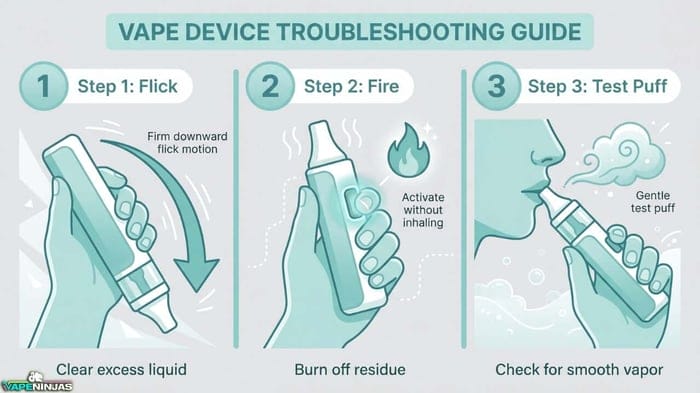
If you suspect an airlock is starving your wick, gently flick or tap the pod against your palm. You will often see a trapped air bubble release from the coil housing and float to the top, allowing fresh juice to rush into the wick.
4. Choose Balanced Formulations
If you use refillable hardware, consider using e-liquids with moderate sweetening levels. Ultra-sweet concoctions will invariably shorten coil lifespan and lead to muted draws earlier in the pod's life cycle. For those curious about product quality and clean ingredient profiles, exploring what makes a high-quality vape can provide great insight into selecting cleaner formulations.
Final Thoughts
Experiencing vape flavour fading before your pod or disposable is finished is a common annoyance, but it is rarely a mystery. By understanding the combined impacts of sweetener caramelisation, battery discharge curves, wicking dynamics, and olfactory fatigue, you can easily troubleshoot weak flavour and extend the performance of your hardware.
Take steady draws, keep your battery charged, store your vape away from heat, and switch up your flavours occasionally to keep your taste buds sharp. With these simple adjustments, you can enjoy rich, satisfying vapour right down to the final drop.



 UMIN SLICK PLUS 10000
 ALIBARBAR INGOT 9000
 IGET BAR PRO 10000
 IGET ONE 12000
 IGET BAR PLUS S3 10000
 IGET BAR PLUS S3 POD 10000
 IGET MOON K5000
 GEEK BAR PULSE X 25000