











Why Does a Disposable Vape Work Better After Sitting for a Few Minutes? (2026 Guide)
If you have ever taken several draws in a row only for the vapour to turn thin, hot, or slightly dry, you know how disappointing the experience can be. Yet, after leaving the device alone on a tabletop for five or ten minutes, you take another puff and discover the vapour is thick, smooth, and full of taste once again. This common phenomenon—where a vape works better after resting, vape flavour returns after rest, and a vape weak then normal pattern occurs—is not your imagination playing tricks on you.
Behind every satisfying draw lies a delicate balance between thermodynamic heat transfer, fluid dynamics within microscopic fibres, and electrochemistry inside a miniature lithium-ion cell. When you understand the science of vape wick resaturation and device cooldown, you can dramatically extend the life of your hardware and avoid foul, dry hits.
The Science of the Soak: Capillary Action and Wick Resaturation
The primary reason a device performs significantly better after sitting untouched comes down to the wicking material surrounding the internal heating element. Inside almost every disposable atomiser, a porous wick—typically made of medical-grade organic cotton or a synthetic cellulose blend—acts as a conduit between the internal reservoir and the heating coil or mesh strip.
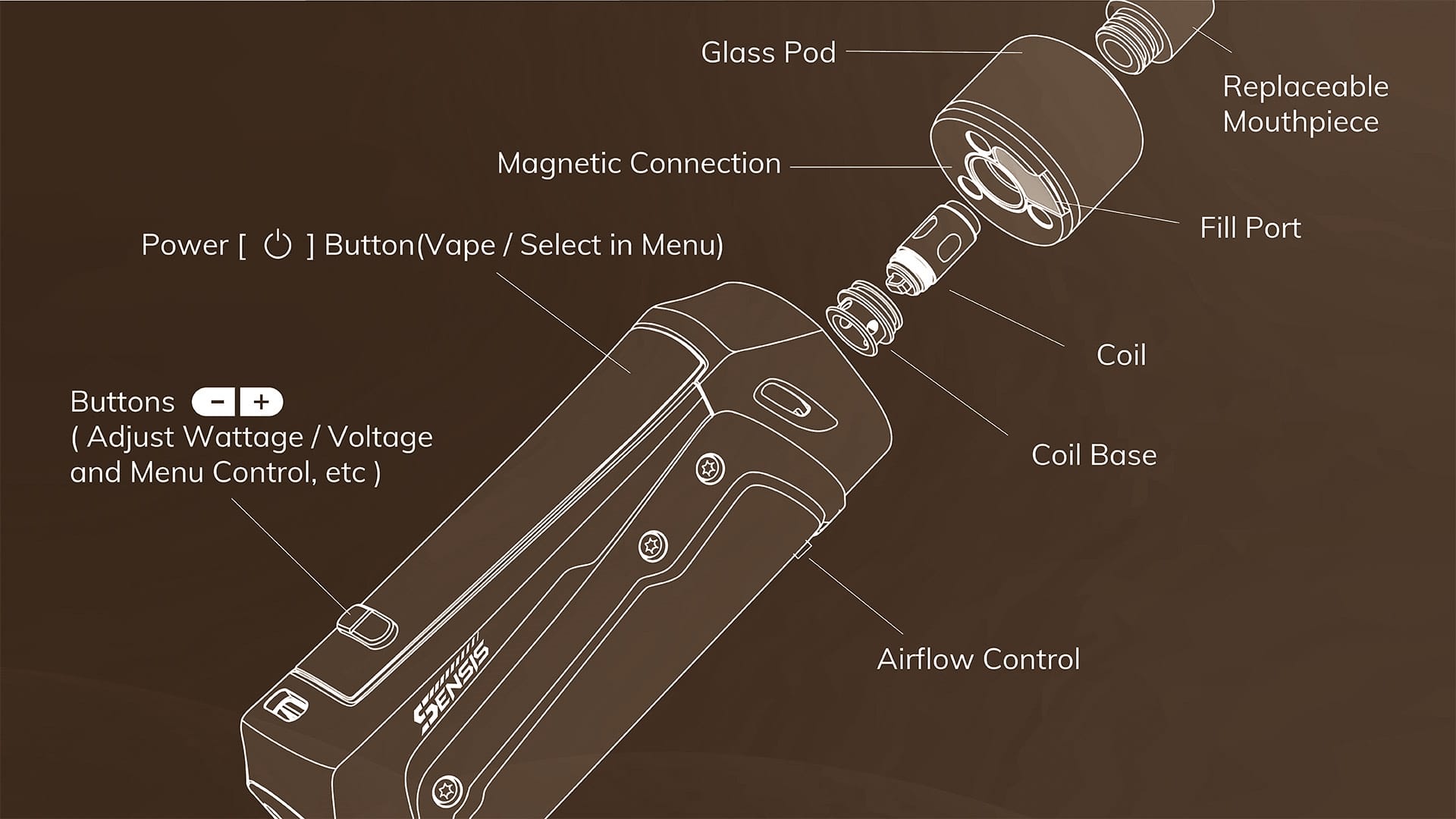
Diagram showing the difference in e-liquid distribution within a vape device when stored horizontally versus correctly upright, highlighting wick saturation.
- E-Liquid Reservoir — ==> — Porous Wick — ==> — Mesh Coil Wire
- (Fluid Store) — (Capillary Feed) — (Aerosol)
When you inhale, the coil heats up instantly, vaporising the e-liquid held directly in the fibres touching the wire. For your next inhale to taste just as rich, that vaporised liquid must be replaced immediately. This replenishment occurs via capillary action—the ability of a liquid to flow through narrow spaces without the assistance of, or even in opposition to, external forces such as gravity.
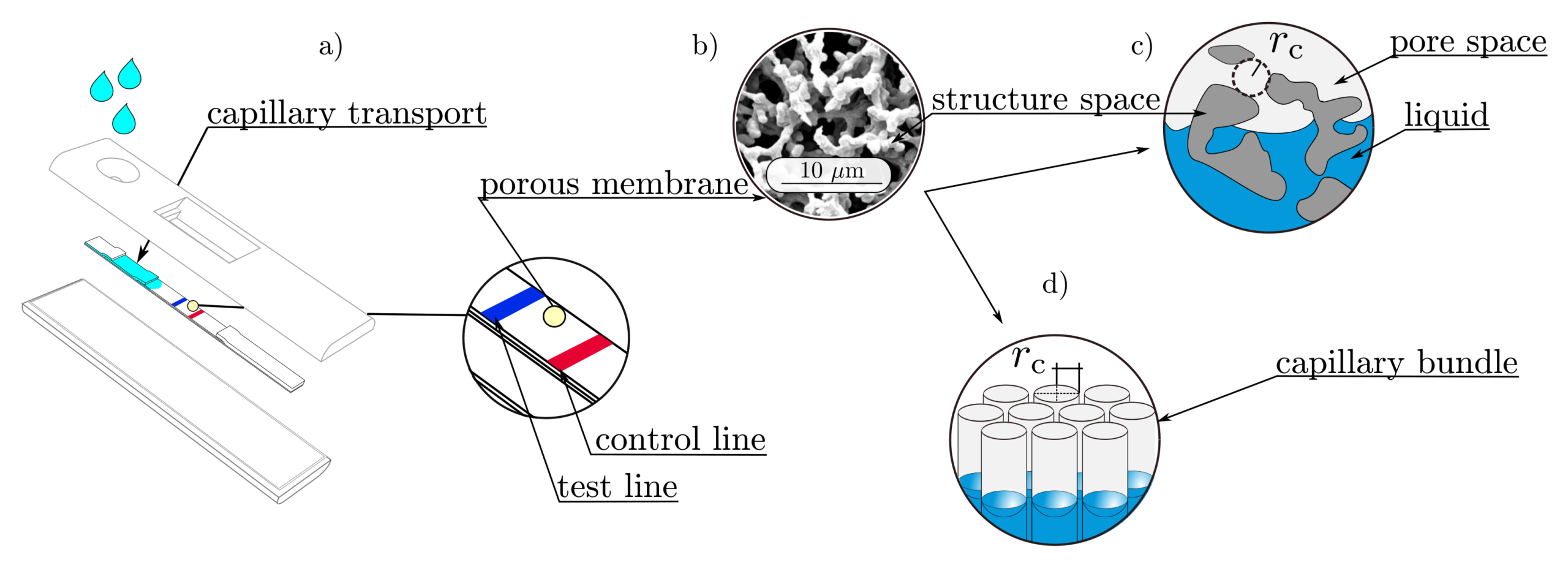
Illustration showing capillary action, with e-liquid being drawn through the microscopic channels of a vape wick to the heating coil.
During rapid or heavy puffing, your coil vaporises liquid much faster than the microscopic channels within the cotton can draw fresh fluid from the outer reservoir. The immediate zone around the heating wire becomes partially parched. If you continue to draw on an under-saturated wick, the coil superheats the remaining traces of liquid, caramelising sweeteners and producing a harsh, dry sensation.
Giving your disposable vape rest time allows capillary action to pull viscous liquid back into the dry fibres surrounding the heating element. Once the cotton reaches complete saturation, the device fires smoothly once more.
Thermal Cooldown: Protecting Flavour and Cotton Fibres
Heat buildup is the second critical factor influencing draw quality during continuous use. Disposable vapes are remarkably compact gadgets, packing a cell, an air sensor, and an atomiser into a pocket-sized shell with minimal internal heat dissipation.
When you chain-vape without pause, residual heat stays trapped inside the atomiser chamber. The heating element never has an opportunity to return to ambient room temperature between activations. Consequently, each subsequent inhale starts from an elevated baseline temperature. This causes two distinct issues:
- Flavour degradation: High temperatures cook the delicate aromatic flavour compounds found in modern e-liquids. Instead of delivering crisp fruit or smooth dessert profiles, the vaporised aerosol begins tasting sour, muted, or chemically altered.
- Thermal fibre damage: As cotton dries out under sustained heat, it approaches its scorching threshold. While fully soaked cotton stays cool because the evaporating liquid carries heat away, dry cotton fibres can rapidly singe. Singed organic cotton begins charring at roughly 215°C, ruining the atomiser permanently.
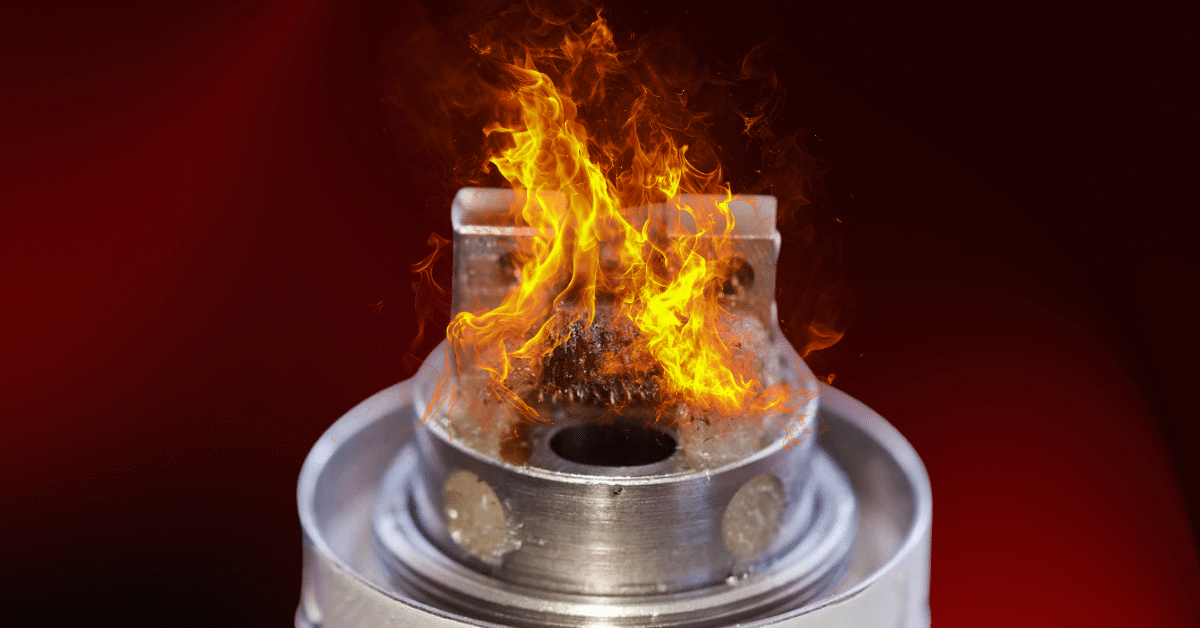
Close-up image of a severely burnt and blackened cotton wick inside a vape atomizer, indicating permanent thermal damage.
Giving the hardware a brief pause allows the atomiser housing and wire to dissipate excess thermal energy into the surrounding air. When the metal cools down, liquid can re-enter the wicking zone without boiling off on contact.
Battery Voltage Bounce-Back: Why Exhausted Vapes Temporarily Revive
Have you ever had a disposable vape blink to indicate a flat battery, only for it to produce a decent puff after sitting undisturbed for fifteen minutes? This bounce-back phenomenon stems from fundamental lithium-ion chemistry.
A disposable vape device with its indicator light blinking, signaling a low or flat battery.
Under Load:         High Demand  --->  Voltage Sag  --->  Sensor Blinks (Cut-Off)
During Rest:        Zero Demand  --->  Ion Diffusion --->  Voltage Bounces Back
When a device fires, the battery delivers a burst of continuous electrical current. Under this high continuous discharge rate, lithium-ion cells experience what engineers call "voltage sag". Internal resistance causes the terminal voltage of the cell to drop temporarily below its normal operating baseline. If the cell is running low on total energy, this drop pushes the voltage below the low-voltage cutoff threshold monitored by the device's microchip, causing the indicator light to flash and preventing further activation.
When you put the vape down and let it rest, the heavy current draw stops completely. Inside the cell, lithium ions and chemical reaction by-products diffuse evenly throughout the internal electrolyte, restoring electrochemical equilibrium. This chemical relaxation produces a small rebound in open-circuit voltage. As a result, the battery voltage creeps back above the safety cutoff point, allowing the device to fire a couple of times before dropping back into a discharged state.
The Critical Difference Between a Dry Hit and a Charred Coil
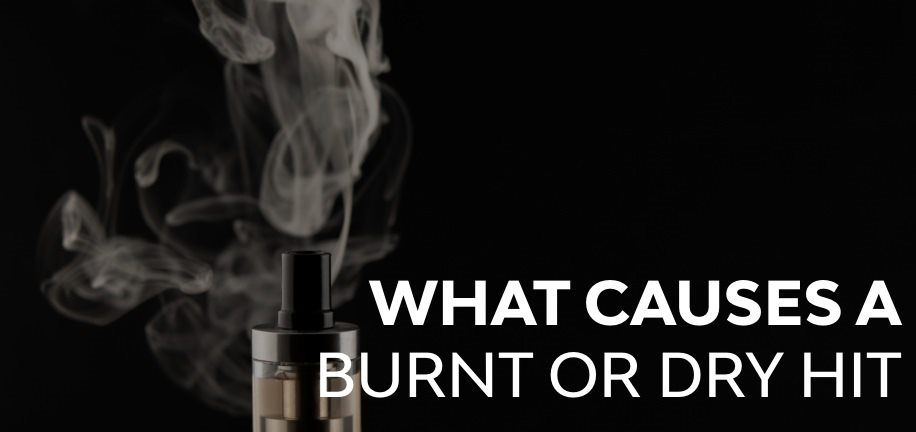
It is vital to distinguish between a dry hit caused by fluid starvation and a completely burnt atomiser. While resting the vape effortlessly resolves the former, it cannot repair the latter.
| Attribute | Temporary Dry Hit (Recoverable) | Charred Coil / Wick (Permanent) |
|---|---|---|
| Primary Cause | Wick depleted faster than liquid could replenish | Cotton fibres charred due to firing while bone-dry |
| Flavour Profile | Thin, muted, harsh on throat, slightly metallic | Acrid, bitter, distinctly smoky, burnt-toast taste |
| Vapour Density | Noticeably wispy and thin | May still produce clouds, but aerosol is harsh |
| Response to Resting | Full flavour and dense vapor return within minutes | Flavour remains ruined on every subsequent puff |
| Hardware State | Reversible fluid starvation | Irreversible molecular damage to cotton fibres |
If your vape flavour returns after rest, the cotton suffered no permanent harm—the coil simply needed a fresh supply of liquid. If you let the device sit upright for an hour and every subsequent puff still tastes like a campfire, the internal cotton has carbonised. Once organic cotton chars, it cannot be cleaned or unburnt; the hardware must be retired.
Side-by-side comparison illustrating a recoverable vape dry hit (slightly discolored wick) versus a permanently charred and unusable coil/wick.
Physical Orientation and Airflow Mechanics
The position in which you store your vape plays a massive role in whether the wick stays wet or runs dry. Many users carry their devices horizontally in a bag or pocket, or leave them resting on their side across a desk.
Inside the device, liquid flows toward the base of the housing where the intake ports sit. If the device lies flat on its side for hours, gravity pulls the internal reservoir fluid away from the upper saturation ports. One side of the atomiser wick remains soaked while the opposite side slowly dries out. Taking a long draw immediately after picking up a side-resting vape often results in an uneven burn across the coil wire.
Diagram showing the difference in e-liquid distribution within a vape device when stored horizontally versus correctly upright, highlighting wick saturation.
Standing your device upright ensures that gravity works in your favour, drawing liquid down into the central wick assembly. Furthermore, clear airflow pathways are essential for cooling the wire during inhalation. If you notice unusual resistance or acoustic oddities, checking common internal blockages—as explained in our troubleshooting guide on Why Is My Vape Whistling How To Fix—can help ensure the air adequately cools the heating wire.
For high-capacity hardware featuring expansive reservoirs, like the Alibarbar Ingot 9000 Ribena or the rich berry profile of the Alibarbar Ingot 9000 Black Forest, maintaining proper upright storage is essential for ensuring the massive internal saturation wick stays primed across thousands of draws.
Practical Tips to Maintain Consistent Vapour and Flavour
To ensure you never face parched wicks or degraded flavour profiles, integrate these habits into your daily routine:
- Pace your draws deliberately: Give the wick at least fifteen to thirty seconds between individual inhales. This gives capillary suction time to draw fresh e-liquid back into the atomising core.
- Keep draws to moderate durations: Pulling on a device for five or six seconds at a stretch rapidly overheats the coil and drains liquid faster than the cotton can supply it. Aim for smooth, steady two- to three-second draws.
- Store devices upright at room temperature: Keeping your vape standing vertically ensures the coil feed ports remain submerged. Avoid storing devices in excessively cold spaces, as low ambient temperatures increase the viscosity of vegetable glycerine (VG), slowing capillary re-saturation to a crawl.
- Never attempt DIY battery hacks: Do not place dead vapes in the freezer or try to recharge single-use disposable batteries with stripped charging cables. These practices risk internal short circuits, chemical leakage, and battery failure.
- Know when the reservoir is finished: If you have allowed the device to rest upright for twenty minutes, the battery is fully charged, and the vapour still tastes thin and harsh, the e-liquid reservoir has naturally run out of fluid.
Summary
When your vape weak then normal transitions happen, you are witnessing fluid mechanics and electrochemistry in real time. Allowing a disposable vape to sit undisturbed provides two indispensable benefits: it gives capillary action the necessary window to re-saturate parched cotton fibres around the coil, and it lets the heating assembly shed trapped heat so flavour compounds are vaporised rather than scorched. By storing your device upright and pacing your inhales, you protect the internal wick from permanent burning and enjoy crisp, clean flavour right down to the final drop.



 UMIN SLICK PLUS 10000
 ALIBARBAR INGOT 9000
 IGET BAR PRO 10000
 IGET ONE 12000
 IGET BAR PLUS S3 10000
 IGET BAR PLUS S3 POD 10000
 IGET MOON K5000
 GEEK BAR PULSE X 25000