











How Long Should You Charge a Rechargeable Disposable Vape? The 2026 Guide to Vape Charging Time
Knowing exactly how long to charge a disposable vape is essential for getting consistent flavour and reliable performance from your device. As modern hardware designs evolve, rechargeable disposable vape charging has become the standard format for multi-session devices, ensuring you can use all the reservoir capacity without the power cell dying first. However, managing your vape charging time correctly makes all the difference between a smooth draw and a ruined internal component.
For most modern units, the standard charging duration sits comfortably between 30 and 60 minutes. Because these devices use compact integrated lithium-ion cells, leaving them plugged in for hours on end is neither necessary nor advisable. In this guide, we break down the typical charging timelines, what affects charge speeds, and how to keep your hardware running smoothly from the first puff to the last.
Standard Vape Charging Time Across Different Devices
A close-up shot of a disposable vape with its LED indicator light illuminated with a continuous solid glow, signifying active charging status.
The total duration required to replenish a disposable device depends heavily on the internal battery capacity, the charging interface, and the power intake rating. Unlike large modular vape mods that house high-capacity external cells, disposable units rely on small, lightweight internal cells engineered for rapid top-ups.
Generally, you can expect the following timelines based on standard hardware formats:
- Compact All-in-One Disposables: Typically require 30 to 45 minutes to reach full capacity from empty.
- Rapid-Charging Pod Systems: Engineered with high-efficiency intake circuits, some streamlined devices can reach full capacity in approximately 25 minutes.
- Higher-Capacity Rechargeable Units: Larger format disposables with larger reservoirs (such as those holding upwards of 2.0 ml or extended e-liquid volumes) generally take between 45 and 60 minutes.
Disposable Vape Charging Timelines & Specifications
| Device Category | Typical Reservoir Capacity | Common Port Type | Estimated Charging Duration |
|---|---|---|---|
| Ultra-Compact Disposable | 0.3 ml – 1.0 ml | Micro-USB / USB-C | 25 – 35 minutes |
| Standard Rechargeable Disposable | 1.0 ml – 2.0 ml | USB-C | 30 – 50 minutes |
| Extended-Life Disposable Pod | 2.0 ml+ | USB-C | 45 – 60 minutes |
| Rapid-Charge Pod Device | Pod-based system | USB-C | ~25 minutes |
Key Factors That Impact Rechargeable Disposable Vape Charging
Not every device behaves identically when plugged into a power source. Several environmental and hardware-specific factors dictate how quickly your device reaches full operational charge.
1. Battery Capacity (mAh Rating)
The milliampere-hour (mAh) rating defines the total energy storage of the cell. Disposable vapes typically feature batteries ranging between 350 mAh and 650 mAh. A smaller 350 mAh cell requires significantly less time on power than a denser 650 mAh battery, even when both use identical cables.
2. Charging Interface and Cable Quality
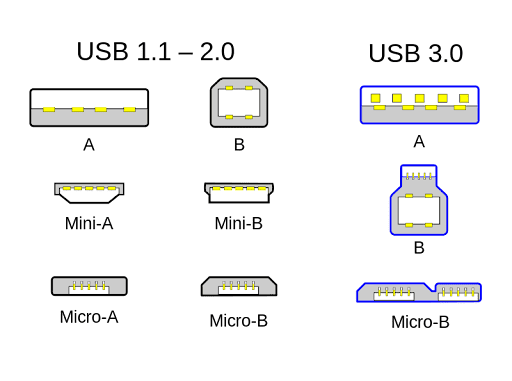
USB-C has largely replaced legacy Micro-USB connections across reputable brands such as Umin and other industry innovators. USB-C ports provide a more stable power connection and lower resistance, facilitating efficient current transfer that keeps overall charge durations under an hour.
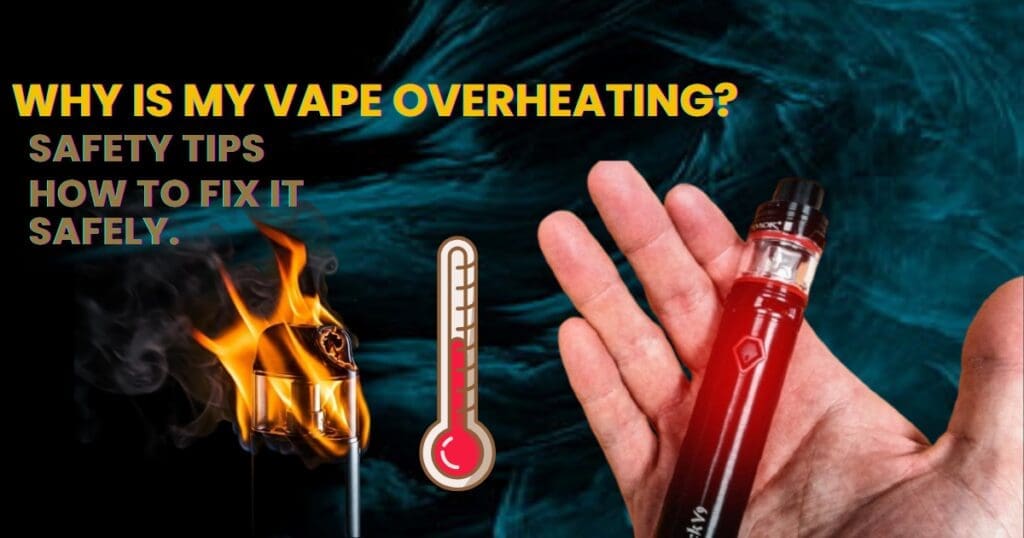
A conceptual or thermal image illustrating a disposable vape showing signs of heat build-up or overheating around its battery compartment during prolonged charging.
3. State of Charge Out of the Box
Most brand-new disposable vapes arrive partially or nearly fully charged straight from the factory. However, if a device has remained on a retail shelf or in a warehouse for an extended period, the internal cell can naturally self-discharge over time. In such instances, giving the unit a brief 20-to-30-minute top-up before your initial session ensures full vapour production.
How Long to Charge a Disposable Vape for Safety and Longevity
One of the most frequent questions from adult consumers is whether it is safe to leave a disposable unit plugged in overnight. The straightforward answer is no: you should disconnect your device as soon as the cycle finishes.
Because disposable units feature streamlined circuitry compared to advanced box mods, they are best monitored while charging. Setting a timer for 30 to 45 minutes is a good habit.
Why Overcharging Is Counterproductive
- Heat Build-Up: Prolonged connection to a live current generates unnecessary warmth around the battery housing.
- E-Liquid Preservation: Excess heat transferred from the battery compartment to an adjacent reservoir can thin the e-liquid or degrade delicate flavour compounds. Those exploring wider questions around device ingredients and hardware design often look into What Is The Healthiest Vape options to better understand how heat and materials interact.
- Component Stress: Small lithium cells perform best when charged within moderate temperature ranges rather than being held at maximum voltage under sustained power.
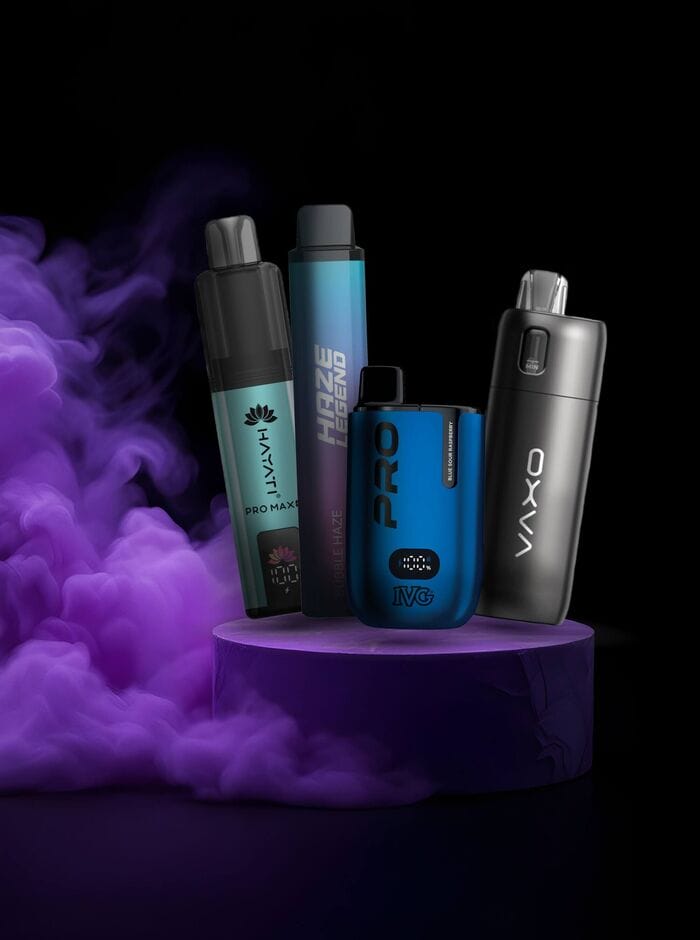
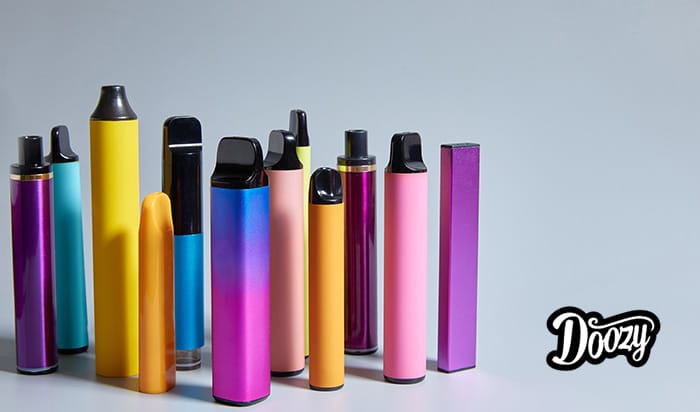
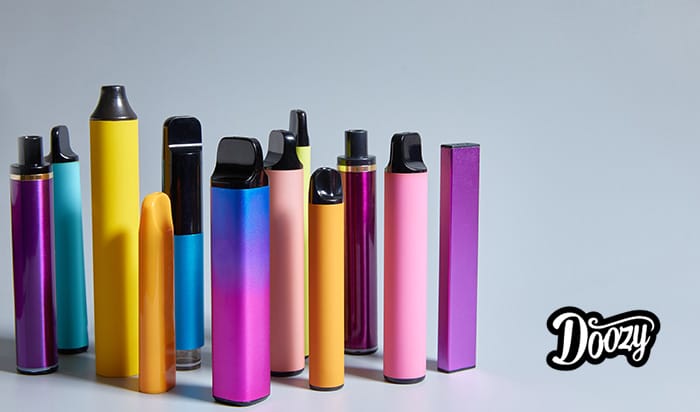
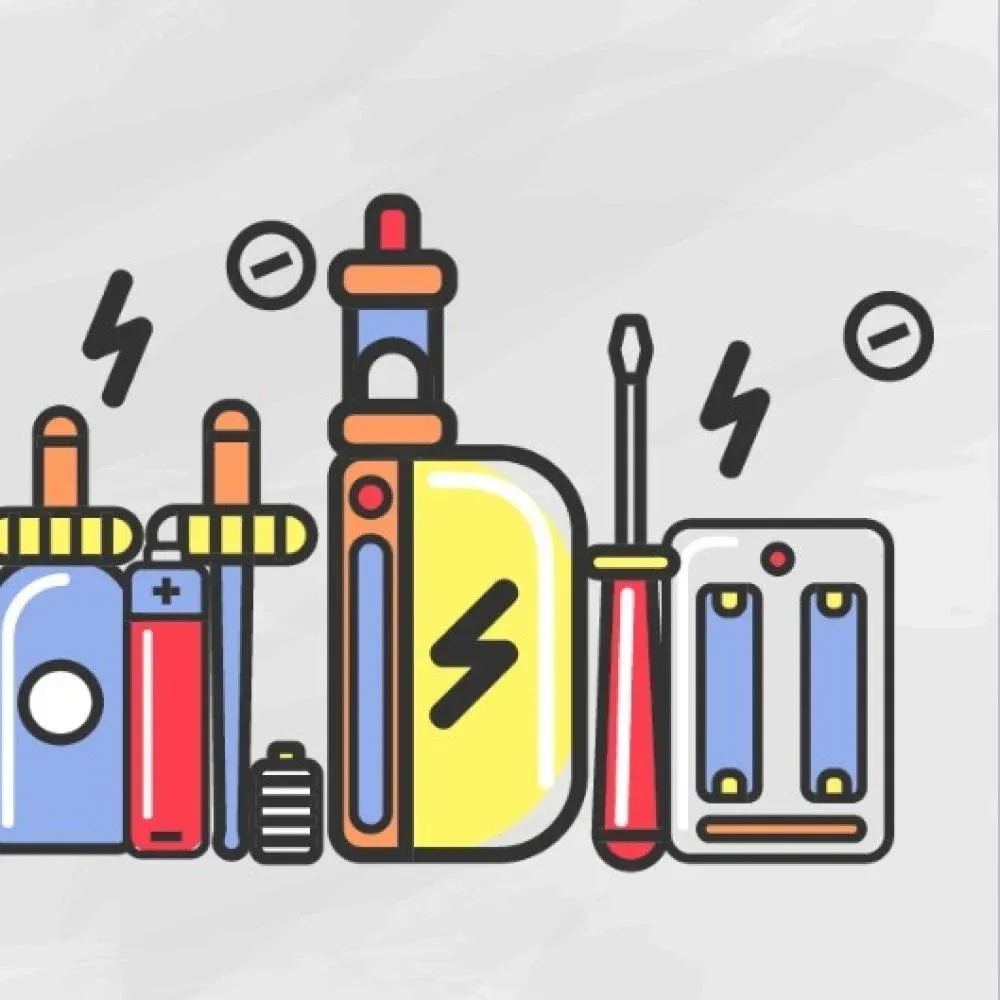
An assortment of different types of rechargeable disposable vapes, some plugged in with charging cables, illustrating various form factors and sizes.
Plug In Device (USB-C) ➔ Monitor for 30–60 Mins ➔ Disconnect Promptly
How to Tell When Your Device Is Fully Charged
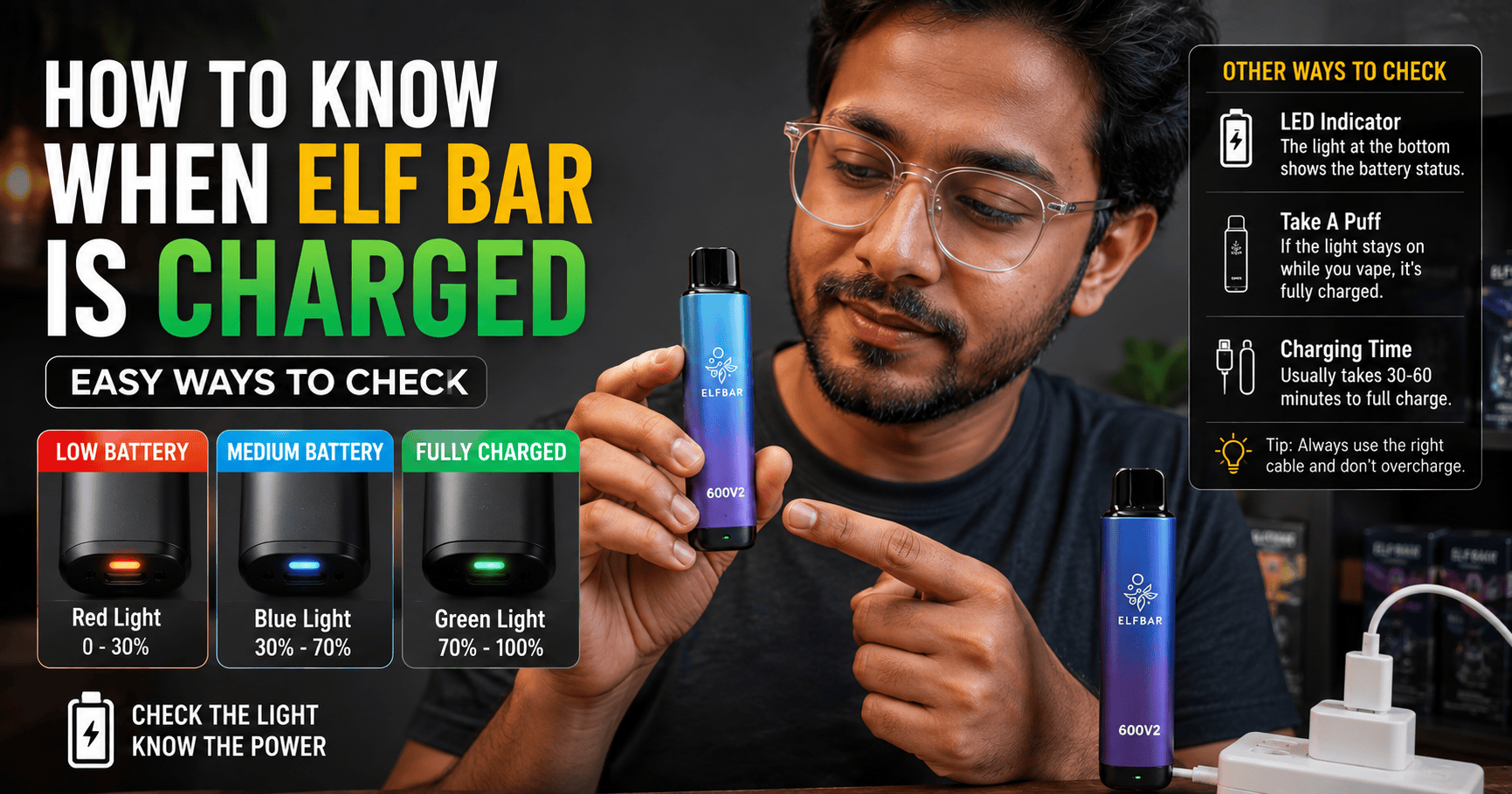
Because disposable vapes do not have digital OLED screens, they communicate their battery status through simple external LED indicator lights located near the base or charging port.
- Active Charging Status: When first connected, the LED indicator will illuminate. On most designs, this appears as a continuous solid light or a slow pulsing glow.
- Cycle Completion: Once the battery reaches its target voltage, the indicator will typically change its state—either switching to a different colour or switching off entirely.
- Low Battery Warning: When in use, a rapidly flashing light during an inhale indicates that the battery has depleted its operating voltage and requires a recharge.
A disposable vape safely charging on a clean, hard, non-flammable surface such as a wooden desk or countertop, away from combustible materials.
If your device features no illumination change after an hour on a working cable, unplug it and test the draw; in most instances, the internal cell is already full.
Best Practices for Charging and Daily Maintenance
To get the most out of popular disposable lines—such as reliable units from Iget or rich flavour formats like the Alibarbar Ingot 9000 Ribena—proper handling makes a noticeable difference.
Recommended Charging Habits
- Use Low-Output Power Sources: Connect your charging cable to standard 5V USB ports, such as a computer USB port, a gaming console, or a certified low-amp wall adapter.
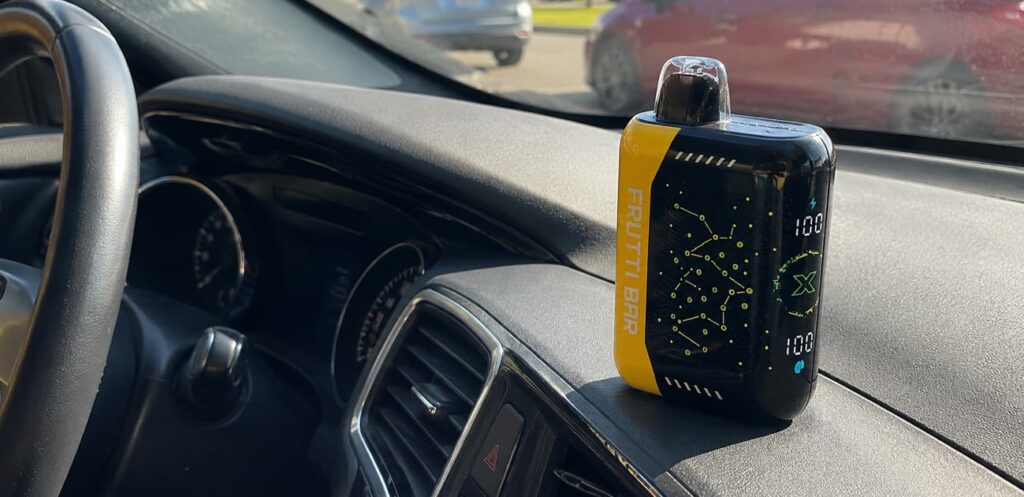
- Charge on Non-Flammable Surfaces: Always place your device on a hard, flat surface (such as a desk or countertop) away from direct sunlight, bedding, or upholstery.
- Keep the Port Clean: Pocket lint and dust can easily gather inside open USB ports, impeding the electrical connection. Inspect the socket periodically and clear any debris with a dry wooden toothpick.
- Do Not Vape While Charging: Known as "pass-through" vaping, drawing on a disposable while it is plugged in places simultaneous discharge and recharge loads on a compact cell, generating avoidable heat.
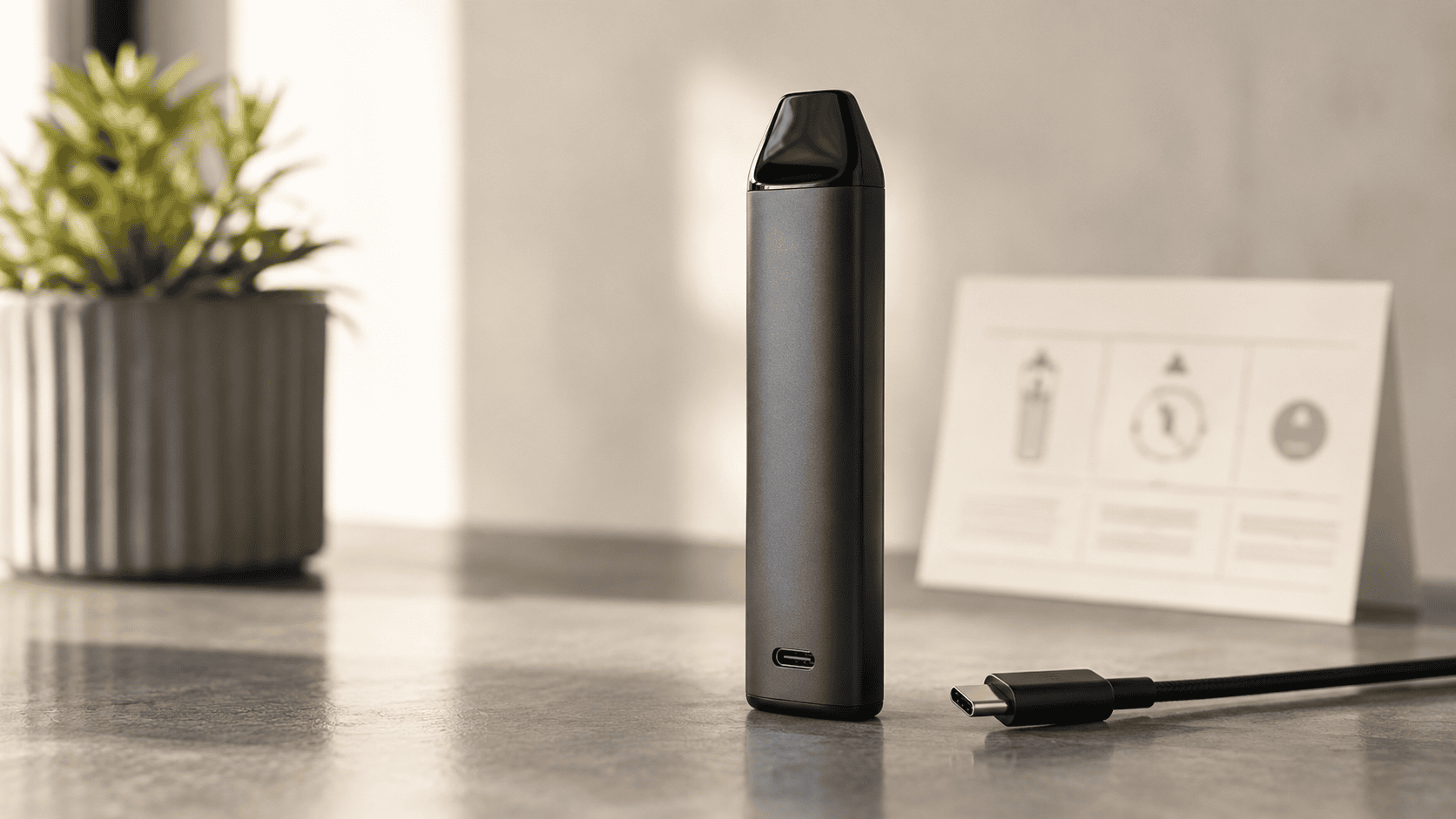
A close-up comparison image showing a disposable vape with a USB-C charging port next to a vape with a Micro-USB port, highlighting the different connectors.
Troubleshooting a Disposable Vape That Won't Charge
If you plug your vape in and the indicator light fails to respond, run through these simple troubleshooting steps before assuming the device is faulty:
- Check the Cable and Adapter: Cables wear out quickly. Swap out your USB-C lead for another verified cord to rule out a broken wire.
- Inspect the Connection Point: Ensure the cable sits fully flush within the charging port. A loose fit often prevents the charge circuit from engaging.
- Check E-Liquid Levels: If your vape takes a full charge (the light signals complete) but produces weak vapour or a sharp, dry taste, the internal e-liquid reservoir has likely run dry. Disposable devices cannot be refilled once their internal reservoir is depleted, meaning it is time to replace the unit.
Responsible Disposal in Australia
Once your rechargeable disposable vape has fully depleted its e-liquid reservoir—typically after several recharges across its lifespan—it must be disposed of responsibly.
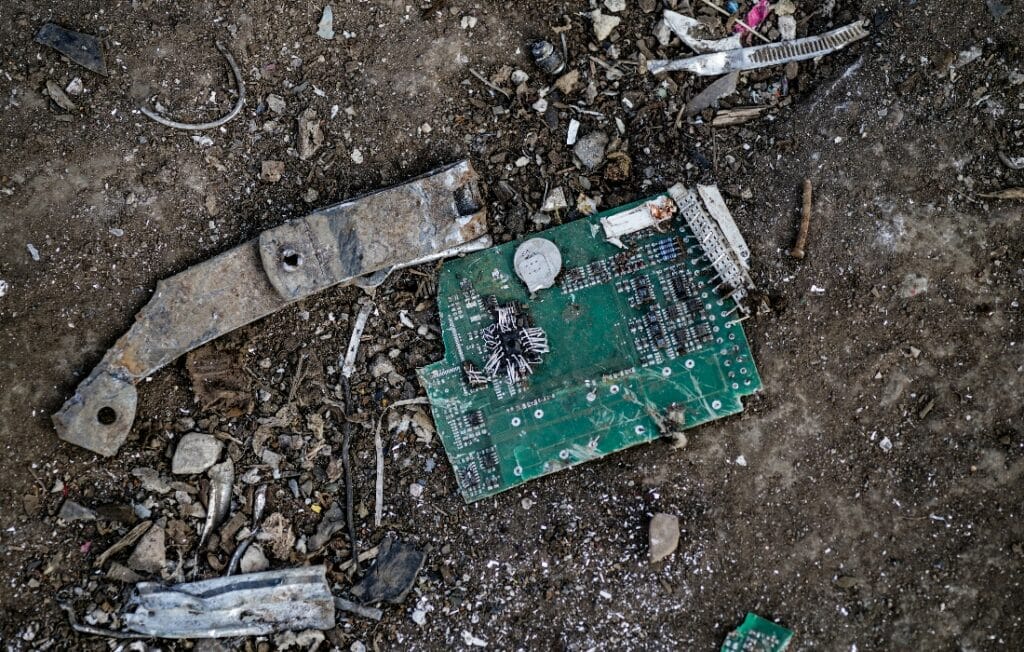
Because these units contain integrated lithium-ion batteries alongside electronic circuitry, they should never be tossed into domestic kerbside rubbish or standard recycling bins, where compaction can create safety hazards. Instead, take your spent hardware to dedicated community battery recycling drop-off points or local e-waste collection facilities available across Australian municipalities.
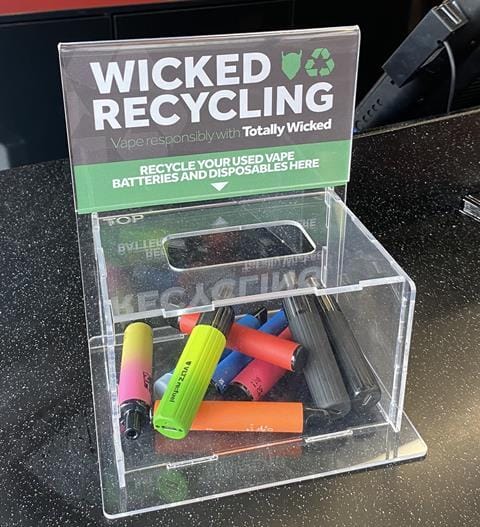
A graphic or photograph showing used disposable vapes being placed into a designated e-waste or battery recycling bin, emphasizing responsible disposal.
Summary of Key Takeaways
Managing your disposable vape's battery life is straightforward once you know what to look for:
- Timeframe: Standard charging takes between 30 and 60 minutes; rapid pod systems can finish in as little as 25 minutes.
- Indicators: Watch the LED light at the base to determine when power delivery is complete.
- Safety: Avoid leaving devices plugged in unattended or overnight, and stick to standard, low-output USB power sources.
- End of Life: When the battery is charged but vapour production ceases or tastes burnt, the e-liquid is spent, and the device should be taken to an approved battery drop-off location.



 UMIN SLICK PLUS 10000
 ALIBARBAR INGOT 9000
 IGET BAR PRO 10000
 IGET ONE 12000
 IGET BAR PLUS S3 10000
 IGET BAR PLUS S3 POD 10000
 IGET MOON K5000
 GEEK BAR PULSE X 25000