











Why Is There Less Vapour from Vape Setups When the Flavour Still Tastes Normal?
It is one of the most puzzling moments a vaper can encounter: you draw on your device, the taste comes through crisp and punchy, but the resulting cloud is thin and wispy. You expect that if something is wrong with your kit, it should taste burnt, dry, or muddy. Experiencing a situation where your vape flavour normal low vapour continues puff after puff can leave you scratching your head. Whether dealing with a weak vapour disposable during your weekend break or noticing your refillable pod mod suddenly delivering a fraction of its usual cloud volume, this imbalance between rich taste and thin aerosol is surprisingly common across Australia.
Close-up photo of a vape coil with visible dark gunk or caramelized sweetener residue, indicating early stages of coil aging.
When you notice less vapour from vape gear while the notes of your favourite e-liquid remain clean, it generally signals that your atomisation chamber is still capable of vaporising delicate flavour concentrates, but lacks the energy, airflow dynamics, or e-liquid volume required to create a dense plume. Rather than tossing your kit in the bin, understanding the mechanical and thermal causes behind this issue can help you diagnose and resolve the fault within minutes.
The Physics of Thin Clouds: Why Good Taste Does Not Always Mean Full Clouds
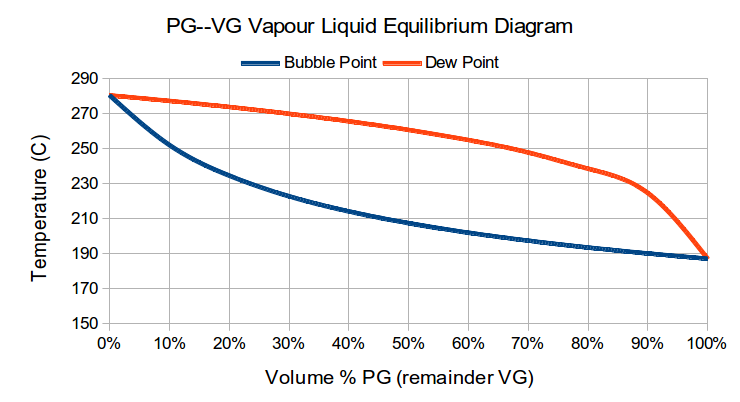
To understand why your cloud density has plummeted without ruining the taste, it helps to understand how e-liquids vaporise. Commercial vape liquids consist of a base blend—vegetable glycerine (VG) and propylene glycol (PG)—combined with concentrated flavourings and optional nicotine.
Flavour concentrates and PG vaporise at relatively modest temperatures and need very little energy to become aromatic. Dense aerosol clouds, on the other hand, rely heavily on the vegetable glycerine fraction of your e-liquid and require sufficient thermal mass across the coil surface to atomise effectively.
A hand using a cotton swab to clean the electrical contact pins and sensor bay of a vape pod device, removing condensation.
If your heating element receives enough heat to reach the volatilisation threshold for the flavourings, you will perceive a vibrant, accurate profile. However, if the coil falls short of reaching the full temperature curve necessary to vaporise the viscous VG portion rapidly, cloud volume collapses. You get all the sweetness, menthol, or fruit notes across your palate, but exhale almost nothing.
Diagnosing a Disposable Vape Vapour Drop
With modern pre-filled disposables engineered for extended longevity—some models offering capacities between 10,000 and 50,000 puffs—users frequently encounter a disposable vape vapour drop before the device is completely spent. Because disposable units bundle the battery, heating mesh, airflow sensor, and wicking reservoir into a sealed chassis, several specific factors can choke your cloud output while leaving taste untouched.
1. Battery Voltage Depletion
Many standard and draw-activated disposables operate on direct battery output rather than regulated constant-voltage chipsets. As the lithium-ion cell discharges, its working voltage naturally tapers off. While the battery still holds enough charge to activate the draw sensor and warm the mesh, the reduced wattage produces a cooler, thinner aerosol. The flavour remains bright because the cotton wick is not scorched, but the atomisation energy simply cannot create robust vapour.
2. Saturated Condensation in the Airway
During regular use, tiny droplets of aerosol cool down and re-condense inside the narrow chimney of the mouthpiece. Over hundreds of draws, this condensation creates a micro-film that narrows the airway. The constricted draw increases the velocity of the air over your tongue, which can actually intensify your perception of flavour, even while the total volume of exhaled vapour appears noticeably thinner.
Cross-section diagram showing condensation droplets building up inside the narrow chimney of a vape mouthpiece, restricting airflow.
3. Reservoir Geometry and Capillary Flow
Inside a high-capacity disposable, e-liquid is held within an internal reservoir or fibrous batting surrounding a central mesh core. When you are nearing the final stages of the device's lifespan, gravity and surface tension mean the liquid feeds more slowly into the coil. The wick stays just damp enough to prevent a harsh dry hit, but lacks the flood of saturated liquid needed to throw off thick plumes. If you enjoy robust berry profiles like the Alibarbar Ingot 9000 Ribena, you might notice that the sweet blackcurrant flavour lingers faithfully right up until the device's internal chamber completely runs dry of juice.
Why Vape Output Weak Performance Happens in Pods and Refillable Tanks
If you are using a refillable pod system or an open tank setup, troubleshooting becomes simpler because you can inspect individual components. When your device experiences a vape output weak state while tasting fine, check the following key hardware and maintenance factors:
| Potential Cause | What Happens Mechanically | Impact on Flavour | Impact on Vapour Density |
|---|---|---|---|
| Depleted Battery Voltage | Coil runs cooler due to lower wattage output from an uncharged cell. | Flavour remains clean and sweet without singeing cotton. | Plummets significantly; aerosol feels thin and wispy. |
| Dirty Contact Pins | Liquid or pocket lint between battery pins and pod increases electrical resistance. | Flavour stays intact, though ramp-up time feels sluggish. | Drops noticeably; erratic firing and weak clouds. |
| Restricted Airflow Sliders | Air intake closed down tightly or clogged with debris. | Flavour becomes more concentrated and warm. | Overall cloud volume shrinks due to restricted air mixing. |
| Early Surface Gunking | Thin layer of caramelised sweetener insulates the outer metal mesh. | Taste remains pleasant initially before burnt notes emerge. | Coil ramp-up slows down, generating smaller, cooler plumes. |
| High PG Formulation | Thin e-liquid base carries aroma efficiently without heavy VG cloud production. | Strong throat hit and very punchy, distinct flavour notes. | Noticeably thinner clouds compared to high-VG blends. |
Build-up on Heating Elements
Sweetened e-liquids are delicious, but sweeteners like sucralose do not vaporise cleanly; they slowly caramelise onto the wire or mesh. Understanding how sweeteners affect vape flavour and coil life is essential for diagnosing early coil fatigue.
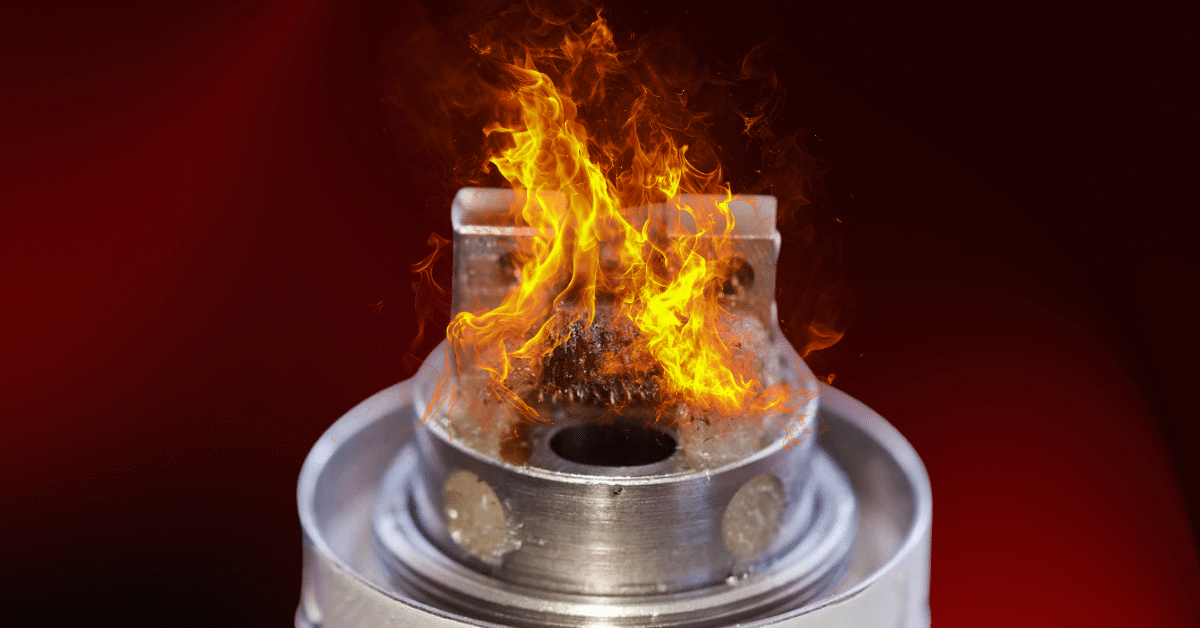
Close-up photo of a vape coil with visible dark gunk or caramelized sweetener residue, indicating early stages of coil aging.
In the initial stages of coil ageing, this thin carbon barrier acts as an insulator. It prevents the coil from transferring heat rapidly to the saturated cotton, suppressing massive cloud production. Crucially, the liquid itself is not yet burning against bare charred cotton, meaning the taste stays relatively pleasant for several sessions before degrading into that dreaded acrid burnt hit.
Terminal Pin Contamination and Voltage Drop
Pods rely on spring-loaded brass or gold-plated contact pins to transfer current from the battery to the atomiser. Leaked e-liquid, condensation, or pocket fluff resting in the pod recess introduces parasitic electrical resistance. This causes a voltage drop at the connection point, starving the atomiser of the wattage it expects. The coil still gets warm enough to atomise the liquid gently—preserving flavours like the rich cherry and chocolate notes in the Alibarbar Ingot 9000 Black Forest—but lacks the punch to create a full hit.
How to Fix a Weak Vapour Disposable or Pod System
If you are dealing with a weak vapour disposable or a pod kit that has lost its cloud punch, follow this systematic troubleshooting checklist to restore peak vapour performance.
1. Give the Battery a Fresh, Slow Charge
The simplest culprit is almost always power depletion. Connect your pod system or rechargeable disposable to a dedicated 5V/1A charging brick or a low-output USB port on your computer. Avoid ultra-fast smartphone charging bricks, which can trigger thermal cut-offs or degrade small internal lithium cells. Allow the unit to reach a full charge before taking your next draw.
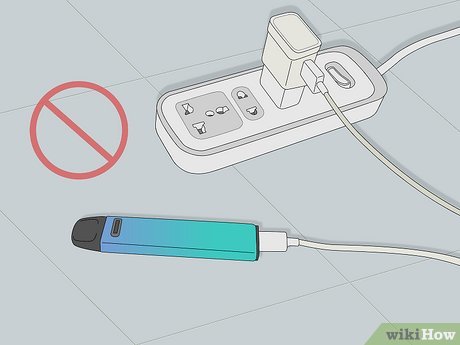
A vape pod system or rechargeable disposable device connected to a low-output USB charger, illustrating the act of slow charging.
2. Clean the Connection Points and Sensor Bay
Remove the pod from your device and inspect the housing. If you spot a sheen of condensation or moisture:
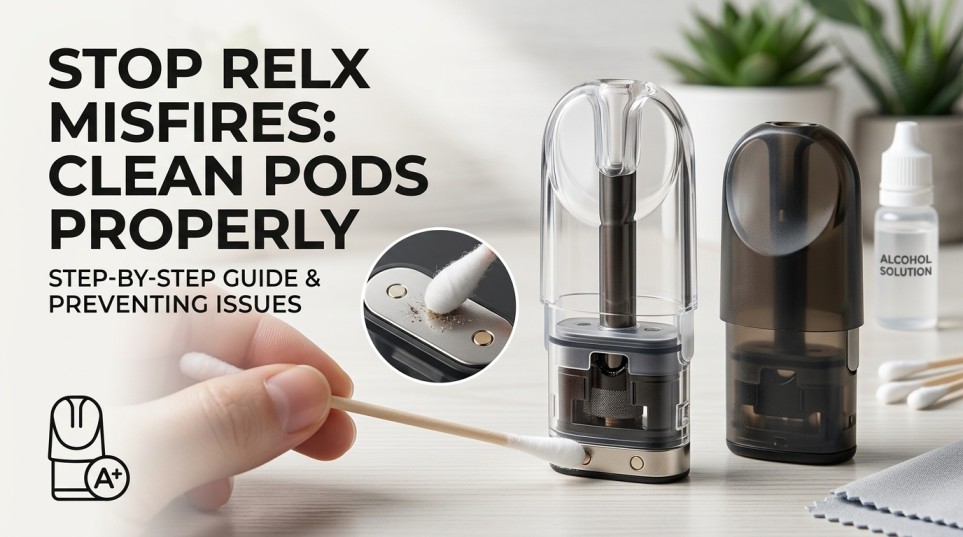
Diagram illustrating a vape coil heating e-liquid, showing different vaporization thresholds for PG (flavor) and VG, explaining thin clouds.
- Take a dry cotton bud and gently swab the contact pins and the tiny silicone gasket surrounding the draw-activation microphone.
- Use a clean paper towel to wipe down the underside of the pod.
- Ensure the brass contact pins spring back smoothly when pressed gently.
3. Clear Airway Blockages and Mouthpiece Moisture
Condensation collecting in the central chimney can act like a straw filled with fluid, dampening aerosol density:
- Roll the corner of a clean paper towel into a tight, narrow spear.
- Gently slide it down the mouthpiece to soak up trapped liquid droplets.
- Check the external air-intake holes on the base or side of your device; flick away any pocket lint or grit that might be obstructing fresh air from entering the atomisation chamber.
4. Check Your Liquid Ratios and Pod Saturation
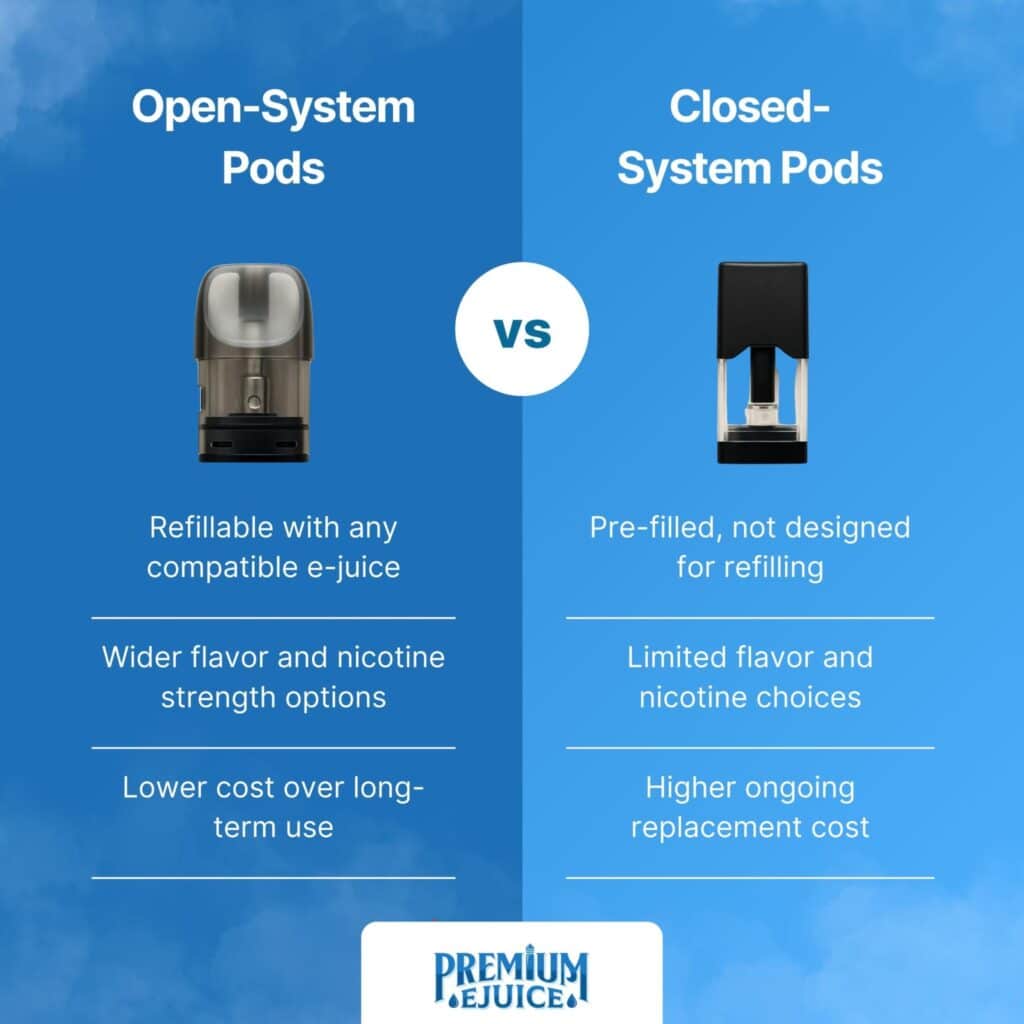
If you are filling your own pods, consider the VG/PG ratio of your juice. Mouth-to-lung pod systems run best on balanced 50VG/50PG blends. If you have recently switched to an e-liquid with a higher PG ratio, the lower glycerine content will naturally produce lighter, more discreet vapour, even though flavour delivery is sharp and immediate.
Restoring Balance to Your Daily Vape
Dealing with weak vapour from an otherwise tasty vape can be frustrating, but it rarely means your hardware is completely ruined. More often than not, diminished vapour paired with intact flavour is your device's way of telling you that it needs a bit of routine maintenance: a top-up charge, a quick clean of the terminal pins, or an unblocked airway.
By keeping your contacts clean, clearing chimney condensation, and ensuring your battery stays well charged, you can eliminate weak vapour drops and enjoy the rich, satisfying clouds your device was designed to deliver.



 UMIN SLICK PLUS 10000
 ALIBARBAR INGOT 9000
 IGET BAR PRO 10000
 IGET ONE 12000
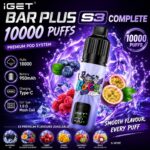 IGET BAR PLUS S3 10000
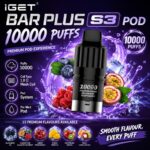 IGET BAR PLUS S3 POD 10000
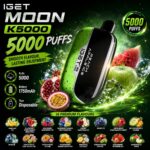 IGET MOON K5000
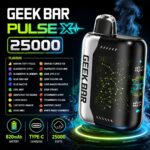 GEEK BAR PULSE X 25000