











Why Is My Vape Gurgling or Crackling? Guide to Vape Gurgling, Vape Crackling, and a Disposable Vape Making Noise (2026)
A close-up visual representation of e-liquid boiling on a vape coil, leading to bursting bubbles and hot liquid droplets spitback towards the mouthpiece.
Few things disrupt a relaxing break quite like taking a draw from your device only to hear an unsettling bubbling sound or a sharp snap near your lips. If you are experiencing unexpected vape gurgling, sharp vape crackling, or you notice your disposable vape making noise whenever you take a puff, you are definitely not alone. These sounds are among the most common quirks vapers encounter across Australia, particularly during hot summer months or after carrying a device in a warm pocket.
While some audio feedback is completely normal during the vaporisation process, distinct changes in pitch, volume, or texture often point to excess e-liquid settling where it does not belong. Understanding what is happening inside the atomiser chamber helps you identify whether your device is operating as intended or whether liquid has flooded the internal airflow pathway.
This comprehensive guide breaks down the science behind these auditory cues, explains why e-liquid behaviour changes under specific storage conditions, and outlines practical methods to keep your device performing smoothly.
Why Is Your Disposable Vape Making Noise? Normal Sounds vs Faults
When you press a fire button or activate an automated draw sensor, a battery sends electrical current through a metallic coil. That coil rapidly heats the surrounding wick, turning liquid into inhalable vapour in a fraction of a second. This thermal reaction naturally generates acoustic feedback.
However, there is a distinct line between healthy acoustic operation and a flooded chamber.
- Sound Type — | Primary Cause — | Typical Sensation — | Action
- Gentle Crackle — | Rapid surface vaporisation — | Smooth, warm draw — | None needed
- Wet Gurgle — | Excess liquid in chimney/wick| Restricted draw — | Clear liquid
- Harsh Popping — | Liquid boiling on the coil — | Hot spitback — | Cool down
1. The Gentle, Consistent Crackle
A steady, low-level crackling sound is generally a sign of a healthy heating cycle. When the coil reaches its target operating temperature, micro-droplets of e-liquid on the surface of the cotton wick vaporise almost instantaneously. As tiny pockets of vapour expand and escape through the coil structure, they produce a faint sizzle or soft crackle. If your draw feels smooth, the vapour is dense, and no liquid enters your mouth, this noise is simply the sound of standard atomisation.
2. The Heavy, Liquid Gurgle
A gurgling sound resembles drinking through a straw when the glass is nearly empty. It occurs when liquid pools directly in the airflow channel (the central chimney) or oversaturates the internal coil chamber. Instead of passing smoothly over a heated element, incoming air bubbles directly through sitting liquid. This creates an uneven draw, muted flavour, reduced vapour production, and a noticeable bubbling vibration.

An illustrative diagram showing the internal components of a disposable vape, highlighting the battery, heating coil, wick, and e-liquid reservoir, with arrows indicating the current flow and vaporisation process.
3. Loud Popping Accompanied by Spitback
When a crackle turns into an aggressive, sharp snap, it is often accompanied by "spitback"—tiny droplets of unvaporised, warm e-liquid travelling up through the mouthpiece. This happens when liquid accumulates on the heating element faster than the coil can convert it into vapour. Rather than atomising cleanly into a fine mist, the pooled liquid reaches a boiling state, creating expanding bubbles that burst violently and launch hot droplets upward. For a closer look at sudden popping sensations, check our dedicated breakdown on Why Is My Vape Crackling.
The Science of Vape Crackling: Rapid Heating and Boiling Liquid
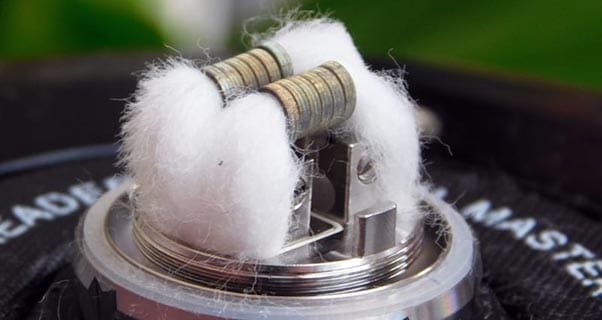
To diagnose why your vape crackles louder than usual, it helps to understand the thermal dynamics occurring around the heating element. Modern disposable vapes and pod systems rely on integrated mesh coils or wire elements surrounded by absorbent organic cotton or porous synthetic wicking material.
Atomisation vs Boiling
In an ideal scenario, the heating element reaches atomisation temperature instantly. The liquid held within the wick makes contact with the hot metal and flashes into vapour without pooling.
When the coil does not vaporise the liquid fast enough, liquid begins to pool across the surface of the wire or mesh. Liquid that sits on a hot surface without flashing into vapour behaves just like water in a hot frying pan: it boils, forms large bubbles beneath the surface tension of the e-liquid, and pops loudly as those bubbles rupture.
Oversaturated Wicking Material
Pre-filled disposable devices feature high-capacity reservoirs engineered to keep the heating element continuously fed with e-liquid. When these wicks absorb more liquid than their fibres can hold, excess fluid seeps out of the wicking matrix and rests directly against the coil face. When activated, the sheer volume of sitting liquid overwhelms the heat output, leading to aggressive popping and crackling rather than a smooth, quiet mist.
Preventing Vape Gurgling and Chamber Saturation
If your device has transitioned from a crisp crackle to a wet, bubbling draw, the root cause is almost always chamber flooding. A flooded atomiser occurs when e-liquid escapes its designated holding area and enters the airflow pathway.
- AIRFLOW & FLOODING DYNAMICS
- Mouthpiece → Air Path / Chimney
- Pooled Liquid < — Creates Gurgling Sound
- Heated Coil — < — Boiling Liquid / Pops
- Air Intake Base
When excess liquid enters this central chimney, it restricts airflow and creates turbulence. Understanding how and why this happens is the first step toward preventing it.
The Role of Atmospheric Pressure and Seal Integrity
Vape tanks, pods, and sealed disposables rely on balanced internal pressure to keep liquid seated inside the wick reservoir. If air seals experience temperature fluctuations or physical stress, that internal balance can degrade. Once the seal loses its slight vacuum, gravity pulls liquid down through the wick, flooding the coil chamber below and creating an unmistakable gurgling sound whenever you take a drag.
How Australian Heat and Storage Affect E-Liquid Viscosity
Australia's climate presents unique challenges for vaping hardware. Ambient temperature plays a direct role in how e-liquid behaves inside disposable hardware and refillable pods alike.
A detailed diagram illustrating excess e-liquid pooled in the central airflow channel or chimney of a vape device, causing a gurgling sound and restricted draw.
Heat Thins E-Liquid
E-liquid is formulated using food-grade vegetable glycerine (VG) and propylene glycol (PG), along with flavouring concentrates. At room temperature (around 20°C to 22°C), this mixture maintains a relatively thick, syrupy consistency that stays securely suspended within the wicking material.
However, when exposed to high ambient heat—such as leaving a device inside a parked car, on an outdoor table during a hot afternoon, or in a tight pocket—the viscosity of the e-liquid drops dramatically. As the liquid becomes thin and runny:
- Wicking Speed Multiplies: The thinned liquid penetrates the wick fibres far faster than the device was calibrated to handle.
- Internal Flood Gates Open: The runnier liquid easily bypasses silicone gaskets and wick barriers, running straight into the airflow tube and base of the device.
- Severe Gurgling Commences: Once you return to an air-conditioned room or attempt to draw from the device, the flooded chamber produces an immediate, wet bubbling sound.
Storage Guidelines for Hot Climates
To minimise heat-induced flooding in high-capacity disposables—such as larger units from brands like Iget or compact options from Umin—keep your devices out of direct sunlight and away from enclosed, hot environments like car gloveboxes or boots. Storing devices upright at moderate room temperatures preserves the natural thickness of the liquid and keeps internal seals functioning properly.
Comparison of Common Vape Sounds and What They Mean
To help you quickly diagnose what is happening with your device, use this comparative guide to map specific sounds to their underlying mechanical causes:
| Acoustic Symptom | Primary Mechanical Cause | Impact on Performance | Immediate Remediation |
|---|---|---|---|
| Soft Sizzle / Low Crackle | Normal, rapid atomisation of e-liquid across the coil mesh. | Optimal flavour, warm vapour, steady airflow. | No action required; device is operating normally. |
| Loud, Snapping Pops | E-liquid pooling on the coil surface and boiling instead of vaporising. | Potential spitback of warm liquid droplets, erratic vapour delivery. | Allow device to cool down; store upright in a temperate area. |
| Wet, Bubbling Gurgle | E-liquid flooding the central airflow chimney or bottom air intake. | Restricted airflow, muted flavour, cold liquid entering the mouthpiece. | Stand device upright; gently clear excess liquid from the chimney. |
| Dry Hiss with No Crackle | Coil firing with insufficient liquid saturation across the wick. | Burnt taste, dry throat sensation, degraded coil life. | Cease puffing immediately; allow wicking material to fully resaturate. |
Practical Steps to Handle a Flooded or Noisy Device
When your device begins gurgling or popping aggressively, a few simple maintenance habits can restore balanced operation.
1. Keep the Device Stored Upright
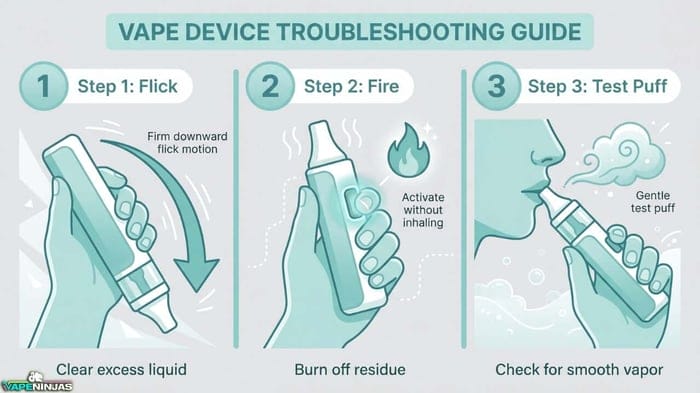
Leaving a vape resting on its side allows e-liquid to pool against one side of the chimney and seep past the internal wicking boundary. Always store your device standing vertically so gravity keeps the e-liquid settled at the bottom of the reservoir rather than running down the central air passage.

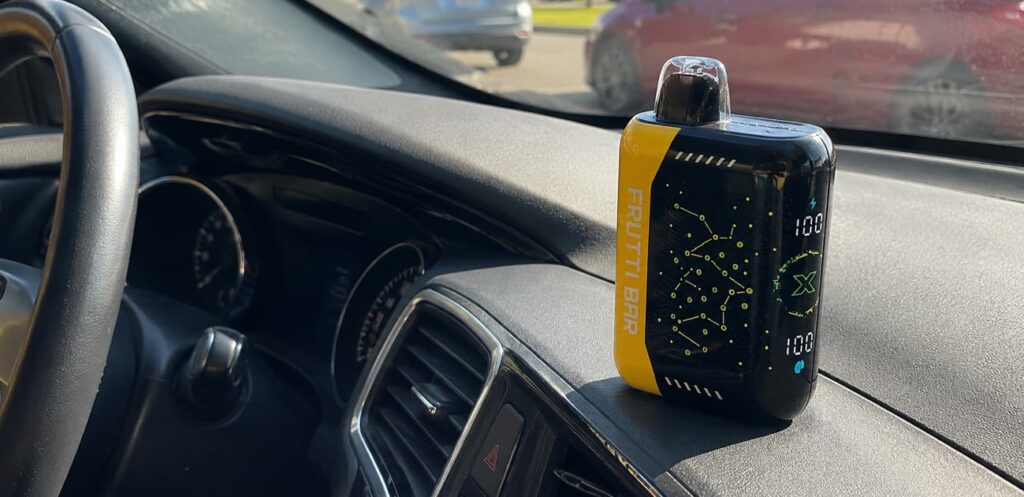
A disposable vape device left on a car dashboard or an outdoor table under direct hot Australian sunlight, symbolising the impact of high ambient temperature on e-liquid viscosity.
2. Manage Device Temperature
If your vape feels warm to the touch after extended use or after being carried on a hot day, set it aside in a cool, shaded environment for 10 to 15 minutes. Allowing the internal components to cool down lets the e-liquid return to its normal viscosity, preventing further liquid from oversaturating the coil.
3. Clear Condensation from the Mouthpiece
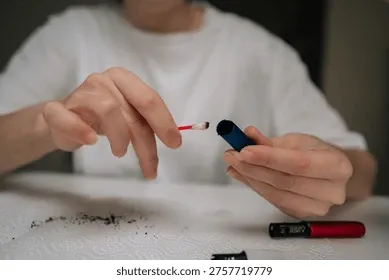
Natural vaporisation creates condensation that lines the inner walls of the mouthpiece over time. If left unchecked, this moisture builds up and rolls back down onto the coil or sits in the tip, mimicking a flooded gurgle. Regularly wiping the inside of the mouthpiece tip with a clean, dry tissue or cotton swab removes excess condensation before it drops into the coil chamber.
4. Let the Coil Rest Between Puffs
Taking multiple draws in rapid succession raises the operating temperature of the internal chamber. This continuous heat lowers liquid viscosity while simultaneously drawing more fluid toward the atomiser. Giving your device a brief 15-to-30-second break between draws ensures the coil maintains a steady temperature and prevents liquid from boiling uncontrollably.
When Noise Signals It's Time to Retire Your Device
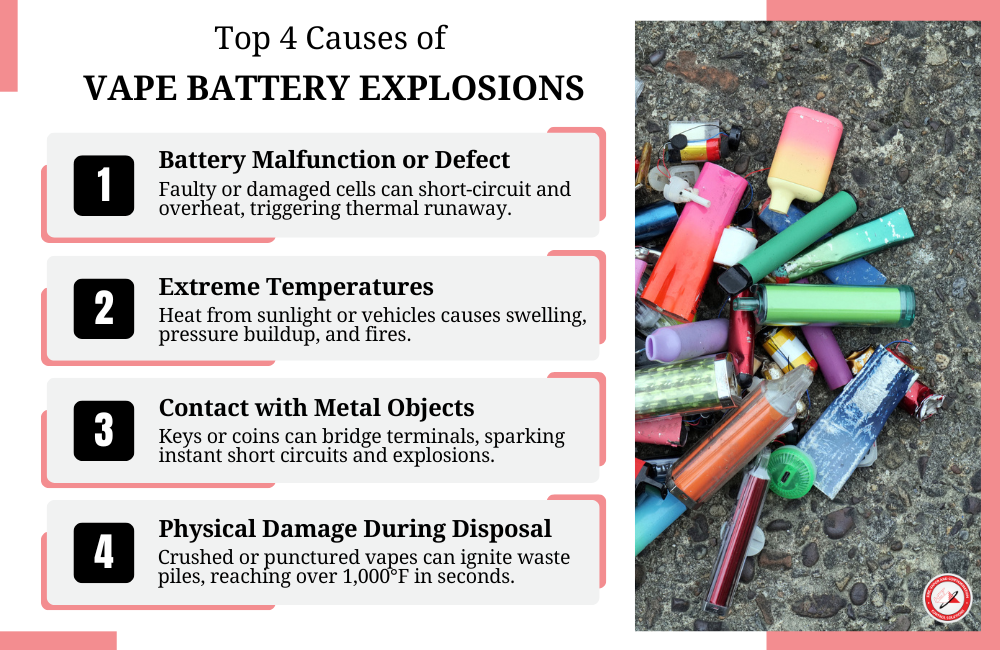
While crackling is standard and minor gurgling can often be resolved by managing storage temperature, certain noises indicate that an internal component has failed permanently.
- Constant Hissing After Inhaling: If you hear an active sizzle or hiss continuing several seconds after you stop drawing, the auto-draw sensor may be sticking, causing the coil to fire continuously.
- Persistent Flooding with No Vapour: If a disposable unit gurgles heavily on every puff without producing any vapour or warmth, the internal coil may be burnt out or disconnected, leaving the liquid unheated.
- Heavy Leaking from the Base Airflow: When e-liquid runs continuously out of the bottom intake holes, internal seals have likely degraded beyond recovery.
When a disposable unit reaches this stage, attempting to force draws will only result in an unpleasant mouthful of unheated e-liquid. Replacing the unit with a fresh device from trusted selections on vapesunset.com ensures a cleaner, safer, and much quieter vaping experience.
Conclusion
Hearing unexpected sounds from your vape can be frustrating, but in most cases, it comes down to basic physics. A soft, steady crackle is simply the sign of a healthy heating element converting liquid into vapour. On the other hand, wet gurgling and sharp popping point to excess e-liquid pooling on the coil or running into the airflow pathway—a scenario made far more common by warm Australian storage conditions that thin the e-liquid.
By keeping your devices stored upright, protecting them from ambient heat, allowing regular resting periods between draws, and keeping the mouthpiece clear of condensation, you can eliminate unwanted flooding and enjoy a smooth, consistent draw every time.


 UMIN SLICK PLUS 10000
 ALIBARBAR INGOT 9000
 IGET BAR PRO 10000
 IGET ONE 12000
 IGET BAR PLUS S3 10000
 IGET BAR PLUS S3 POD 10000
 IGET MOON K5000
 GEEK BAR PULSE X 25000