











Can You Use a Phone Charger for a Rechargeable Disposable Vape? (2026 Guide)
An illustration of a disposable vape showing various warning signs during charging, such as excessive heat (red glow), e-liquid leaking, strange smoke or odor, and an erratically flashing LED light, with a hand reaching to unplug it.
When your rechargeable disposable vape battery runs flat before the e-liquid is finished, reaching for the nearest cable on your desk seems like the most practical solution. Most modern disposable devices feature standard charging ports, leading many Australians to ask whether plugging a standard phone charger for vape batteries is completely safe or a potential hazard. While standard USB-C vape charging cables physically connect without any issue, pairing a delicate disposable device with a modern fast-charging wall block can cause excessive heat and premature battery degradation. Understanding how to select the right disposable vape charger setup ensures your device functions safely without ruining the internal battery or compromising your device's flavour output.
How Rechargeable Disposable Vapes Handle Power
Rechargeable disposables were introduced to solve a simple problem: ensuring users could finish every millilitre of pre-filled e-liquid without the lithium-ion battery dying halfway through the tank. Devices like high-capacity models or options such as the Alibarbar Ingot 9000 Ribena require top-ups every day or two depending on frequency of use.
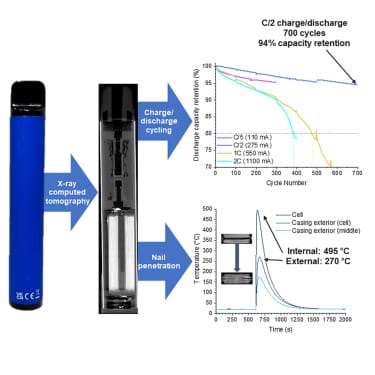
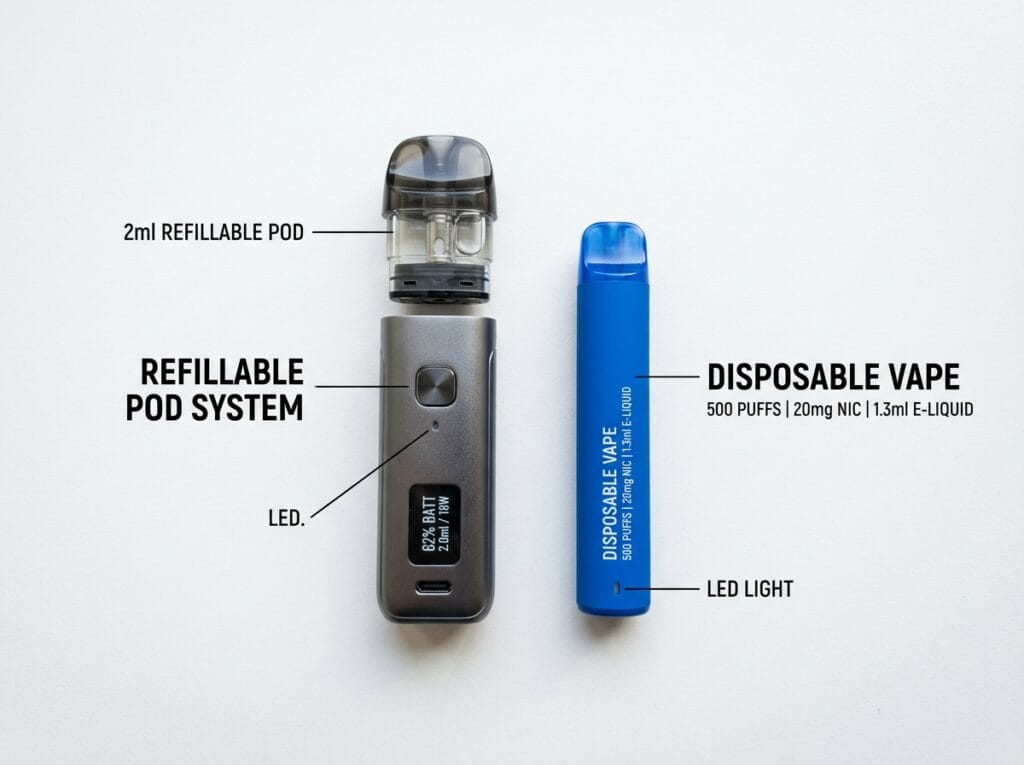
Inside these compact devices sits a small lithium-ion cell, typically ranging between 400mAh and 650mAh in capacity. Unlike premium smartphones, tablets, or sophisticated modular vape mods, budget-friendly disposable hardware contains streamlined internal circuitry.
A rechargeable disposable vape connected to a modern smartphone fast charger, with visual cues indicating potential danger or overheating.
Standard Charging Circuit Flow:
Power Source (5V) ➔ USB-C Port ➔ Built-in Resistor/Controller ➔ Lithium-Ion Cell
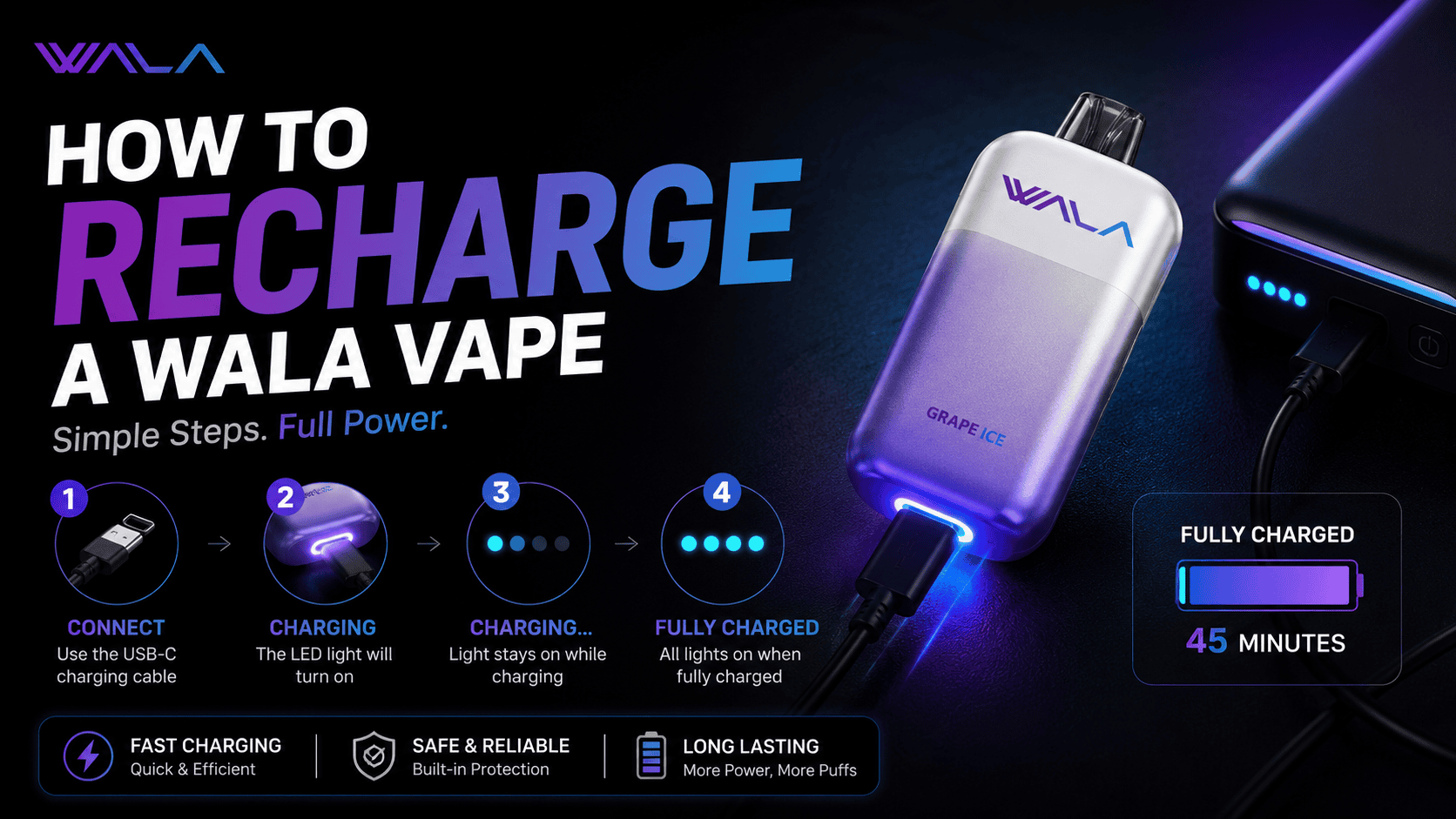
In many disposables, the charging input relies on basic pull-down resistors (commonly 5.1kΩ on USB-C boards) to signal to the power source that a 5-volt connection is required. Because these micro-circuits lack multi-stage thermal monitoring or active heat dissipation heatsinks, they are designed to handle steady, low-current power inputs. When you supply standard current, the battery charges smoothly within 30 to 45 minutes. When exposed to fluctuating currents or excessive thermal buildup, these tiny cells experience substantial strain.
Can You Use a Mobile Phone Charger for Vape Hardware?
The short answer is: yes, but only under specific conditions.
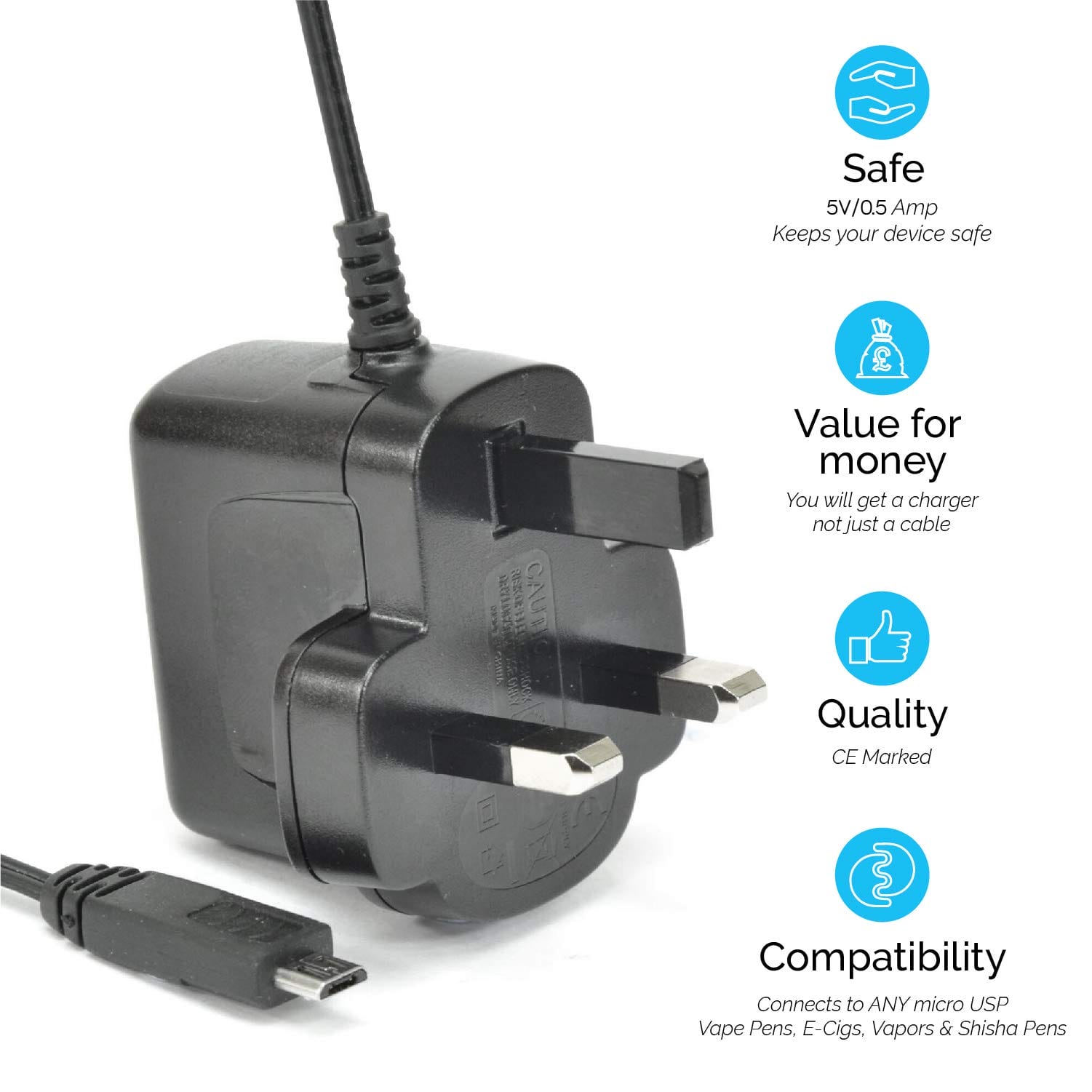
The physical cord itself—whether a standard USB-A to USB-C lead or a Micro-USB cable—is rarely the problem. The real risk lies in the wall adapter (the "power block" or "charging brick") plugged into your wall socket.
USB Cable (Safe Carrier) + High-Wattage Fast-Charge Brick (Potential Hazard)
Modern mobile phones often ship with high-wattage fast chargers capable of pushing 20W, 45W, 65W, or even 120W using proprietary fast-charging protocols or USB Power Delivery (USB-PD). While USB-PD specifications are engineered to negotiate voltage and deliver only what a connected device requests, budget disposable vape controllers do not always communicate seamlessly with advanced multi-voltage fast-charging bricks.
What Happens When You Plug into a Fast Charger?
- Excessive Heat Generation: Small lithium cells heat up rapidly when subjected to higher current thresholds. Excessive heat degrades the lithium chemistry, reducing the overall lifespan of the cell.
- Coil and Wick Degradation: Because the charging port is often situated directly underneath or adjacent to the internal juice reservoir and cotton wick, thermal transfer can heat the e-liquid. This can cause the liquid to thin out, flood the airflow chamber, or singe the cotton wick before you even take a puff.
- Premature Battery Cut-off: High surface temperatures may trip the device's basic thermal cut-off permanently, rendering the remainder of your e-liquid inaccessible.
If you are exploring hardware reliability and wondering what is the healthiest vape setup in terms of both safety and battery stability, choosing regulated devices and treating battery safety with care is essential.
Choosing a Safe Disposable Vape Charger: Power Sources Compared
To prevent overheating and ensure your device lasts until the e-liquid is fully depleted, matching your device to a gentle, low-amperage power supply is the best strategy. Connecting your vape to a low-output USB port delivers a stable, regulated current that matches the hardware's requirements.
The comparison table below outlines common power sources, their typical outputs, and their safety suitability for recharging disposable vapes:
A stark warning image depicting stripped electrical wires connected dangerously to a bare lithium-ion vape battery, with explicit danger symbols like fire, electrical shock, and skull icons to highlight the extreme hazards.
| Power Source | Typical Output (Voltage / Amperage) | Risk Level | Recommended for Disposable Vapes? |
|---|---|---|---|
| PC / Laptop USB 2.0 or 3.0 Port | 5V / 0.5A – 0.9A | Very Low | Yes (Ideal) – Delivers gentle, continuous low-amperage current. |
| Gaming Console USB Port (PS5, Xbox) | 5V / 0.5A – 1.0A | Very Low | Yes – Excellent steady low-voltage option for convenient top-ups. |
| Standard Low-Output Wall Plug | 5V / 1.0A (5W) | Low | Yes – Traditional low-wattage adapters provide safe, reliable charging. |
| Portable Power Bank (Standard Port) | 5V / 1.0A – 2.1A | Moderate | Acceptable – Safe if plugged into standard 5V/1A ports; avoid fast-charge ports. |
| High-Wattage Phone Fast Charger | 9V–20V / 2.0A–5.0A+ (18W–100W+) | High | Not Recommended – High risk of heat buildup and circuit strain. |
| Car Auxiliary USB Port | Variable (often fluctuates with engine load) | Moderate | Use with Caution – Electrical spikes from alternators can strain delicate boards. |
Best Practices for USB-C Vape Charging
Maximising the lifespan of your rechargeable disposable requires adopting a few practical habits. Reliable brands like Umin and similar reputable hardware manufacturers design their devices for ease of use, but following these fundamental safety guidelines ensures optimal performance every time you recharge:
1. Use a USB-A to USB-C Cable
Whenever possible, opt for a standard USB-A to USB-C cable plugged into a basic computer port or a 5V/1A wall adapter. USB-A ports operate strictly at a baseline of 5 volts, eliminating the risk of accidental high-voltage switching that can occur with certain direct USB-C to USB-C smart charging cables.
2. Adhere to Short Charging Intervals
Disposable vapes do not need to sit on charge for hours. Because their batteries are small (typically under 650mAh), most devices achieve a full charge within 20 to 40 minutes.
- 20–30 Minutes: Sufficient for half-depleted batteries to get back to full capacity.
- Over 45 Minutes: Unnecessary and increases ambient thermal retention inside the chassis.
0 Min (Plug In) — ► 20-30 Min (Optimal Charge) — ► 40 Min Max (Unplug)
3. Avoid Overnight Charging
Never leave a disposable vape connected to power overnight or while you are away from home. Because budget hardware rarely includes sophisticated trickle-charging shutoffs, continuous connection to mains power keeps the internal cell under constant electrical tension. Always charge your vape on a non-flammable surface (like a desk or kitchen bench) where you can keep an eye on it.
4. Let the Device Rest Before Inhaling
Immediately after unplugging your device from a charger, the internal battery and atomiser base will be slightly warm. Allow the vape to rest upright for two to three minutes before taking a puff. This lets the internal coil cool down, prevents dry hits, and allows the cotton wick to fully re-saturate.
The Dangers of Stripped-Wire DIY Charging Hacks
An infographic or chart visually comparing different power sources like PC USB, console USB, standard wall plugs, and fast chargers, indicating their safety and suitability for charging disposable vapes with green checkmarks and red crosses.
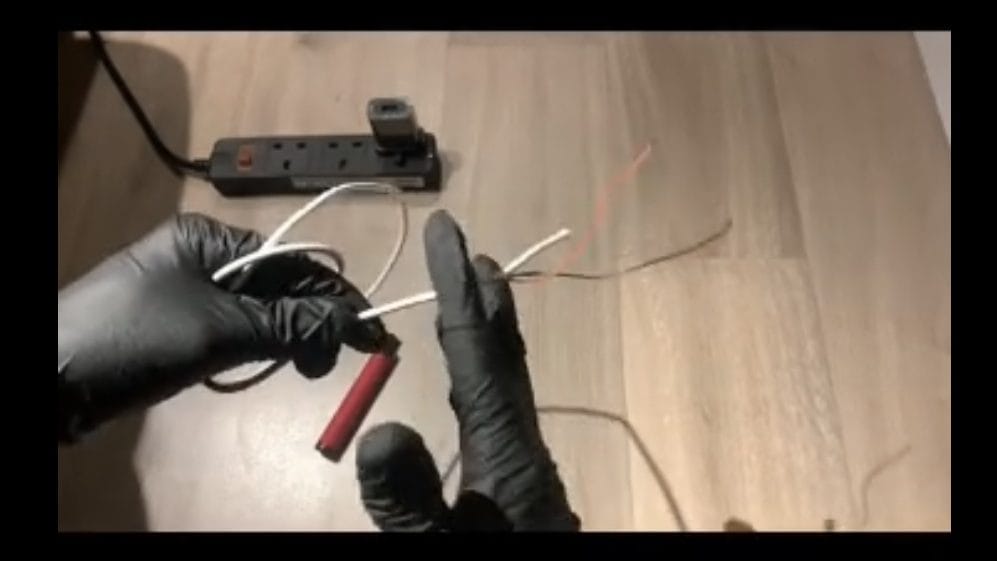
With the popularity of disposable vapes, dangerous tutorials have circulated across social media demonstrating how to recharge non-rechargeable devices by stripping phone charger wires and pressing exposed copper leads directly against the positive and negative terminals of bare lithium-ion cells.
Under no circumstances should you ever attempt a DIY stripped-wire hack.
- Mains Power Lead
- ⚠️ EXPOSED WIRES — ► Direct Contact with Bare Cell
- EXTREME THERMAL RUNAWAY RISK
Why DIY Charging is Extremely Hazardous:
- No Voltage or Current Regulation: Connecting a stripped 5V wire directly to a bare 3.7V cell without an intervening circuit board feeds unregulated current directly into the chemical core.
- Thermal Runaway and Fire Risk: Lithium-ion cells that receive excess current without overcharge protection can enter thermal runaway. This causes the cell to vent toxic gas, burst into flames, or explode violently.
- Electrical Shock Hazards: Handling exposed mains-connected wires with bare fingers can deliver sharp electrical shocks or short-circuit your household power points.
If your disposable vape does not feature a dedicated, factory-installed USB-C or Micro-USB port, it is designed for single-use life cycle operation. Once the battery runs out, the device must be safely disposed of at a designated e-waste or battery recycling point.
Warning Signs: When to Disconnect Your Device Immediately
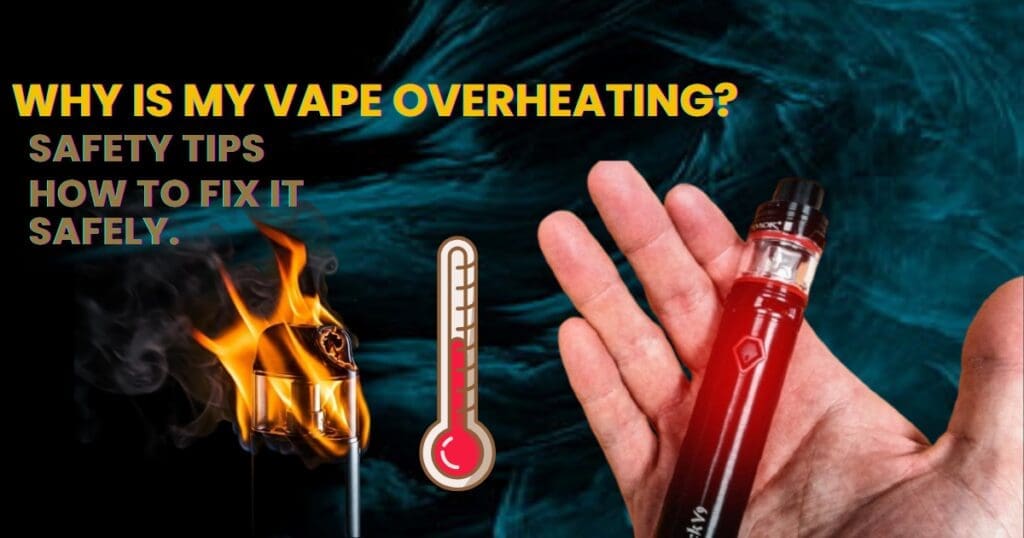
A cross-section diagram of a disposable vape showing its internal components, including a small lithium-ion battery (400-650mAh) and simple circuitry.
While modern rechargeable vapes are generally safe when paired with a gentle power source, you should always pay attention to physical warning signs during a charge cycle.
Common Indicators of Battery Stress:
[!] Chassis hot to the touch (exceeding mild warmth)
[!] Strange chemical or burning plastic odour
[!] Hissing, clicking, or bubbling noises during charging
[!] LED indicator light flashing erratically or staying permanently on
[!] E-liquid leaking profusely out of the charging port or base
If you notice any of these signs, disconnect the cable immediately from the power source (switch off the power point first if it is too hot to touch safely). Move the device away from flammable materials and allow it to cool down completely. Once cooled, do not attempt to use or charge the device again.
Battery Disposal and Environmental Safety in Australia
A visual showing a disposable vape being correctly placed into a designated battery recycling bin or e-waste collection point, possibly with a B-cycle logo or an Australian flag to indicate local guidelines.
Once your rechargeable vape reaches the end of its e-liquid lifespan—or if the battery shows signs of degradation—it should never be thrown into your standard household red-lid rubbish bin or yellow-lid recycling bin.
Lithium-ion batteries present serious fire hazards for municipal waste collection trucks and waste sorting facilities when crushed under standard compaction equipment.
How to Safely Dispose of Used Vape Hardware in Australia:
- E-Waste Drop-Off Depots: Take flat devices to your local council community recycling centre or designated e-waste depot.
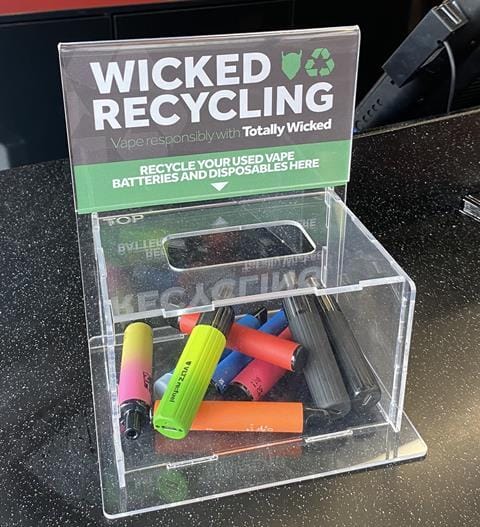
- Battery Recycling Stations: Many Australian supermarket chains, electronics retailers, and local council libraries host accredited battery recycling drop-boxes (such as B-cycle drop-off points) that accept devices containing integrated lithium-ion cells.
- Safe Storage Prior to Disposal: Keep depleted vapes in a cool, dry plastic container away from direct sunlight until you are ready to drop them off at a recycling facility.
Summary Checklist for Safe Vape Charging
Keeping your rechargeable disposable running smoothly requires only a few sensible steps:
- Use low-power ports: Stick to computer USB ports, console ports, or certified 5V/1A wall adapters.
- Avoid fast chargers: Keep high-wattage mobile phone fast-charging bricks away from small disposable devices.
- Use standard USB-A to USB-C leads: Avoid high-draw USB-C to USB-C fast-charge cables where possible.
- Monitor the clock: Unplug your device within 20 to 40 minutes; never charge overnight.
- Never attempt DIY hacks: Only recharge devices that come with a factory-fitted USB port.
- Recycle responsibly: Dispose of spent devices at authorised Australian battery collection points.
By following these straightforward guidelines, you will safeguard your device, protect your battery's lifespan, and enjoy consistent vapour and flavour from the first puff to the last.


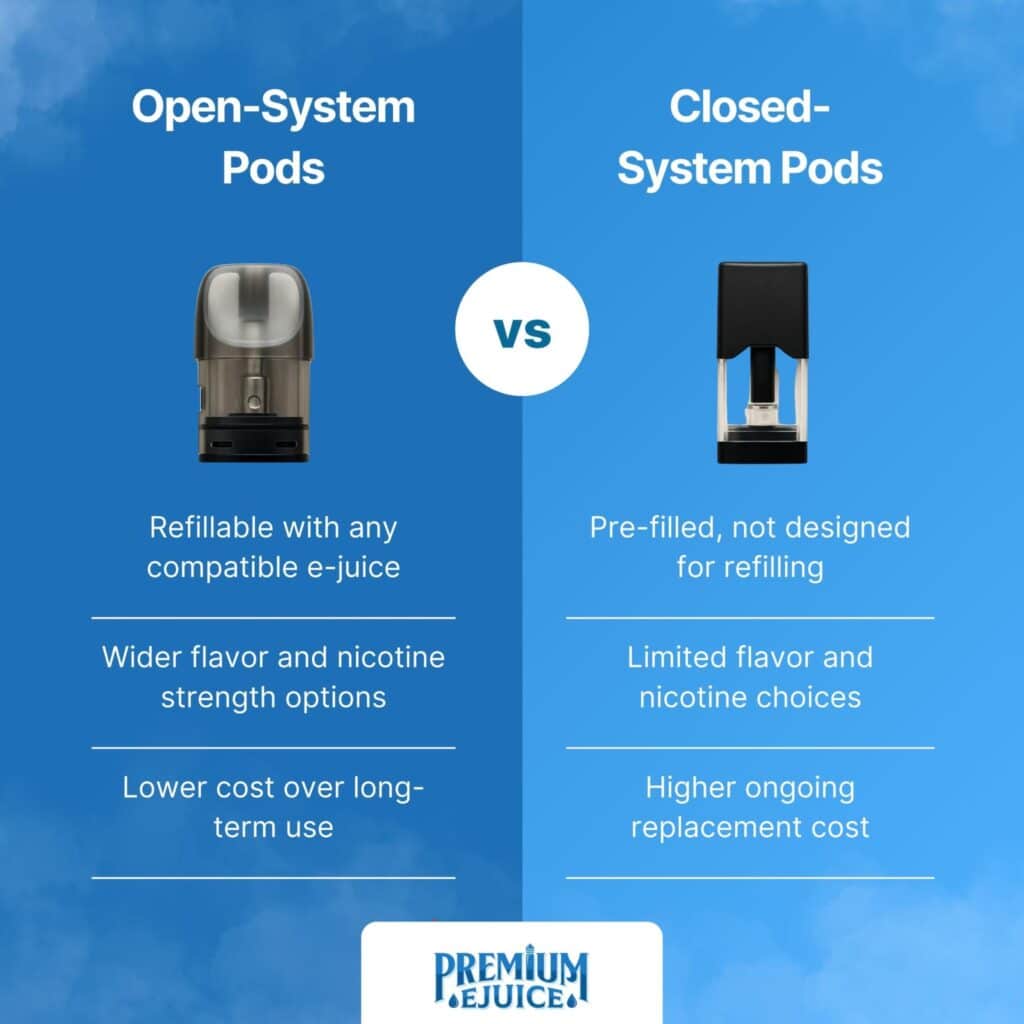

 UMIN SLICK PLUS 10000
 ALIBARBAR INGOT 9000
 IGET BAR PRO 10000
 IGET ONE 12000
 IGET BAR PLUS S3 10000
 IGET BAR PLUS S3 POD 10000
 IGET MOON K5000
 GEEK BAR PULSE X 25000