











Vapers: Bin It Right!
Picture this: the sun is setting over the balcony, dipping low in a wash of gold and warm amber. You take that final, quiet draw from your favourite disposable vape, and the LED blinks—the puff count is up, the reservoir is dry, and the battery is done. It has been a reliable companion throughout a busy week of morning commutes, coffee runs, and weekend catch-ups with mates.

A simplified flowchart illustrating the incorrect recycling pathway for a disposable vape, showing it moving from a household yellow bin to a collection truck, then to an MRF where it causes contamination and cannot be separated.
Now comes that brief, split-second decision in the kitchen. You stand by the bins, holding the sleek little bar of aluminium and plastic. The yellow-lid kerbside recycling bin seems like the virtuous, eco-conscious choice. After all, it has metal and plastic in it, right?
A mindful vape routine is defined not just by how it begins, but by how cleanly it leaves your hands.
Tossing your spent disposable into the household yellow bin might feel like doing the right thing, but it is one of the most common mistakes Aussie vapers make. While the intention to recycle is spot on, domestic recycling infrastructure simply isn't built to handle all-in-one electronic devices. Understanding what happens behind the scenes helps us keep our living spaces tidy, protect community workers, and enjoy a cleaner, more sustainable everyday lifestyle.
The Yellow Bin Illusion: Why Good Intentions Miss the Mark
Kerbside recycling in Australia is engineered around simplicity. The yellow-lid bin in your driveway is tailored for rigid packaging materials: rinsed milk bottles, clean tin cans, cardboard delivery boxes, and glass jars. These materials are easily separated by standard mechanical sorting systems that use gravity screens, magnets, and optical sorters.
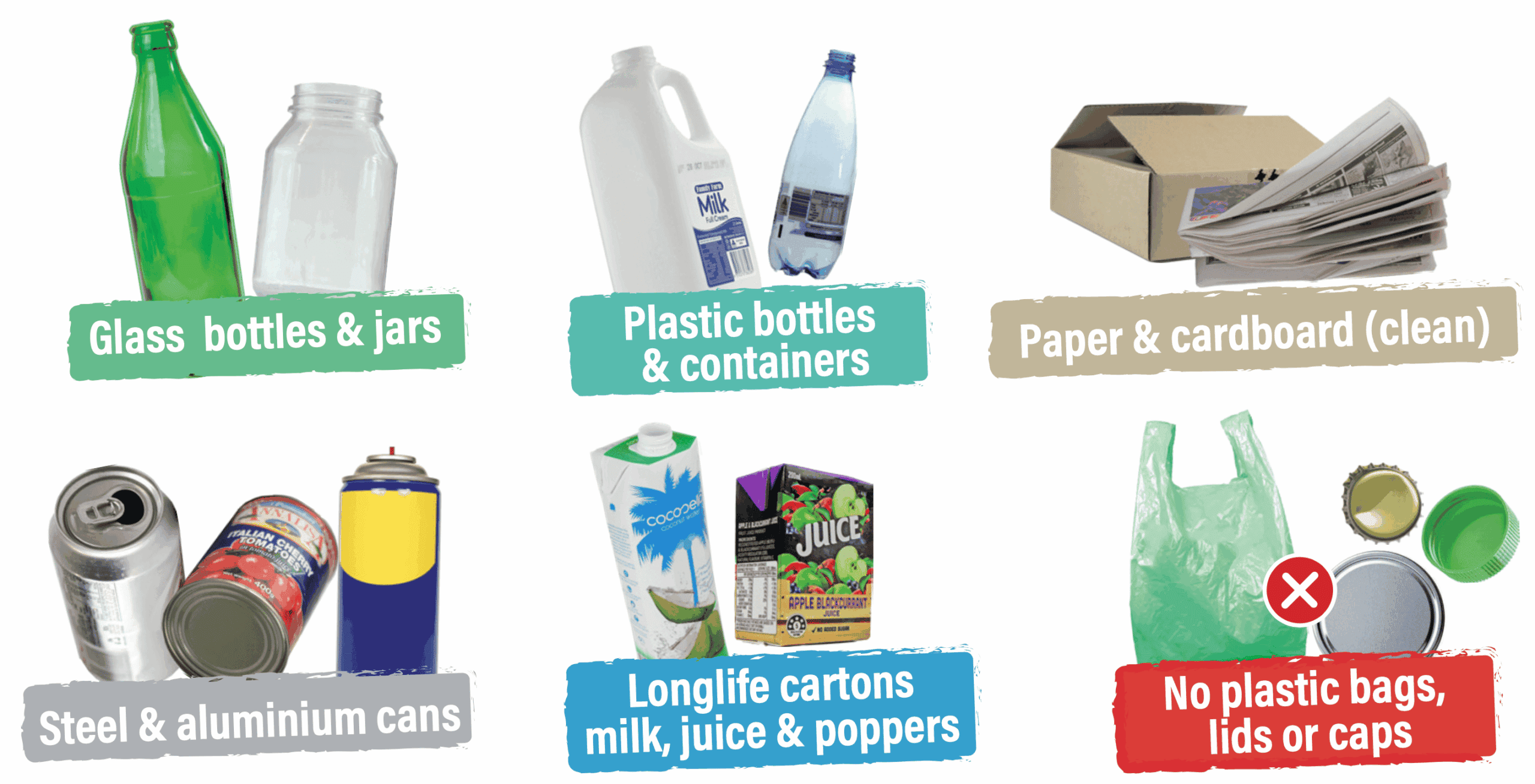
An open Australian yellow-lid recycling bin filled with clean, separated recyclables like plastic bottles, cardboard, tin cans, and glass jars.
A disposable vape, however, is not packaging. It is a miniature, fully integrated piece of consumer electronics.
When you place a pocket electronic device into the domestic recycling stream, it does not get magically dismantled into neat piles of aluminium and plastic. Instead, it enters an industrial processing environment where high-speed conveyor belts and heavy sorting tumblers crush and bundle loose containers.
Because domestic facilities cannot process glued, multi-material electronics, these items end up contaminating clean bales of paper and cardboard. A single stray electronic item can cause an entire batch of otherwise clean household recyclables to be rejected and sent straight to landfill.
What’s Inside the Shell? A Closer Look at Everyday Devices
To see why standard council bins cannot process disposable vapes, it helps to appreciate just how much clever engineering is packed inside their compact bodies.
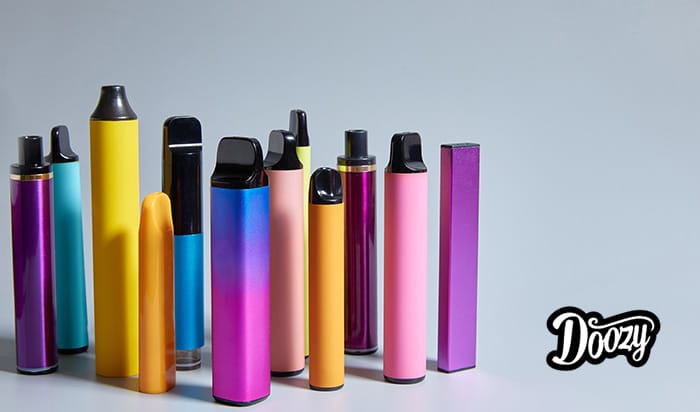
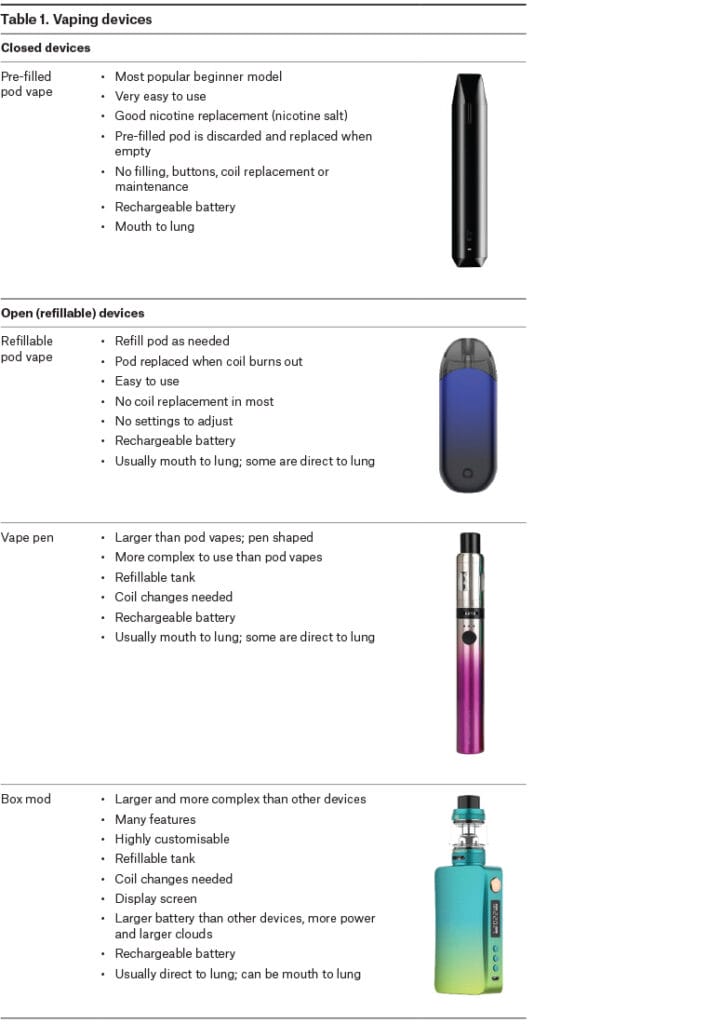
Modern disposables are marvels of portable tech. Behind the smooth, satin-touch finish of sleek gear like modern Umin Slick Plus 10000 devices or the robust chassis of long-life Iget One 12000 models, you will find an intricate, tightly sealed internal ecosystem:
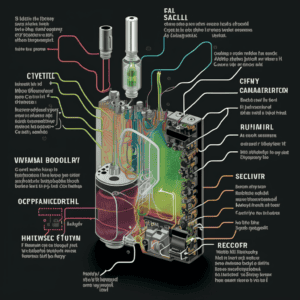
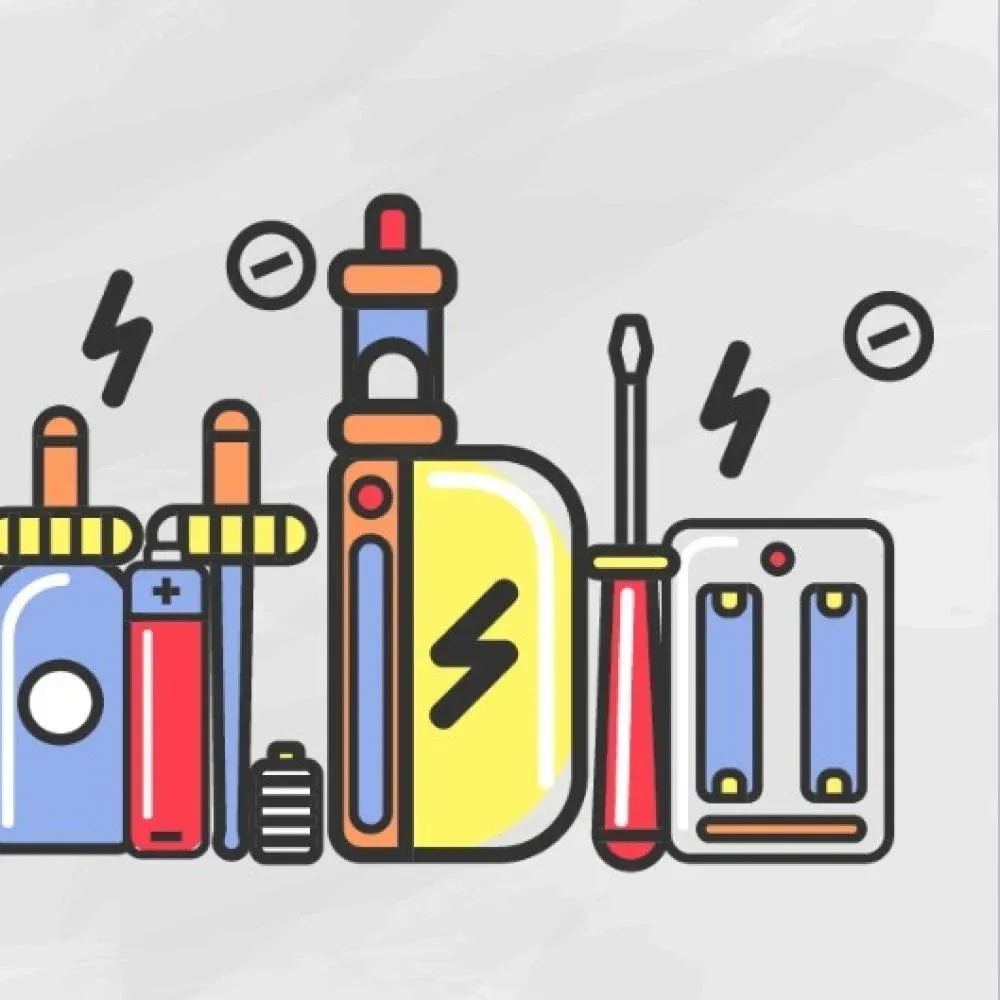
A warning image showing a damaged disposable vape or tools like a screwdriver next to a vape, emphasizing the danger of attempting to open sealed electronic devices.
- Lithium-Ion Cells: The compact power plant providing steady voltage from the first puff to the last.
- Integrated Circuit Boards & Sensors: Microscopic airflow sensors and chips that regulate temperature and trigger the auto-draw mechanism.
- Aluminium and Polycarbonate Casings: Lightweight, impact-resistant outer shells built to protect internal components.
- Internal Pod Chambers and Cotton Wicks: Sealed reservoirs holding the flavour blend and absorbent wicking material.
- Copper Wiring and Solder: Fine circuitry connecting the battery to the heating element.
All these materials are fused together into a seamless, pocket-friendly form factor. While this design ensures a smooth, leak-free vape throughout its lifespan, it also means standard sorting machines cannot pull these bonded materials apart.
The E-Waste Conundrum: Why Domestic Sorting Systems Struggle
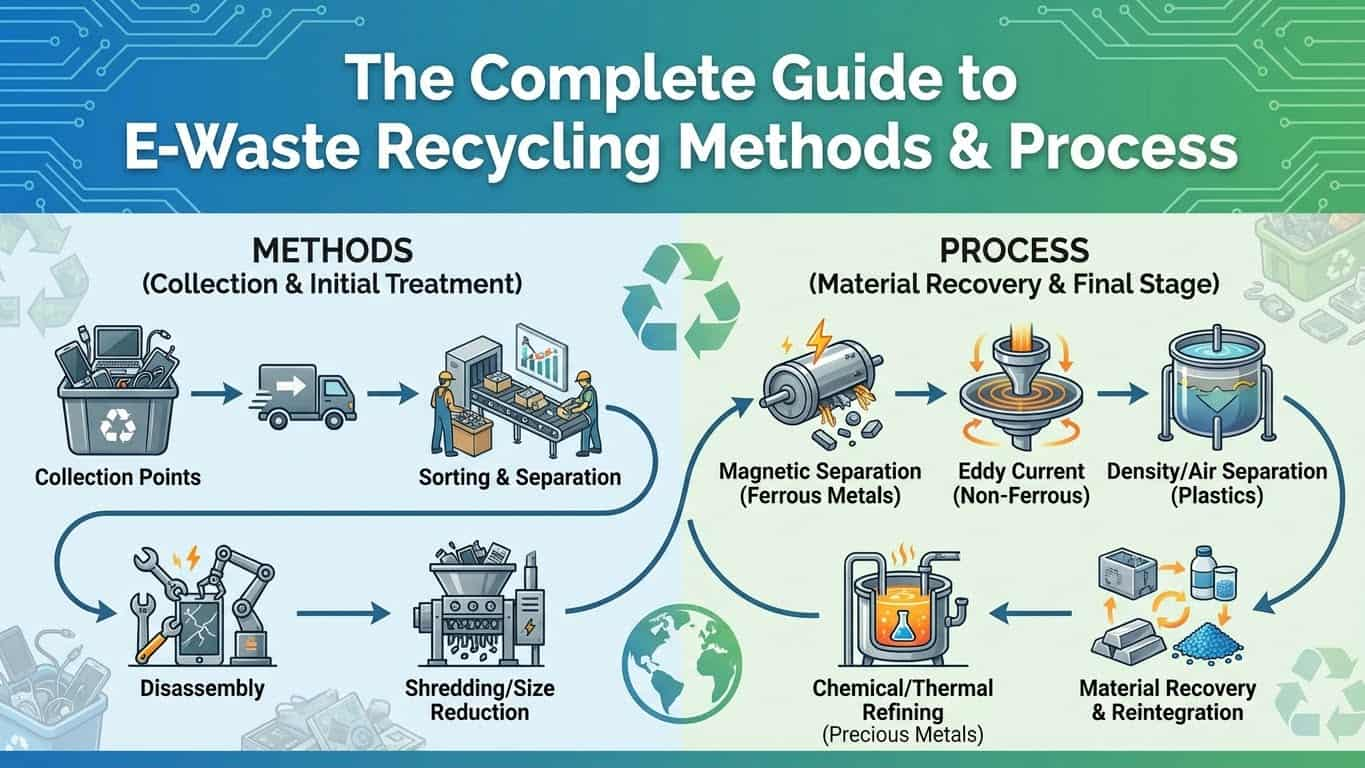
When consumer electronics mix with domestic paper and plastic, they disrupt the sorting line. Modern Materials Recovery Facilities (MRFs) rely on automated equipment calibrated for specific weights, shapes, and material densities.
Just because an item is finished doesn't mean it belongs in the kerbside stream—compact electronics belong in dedicated recovery channels.
Here is what happens when compact multi-material devices enter a domestic sorting facility:
[ Household Yellow Bin ] │ ▼ [ Collection Truck Compaction ] │ ▼ [ Material Recovery Facility (MRF) ] ├── Cannot separate fused plastic & metal automatically ├── Misidentified by optical sorting lasers └── Contaminates clean paper, cardboard & aluminium bales Because the lithium battery, wiring, and plastic casing are fused together with industrial adhesives, kerbside plant machinery cannot cleanly extract the valuable metals. Instead of being recycled into new products, items that cannot be mechanically sorted end up falling through the cracks, defeating your good intentions.
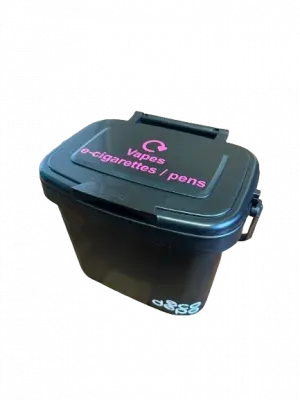
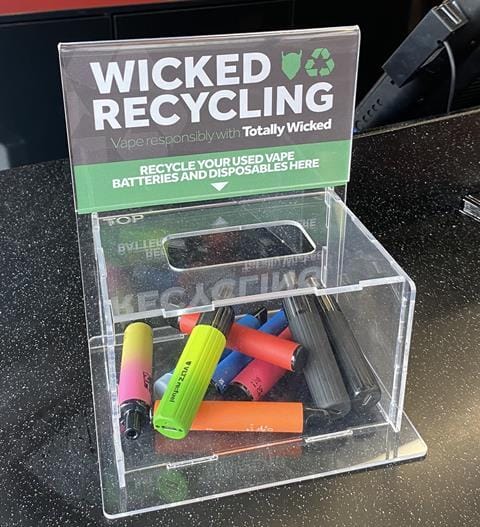
A small, neat container or box labeled for e-waste or used vapes, holding several spent disposable vapes, placed on a desk or shelf.
How Domestic Recycling Compares to Dedicated E-Waste Streams
To highlight why dedicated drop-off points are the only practical solution for spent hardware, consider how different waste systems handle consumer electronics:
| Feature / Factor | Kerbside Yellow-Lid Bin | General Red-Lid Bin | Dedicated E-Waste & Battery Drop-Off |
|---|---|---|---|
| Intended Materials | Clean packaging (PET, glass, paper, aluminium cans) | General non-recyclable household domestic waste | Intact consumer electronics, loose batteries, circuit boards |
| Material Separation | Automated mechanical sorting (cannot pull apart glued units) | No sorting (direct transfer to local landfill) | Manual pre-sorting & specialised electronic shredding |
| Resource Recovery | High for standard packaging; zero for electronics | None (valuable resources permanently buried) | High (extracts aluminium, copper, and battery components) |
| Contamination Risk | High (risks spoiling clean paper and plastic streams) | Low (treated as mixed general waste) | None (processed in controlled e-waste facilities) |
| Ideal For Vapes? | No (never place electronics here) | Avoid (wastes recoverable components) | Yes (the recommended, responsible route) |
Step-by-Step: The Mindful Way to Retire Your Device
Building a sustainable, effortless routine does not require endless effort—just a tiny shift in your weekly habits. Treat your spent devices with the same care you give to dead phone batteries or old computer cables.
1. Keep the Device Intact
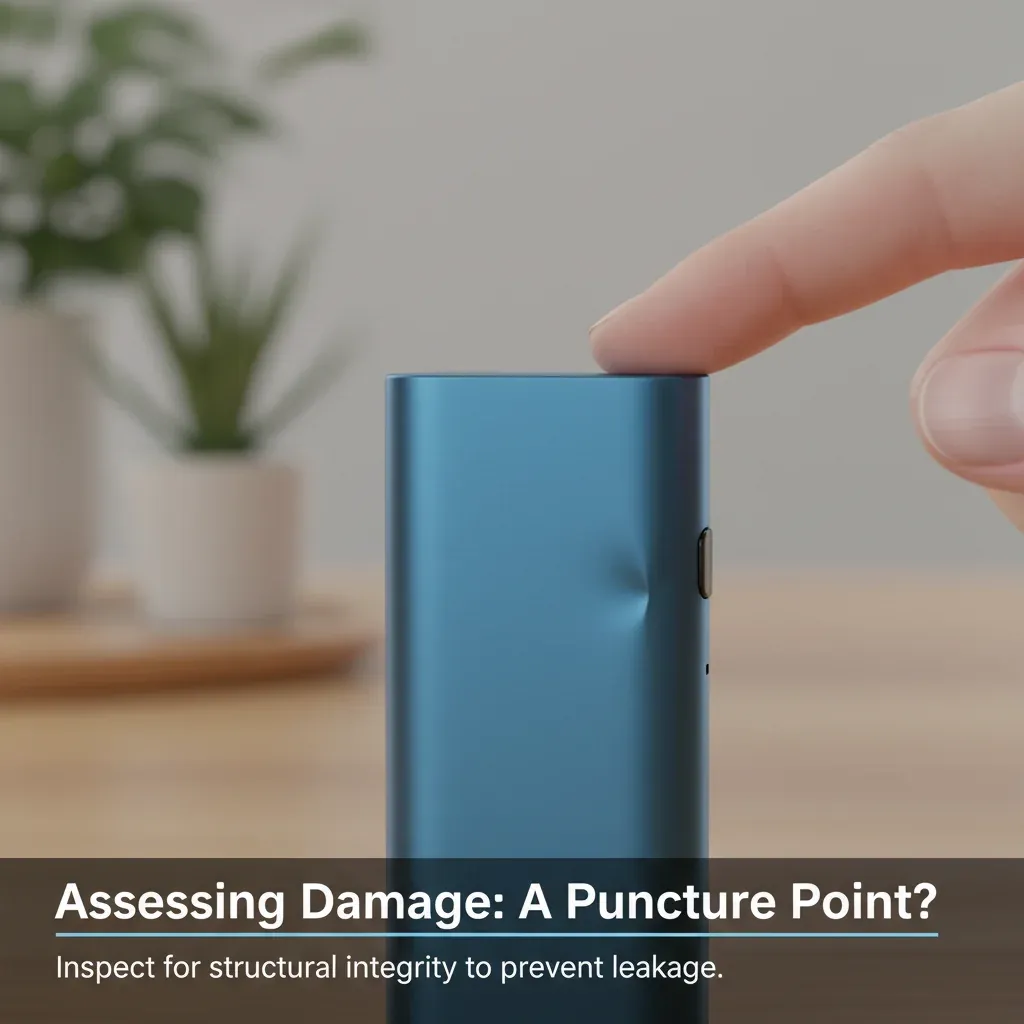
Never attempt to pry open a sealed disposable vape with kitchen knives, pliers, or screwdrivers. These units are factory-sealed to keep the internal battery safe and secure. Prising them open can damage the internal cell or cause unpleasant chemical leaks. Keep the device whole and unaltered.
A person takes a final puff from a disposable vape on a balcony at sunset, the sky bathed in golden light.
2. Set Up an "Out-Box" at Home
Start today: set aside a neat, small container in your study, hallway console, or garage. When a device reaches the end of its life, simply drop it into your dedicated drop box. Storing them together in a cool, dry place out of direct sunlight keeps your desk uncluttered and means you only need to make a drop-off run once every month or two.
A detailed cutaway diagram showing the internal components of a disposable vape, including the lithium-ion battery, circuit board, heating element, pod chamber, and casing.
3. Drop Them Off on Your Weekly Errands
This week, take five minutes to identify your nearest drop-off hub. You don't need a special journey—just pair it with your weekend grocery shop or a coffee run.
Great locations across Australia include:
- Council Community Recycling Centres (CRCs): Most local council depots and resource recovery centres accept whole, small e-waste items and intact batteries free of charge.
- Dedicated E-Waste Kiosks: Many major electronics retailers and shopping hubs host dedicated e-waste collection bins for small consumer gadgets.
- Specialised Vape Shop Return Bins: Some independent vape stockists provide in-store collection boxes where customers can deposit their empty disposables for responsible bulk processing.
4. Consider Modular and Pod-Based Options
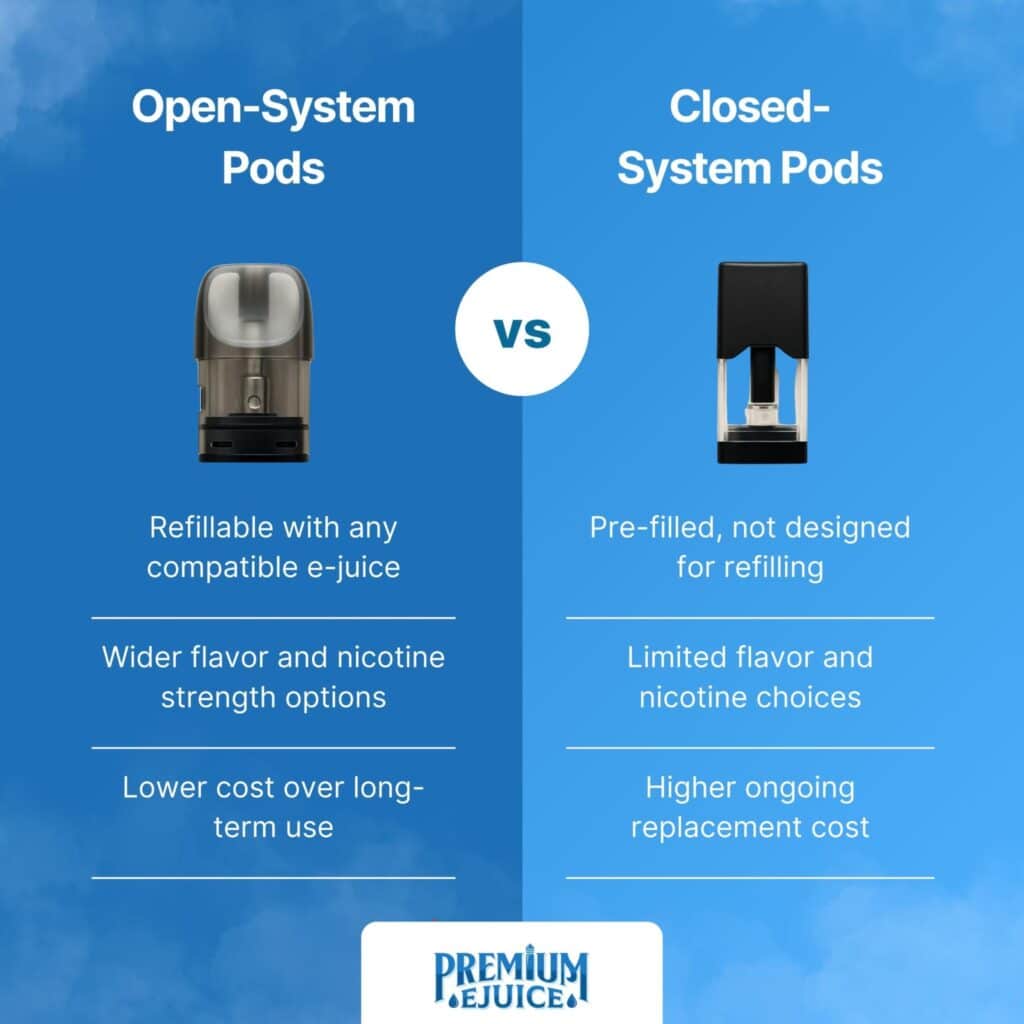
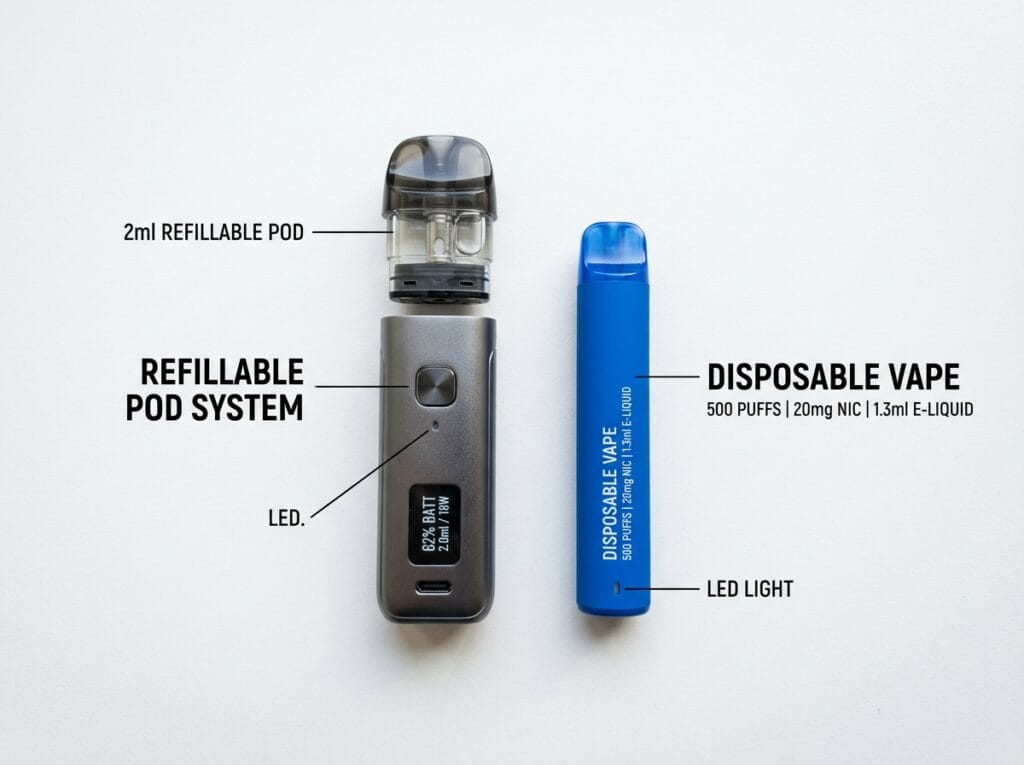
If you love the hassle-free experience of pre-filled flavours but want to generate less hardware turnover, consider stepping into modular systems. Switching to swappable cartridge formats—such as Iget Bar Plus S3 10000 pod kits—lets you recharge and reuse the main battery unit repeatedly, discarding only the compact flavour pod. It is a simple upgrade that keeps your daily setup compact while significantly cutting down on battery e-waste.
Mindful Vaping: Blending Everyday Pleasure with Practical Habits
Enjoying a smooth vape during a quiet evening sunset or on a break with friends is about unwinding and savouring the moment. Integrating a tidy, responsible disposal habit into your daily routine preserves that easygoing feeling from start to finish.
When we take ownership of how we discard our devices, we contribute to cleaner neighbourhoods, support waste processing teams, and ensure that valuable raw materials have a chance to be properly reclaimed. It takes just a few seconds to pop a finished device into an e-waste caddy rather than the yellow bin, but that small choice makes a genuine difference.
True style isn’t just about the device in your hand; it’s about the footprint you leave behind.
Quick Answers for Aussie Vapers
Can I throw my vape into the red-lid general rubbish bin?
While the red-lid bin avoids contaminating the yellow recycling stream, it is still far from ideal. Sending whole electronic devices to general landfill buries valuable aluminium and copper that could otherwise be reclaimed through specialised e-waste channels. Whenever possible, hold onto your spent devices until you can drop them at an e-waste or council battery collection point.
Do I need to remove the internal battery before dropping it off?
No. Disposable vapes are manufactured as integrated, sealed units. You should never attempt to prise the casing open or pull out the wiring. Drop-off facilities that accept small e-waste items prefer whole, undamaged units so their specialised dismantling systems can process them safely.
How do I store used vapes safely at home before recycling?
Keep a dedicated, non-conductive container (like a sturdy cardboard box or plastic tub) in a cool, dry spot away from direct sunlight, heaters, and moisture. Keeping your spent devices in a dedicated spot ensures they stay safe and organised until your next drop-off run.
Start Today: Elevate Your Routine
A clean vape setup is a satisfying vape setup. By keeping disposables out of domestic recycling bins and choosing dedicated e-waste drop-offs instead, you help protect local recycling streams and keep valuable materials circulating where they belong.
Next time your device blinks its final farewell, don't toss it into the yellow bin. Set up your collection box today, drop off your spent devices this weekend, and keep your daily vape ritual effortless, refined, and responsible.



 UMIN SLICK PLUS 10000
 ALIBARBAR INGOT 9000
 IGET BAR PRO 10000
 IGET ONE 12000
 IGET BAR PLUS S3 10000
 IGET BAR PLUS S3 POD 10000
 IGET MOON K5000
 GEEK BAR PULSE X 25000