











How to Dispose of Used Vapes More Responsibly in Australia
There is a familiar calm that comes with winding down at the end of a long afternoon. Whether you are catching the golden hour on the balcony, heading home from a busy week, or sharing a quiet moment with friends, your vape is often just a small, seamless part of the ritual. But as with anything we enjoy in our daily routines, there comes a point when a device reaches the end of its life.
When the flavour fades or the light blinks out for the final time, what do you do with it?
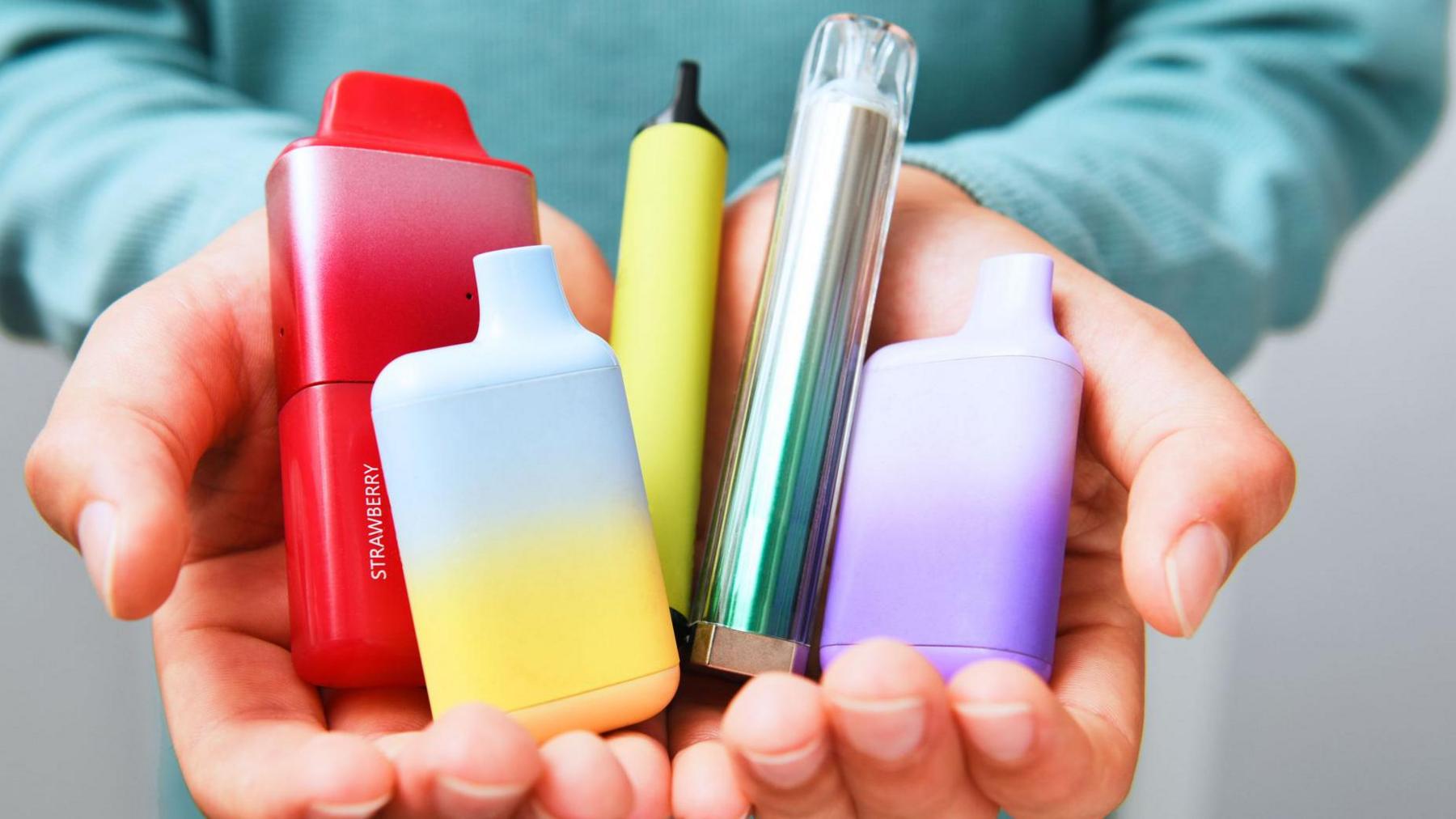
For a long time, the answer was murky. Many of us simply tossed spent devices into the nearest bin without a second thought. However, with modern electronic devices packing lithium-ion batteries, aluminium shells, and intricate micro-circuitry, disposing of them thoughtfully has become an essential part of mindful living. Disposing of your used vapes responsibly across Australia is easier than you might think once you know the basics.
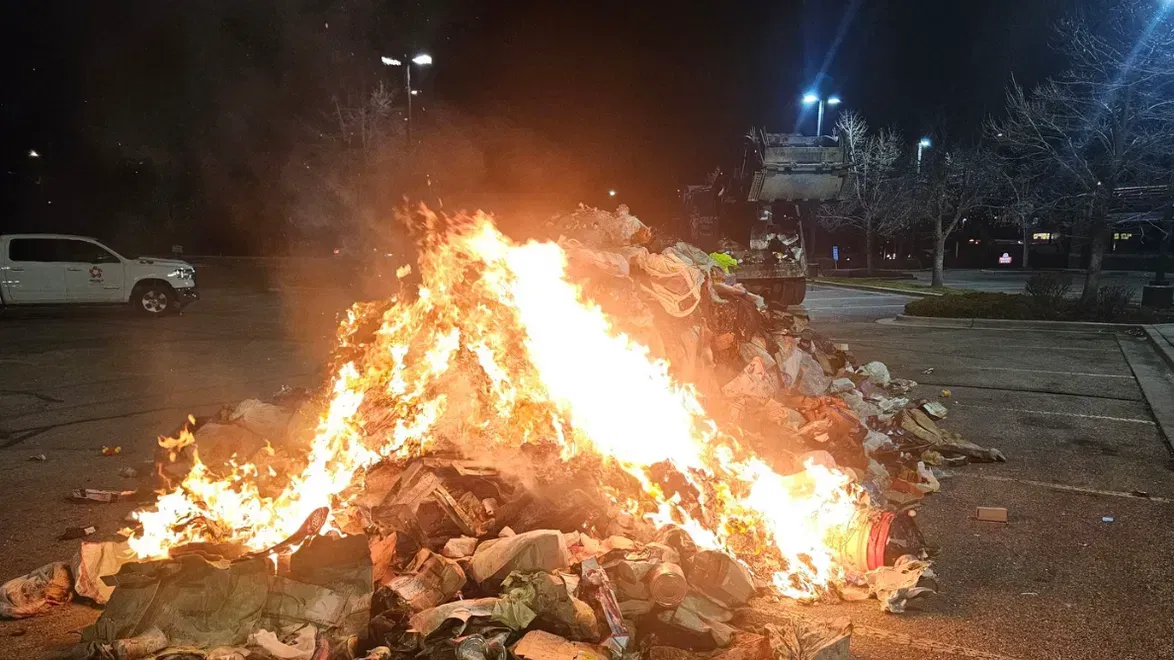
A detailed cross-section diagram or an image of a disassembled vape device, clearly showing its internal components like the battery, outer casing, and circuitry.
Why Your Household Wheelie Bins Are Never the Right Spot
It can be tempting to chuck an old device straight into your red-lid general waste bin or try your luck by placing it in the yellow-lid recycling bin. It feels out of sight, out of mind. Yet this is the one golden rule of vape disposal across every state and territory: vapes must never go into your household kerbside bins.
[ Household Red/Yellow Bin ] ---> ❌ HIGH FIRE RISK & LANDFILL POLLUTION [ Dedicated Council Drop-off] ---> ✅ SAFE BATTERY & MATERIAL RECOVERY The reason comes down to what is tucked inside that sleek exterior. Almost all modern vapes—whether they are compact single-use bars or rechargeable pod systems—rely on a miniature lithium-ion cell to power their heating elements.
When household rubbish is collected, compactor trucks compress the waste with tremendous hydraulic force. If a lithium battery is crushed or punctured inside the truck or at a materials recovery facility, it can spark violently and ignite surrounding dry cardboard and household rubbish. Waste management facilities across Australia face serious fire hazards every week because of rogue batteries ending up in the general stream.
A sturdy, non-conductive container like a plastic tub or cardboard box with a lid, safely holding multiple used vape devices for temporary home storage.
Beyond the fire danger, standard recycling centres are built to sort clean paper, cardboard, rigid household plastics, and glass bottles. They are not engineered to safely dismantle electronics with integrated batteries. Placing a device in the yellow bin simply contaminates the recycling stream.
The Components Inside: Why Thoughtful Disposal Matters
Every time you hold a device, you are holding a collection of carefully engineered resources:
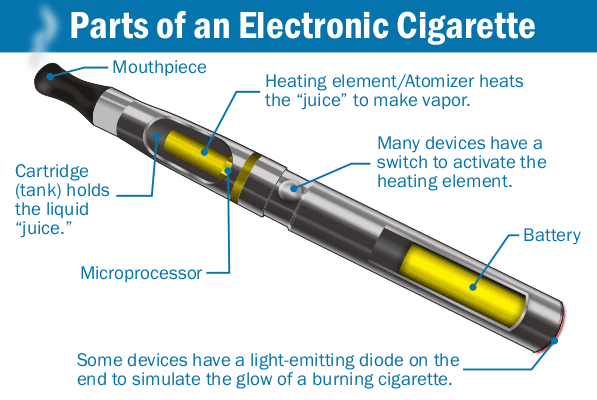
An illustrative diagram or collage showing various designated drop-off options for used vapes, such as a council e-waste depot, a community collection bin, or a B-cycle station.
- The Battery Cell: Typically a rechargeable or single-use lithium-ion battery. Lithium, cobalt, and nickel are valuable, finite minerals that take significant energy to extract.
- The Outer Casing: Often made from high-grade aluminium alloy or durable polycarbonate plastics that can take decades to degrade if buried in landfill.
- The Internal Circuitry: Tiny copper wirings, microchips, and LED indicators.
- The Pod or Tank Reservoir: Houses the heating coil and cotton wicking.
When left to sit in Australian landfills, these materials degrade slowly under the sun and rain, wasting valuable non-renewable resources that could otherwise be re-entered into the circular economy. Discarding them through the correct channels means the raw elements—particularly metals and battery components—can be recovered and repurposed.
Practical Drop-Off Options Across Australia
Finding a responsible way to retire your spent devices does not mean going out of your way for hours. It is simply about folding a quick drop-off into your existing errands, like a weekend trip to the local shops or a council depot run.
┌────────────────────────────────────────┐ │ Your Used Vape Collection │ └───────────────────┬────────────────────┘ │ ┌──────────────────────────┴──────────────────────────┐ ▼ ▼ ┌───────────────────────────────┐ ┌───────────────────────────────┐ │ Local Council E-Waste Hub │ │ Community Drop-Off Stations │ │ (B-cycle / Waste Transfer) │ │ (Shopping Centres & Depots) │ └───────────────────────────────┘ └───────────────────────────────┘ 1. Local Council E-Waste and Hazardous Waste Depots
Most local municipal councils across New South Wales, Victoria, Queensland, Western Australia, and South Australia operate dedicated Community Recycling Centres (CRCs) or Resource Recovery Centres. These facilities accept small household electronics and e-waste free of charge. You can easily check your local council website to see where their nearest permanent e-waste station is situated.
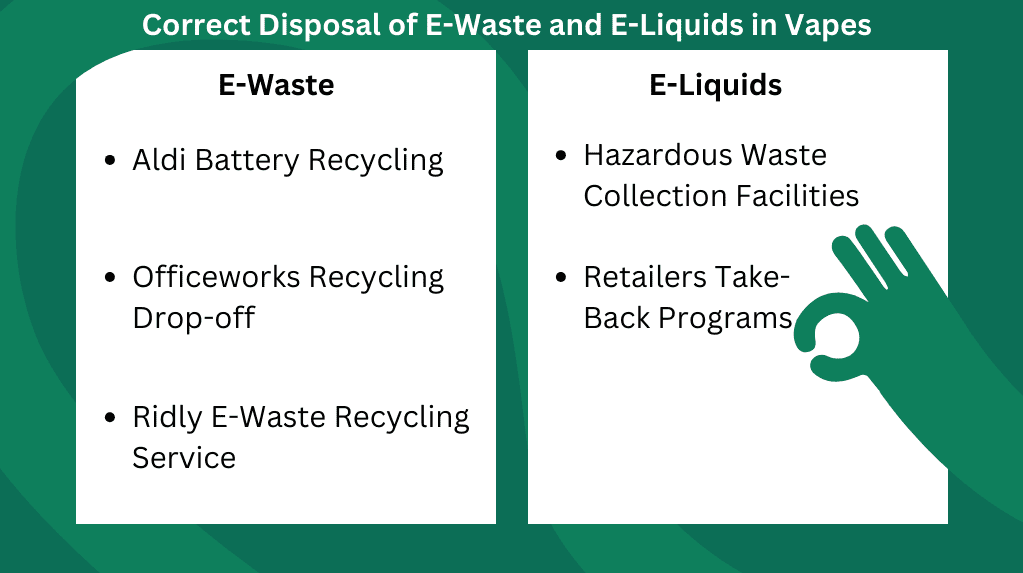
A powerful image showing smoke or flames emerging from a waste compactor truck, representing the fire risk posed by lithium-ion batteries in household rubbish.
2. Designated Battery and E-Waste Collection Stations
Major retail hubs, community libraries, and council customer service centres often host secure drop-off bins for small electronics and household batteries. Programmes like B-cycle have established thousands of drop-off points in everyday locations, making it simple to drop off separated batteries during your weekly grocery run.
3. Specialised Household Chemical CleanOut Days
If your local area does not have a permanent depot nearby, many suburban and regional councils run periodic hazardous waste collection days. These events let residents drive through and drop off paint, gas bottles, and electronic devices safely without any disposal fees.
Comparing Vape Formats and Their Disposal Pathways
How you handle a device before dropping it off depends largely on its design. Some setups are completely sealed units, while others allow you to detach components.
| Device Category | Structural Design | Best Disposal Approach | Safety Tip |
|---|---|---|---|
| Integrated Disposables | Sealed battery, tank, and casing in one continuous shell. | Take the entire intact unit to an authorised e-waste / hazardous waste drop-off depot. | Do not attempt to crack open, saw, or crush the shell at home to extract the battery. |
| Prefilled Pod Systems | Separate reusable battery base paired with replaceable e-liquid pods. | Detach the pod. The battery body goes to an e-waste/battery drop point when worn out. | Keep the battery contacts dry and cover terminals with clear tape prior to long-term storage. |
| Refillable Mod / Tank Devices | Removable external lithium cells (e.g., 18650s) with detachable metal/glass tanks. | Remove the battery cell for standard battery drop-off bins; clean empty tanks for metal/glass recycling. | Store loose spare batteries in a dedicated silicone sleeve so they never touch loose change or keys. |
If you appreciate a clean, fuss-free routine without generating constant single-use housing waste, modular systems make life much simpler. Transitioning to a swappable pod setup like the Iget Bar Plus S3 10000 allows you to keep the durable battery base intact for everyday recharges while only switching out the pod when finished, keeping your waste footprint much smaller.
Creating a Safe and Easy In-Home Stash Routine
You do not need to head to a recycling depot every single time a device runs out. The most effortless way to handle disposal is to set up a small, safe collection habit at home.
- Pick a Safe Container: Find a sturdy plastic tub or cardboard shoe box with a lid. Avoid conductive metal tins.
- Keep It in a Cool, Dry Place: Store the box away from direct sunlight, moisture, and curious pets or kids. A high shelf in the laundry or hallway cupboard works nicely.
- Tape the Contact Points: If you have devices with exposed metal contacts or loose batteries, place a small piece of non-conductive clear tape over the terminals to prevent accidental short circuits.
- Make It a Habit: Once your container holds five or six spent units, pop the box in the boot of your car and drop them off next time you pass a local community drop-off station or e-waste depot.
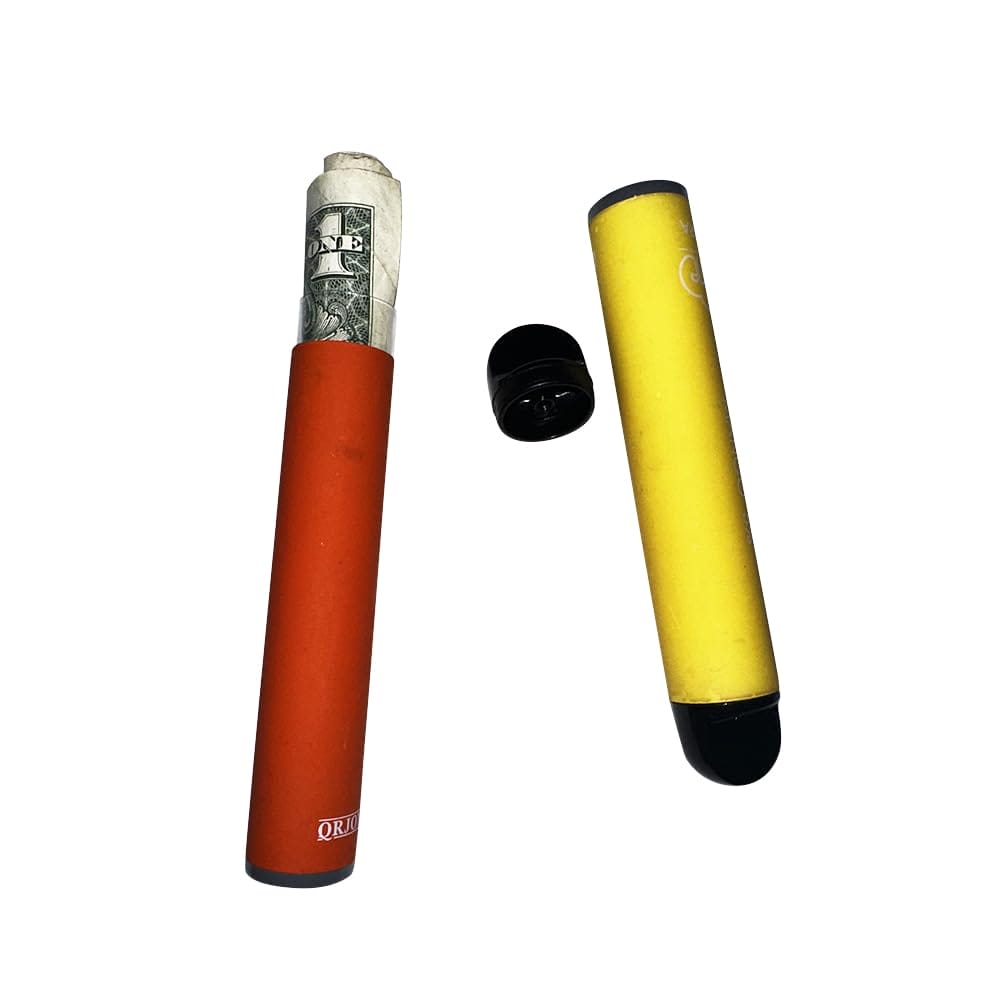
A sturdy, non-conductive container like a plastic tub or cardboard box with a lid, safely holding multiple used vape devices for temporary home storage.
Taking a few minutes to create this simple stash spot keeps your living space clutter-free and makes the eventual drop-off feel completely effortless.
Choosing Devices That Align With a Slower, Mindful Lifestyle
Part of living responsibly is considering how our everyday purchases fit into our lifestyle over the long haul. If you find yourself going through smaller single-use units rapidly, upgrading to longer-lasting, rechargeable hardware can significantly cut down on the frequency of your disposal runs.
Devices with generous capacity and efficient rechargeability—such as the Umin Slick Plus 10000—deliver weeks of reliable use from a single shell rather than cycling through multiple tiny batteries in the same timeframe. By choosing well-engineered units with rechargeable functionality, you get a smoother, more consistent experience while naturally reducing the number of batteries you need to retire each year.
To explore more everyday hardware designs and find the right balance between convenience and durability, you can browse through the guides and collections on vapesunset.com.
Practical Questions About Vape Disposal in Australia
Can I take apart a sealed disposable vape at home to separate the battery?
It is strongly recommended that you leave sealed devices intact. Trying to pry open plastic casings or lever out glued-in battery pouches using household tools like screwdrivers or knives can easily puncture the lithium-ion cell, leading to sparks, smoke, or personal injury. Waste processing facilities have the proper equipment to handle sealed units safely.
Are there any fees for dropping off vapes at council recycling stations?
For domestic quantities, council e-waste stations, drop-off kiosks, and community recycling drop points are almost always free for local residents. Simply check your local council's waste and recycling portal for opening hours and accepted item lists.
What should I do if a vape battery looks swollen or feels hot?
If a device has been dropped, feels noticeably hot to the touch, or shows visible swelling (the casing looks warped or bloated), place it immediately on a non-flammable surface away from heat sources and flammable materials. Once it is completely cool and stable, place it safely in an insulated container and take it to your nearest hazardous e-waste facility as soon as convenient.
A close-up image of a vape device with a visibly swollen or bulging casing, indicating a damaged and potentially dangerous lithium-ion battery requiring careful handling.
A Cleaner Footprint for Every Sunset
Enjoying the simple pleasures of your daily routine feels even better when you know you are leaving a clean trail behind you. Disposing of your vapes thoughtfully across Australia does not require complicated equipment or hours of your time—just a safe storage tub in the cupboard and a mindful stop at your local community drop-off point.
By keeping batteries out of household wheelie bins and choosing longer-lasting, quality devices, you help protect local waste workers, recover precious minerals, and keep our coastlines and neighbourhoods clean for every sunset to come.

 UMIN SLICK PLUS 10000
 ALIBARBAR INGOT 9000
 IGET BAR PRO 10000
 IGET ONE 12000
 IGET BAR PLUS S3 10000
 IGET BAR PLUS S3 POD 10000
 IGET MOON K5000
 GEEK BAR PULSE X 25000