











Why Does Your New Vape Taste or Smell Slightly Plastic or Chemical? (2026 Guide)
Unpacking a fresh vapouriser should be a satisfying experience. You tear open the tamper-proof foil, pull out the sleek new bar or pod, take an anticipatory first draw, and immediately recoil. Instead of the sweet fruit, rich dessert, or crisp menthol you expected, your palate is hit with a harsh, artificial stench reminiscent of heated electrical tape, scorched plastic, or industrial solvent. Dealing with a new vape chemical taste or an overpowering plastic taste vape is surprisingly common, but it can quickly ruin your vaping session and leave you wondering whether the device is even safe to inhale.
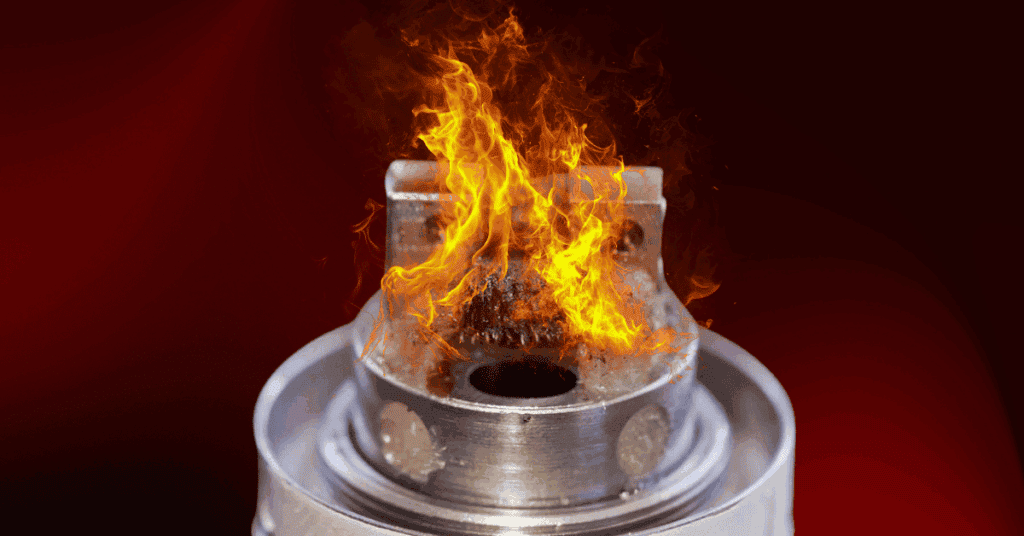
A close-up image of a vapes cotton wick showing visible singe marks or a burnt, discolored appearance due to insufficient e-liquid saturation.
When a fresh device delivers an unexpected, synthetic aroma right out of the box, several internal mechanisms could be at play. From manufacturing lubricants and protective silicone bungs to dry-wick singeing and airflow anomalies, discovering why a new disposable vape tastes weird is the first step toward working out whether you can salvage your device or if it belongs straight in the recycling bin.
When a New Disposable Vape Tastes Weird: Packaging and Manufacturing Residue
Modern vapourisers are assembled at rapid scale in manufacturing facilities, sealed into airtight packaging, and shipped across long logistics chains before reaching your hands. During this journey, several material interactions can create a noticeable vape chemical smell before you even take a puff.
Hands carefully dripping e-liquid directly onto the exposed cotton wicking ports of a new replacement vape coil before its installed into a tank or pod.
Residual Machine Oils and Coil Break-In
Every atomiser contains a heating element—typically a wound wire or a fine mesh strip—surrounded by an absorbent wick. During the manufacturing and stamping process of metal coils, minuscule traces of machine lubricants or processing residues can remain on the metal.
A diagram illustrating the internal airflow path within a vape device, potentially showing blocked intake vents that can lead to rapid overheating of the chamber.
While reputable brands clean their components rigorously, a faint residue can occasionally linger on the surface of the coil. When that metal heats up for the very first time, those microscopic traces vapourise before the e-liquid can establish a clean vapour channel. The result is a brief, acrid note that tastes sharply artificial.
Off-Gassing from Silicone Seals and Plastic Casings
To prevent pre-filled pods and disposable bars from leaking during transit, manufacturers insert airtight silicone plugs into the mouthpiece and seal the bottom airflow channels. Over weeks or months spent locked inside a sealed foil wrapper, the volatile aroma compounds from the liquid, the food-grade silicone bung, and the polycarbonate shell mingle in an airtight environment.
When you crack the packaging open, trapped fumes from the plastics and silicone can cling to the mouthpiece. If you vape rich, deep flavours like the decadent blend in the Alibarbar Ingot 9000 Black Forest, an unvented silicone bung can initially taint those subtle cocoa and cherry notes with a rubbery, synthetic edge until the hardware airs out.
Cotton Break-In and Dry Hits: Why Fresh Wicks Taste Burnt
Aside from packaging odours, the most frequent culprit behind a synthetic flavour is a dry or partially dry hit. A dry hit occurs when the heating coil reaches operating temperature without an adequate supply of e-liquid saturating the surrounding wicking material.
Unprimed Cotton Singeing
Inside your pod or disposable unit, the wick is made from pure organic cotton or an engineered cellulose-cotton blend. When thoroughly soaked in e-liquid, the liquid absorbs the heat energy from the coil, transforming into an aromatic vapour without damaging the fibres.
However, if a brand-new device is fired before the liquid has completely penetrated into the innermost core of the wick, the bare coil makes direct contact with dry fibres. The extreme heat instantly singes the cotton. Cotton does not have to burn down into black ash to ruin your experience; even a microscopic scorch mark on the fibres will release acrolein and scorched plant polymers. These compounds taste intensely bitter, medicinal, and chemical-like, mimicking the taste of melting plastic.
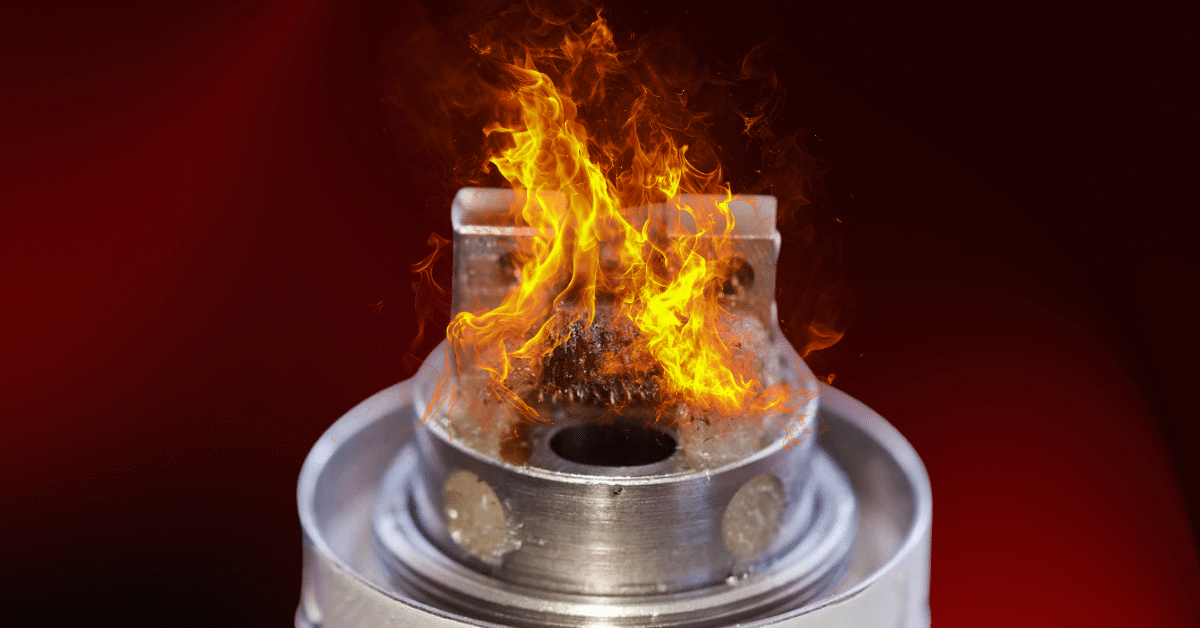
A close-up image of a vape
The Chain Vaping Trap
Puffing repeatedly on a fresh vape as though it were a traditional tobacco cigarette is a surefire way to induce a dry hit. When you take rapid, back-to-back draws on a brand-new atomiser, you deplete the fluid sitting right against the heating mesh faster than the viscous e-liquid can seep back into the cotton.
Once that internal cotton layer scorches, the singed flavour permeates every future draw. Unlike a dusty surface that can be wiped clean, burnt cotton permanently traps that acrid taste inside the heating chamber.
Airflow Restrictions and Thermal Stress
A vapouriser relies on a continuous stream of cool air entering through the intake vents to regulate the atomiser's internal temperature and carry the vapour smoothly out of the mouthpiece. If that airflow is constricted, the internal chamber rapidly overheats.
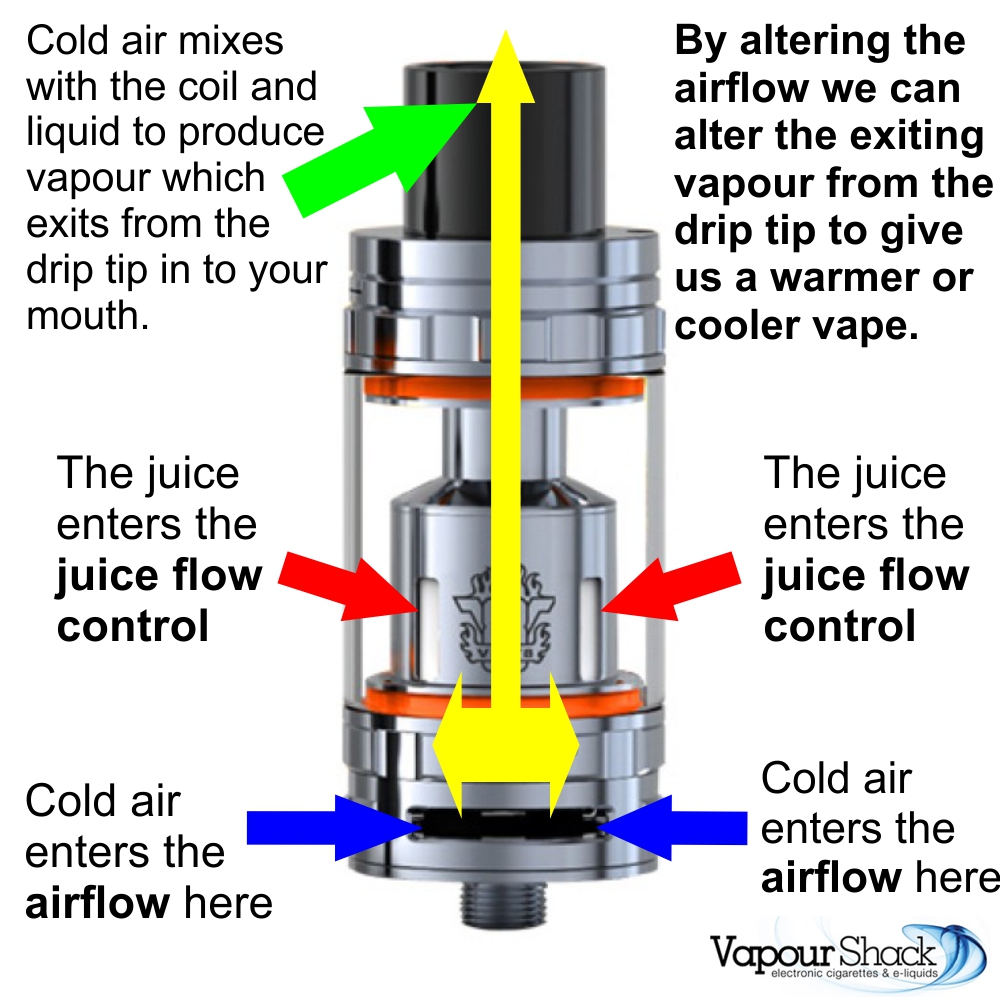
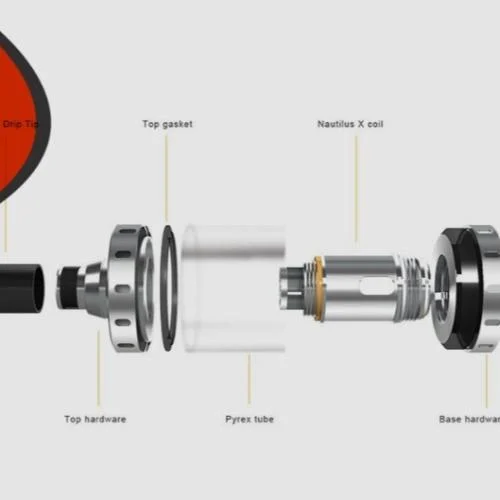
A magnified view of a vape atomizers heating coil (wound wire or mesh) and its absorbent wick, highlighting the components where manufacturing residues might linger.
When internal temperatures climb unchecked, the heat can begin to soften the internal plastic chimney or heat-resistant seals surrounding the coil housing, leading to a genuine hot-plastic taste. If you notice strange sounds alongside a harsh taste, learning why is my vape whistling and how to fix it can help you identify blocked intake slots, internal condensation bubbles, or misaligned silicone gaskets before heat damages the casing.
Diagnosing the Synthetic Flavour in Your Fresh Device
To help you pinpoint exactly why your device is delivering an unpleasant note, refer to this troubleshooting breakdown:
| Symptom | Probable Root Cause | Is It Salvageable? | Practical Solution |
|---|---|---|---|
| Pungent chemical aroma right after opening packet | Trapped packaging gases, silicone bung fumes, or casing off-gassing. | Yes | Remove all seals and mouth stoppers; allow the device to air out on a flat surface for 10–15 minutes. |
| Harsh, stinging plastic taste on the very first drag | The cotton wick was not fully saturated, resulting in singed dry fibres. | Rarely | If light, rest the device upright for a few minutes; if severely scorched, the burnt taste is permanent. |
| Whistling draw paired with hot, metallic vapour | Constricted airflow vents causing the coil chamber to overheat rapidly. | Yes | Clear intake holes of debris or protective stickers, and draw more gently to increase airflow. |
| Medicinal, artificial tang masking fruity notes | Unblended flavour concentrates or cold e-liquid failing to wick properly. | Yes | Warm the unit in your hands to reduce liquid viscosity, then take gentle primer draws. |
| Persistent melting-plastic odour coming from the base | Short circuit, failing internal battery, or thermal housing failure. | No | Cease use immediately; place the unit on a non-flammable surface and dispose of it responsibly. |
Combating That Pungent Vape Chemical Smell and Off Taste
If your new unit is producing an unappealing aroma, do not immediately resign yourself to binning it. Running through a few systematic checks can clear the airpath and eliminate harmless transient odours.
1. Remove Every Single Seal and Sticker
Modern disposables come equipped with protective transport packaging designed to prevent accidental firing and leaking. This includes:
- Top silicone mouthpiece bungs
- Bottom protective tape covering the airflow slots and USB-C port
- Internal silicone seals (in select pod-based systems)
If you leave the bottom sticker partially attached, you choke the airflow completely. The vacuum pressure inside the device will collapse, preventing fresh liquid from flowing into the wick while the coil overheats within a fraction of a second. Always inspect the intake holes thoroughly under good light to ensure no clear adhesive film remains stuck over the vents.
2. Allow the Hardware to Breathe
If the problem is merely packaging off-gassing, the fix is straightforward. After stripping away all protective stickers and bungs, place the device upright on your desk or windowsill in a well-ventilated area for ten to fifteen minutes.
Allowing ambient air to circulate through the mouthpiece clears out stagnant volatiles that accumulated while the unit was sitting inside its sealed wrapper. Vapourisers featuring distinct, delicate blackcurrant notes—such as the Alibarbar Ingot 9000 Ribena—benefit noticeably from this brief breathing window, allowing pure fruit aromatics to shine without synthetic interference.
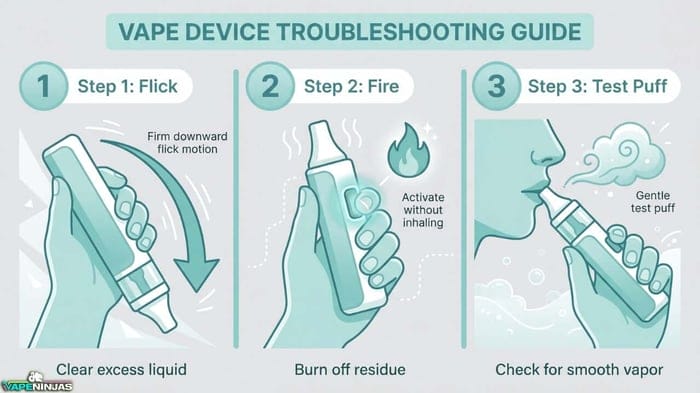
3. Take Gentle "Primer Pulls"
Before subjecting a brand-new coil to full operating power, it helps to initiate fluid movement through the wick. On draw-activated disposables, you must be careful not to trigger the sensor. Take extremely light, slow puffs just below the threshold required to fire the LED indicator. This gentle drop in internal air pressure acts like a pump, drawing e-liquid into the cotton surrounding the mesh without generating heat.
How to Prevent a New Vape Off Taste on Fresh Coils
If you use refillable pod systems or sub-ohm tanks rather than pre-filled disposables, avoiding a new vape off taste comes down to meticulous preparation.
Saturate the Coil Core Manually
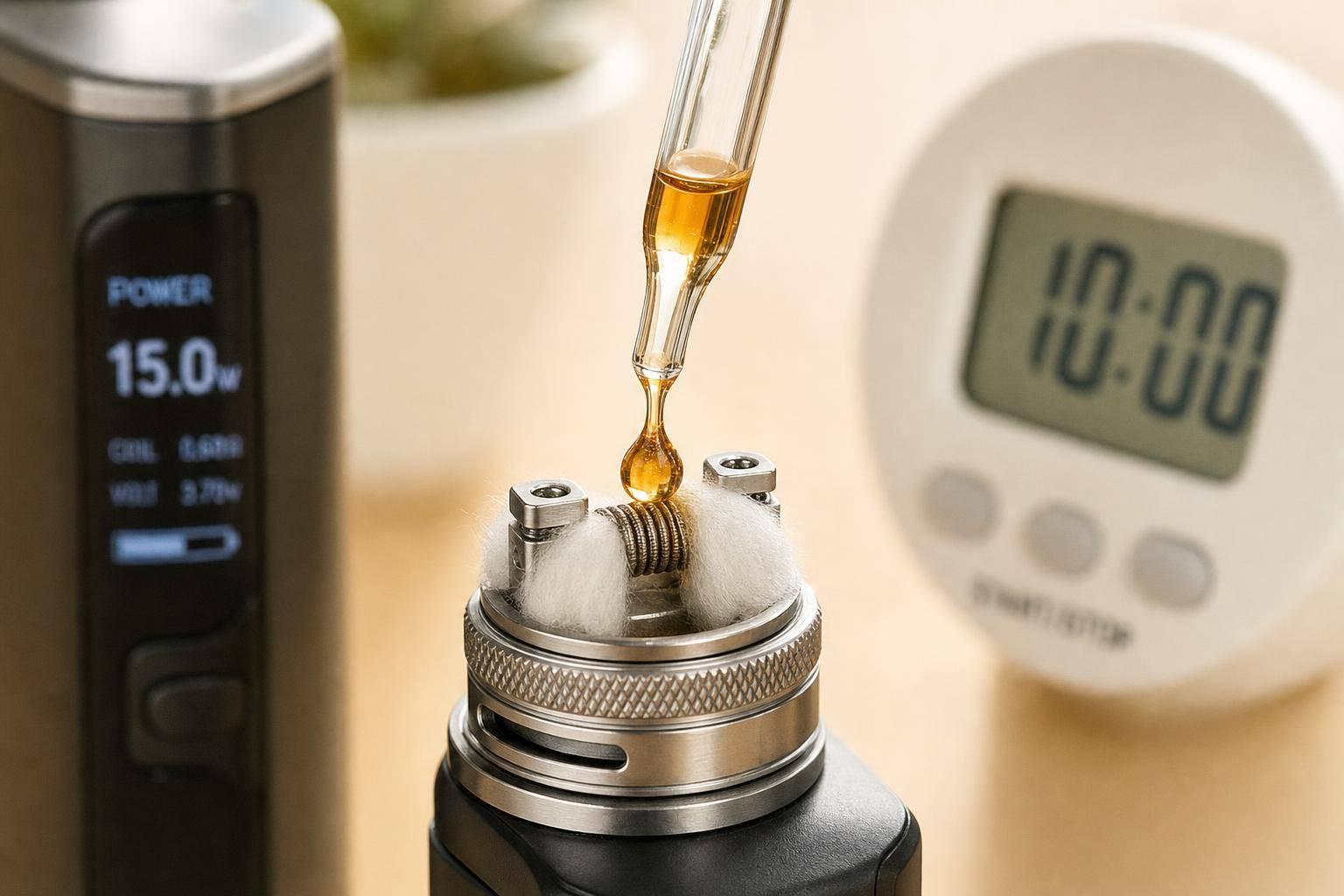
When installing a fresh replacement coil into an empty pod or tank:
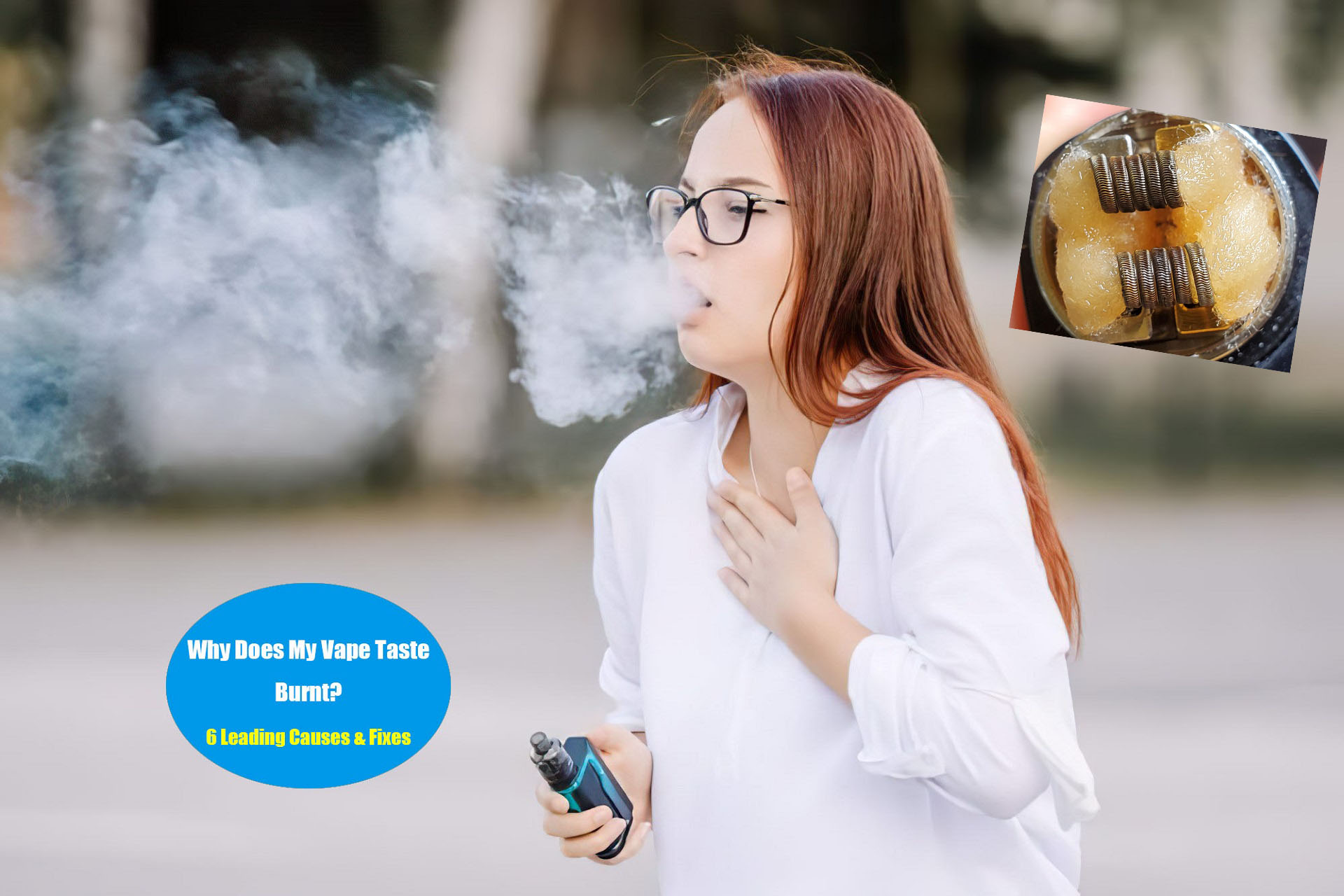
A person recoiling with a disgusted expression after taking a puff from a new vape, indicating an unpleasant chemical or plastic taste.
- Drip Liquid Directly Onto the Cotton Ports: Apply several drops of your e-liquid straight onto the exposed wicking windows on the sides of the coil and down the centre bore until the cotton looks damp.
- Fill the Reservoir Completely: Insert the coil, fill your pod to maximum capacity, and ensure the fill plug is sealed firmly to maintain internal vacuum pressure.
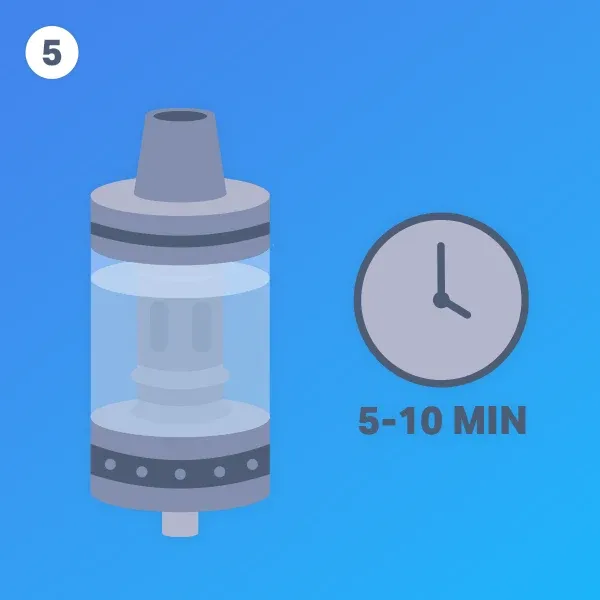
- Let the Device Stand: Never fire a fresh coil immediately after filling. Let the pod stand upright for at least five to ten minutes so the dense liquid can penetrate into the innermost cotton layers.
- Start at Low Power: If your device features adjustable wattage, start well below the recommended rating for the first five draws, gradually nudging the power up until you reach your preferred vapour density.
[ New Coil Installed ]
         ↓
[ Drip Liquid onto Exposed Cotton ]
         ↓
[ Fill Reservoir & Seal Pod ]
         ↓
[ Rest Upright for 5–10 Minutes ]
         ↓
[ Begin with Low-Wattage Break-in Puffs ]
When to Cut Your Losses and Bin the Device
While lingering packaging scents and dry wicks can often be managed, there are times when an unnatural chemical taste signals a hardware fault that should never be ignored.
Overheating and Battery Faults
If the base of your vape becomes uncomfortably hot to the touch during use, or if you detect a foul, acidic smell resembling scorched wiring, stop using the device immediately. Lithium-ion batteries that experience internal shorts or continuous auto-firing generate massive thermal runaway. This heat can melt internal plastic brackets, degrade wire insulation, and create toxic combustion fumes.
If a vape continues to emit smoke or vapour on its own after you have stopped drawing, place it on a non-combustible surface (like a concrete patio or a ceramic tile) well away from flammable objects. Once cooled, take it to your nearest community battery recycling drop-off point. Never throw a damaged lithium-ion device into your household rubbish bin.
Permanent Cotton Scorching
If you have cleared the airflow, allowed the device to breathe, taken gentle draws, and the vapour still tastes like burnt cardboard or charred electrical wire, the internal cotton is irrevocably damaged. Continued heating will only expose your lungs to combustion by-products. Accept that the coil is spent, discard the unit safely, and ensure your next device is given a proper resting window before that crucial first draw.
Frequently Asked Questions
Why does my new vape smell like nail polish remover or solvent?
An odour resembling acetone or solvent typically stems from high concentrations of certain artificial flavourings—particularly banana, cherry, or mixed tropical notes—that use alcohol-based flavour carriers. If these concentrates have not fully aerated or homogenised with the vegetable glycerine base, they can emit a pungent solvent smell. Letting the device rest uncapped for several minutes often resolves the issue.
Can a burnt taste go away on its own?
If the wick has only suffered minor thermal stress, a faint dry note might gradually dissipate as fresh e-liquid saturates the area. However, if the cotton fibres have actually scorched and turned carbon-black, the burnt, chemical taste will remain for the entire lifespan of that coil.
Is it safe to vape if it tastes like plastic?
No. Vapourising e-liquid should produce a clean, smooth aerosol. A distinct taste of burning plastic indicates that either dry cotton is scorching or internal casing components are overheating. You should discontinue use to avoid inhaling degraded combustion by-products.


 UMIN SLICK PLUS 10000
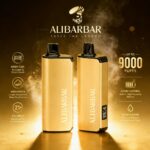 ALIBARBAR INGOT 9000
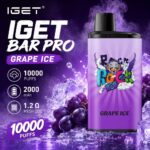 IGET BAR PRO 10000
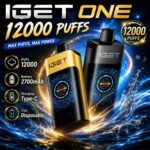 IGET ONE 12000
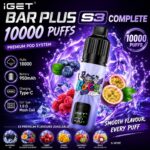 IGET BAR PLUS S3 10000
 IGET BAR PLUS S3 POD 10000
 IGET MOON K5000
 GEEK BAR PULSE X 25000