











What Should You Do if a Disposable Vape Gets Wet? (2026 Safety Guide)
Accidents happen in the blink of an eye. Whether your device slips from your pocket into the kitchen sink, takes an unexpected dive into a puddle during a rainy commute, or gets drenched by a spilled glass of water, dealing with electronic moisture is always stressful. When your vape got wet, water damaged vape hardware can quickly turn from a minor inconvenience into a serious electrical and safety issue. Handling a wet disposable vape requires immediate, careful action because these single-use units are tightly sealed, compact electronic devices containing an active lithium-ion battery, delicate microchips, and an internal e-liquid reservoir.
Knowing exactly how to react the moment moisture penetrates your device can prevent accidental burns, fire hazards, and respiratory irritation. Below is a comprehensive guide on the immediate steps you must take, the fundamental risks involved, and how to safely dispose of a compromised device across Australia.
What Happens Immediately After a Wet Disposable Vape Encounters Liquid?
Unlike traditional electronics that you can switch off with a power button, disposable vapes remain in a continuous standby state. They rely on an integrated draw-activation sensor—a tiny microphone-like switch or pneumatic sensor—that triggers the heating element whenever air flows through the mouthpiece.
When liquid enters the airflow intake vents or the base of the device, it interferes with this delicate circuitry in several distinct ways:
1. Circuit Shorting and Auto-Firing
Water conducts electricity, especially if it contains dissolved minerals, salts, or impurities. When moisture bridges the internal contact points between the lithium-ion cell and the internal circuit board, it can trick the sensor into believing you are taking a puff. This causes continuous auto-firing, where the heating coil stays red-hot without any airflow to cool it down.
A wet disposable vape placed safely on a ceramic plate or bowl on a sturdy surface, away from flammable materials.
2. Rapid Heat Generation
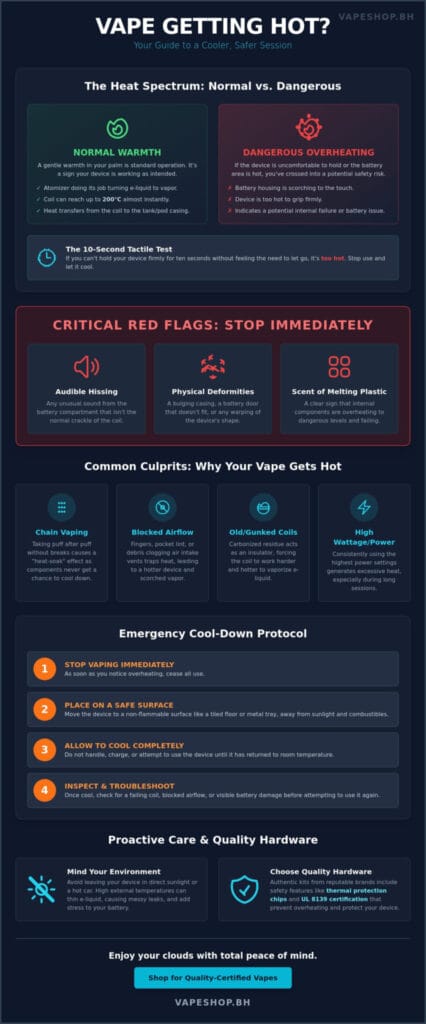
As the coil remains continuously powered, heat rapidly accumulates inside the tightly enclosed plastic or aluminium shell. Within minutes, the casing can become far too hot to hold comfortably.
3. Sizzling and Gurgling Sounds
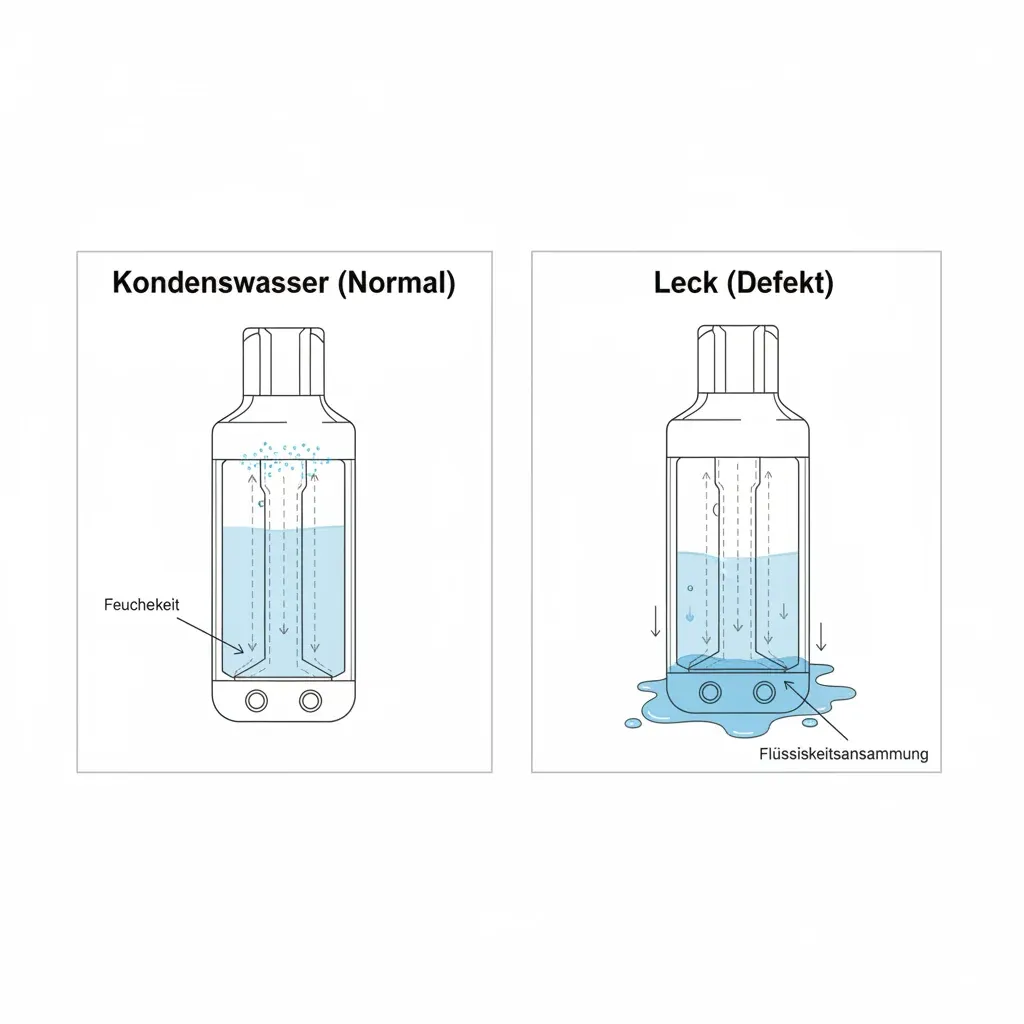
If water enters the central chimney or saturates the internal cotton wick, you may hear distinct bubbling, hissing, or crackling sounds. This noise indicates that liquid is coming into direct contact with the hot coil or that the electrical connections are sparking internally.
Step-by-Step Protocol When Your Vape Got Wet
If your device has been submerged or splashed, follow this straightforward protocol immediately to minimise hazards.
- IMMEDIATE WATER DAMAGE ACTION PLAN
-
- Cease Use Immediately -> Never attempt a test puff.
-
- Wipe Exterior Dry — -> Use a paper towel to absorb surface drops.
-
- Safe Isolation — -> Place outside on a non-combustible surface.
A disposable vape partially submerged in uncooked rice, with a red X or warning symbol superimposed, indicating that this method is ineffective.
-
- Observe & Cool Down — -> Allow the battery to discharge fully.
-
- Responsible Disposal -> Take to a local e-waste or battery drop-off.
Step 1: Cease Using the Device Immediately
Never attempt to take a test puff to see if the device still works. Inhaling from a short-circuiting device exposes you to superheated steam, spitting liquid, and unpredictable electrical behaviour. Keep the mouthpiece well away from your face.
Step 2: Dry the Outer Shell
Grab a dry paper towel, tea towel, or cloth and thoroughly pat down the exterior casing. Gently tap the base of the device against your palm (with the airflow holes facing downward) to dislodge any loose droplets resting inside the intake vents. Avoid shaking the device violently, as this can push liquid further into the internal sponge and electronics.
A hand gently wiping the exterior of a disposable vape with a paper towel to dry it, with small water droplets visible.
Step 3: Isolate the Unit in a Safe, Non-Combustible Space
Because you cannot manually switch off a disposable device, you must assume the battery could short-circuit. Place the vape in a fire-safe location away from furniture, curtains, paper, and carpets. Ideal spots include:
- A ceramic or porcelain bowl placed on a sturdy benchtop.
- A clean metal tray or empty baking tin.
- An outdoor undercover area, such as a concrete patio or balcony, away from flammable materials.
If the device is already hissing or emitting heat, place it inside a bucket containing dry sand, soil, or kitty litter to suppress any potential sparks while the internal cell discharges.
Step 4: Allow the Battery to Settle and Cool
Leave the device isolated until it is completely cold to the touch and silent. Do not handle, disassemble, or tamper with the casing while it is warm.
Can You Safely Rescue a Water Damaged Vape?
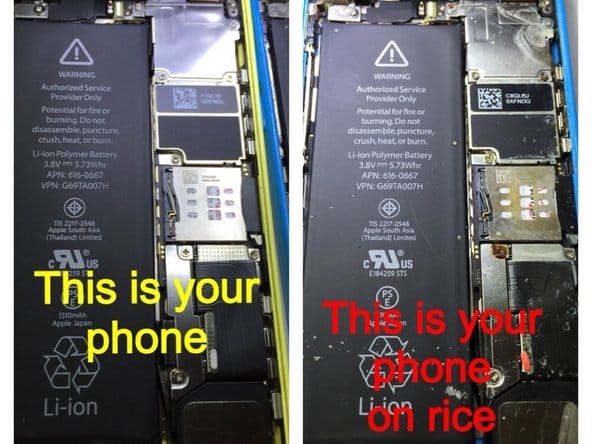
Many users wonder if drying techniques commonly used for smartphones—such as placing the gadget in a container of uncooked rice or using a hairdryer—can bring a single-use vape back to life. In reality, attempting to rescue a sealed disposable unit is neither safe nor practical.
| Water Damage Scenario | Device Type | Feasibility of Recovery | Recommended Action |
|---|---|---|---|
| Minor Splash (Exterior only) | Sealed Disposable | Low | Dry exterior completely; isolate and test cautiously only if no water entered vents. |
| Full Submersion (Sink/Puddle) | Sealed Disposable | None | Isolate safely in a fireproof vessel, allow to cool, and discard via battery recycling. |
| Submersion in Salt Water / Ocean | Sealed Disposable | None | High risk of rapid corrosion; isolate outdoors immediately on a non-combustible surface. |
| Splash on Removable Tank / Pod | Open/Refillable Kit | Moderate to High | Disassemble, discard coil/pod, dry battery mod thoroughly, replace pod before use. |
Why the Rice Method Fails for Disposables
While desiccant materials like silica gel packets or dry rice can absorb ambient moisture from exposed surfaces, they cannot draw trapped liquid out of a sealed disposable vape. The internal cavity of a disposable consists of densely packed cotton soaked in e-liquid, wrapped snugly around a circuit board and a sealed battery cell. Moisture trapped in these tight internal layers remains inside, continuing to corrode delicate solder joints even if the outside feels bone dry.
An illustration of the inside of a disposable vape showing water causing a short circuit between the battery and heating coil, with sparks.
Furthermore, introducing foreign water into the internal wick dilutes the formulation. When exploring how sweeteners affect vape flavour and coil life, consistent liquid viscosity and clean coil contact are vital. Contaminating the e-liquid with tap or puddle water completely ruins the vaporisation process, resulting in harsh, degraded vaporisation and foul taste.
Why You Should Never Take Apart a Wet Disposable
Attempting to pry open a plastic or aluminium disposable shell with pliers, screwdrivers, or knives is hazardous. Puncturing or bending a wet lithium-ion pouch cell can result in immediate thermal runaway, venting hot gases or catching alight. Disposables are engineered as single-use, non-serviceable units; once water breaches the inner chassis, the device must be written off.
Warning Signs That Your Device Has Irreversible Internal Damage
If your vape has come into contact with moisture, look out for these clear indicators that the internal hardware is compromised:
- Persistent LED Activation: The indicator light at the base stays illuminated continuously, flashes erratically, or glows faintly without anyone taking a puff.
- Auto-Firing Without Inhaling: The device crackles or warms up spontaneously while sitting on a table.
- Burnt, Chemical Taste: If you attempt to draw and experience an acrid, metallic, or burnt taste, the wick is likely dry-burning due to uncontrolled coil activation.
- Unusual Warmth: The aluminium body feels noticeably warmer than room temperature despite sitting idle.
- Restricted Airflow or Bubbling: Moisture clogging the internal sensor path creates a heavy, gurgling draw that fails to produce regular vapour.
When choosing replacement devices or evaluating new products, understanding quality standards is crucial—have a look at our guide on what is the healthiest vape to learn more about device construction, regulated designs, and ingredient transparency.
Responsible Disposal of Waterlogged Vapes in Australia
Once your wet device has completely cooled down and is no longer producing heat or sound, you must dispose of it correctly.
- AUSTRALIAN DISPOSAL RULES FOR VAPES
- NO Council Wheelie Bins (Red / Yellow / Green)
- -> Compaction in rubbish trucks crushes batteries = Fire Risk!
- YES Dedicated Battery & E-Waste Drop-Off Points
- -> B-cycle collection bins at participating retail centres
- -> Local Council Community Recycling Centres (CRCs)
Why Regular Wheelie Bins Are Unsafe
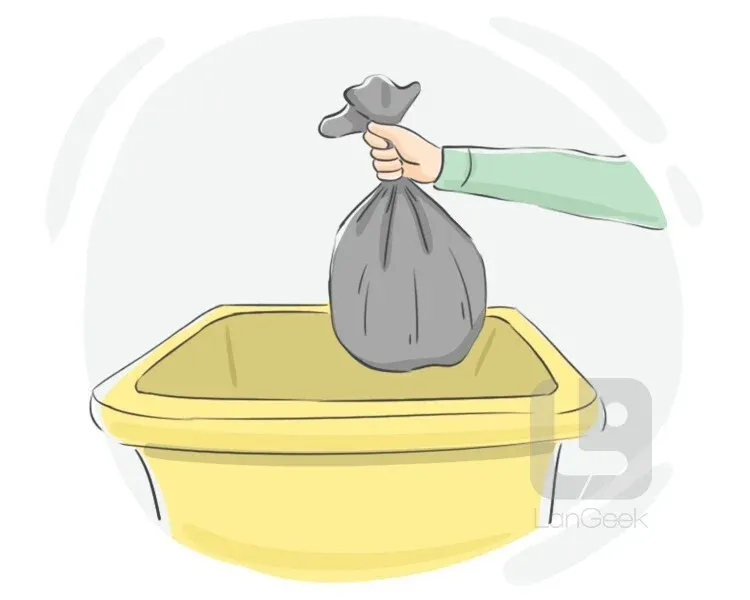
You must never throw a water-damaged vape into your regular household general waste (red lid) or recycling (yellow lid) wheelie bin. When council collection trucks compact household rubbish, the mechanical hydraulic arms crush the contents of the hopper. A damaged lithium-ion battery subjected to mechanical crushing can spark and ignite dry paper, cardboard, and plastics, leading to dangerous truck and landfill fires.
A disposable vape half-submerged in water in a kitchen sink, illustrating an accidental drop.
Utilising Designated Battery and E-Waste Drop-Off Points
Instead, take the cooled, inert device to a specialised collection facility:
- B-cycle Drop-Off Bins: Available at major supermarkets, hardware stores, and retail centres nationwide for safe battery reclamation.
- Community Recycling Centres (CRCs): Local council waste transfer stations accept unwanted electronics and battery-containing products free of charge.
- Designated Pharmacy Drop-Offs: Where applicable under local therapeutic collection frameworks.
Before dropping the device into a public battery bin, place a small piece of clear electrical tape over the base airflow holes and USB charging port to prevent accidental electrical contact with other spent batteries.
Tips to Prevent Future Water Damage
A few simple daily habits can safeguard your hardware against accidental liquid exposure:
- Keep Away from Bathrooms and Sinks: Avoid leaving devices on bathroom vanities where steam, condensation, or splashes can accumulate.
- Use a Protective Case: When carrying your device in a backpack, handbag, or beach tote, store it inside a dedicated silicone sleeve or small water-resistant zip pouch.
- Check Pockets Before Washing: Always check your shorts, jackets, and jeans before tossing them into the washing machine.
- Keep Clear of Drink Bottles: Store beverages and vaporisers in separate compartments of your bag to prevent accidental spills from ruining your gear.
If you are looking for dependable, well-crafted hardware built with reliable manufacturing standards, explore trusted brands such as Umin for well-engineered, consistent options.
Frequently Asked Questions
Can I plug a wet disposable vape into a charger to test it?
No. Never connect a wet or recently dried disposable vape to a USB charger or power bank. If liquid has entered the charging port or internal power management board, plugging it into mains power can cause a short circuit, melt the charging cable, or permanently ruin the battery cell.
What should I do if my vape fell into salt water?
Salt water is far more corrosive and electrically conductive than standard fresh water. If your device drops into the sea or ocean, it is virtually guaranteed to short-circuit rapidly. Immediately fish it out, wipe the exterior, and isolate it outdoors on a non-combustible surface (like concrete or stone). Do not attempt to use or charge it; dispose of it at an e-waste drop-off once completely inert.
Is the vapour toxic if water gets into the tank?
Inhaling vapour from a waterlogged coil can cause intense coughing and throat irritation because the coil may vaporise unpurified water containing minerals, chlorine, or environmental impurities alongside diluted e-liquid. Discard the device rather than risking unpleasant inhalation.
Summary: Safety First Every Time
When moisture enters a single-use vape, the internal lithium cell and draw sensor are almost always compromised. Rather than taking chances with auto-firing, sputtering coils, or overheating casings, remember the essential rule: stop, dry, isolate, and recycle. Keeping yourself and your living environment safe is always worth far more than attempting to salvage a waterlogged disposable.


 UMIN SLICK PLUS 10000
 ALIBARBAR INGOT 9000
 IGET BAR PRO 10000
 IGET ONE 12000
 IGET BAR PLUS S3 10000
 IGET BAR PLUS S3 POD 10000
 IGET MOON K5000
 GEEK BAR PULSE X 25000