











Navigating the Mist: Is Your IGET Vape Actually Harmful?
There is a quiet, familiar rhythm to a modern Australian evening. Picture this: you are sitting on a leafy veranda in Melbourne or catching the last golden rays of a Sydney sunset. You reach into your pocket, pull out a sleek, pastel-hued device, and take a long, slow draw. Within seconds, a dense, sweet cloud of strawberry-watermelon vapour drifts into the twilight, leaving a pleasant scent hanging in the air.

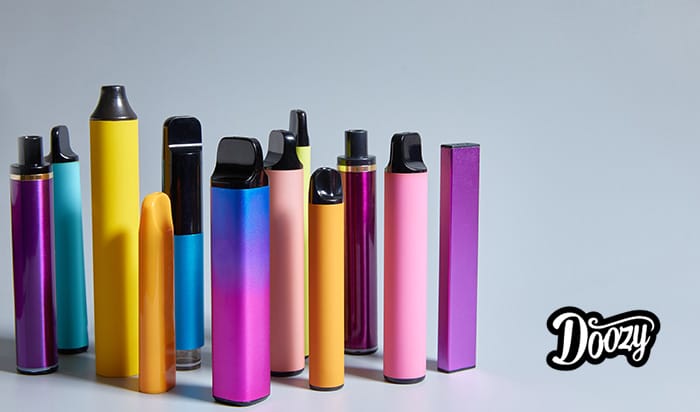
A visual comparison showing a generic, brightly colored disposable vape next to a sleeker, higher-quality, and more regulated refillable vaping device, emphasizing a shift in choice.
Disposable vapes, particularly the incredibly popular IGET range, have seamlessly woven themselves into our daily lives. They are clean, they require no messy refills, and they offer a burst of flavour that feels like a minor luxury in a busy schedule. Yet, as these little bars become a staple on coffee tables and in handbags across the country, a lingering question has begun to shadow the sensory pleasure: what are we actually putting into our bodies, and is this sweet habit doing us silent harm?
Behind the soft-touch plastic and the vibrant fruit profiles lies a complex mix of chemicals. To make truly informed decisions about our lifestyle and wellness, we need to look beyond the enticing aesthetics and explore the real impact of these devices on our health.
The Appeal of the Modern Disposable: Pure Convenience or Something More?
It is easy to understand why IGET vapes captured the Australian market so rapidly. Before their arrival, vaping was a hobby of wires, tanks, and bottles of e-liquid. Disposables stripped away all the friction. They offered an effortless hand-to-mouth ritual that fit perfectly into the flow of a night out, a stressful workday break, or a quiet moment of relaxation.
However, because these devices are so beautifully designed and easy to use, we tend to treat them with less caution than traditional smoking. The smooth, cool sensation of inhaling vapour feels miles away from the harsh, smoky burn of a cigarette. This tactile comfort can easily lead to "passive vaping"—mindlessly puffing on a device all day long without realising how much vapour is actually passing through your lungs.
For those who enjoy the physical ritual but want to explore different formats, the market has evolved to offer various form factors. Some users look for larger-capacity devices or alternative brands to vary their routine, occasionally looking at options like the vapes iget one series to find a setup that fits their personal preferences. But regardless of the specific model in your hand, understanding the internal chemistry of these devices is essential for protecting your long-term wellbeing.
What Goes into the Vapour? Unpacking the Base Ingredients
When you take a puff from an IGET vape, you aren't inhaling harmless water vapour. You are inhaling an aerosol created by heating a liquid base, typically consisting of two primary ingredients: Propylene Glycol (PG) and Vegetable Glycerine (VG).
- Propylene Glycol (PG): This is a thin, odourless liquid responsible for carrying the flavour and providing that realistic "throat hit" that mimics smoking.
- Vegetable Glycerine (VG): A thicker, sweeter liquid derived from plant oils, VG is the ingredient that creates those thick, satisfying clouds of vapour.
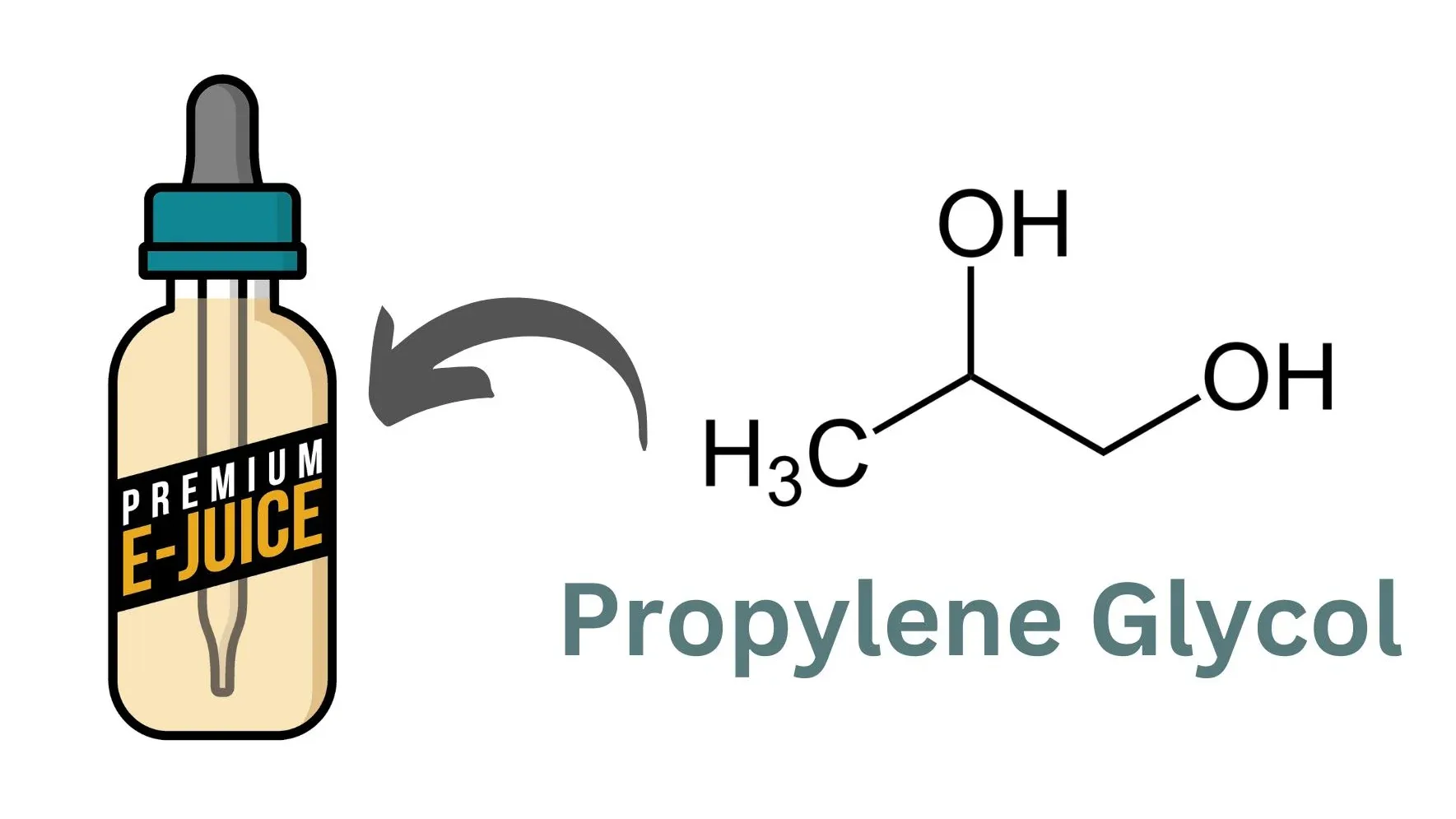
A clear bottle labeled Propylene Glycol or a scientific representation of its chemical structure, indicating a key ingredient in vape liquid.
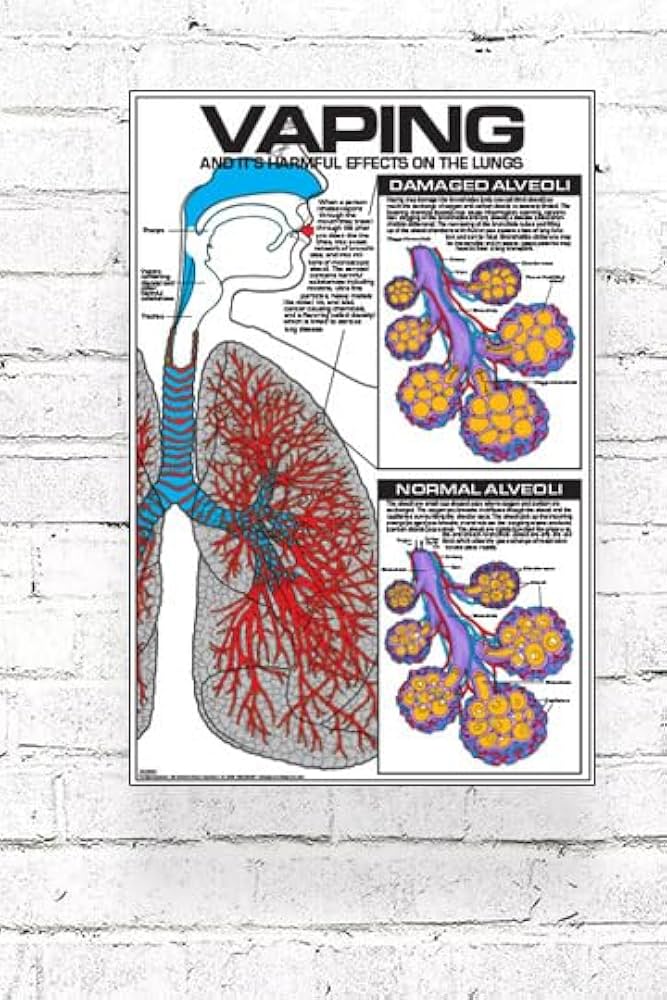
While both PG and VG are widely used in the food and cosmetic industries and are generally considered safe to eat, our digestive systems are very different from our respiratory systems. The human lung is an incredibly delicate organ, lined with thin membranes designed solely to transfer oxygen into our bloodstream.
When you heat PG and VG and draw them deep into your lung tissue day after day, it can cause mild to moderate inflammation. Over time, this constant coating of moisture can interfere with the lungs' natural self-cleaning mechanisms, leading to that heavy, congested feeling that many daily vapers report experiencing in the mornings.
An image representing Australian vaping laws, possibly featuring official documents, a pharmacy setting selling regulated vapes, or a graphic symbolizing legal changes.
The Sweet Temptation: The Risk of Inhaling Complex Flavours
The true magic of the IGET experience lies in the flavours. Whether it is a refreshing grape ice, a lush mango, or a complex berry blend, the taste is designed to be as delicious and crave-worthy as possible.
To achieve these profiles, manufacturers mix various food-grade flavouring chemicals. While these flavourings have been thoroughly tested and approved for ingestion—meaning they are perfectly safe to eat in a sweet or drink—there is a massive gap in our understanding of what happens when they are heated to high temperatures and vaporised.
When heated by a tiny metal coil inside the vape, these sweet flavouring compounds can break down into new, unintended chemical byproducts. Inhaling these thermal degradation products can irritate the sensitive bronchial tubes, sometimes causing a persistent dry cough or triggering asthma-like symptoms in people who have never previously suffered from respiratory issues.
Furthermore, to make the vapour feel incredibly crisp and easy to inhale, many of these formulations include synthetic cooling agents. These agents trick the brain into feeling a refreshing chill, masking the natural harshness of the heated vapour. Because the throat hit feels so smooth and cool, it becomes incredibly easy to take deeper, longer puffs, driving the aerosolised chemicals even deeper into the lower chambers of the lungs.
The Nicotine Trap: How Dependency Affects Mind and Body
For many Australians, vaping started as a social curiosity or a way to wind down. However, for a significant portion of users, the habit quickly transitions from a conscious choice to a physical necessity, driven by nicotine.
Many disposable vapes contain high concentrations of nicotine salts. Nicotine salts are chemically modified to be absorbed by the body much faster than traditional freebase nicotine, delivering a rapid, highly satisfying "head rush" that closely mimics the sensation of smoking a traditional cigarette.
While this fast absorption makes the experience incredibly smooth, it also makes it highly habit-forming. Nicotine works by releasing dopamine in the brain, creating a temporary sense of calm and focus. As the chemical wears off, it leaves behind a subtle sense of anxiety, irritability, and restlessness—feelings that are instantly relieved by taking another puff.
This cycle can be particularly impactful for young adults. Because the human brain continues to develop and rewire itself well into a person’s mid-twenties, regular exposure to high levels of nicotine can alter the pathways responsible for mood regulation, attention, and impulse control. What feels like a relaxing stress-reliever can quietly become the very source of your daily anxiety and restlessness.

An illustration of a young adults brain with neural pathways, possibly highlighting areas affected by nicotine, representing the impact of vaping on developing brains.
Shifting Focus: Exploring Quality Control and Safer Alternatives
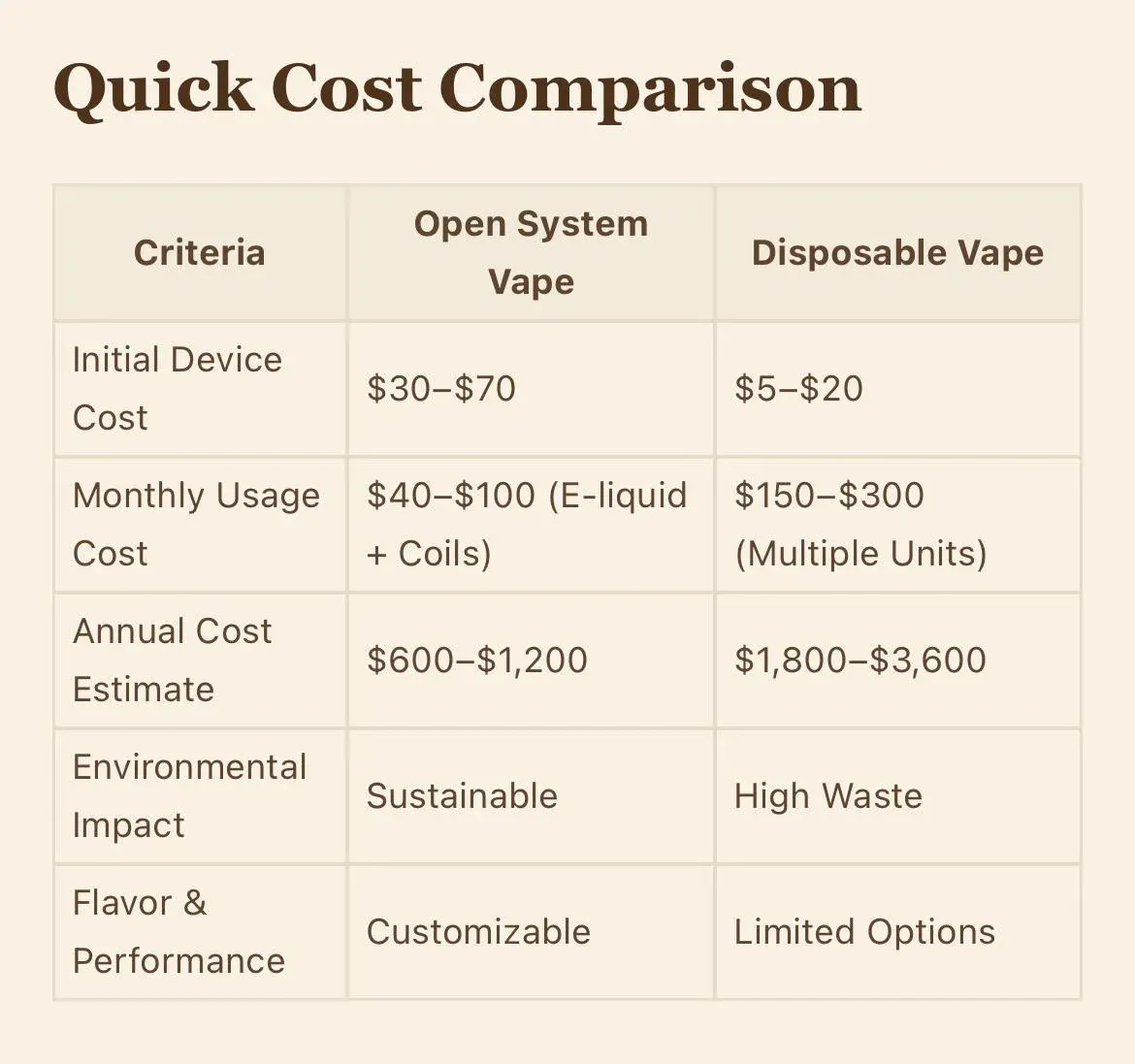
If you enjoy the sensory experience of vaping—the beautiful clouds, the comforting hand-to-mouth motion, and the moment of pause it provides—but are concerned about the unregulated nature of cheap, black-market disposables, it may be time to look at devices that prioritise better quality control.
Many Australian vapers are moving away from mystery corner-store disposables and choosing high-quality, transparent devices where the manufacturing standards and ingredient profiles are much clearer. Transitioning to reliable, well-designed hardware allows you to have more control over what you are inhaling.
An illustration or diagram depicting inflamed or congested human lungs, symbolizing the potential respiratory irritation caused by inhaling heated vape aerosols.
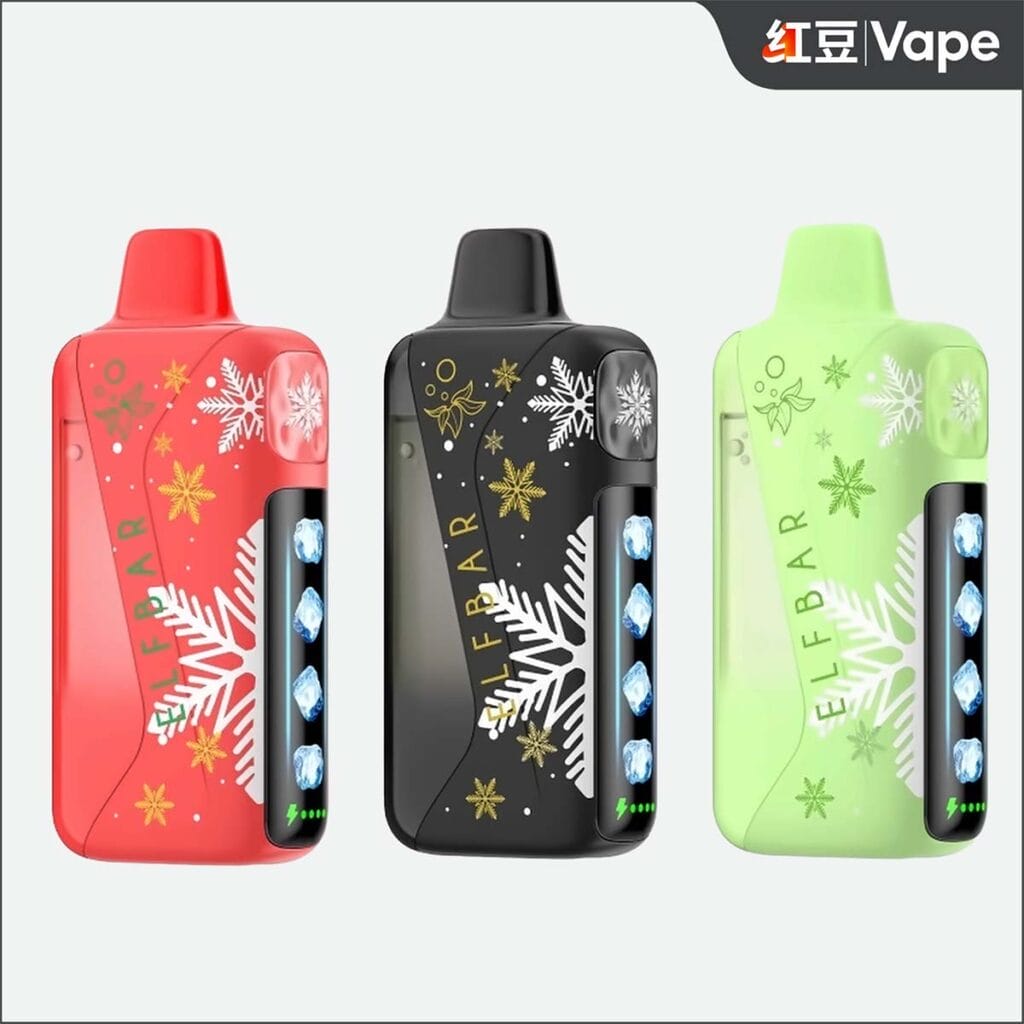
- Sleek and Modern Designs: For those who appreciate a slim, pocket-friendly device with premium build quality, options like the Umin Slick Plus 10000 offer a sophisticated alternative to basic disposables.
- Advanced Features: If you prefer a highly customisable vape that lets you monitor your usage and manage your settings, the Geek Bar Pulse X 25000 provides an elegant, high-tech experience.
- Distinctive Aesthetics: If your vaping ritual is as much about style as it is about relaxation, the metallic finish and unique form factor of the Alibarbar Ingot 9000 can bring a fresh, premium feel to your daily wind-down.
By choosing reputable, well-engineered hardware, you can significantly reduce the risks associated with leaking batteries, overheating coils, and inconsistent chemical formulations.
Navigating the Changing Australian Vaping Laws
The way Australians access and view vapes is undergoing a major transformation. In an effort to curb the rise of unregulated black-market disposable vapes and protect young people from nicotine dependency, the Australian Government has introduced strict new regulations.
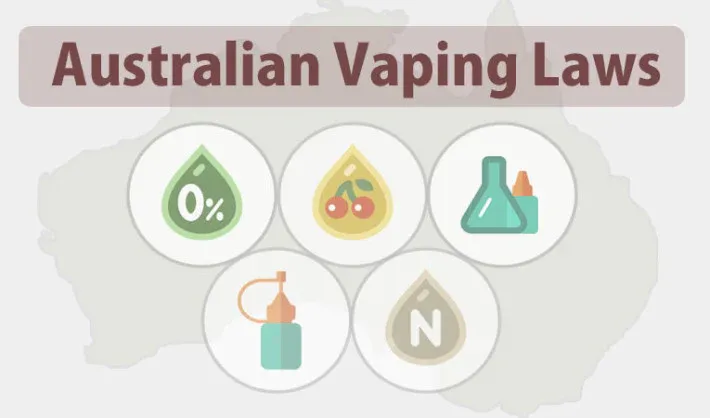
An image representing Australian vaping laws, possibly featuring official documents, a pharmacy setting selling regulated vapes, or a graphic symbolizing legal changes.
The open sale of single-use disposable vapes in convenience stores and tobacconists is being phased out, shifting instead to a regulated, pharmacy-led system. Under this model, vapes are treated as therapeutic devices rather than recreational toys, ensuring that any product sold legally meets strict quality, safety, and ingredient standards.
If you are using vaping as a tool to transition away from smoking, these regulatory changes are a positive step towards ensuring your safety. They mean that the era of guessing what chemical mix is hidden inside a brightly coloured plastic tube is coming to an end, paving the way for a more transparent, health-conscious approach.
Listening to Your Body: Recognising the Warning Signs
At the end of the day, your body is incredibly good at communicating when something isn't right. Vaping should be a relaxing addition to your lifestyle, not a source of physical strain. It is crucial to stay mindful of how you feel and watch out for these common warning signs:
- Persistent Coughing or Wheezing: If you find yourself clearing your throat constantly or feeling tight in the chest when you lie down to sleep.
- Shortness of Breath: Experiencing unusual fatigue or breathlessness during basic physical activities, like walking up a steep hill or climbing stairs.
- Dry Mouth and Throat: The drying nature of PG and VG can strip away the natural moisture in your mouth, leading to irritation, bad breath, or dry, cracked lips.
- Nicotine Headaches and Fatigue: If you wake up with a headache or feel highly irritable and exhausted when you haven't vaped for a few hours.
If you notice any of these symptoms, it is a clear sign that it is time to take a step back, assess your usage, and perhaps consider reducing your nicotine intake or spacing out your sessions.
Crafting a Mindful Approach to Your Vaping Journey
Is your IGET vape harmful? The honest answer is that while vaping is widely considered to be less harmful than burning tobacco leaves in a traditional cigarette, it is not a risk-free activity. Inhaling heated chemical bases, complex food-grade flavourings, and highly addictive nicotine salts carries real consequences for your respiratory and cardiovascular health.
The key to a healthy lifestyle is mindfulness and balance. By understanding the ingredients in your device, choosing high-quality, regulated hardware over cheap disposables, and listening closely to the signals your body sends, you can enjoy your personal rituals while keeping your health and wellbeing firmly in your own hands.








 UMIN SLICK PLUS 10000
 ALIBARBAR INGOT 9000
 IGET BAR PRO 10000
 IGET ONE 12000
 IGET BAR PLUS S3 10000
 IGET BAR PLUS S3 POD 10000
 IGET MOON K5000
 GEEK BAR PULSE X 25000