











Does Cold Weather Affect Disposable Vapes? Battery, Flavour and Performance Explained
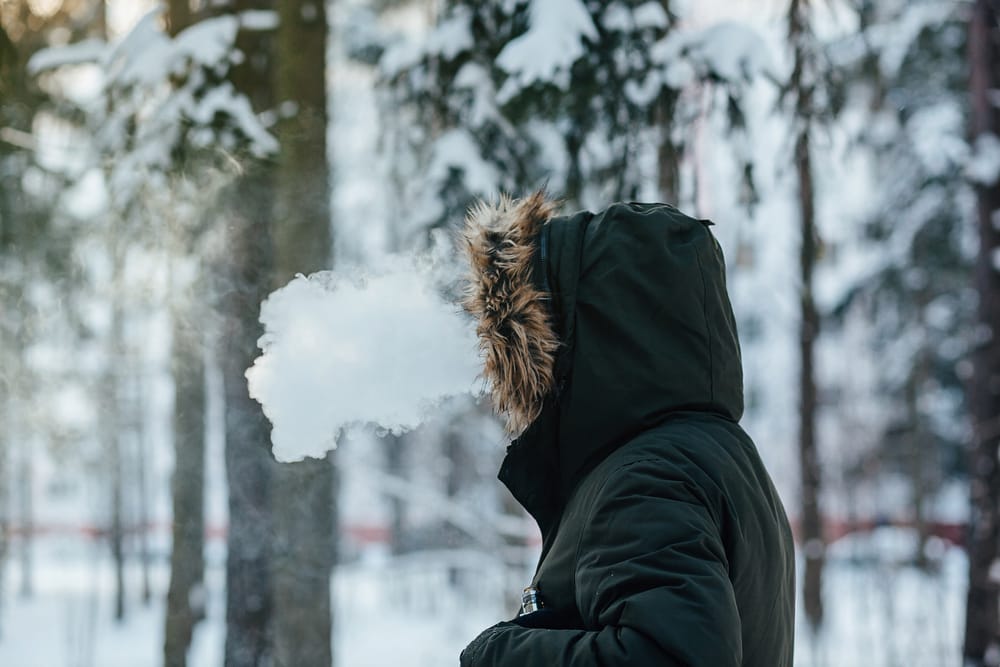
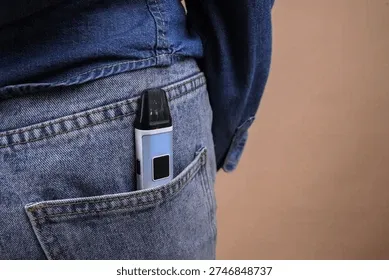
A persons hand placing a disposable vape into an interior jacket pocket, suggesting the use of body warmth to protect the device from cold.
Stepping out into a brisk Melbourne morning or waiting on a frosty train platform in Canberra can quickly reveal a frustrating surprise: your disposable vape barely produces any vapour, the draw feels tight, and the flavour is practically non-existent. If you have ever wondered why your device behaves sluggishly as soon as the temperature plummets, you are not imagining it.
The reality of vaping in cold weather is that low ambient temperatures have an immediate, physical effect on both the internal electronics and the e-liquid formula. From voltage sag in a cold weather vape battery to muted taste and sluggish atomisers, understanding how a disposable vape winter experience differs from regular use will save you from throwing away perfectly good hardware prematurely. Here is a comprehensive breakdown of what happens inside your device when the mercury drops and how to keep it running smoothly across the chilly months.
How Low Temperatures Affect a Cold Weather Vape Battery
At the heart of every disposable electronic cigarette is a compact lithium-ion cell. Lithium-ion batteries rely on liquid electrolytes to transfer lithium ions back and forth between the anode and cathode. When exposed to cold weather, this chemical process slows down considerably.
Cold Ambient Air → Sluggish Electrolyte Flow → Voltage Sag → Weaker Coil Output
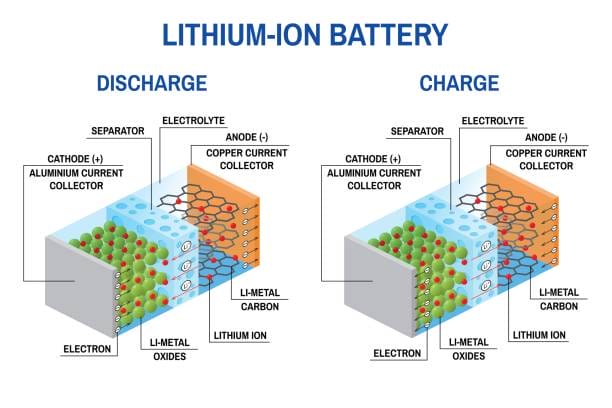
An infographic diagram illustrating the sequence: Cold Ambient Air leading to Sluggish Electrolyte Flow, resulting in Voltage Sag, and ultimately Weaker Coil Output in a vape battery.
1. Temporary Voltage Drop (Voltage Sag)
When a battery becomes chilled, its internal resistance increases. When you take a draw, the battery struggles to discharge the necessary current to power the heating element. This results in what technicians call "voltage sag" — the cell's output voltage drops sharply under load, delivering significantly less power to the coil than it would at comfortable room temperatures.
2. Diminished Usable Capacity
You might notice your device blinking as if it is out of charge far sooner than expected when outdoors. In cold environments, the battery cannot release its stored energy efficiently. While the charge is not permanently gone, the device's microchip reads the sudden drop in voltage as an empty battery, temporarily locking the device to prevent over-discharge. Once the unit warms back up to regular ambient temperatures, the chemical reaction normalises, and the remaining battery life usually returns.
3. Slower Power Delivery
Even if the device fires, the power transfer to the atomiser feels soft. Instead of an immediate, responsive crackle, you may experience a delayed ramp-up time where the coil takes two to three seconds just to generate a gentle mist.
Sluggish Heating and Flavour Loss During Disposable Vape Winter Use
Battery output is only half the equation. The physical properties of e-liquids and the airflow mechanics inside your pod also respond directly to ambient temperature changes.
Cold Air Inhalation Across the Atomiser
When you take a puff outdoors during winter, your device draws freezing ambient air straight through the bottom intake holes and directly across the heating coil. This influx of cold air acts as a constant cooling mechanism against the heating wire or mesh. To generate dense vapour and crisp flavour notes, the coil must maintain a steady heat level; frigid airflow constantly counteracts that heat, leaving the vapour thin and wispy.
E-Liquid Behaviour and Coil Saturation
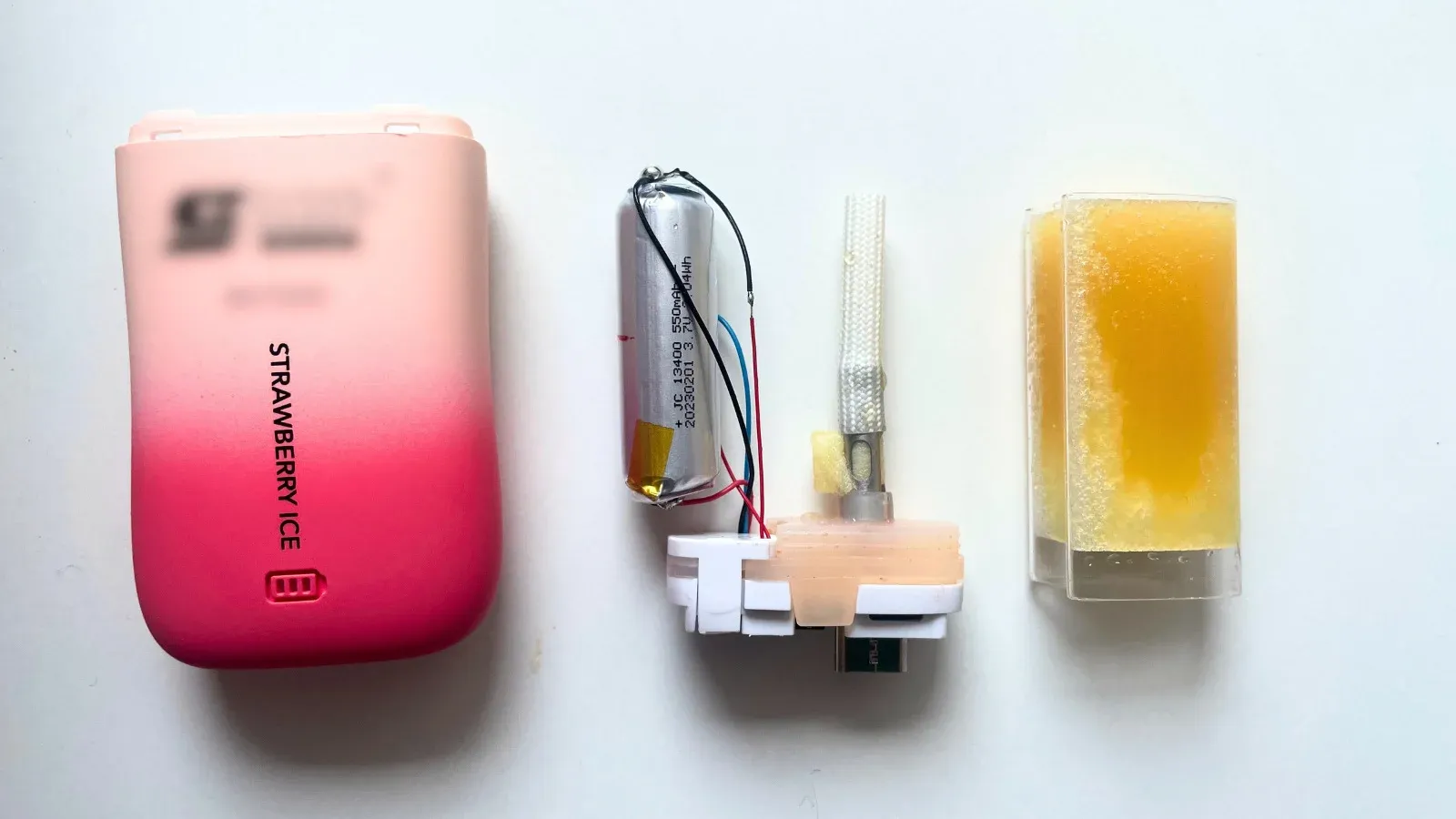
The ingredients inside your pod become noticeably more viscous (thicker) when cold. When the liquid thickens, the internal cotton wick takes much longer to absorb fresh fluid between puffs. If you take multiple quick draws in a frosty breeze, you risk singeing the dry cotton wick because the thick liquid cannot flow into the coil fast enough.
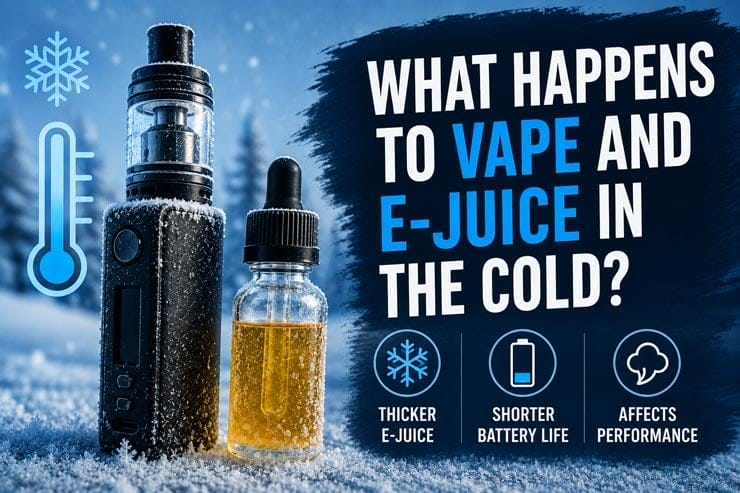
A disposable vape device placed on a hot radiator or near another artificial heat source, illustrating an incorrect and potentially dangerous method of warming it up.
The way complex flavours interact with heat also changes in cooler conditions. For example, rich fruity notes and intricate dessert profiles rely on consistent atomisation to express their sweet and aromatic compounds. Learning how sweeteners affect vape flavour and coil life shows that stable thermal balance is essential; if the coil cannot reach its intended heat, sweet undertones fail to vaporise cleanly, leaving the draw tasting dull or muddy.
Vaping in Cold Weather: Performance Across Temperature Ranges
The severity of performance loss depends heavily on just how cold your surroundings are. The table below outlines how typical portable vaporiser components respond across different temperature conditions.
| Environmental Condition | Battery Behaviour | Coil Ramp-Up & Vapour Density | Flavour Clarity | Recommended Handling |
|---|---|---|---|---|
| Warm / Indoor (18°C to 25°C) | Full voltage output, maximum rated puff life per charge | Instant ramp-up, thick vapour production | Full flavour profile with clear top and base notes | Standard daily use and normal storage |
| Cool Autumn / Mild Winter (10°C to 17°C) | Minor drop in discharge rate; slight reduction in peak power | Negligible delay; vapour density remains steady | Flavour remains crisp with minor sweetness reduction | Keep in a standard pocket when outdoors |
| Cold Winter Morning (2°C to 9°C) | Noticeable voltage sag; premature low-battery indicator blinks | Delayed heating (1–2 seconds); noticeably thinner vapour | Muted notes; icy flavours feel harsher on the throat | Store in an internal jacket pocket close to body heat |
| Near-Freezing / Alpine (< 2°C) | Severe discharge suppression; device may refuse to fire | Very slow or incomplete vaporisation; risk of dry hits | Dulled taste; flavour notes fail to volatilise cleanly | Warm the device thoroughly in your hands before use |
Condensation and Spitback in Cold Weather
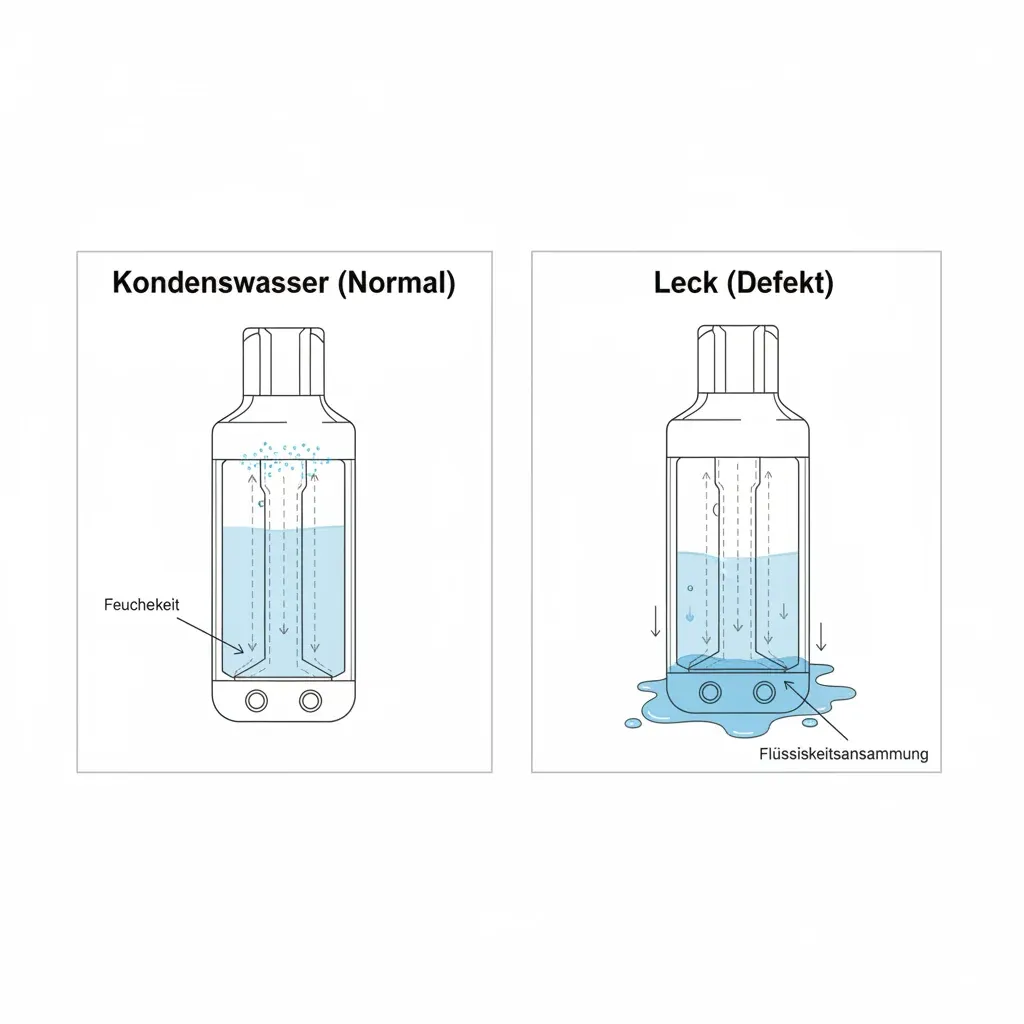
Have you ever noticed your vape gurgling or spitting droplets of liquid onto your tongue when using it outside on a chilly night? This common annoyance is caused by thermal condensation.
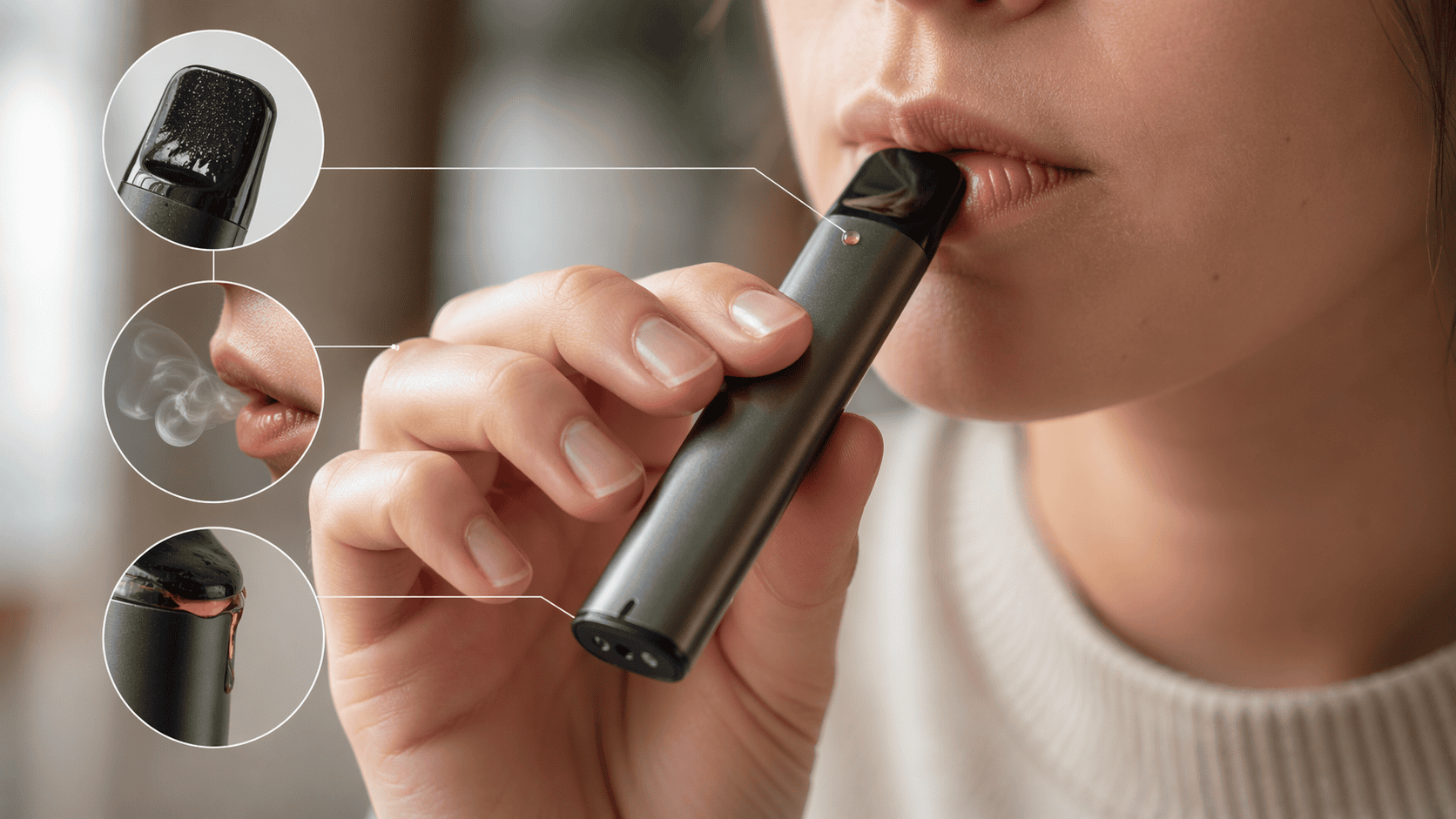
A close-up of a disposable vape mouthpiece showing condensation droplets or a small amount of liquid, illustrating spitback or gurgling issues in cold weather.
When hot vapour travels up the narrow central chimney of your disposable device, it encounters the freezing plastic or metal walls of the cold mouthpiece. The temperature contrast causes the vapour to instantly condense back into a liquid state along the inner walls of the airway.
Over several puffs, these condensed droplets accumulate into a small pool inside the chimney. When you next take a draw, the incoming airflow pulls these droplets upward, causing:
- Audible gurgling or bubbling sounds from the mouthpiece.
- Liquid spitback reaching your mouth during an inhale.
- Minor pooling or weeping around the top seam or base airflow vents.
To clear condensation, hold your device securely and flick it downward toward a tissue, or gently roll a narrow piece of paper towel into the mouthpiece to absorb excess moisture before vaping.
Practical Tips to Protect Your Disposable Vape in Winter Conditions
You do not have to put up with weak vapour or dead batteries just because the weather has turned cold. A few simple adjustments to your routine will keep your devices operating at their best throughout the colder months.
1. Harness Body Warmth
The simplest and most effective way to safeguard your disposable vape is to carry it in an interior coat, jacket, or trouser pocket rather than in an exterior bag, backpack, or loose outer pocket. Your natural body warmth keeps the battery core and internal liquid at a steady, functional temperature, ensuring full power delivery the moment you step outside.
A person in winter clothing attempting to vape outdoors in snowy or frosty conditions, with minimal vapor production from the disposable vape device.
2. Take Gentle "Primer" Puffs
If your device has been sitting in a cold room or outdoor setting, avoid taking a long, aggressive draw immediately. Instead, take two or three very short, gentle primer puffs. These initial short activations gently warm the coil and surrounding liquid without pulling large volumes of freezing air through the system, preparing the wick for a satisfying inhale.
3. Never Leave Devices in the Car Overnight
A vehicle parked outside overnight quickly turns into a refrigerator. Leaving your disposable vape in the centre console or glovebox exposes the battery to sustained low temperatures for hours. This deep chill causes severe voltage sag the following morning and promotes heavy internal condensation once you bring the cold unit into a warm cabin or office.
4. Choose High-Capacity, Well-Insulated Devices
If you spend extended periods working outdoors or travelling in cooler regions, choosing well-built devices with sturdy outer casings helps buffer the internal components against sudden thermal shifts. Modern hardware from premium brands like the Umin collection is engineered with efficient heating systems designed to maintain consistent vaporisation.
Similarly, bold and vibrant fruit options such as the Alibarbar Ingot 9000 Ribena or deeply layered profiles like the Alibarbar Ingot 9000 Black Forest provide rich, robust aromatic notes that hold their punch even during brisk winter outings.
Safe Handling and Charging in Cold Climates
For rechargeable disposable vapes, charging safety is an essential factor that becomes especially critical during the winter season.
Cold Device → Allow to Reach Room Temp → Connect to 5V/1A Charger → Safe, Full Charge
Let Your Device Warm Up Before Charging
Never plug a rechargeable disposable vape into a power source immediately after bringing it in from freezing outdoor air. Cold lithium-ion cells have high internal resistance; charging a freezing cell puts unnecessary stress on the internal chemistry and can permanently degrade the battery's overall capacity.
Always let your device sit at comfortable room temperature for at least 15 to 20 minutes before plugging it in. This ensures the internal electrolyte has warmed up and can safely accept the charging current without overheating or losing lifespan.
Avoid Artificial Heat Sources
While you want your device to warm up, never attempt to speed up the process by placing it on a home radiator, holding it over a stove, or using a hair dryer. Rapid, uneven external heating can warp the plastic casing, damage internal silicone seals, cause the e-liquid to thin out excessively and leak, or even trigger a battery failure. Natural room temperature and ambient air are all you need.
A visual comparison of e-liquid viscosity, showing a thicker, slower-flowing liquid in a cold environment versus a less viscous, free-flowing liquid at room temperature.
Frequently Asked Questions
Why does my vape taste burnt when I use it outside in winter?
Cold weather thickens the e-liquid, making it flow much slower through the cotton wick. If you take successive deep puffs in cold air, the coil vaporises the liquid faster than the wick can re-saturate, leading to dry, burnt-tasting hits. Slow down your pace and let the device rest between draws.
Is my battery permanently damaged if it dies quickly in the cold?
In most cases, no. The cold merely suppresses the chemical reaction inside the battery, causing temporary voltage drop. Once the unit is returned to a warm indoor environment, the battery chemistry recovers, and normal capacity is restored.
Why is my vape leaking from the bottom airflow during winter?
When warm vapour cools rapidly inside the chimney, it condenses back into liquid droplets. If this accumulated condensation runs down the airway instead of being cleared, it can exit through the bottom air intake holes, mimicking a leak.
Summary: Keeping Your Vape Performing All Winter Long
Vaping in the colder months does not have to mean putting up with weak clouds and dull flavours. By understanding how lower temperatures slow down battery output, increase liquid viscosity, and create internal condensation, you can easily protect your hardware. Keep your device tucked close to your body heat, take gentle priming draws when stepping outside, and let your vape warm naturally to room temperature before charging. With these simple habits, your disposable vape will deliver smooth, flavourful, and satisfying vapour all winter long.


 UMIN SLICK PLUS 10000
 ALIBARBAR INGOT 9000
 IGET BAR PRO 10000
 IGET ONE 12000
 IGET BAR PLUS S3 10000
 IGET BAR PLUS S3 POD 10000
 IGET MOON K5000
 GEEK BAR PULSE X 25000