











MTL vs DTL, RDL Vape & Vaping Draw Styles Explained (2026 Guide)
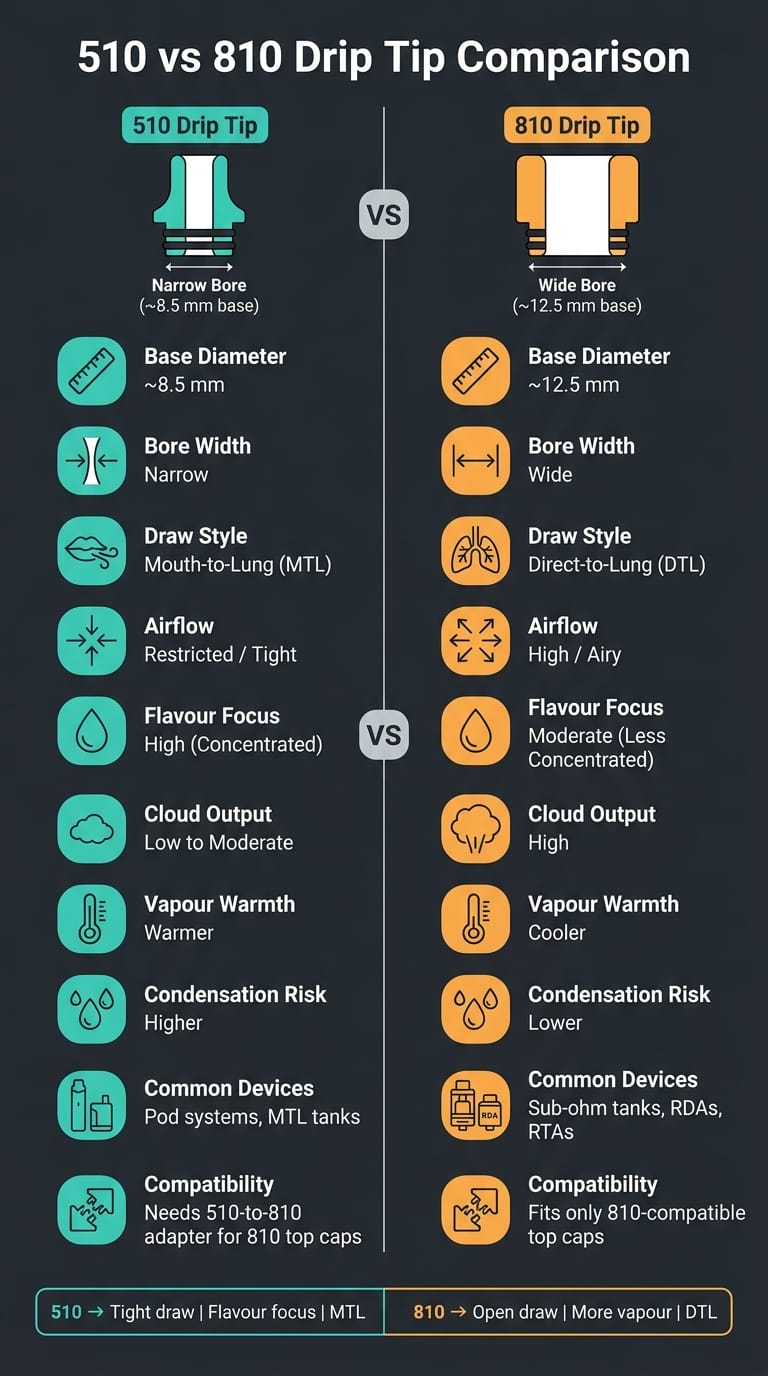
A side-by-side comparison of different vape drip tips, showing narrow bore tips for MTL and wide bore tips for DTL vaping.
When picking up a vape for the first time, or upgrading your current kit, you will quickly encounter an alphabet soup of technical acronyms: MTL, RDL, and DTL. These terms describe the physical way you inhale vapour into your lungs, and getting them right makes all the difference to your experience. Whether you are comparing MTL vs DTL, looking to try an RDL vape, or simply trying to understand how different vaping draw styles impact flavour, vapour production, and throat hit, mastering these styles is the quickest path to finding your ideal setup.
Every vape device on the market is engineered around a specific inhalation method. Your choice of draw style dictates the coil resistance you need, how much airflow passes through the device, the power output required, and the type of e-liquid you should use. Let us break down what each acronym means, how they compare side by side, and how to find the draw that suits your personal preferences.
What Do MTL, RDL, and DTL Actually Mean?
At its core, a draw style refers to the mechanics of how you take a puff from a vape mouthpiece. Unlike conventional smoking, which offers only one fixed way to inhale, modern vaping hardware allows for multiple airflow pathways.
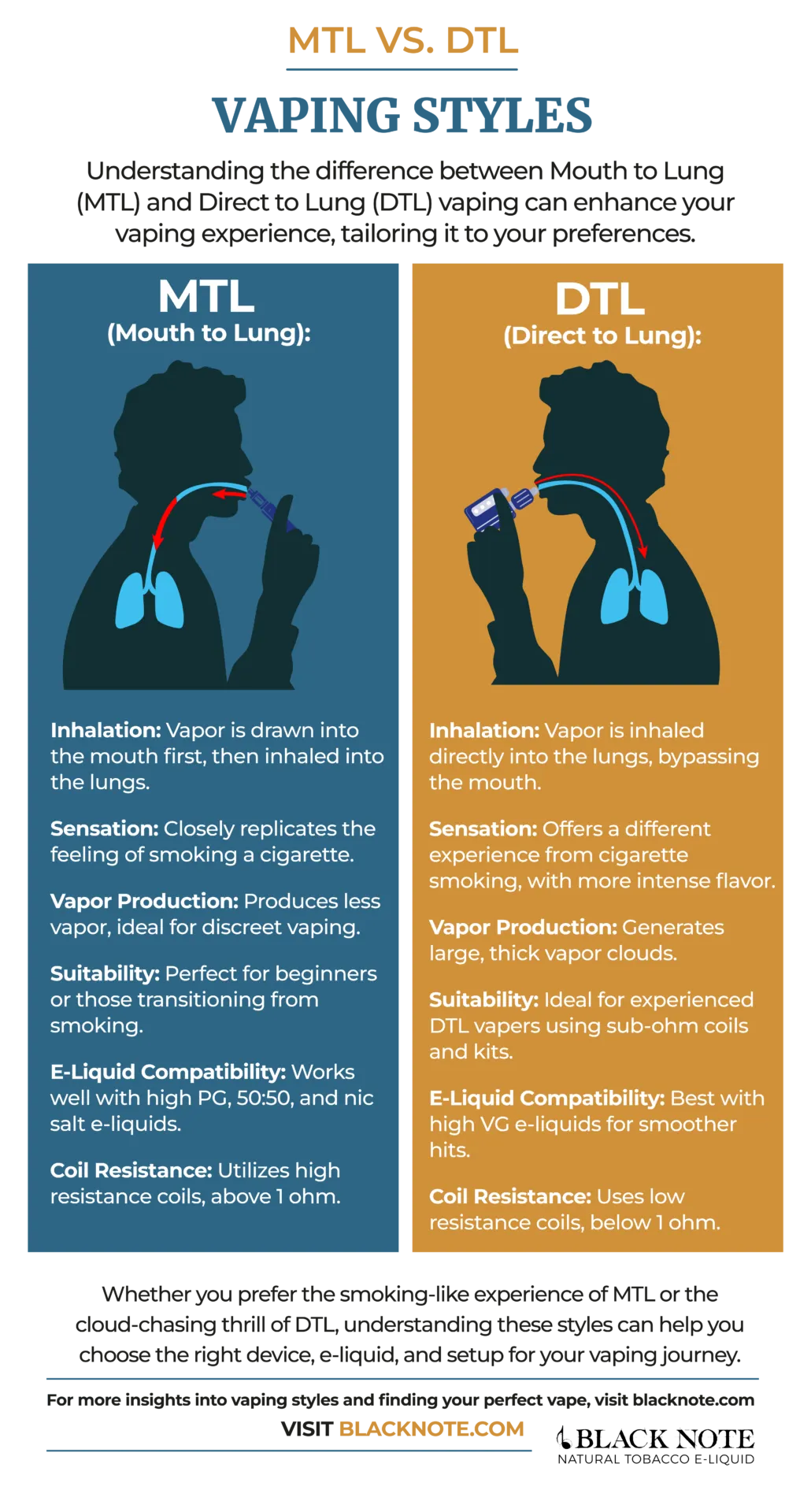
- MTL (Mouth-to-Lung): You draw vapour into your mouth first, hold it for a brief moment, and then inhale it down into your lungs before exhaling.
- DTL (Direct-to-Lung): You inhale vapour directly into your lungs in one continuous, deep breath, bypassing the mouth-hold entirely—similar to taking a deep breath through a snorkel.
- RDL (Restricted Direct Lung): You inhale directly into your lungs, but with a slight, deliberate airflow restriction that creates a tighter, more concentrated stream of flavour than wide-open DTL.
Understanding these three foundational categories makes it easy to select coils, adjust your airflow sliders, and tailor your everyday vape to your exact liking.
Vaping Draw Styles Compared: Key Differences
To help you quickly compare how each style behaves across everyday usage scenarios, here is a breakdown of how the three main techniques differ in performance, feel, and equipment requirements.
| Characteristic | Mouth-to-Lung (MTL) | Restricted Direct Lung (RDL) | Direct-to-Lung (DTL) |
|---|---|---|---|
| Inhalation Method | Two-step (Mouth, then lungs) | Single-step (Direct with resistance) | Single-step (Direct and unrestricted) |
| Airflow Setting | Tight, restricted | Semi-open, moderate resistance | Fully open, airy |
| Power Requirement | Low power output | Moderate power output | High power output |
| Coil Resistance | Higher resistance | Medium resistance | Lower resistance (Sub-Ohm) |
| Vapour Production | Discreet, minimal | Balanced, moderate | Substantial, dense clouds |
| Throat Hit | Pronounced and sharp | Mild to moderate | Smooth and soft |
| E-Liquid Consumption | Very low / economical | Moderate | High / rapid |
| Ideal For | Beginners & former smokers | Flavour chasers & all-day vapers | Cloud enthusiasts & hobbyists |
In-Depth Breakdown: MTL vs DTL and the Rise of the RDL Vape
Mouth-to-Lung (MTL): The Traditional Inhale
Mouth-to-Lung is the most intuitive draw style for anyone transitioning from conventional cigarettes. Because the two-stage inhalation method mirrors the physical action of smoking, it feels instantly familiar to beginners.
When taking an MTL draw, the device uses a narrow mouthpiece and a tight airflow intake. This resistance forces you to use the muscles in your mouth and cheeks to pull the vapour in. Once the vapour fills your oral cavity, you open your airway and breathe it into your lungs.
Key Characteristics of MTL:
- Familiar Sensation: Closely replicates the physical draw resistance and throat sensation of traditional smoking.
- Low Energy & Liquid Use: Operates efficiently at low power settings, ensuring your battery lasts longer and your e-liquid is consumed at a slow, economical pace.
- Discreet Vapour: Produces subtle clouds, making it well-suited for situations where you want to keep your vapour output understated.
- Higher Resistance Coils: Built to work with higher-resistance coils that require less wattage to vaporise e-liquid cleanly.
Direct-to-Lung (DTL): The Cloud-Chasing Experience
Direct-to-Lung (often referred to as sub-ohm vaping) sits at the opposite end of the spectrum. Instead of gathering vapour in your mouth, you place your lips around a wide-bore drip tip and breathe the vapour straight into your chest in one uninterrupted motion.
A close-up image of a vape tank or device showing an adjustable airflow control ring or slider, illustrating how users can modify their draw.
Because DTL hardware features wide, uninhibited airflow channels and operates at higher power levels, it vaporises large amounts of e-liquid instantaneously. The result is warm, dense, room-filling vapour with an exceptionally smooth inhale.
Key Characteristics of DTL:
- Massive Cloud Production: Generates thick, voluminous vapour clouds suited to tricking or hobbyist cloud performance.
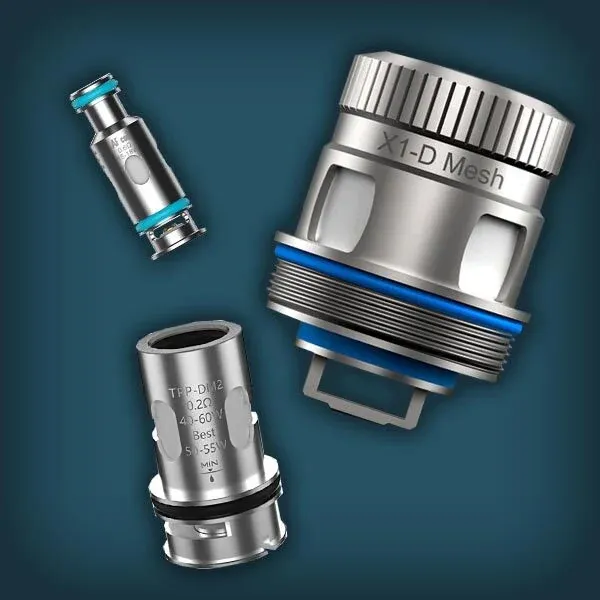
- Sub-Ohm Coils: Relies on low-resistance coils featuring larger internal wicking ports to handle rapid e-liquid flow.
- Smooth Throat Sensation: Delivers a softer throat hit despite the large volume of vapour, prioritising vapour volume over throat sharpness.
- Higher Juice Consumption: Uses substantially more e-liquid per session due to the sheer surface area of the heating elements and higher power delivery.
Restricted Direct Lung (RDL): The Flavour Sweet Spot
As vaping technology advanced, many vapers found themselves caught between the tight restriction of MTL and the airy, juice-heavy nature of DTL. The industry responded with Restricted Direct Lung (RDL), which has rapidly become one of the most popular vaping draw styles worldwide.
A person exhaling a large, dense cloud of vapor from a Direct-to-Lung (DTL) sub-ohm vape device, highlighting the cloud-chasing aspect.
An RDL vape allows you to inhale directly into the lungs, but the airflow is deliberately channelled through a narrower intake than a full DTL setup. This slight restriction compresses the vapour, concentrating the flavour profiles across your palate without demanding extreme battery power or excessive e-liquid consumption.
Key Characteristics of RDL:
- Concentrated Flavour: The condensed airflow enhances delicate dessert, fruit, and beverage flavour notes.
- Balanced Vapour: Produces noticeably more vapour than an MTL setup while remaining far more manageable and discreet than a full sub-ohm cloud setup.
- Moderate Power Demand: Operates cleanly on medium-range power settings, allowing compact pod mods to perform well without draining batteries instantly.
- Versatility: Acts as a stepping stone for vapers who want to experiment with direct-lung inhales without completely sacrificing draw resistance.
Airflow, Hardware, and Device Dynamics
Achieving your preferred inhale depends heavily on how your hardware manages incoming air. Most modern pod systems and vape tanks include adjustable airflow control rings or sliding toggles, giving you the freedom to fine-tune the tightness of your draw.
When setting up your kit, keep these mechanical factors in mind:
- Drip Tip Bore: Narrow, pin-hole drip tips concentrate vapour for tight MTL draws, while wide-bore mouthpieces accommodate the high airflow volume required for DTL inhales.
- Airflow Sliders: Closing your airflow down reduces the air mixing with the vaporised liquid, raising the warmth and tightening the draw. Opening the airflow cools the coil down and creates larger clouds.
- Acoustic Whistling: If you notice an odd whistling noise when adjusting your airflow control ring down to tighter RDL or MTL levels, reading a quick guide on why your vape might start whistling and how to fix it can help you reposition your intake ports and smooth out turbulent air paths.
A person demonstrating Mouth-to-Lung (MTL) vaping with a compact device, showing a discreet vapor output, similar to smoking a cigarette.
Choosing the Right Style for Your Vaping Journey
Deciding between MTL vs DTL, or settling on a versatile RDL vape, ultimately comes down to your personal goals, your past smoking habits, and how you prefer your device to handle throughout the day.
- WHICH STYLE SUITS YOU?
- Transitioning Smoker? → Choose MTL (Tight draw, firm hit)
- Flavour Enthusiast? → Choose RDL (Warm vapour, rich notes)
- Cloud Hobbyist? → Choose DTL (Open air, massive clouds)
1. When to Choose Mouth-to-Lung (MTL)
- You are switching from traditional smoking and want a draw that feels natural and familiar.
- You want your battery and e-liquid to last throughout the entire day without frequent recharging or refilling.
- You prefer a stealthy, low-profile vape that does not draw unwanted attention in public outdoor spaces.
- You appreciate a satisfying, distinct throat hit.
2. When to Choose Restricted Direct Lung (RDL)
- You love nuanced flavour blends and want to taste subtle undertones in complex profiles.
- You want a direct inhale that does not feel like breathing through a wide, open pipe.
- You want a compact pod system that provides a warm, dense draw without requiring a heavy dual-battery mod.
If you enjoy flavour-forward, moderate draws in convenient pre-filled form factors, high-capacity disposable units such as the Alibarbar Ingot 9000 Ribena or the rich berry blend of the Alibarbar Ingot 9000 Black Forest provide finely calibrated airflow balances that deliver satisfying, flavourful draws straight out of the box.
3. When to Choose Direct-to-Lung (DTL)
- You enjoy the visual aspect and tactile experience of creating massive vapour clouds.
- You prefer a cool, effortless inhale with minimal airflow restriction.
- You use high-powered box mods with dual or triple batteries and large sub-ohm tanks designed for high wattage.
Summary & Practical Next Steps
There is no single "correct" way to vape—the best style is simply the one that keeps you satisfied and away from combustible tobacco.
- Start with MTL if you are a newcomer looking for a straightforward, cigarette-style experience that is gentle on your battery and pocket.
- Step up to RDL if you are chasing optimal flavour clarity and a slightly denser cloud with moderate airflow resistance.
- Explore DTL if your goal is maximum cloud volume, deep lung hits, and high-wattage power.
Take time to experiment with the adjustable airflow settings on your device, try pairing different coil types with your preferred draw, and you will quickly dial in the perfect balance of flavour, warmth, and vapour.


 UMIN SLICK PLUS 10000
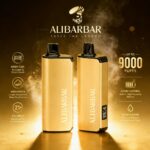 ALIBARBAR INGOT 9000
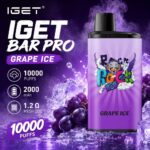 IGET BAR PRO 10000
 IGET ONE 12000
 IGET BAR PLUS S3 10000
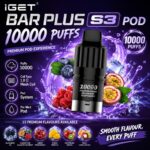 IGET BAR PLUS S3 POD 10000
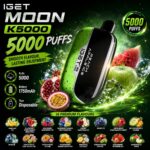 IGET MOON K5000
 GEEK BAR PULSE X 25000