











Why Is My Vape Leaking? The Ultimate Layman’s Guide to a Dry Tank

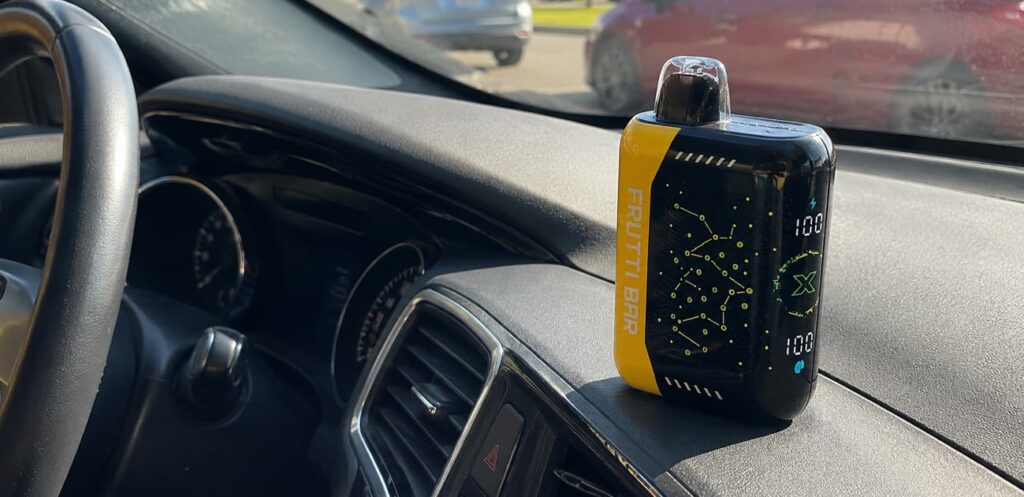
A vape device placed on a hot car dashboard or on an airplane tray table, illustrating environmental triggers for leaks.
Imagine this: you are sitting out on the verandah on a warm Saturday afternoon, enjoying a quiet, sun-drenched moment. You reach into your pocket or bag, looking forward to a smooth, flavourful draw, only to find your fingers coated in a sticky, sweet sheen of e-liquid. It is a real buzzkill. It is messy, it wastes your favourite juice, and it leaves you wondering what on earth went wrong.
If you have ever asked yourself why is my vape leaking, you are far from alone. It is one of the most common hiccups vapers face, whether they are using a sophisticated sub-ohm setup or a sleek, pocket-friendly pod system. Fortunately, diagnosing and fixing a leaky device is incredibly simple once you know how the system operates. Let us walk through how these devices work, why they sometimes weep, and how to keep your hands clean and dry.
1. The Physics of Vaping: How Your Tank Keeps E-Liquid Inside
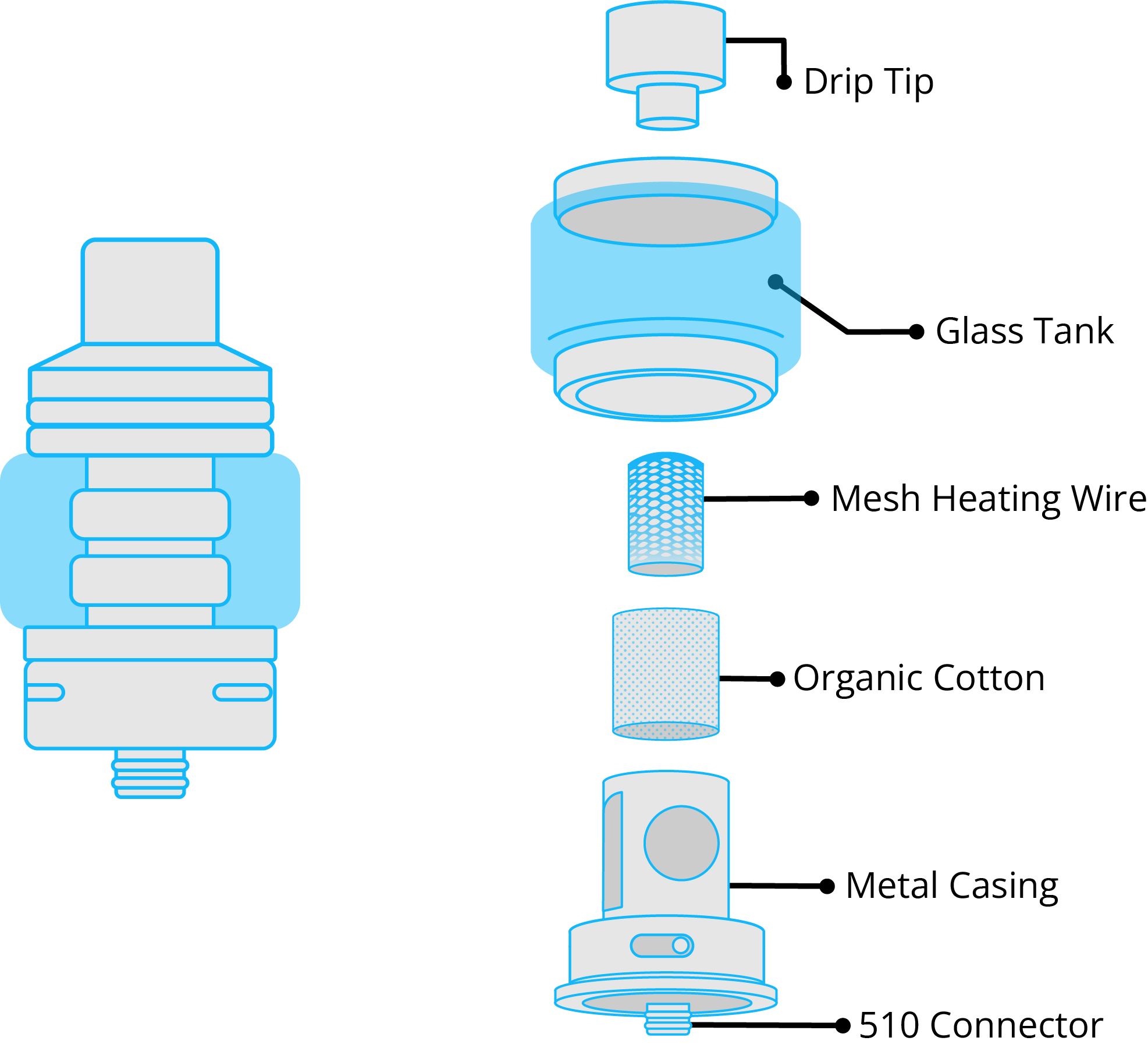
Anatomy diagram of a vape tank, showing the coil, cotton wick, e-liquid reservoir, and airflow in a cutaway view.
To fix a leak, it helps to understand the gentle balance of physics happening inside your device. Think of your vape tank not just as a plastic or glass reservoir, but as a tiny, sealed pressure chamber.
When you assemble your tank and seal the top cap, you create a partial vacuum inside. This vacuum pressure is what actually holds the e-liquid in place. The cotton wick wrapped around your heating coil acts like a small, soft dam. Under normal conditions, the surface tension of the liquid and the vacuum of the tank work in perfect harmony, letting just enough juice saturate the cotton to be vapourised when you fire the device, without letting the rest spill out.
If anything disrupts this vacuum—whether it is a tiny gap in a silicone seal, an environmental change, or the way you draw—the dam breaks. Gravity takes over, and the e-liquid begins to seep out of the easiest exit points, which are almost always the adjustable airflow vents at the base of your atomiser.
2. The Main Culprits: Why Your Vape Is Leaking (For Dummies)
Two distinct bottles of e-liquid, one clearly thicker (high VG) and one thinner (high PG), demonstrating viscosity difference.
Most leaks are not caused by manufacturing errors; they are usually the result of minor, easily correctable user habits. Let us look at the main culprits behind a flooded chamber:
- Overfilling the Tank: It is always tempting to fill your tank right to the absolute brim to squeeze out every last drop of capacity. However, leaving no air pocket at the top prevents the vacuum seal from forming properly when you close the top cap. Always leave a tiny bubble of air to act as a pressure cushion.
- Over-Priming the Coil: When you install a fresh coil, you naturally want to avoid dry hits, so you drop liquid directly onto the exposed cotton. While a little prep is good, over-priming—dripping too much liquid directly into the central chamber—can completely flood the wicking material before you even take your first puff. This excess liquid runs down the middle of the coil and out through the airflow holes.
- Worn or Missing Seals: Your vape relies on tiny, flexible rubber bands called O-rings to maintain its airtight seal. Over time, these small bands can twist, tear, or stretch out of shape during cleaning. Even a microscopic tear in an O-ring is enough to break the vacuum seal and cause a slow, persistent leak.
- Inappropriate Wattage Settings: Your coil is designed to operate within a specific power range. If you run your vape at a wattage that is too low, the coil will fail to completely vapourise the e-liquid pulled into the chamber during a draw. This unvapourised juice pools at the bottom, eventually flooding the system. Conversely, drawing too hard on a tight airflow acts like a straw, physically pulling excess juice into the coil head faster than it can be vapourised.
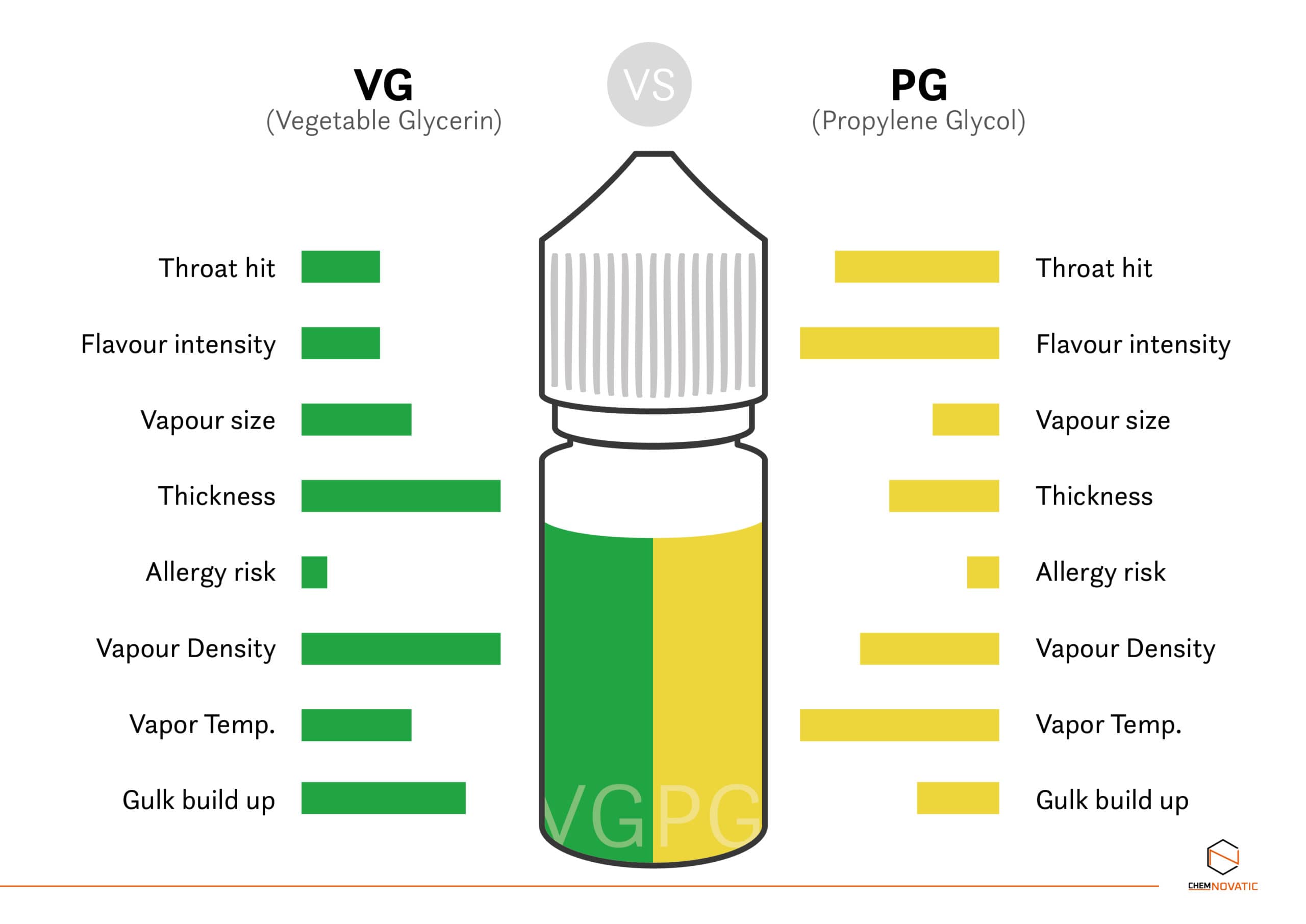
3. Thicker vs Thinner: How Your Choice of E-Liquid Prevents Flooding
Hands performing quick fixes on a leaking vape tank, such as wiping away e-liquid with a tissue or checking seals.
E-liquids are not all created equal; their thickness (viscosity) plays a massive role in whether they stay inside your tank or escape. E-liquid is made of two main bases: Vegetable Glycerine (VG), which is thick, sweet, and smooth, and Propylene Glycol (PG), which is thin and carries flavour and throat hit.
If you are using a large, open sub-ohm tank designed for big clouds, you need a thicker liquid—often a blend with a high VG ratio. A thin, PG-heavy liquid or low-viscosity nicotine salt formulation will simply slip right through the large wicking ports of a sub-ohm coil, flooding the deck and leaking out the bottom.
On the flip side, smaller pod devices often require slightly thinner liquids to feed through their tiny cotton inlets. Matching the right viscosity to your specific coil style is a simple trick that can instantly solve your leaking worries.
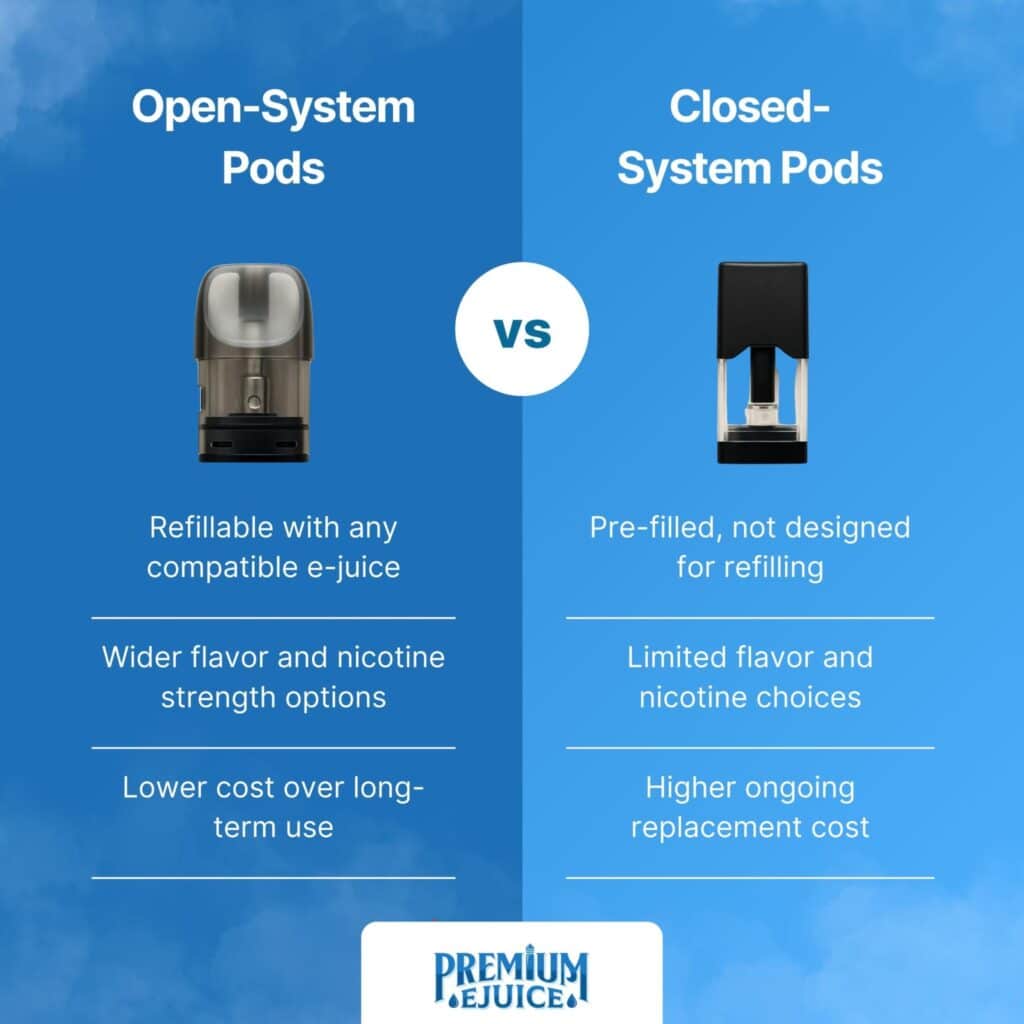
For those who want to avoid the messy business of mixing, filling, and matching coils altogether, pre-filled closed-pod devices or modern disposables like the Iget Moon K5000 offer a remarkably reliable, leak-resistant design. Because the internal chambers are sealed during manufacturing, you rarely have to worry about the viscosity mismatch that plagues open tanks.
4. The Aussie Heat and Travel Factor: Environmental Triggers

A collage of common vape leak culprits: an overfilled tank, a worn O-ring, and a flooded coil.
Sometimes, your vape leaks through no fault of your own. Here in Australia, our unique climate and geography play a huge role in how our vape devices behave.
The Scorching Summer Heat
We all know how hot an Australian summer can get. When you leave your vape sitting in a warm room, outdoors on a sunny afternoon, or—worst of all—inside a parked car, the ambient heat dramatically thins out your e-liquid. It becomes highly runny, losing its viscosity. The cotton wick simply cannot hold back this hot, watery liquid, allowing it to seep straight through the coil head and drip out of the airflow vents.
Changes in Altitude and Pressure
If you are heading off on a domestic flight or even driving up into the mountainous regions of the Great Dividing Range, the atmospheric pressure around you drops. The air trapped inside your vape tank expands, pushing the e-liquid through the wicking ports and out of the seals.
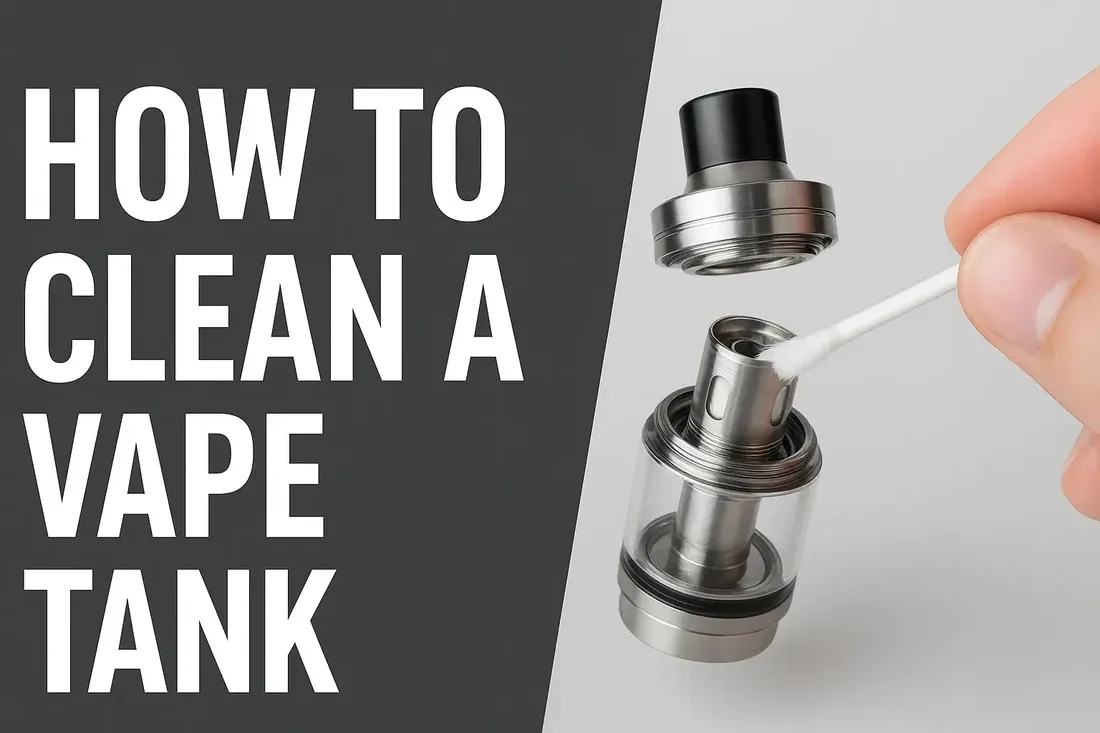
5. Quick Fixes: How to Stop and Clean a Leaking Vape Right Now
A vape device with e-liquid visibly leaking from its base, creating a sticky mess on a surface.
If you are currently dealing with a sticky device, don’t panic. Cleaning it up and resetting your tank is a straightforward process:
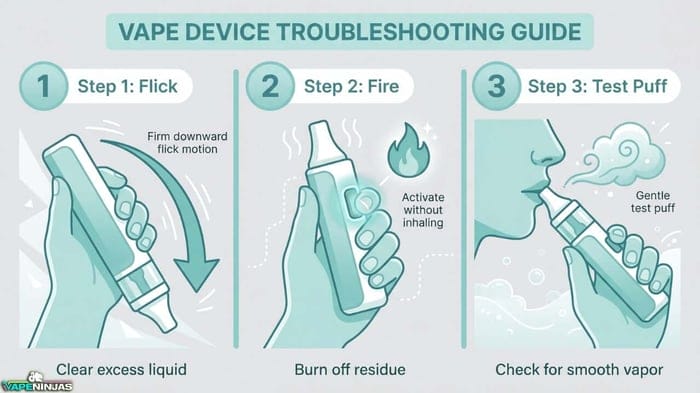
- Clear the Chamber: If your coil is flooded, remove your tank from the battery mod. Wrap a clean piece of tissue paper or paper towel around the bottom airflow vents.
- Blow Gently: Blow gently down through the mouthpiece. This will force any excess, pooled e-liquid out of the chamber and into the tissue.
- Check the Seals: Take the tank apart and inspect the O-rings. If they look warped, dirty, or damaged, replace them with the spare rings that came in your original box.
- Clean the Connections: Use a cotton bud to gently wipe the threaded connection point on top of your battery mod. E-liquid can block the electrical connection, so keeping this dry is vital for safety.
If you find that traditional open tanks are too much of a chore to maintain, switching to a high-capacity pre-filled option like the Iget Bar Plus S3 10000 can offer a breath of fresh air. They give you the convenience of a robust, beautifully sealed system with none of the fiddly O-ring maintenance.
6. Preventative Habits: How to Keep Your Vape Leak-Free for Good
To help you choose the right style of vaping for your lifestyle, let us compare how different setups perform when it comes to maintenance and leak prevention:
| Device Type | Leaking Risk | Primary Cause of Leaks | Maintenance Level | Best Liquid Choice |
|---|---|---|---|---|
| Sub-Ohm Tanks | Medium to High | Damaged O-rings, low-wattage settings, thin e-liquid | High (requires cleaning & seal replacement) | High-VG (thicker) blends |
| Refillable Pods | Low to Medium | Flooding due to overfilling, rapid continuous draws | Medium (requires periodic pod replacement) | 50/50 VG/PG or Nic Salts |
| Sealed/Disposable Devices | Very Low | Condensation build-up, leaving in extreme heat | None (pre-filled and sealed at factory) | Pre-filled (no user action needed) |
Developing a few mindful habits can ensure your vape stays dry and ready for those relaxing moments:
- Store it Upright: Whenever you set your vape down on the coffee table or pop it in a bag, try to keep it standing vertically. When a device lies flat on its side, the e-liquid can find its way past the cotton wicking ports much more easily.
- Close the Airflow When Filling: If your tank has adjustable airflow rings, close them completely before you open the top cap to fill it. This helps maintain the internal pressure when you seal it back up.
- Do Not Over-Inhale: Take gentle, steady draws rather than sharp, aggressive pulls. Gentle draws allow the coil to vapourise the liquid at an even, natural pace.
- Keep it Out of the Heat: Avoid leaving your gear in hot cars or direct sunlight. If you are spending the day outdoors, keep your device in a shaded pocket or a cooler bag.
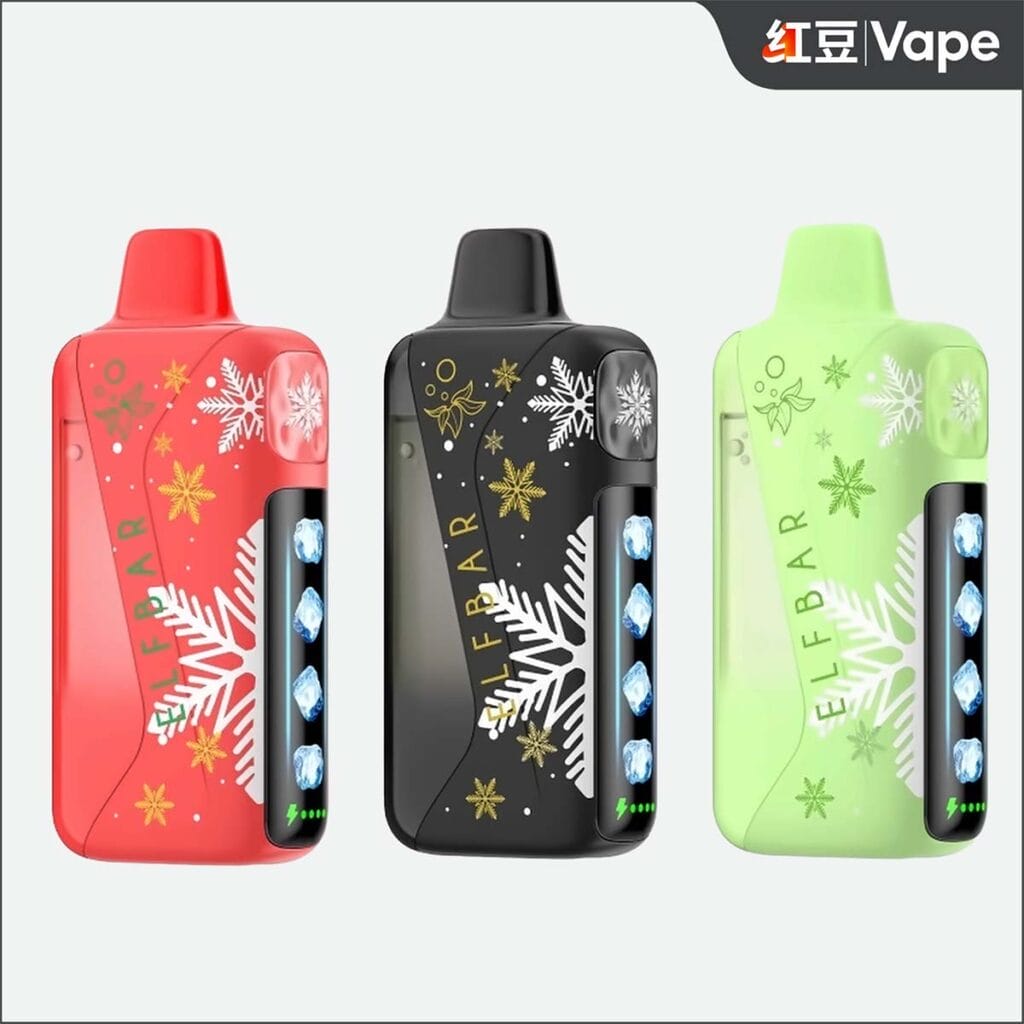
For those looking for a highly reliable and durable companion for daily travel, the Umin Slick Plus 10000 represents the pinnacle of modern, leak-minimising design, combining massive capacity with excellent internal sealing.
If you are tired of dealing with sticky fingers and constant troubleshooting, exploring high-quality, modern, sealed hardware at vapesunset.com can make your vaping journey feel as easy, clean, and relaxed as it was always meant to be.




 UMIN SLICK PLUS 10000
 ALIBARBAR INGOT 9000
 IGET BAR PRO 10000
 IGET ONE 12000
 IGET BAR PLUS S3 10000
 IGET BAR PLUS S3 POD 10000
 IGET MOON K5000
 GEEK BAR PULSE X 25000