











Does a Bigger Battery Make a Disposable Vape Better? Understanding Vape Battery Capacity and Performance
When shopping for an everyday device, it is easy to assume that bigger automatically means better. If you are comparing different models, finding the right vape battery capacity, choosing a dependable disposable vape battery, and securing a genuinely long lasting disposable vape often comes down to understanding how power, coil architecture, and e-liquid volumes interact. While a hefty battery cell keeps your device running between top-ups, raw milliampere-hour (mAh) ratings only tell half the story.
To determine whether an oversized battery actually improves your everyday draw, you need to look at power consistency, portability, heating efficiency, and how well the internal cell pairs with the e-liquid reservoir.
Decoding Vape Battery Capacity: How mAh Impacts Daily Performance
Battery capacity in personal vaporisers is measured in milliampere-hours (mAh). In plain terms, this rating measures the total electrical charge the battery can store and deliver over time. A 500 mAh battery can theoretically supply 500 milliamperes of current for one hour, or 250 milliamperes for two hours, before requiring a recharge.
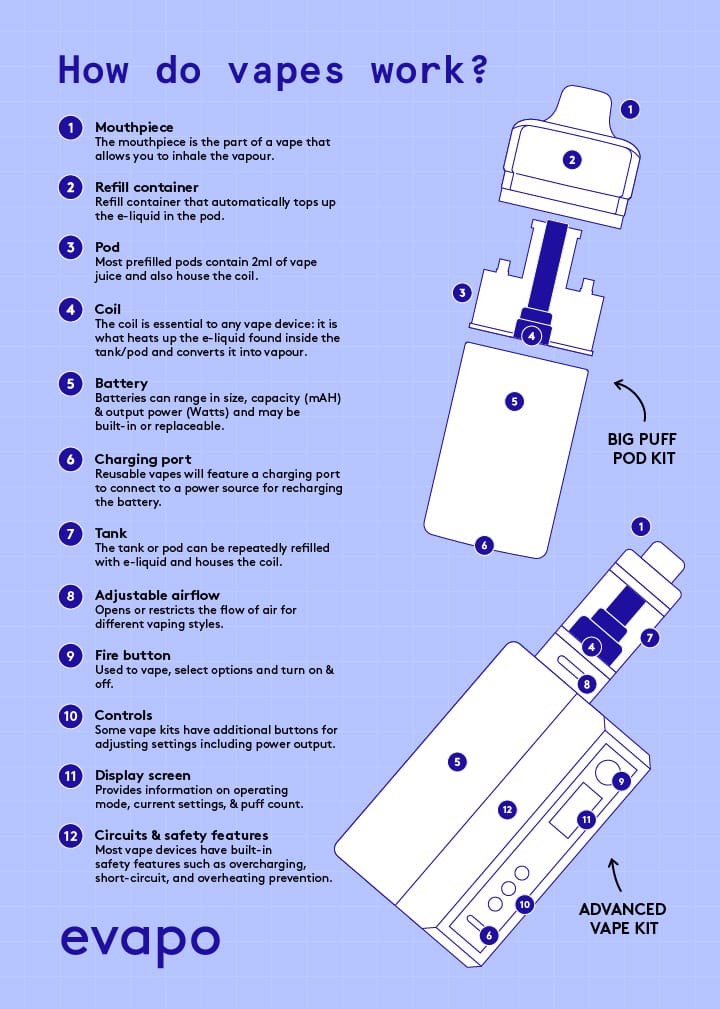
An illustration or photo of a modular vape system, showing a detachable power dock and a separate, replaceable e-liquid pod.
Total Energy (mAh) = Discharge Current (mA) × Run Time (Hours)
In standard disposable devices, battery sizing dictates three fundamental operating factors:
- Operating Duration Between Charges: A higher mAh rating extends the hours or days you can vape without hunting for a USB-C cable.
- Voltage Stability Under Load: Larger cells generally experience less "voltage sag" during extended draws, delivering a stable current to the heating element.
- Power Output Support: Driving modern multi-mesh heating elements requires steady current discharge that smaller micro-cells struggle to sustain without overheating or dropping power rapidly.

A visual comparison of a compact, slim disposable vape next to a larger, bulkier high-capacity disposable vape, highlighting differences in size and form factor for pocketability.
However, a higher capacity rating does not inherently mean superior vapour quality. If an internal power cell is paired with an inefficient heating chamber or poorly blended e-liquid, the extra capacity simply prolongs an underwhelming vape.
Key Benefits of a High-Capacity Disposable Vape Battery
Stepping up to a larger battery format offers several distinct practical advantages, particularly for regular vapers who value reliability on the go.
- Higher Capacity Battery
- Extended time between charges
- Stable voltage output (consistent flavour profile)
- Reliable power for advanced multi-mesh coils
1. Consistent Power Delivery and Reduced Voltage Sag
As smaller batteries discharge, their output voltage naturally drops. On basic devices, this causes vapour production to taper off, resulting in weak hits and muted flavour as the charge drops below 30%. High-capacity cells sustain their nominal voltage for longer across their discharge cycle, ensuring your first puff of the morning tastes identical to your evening draw.
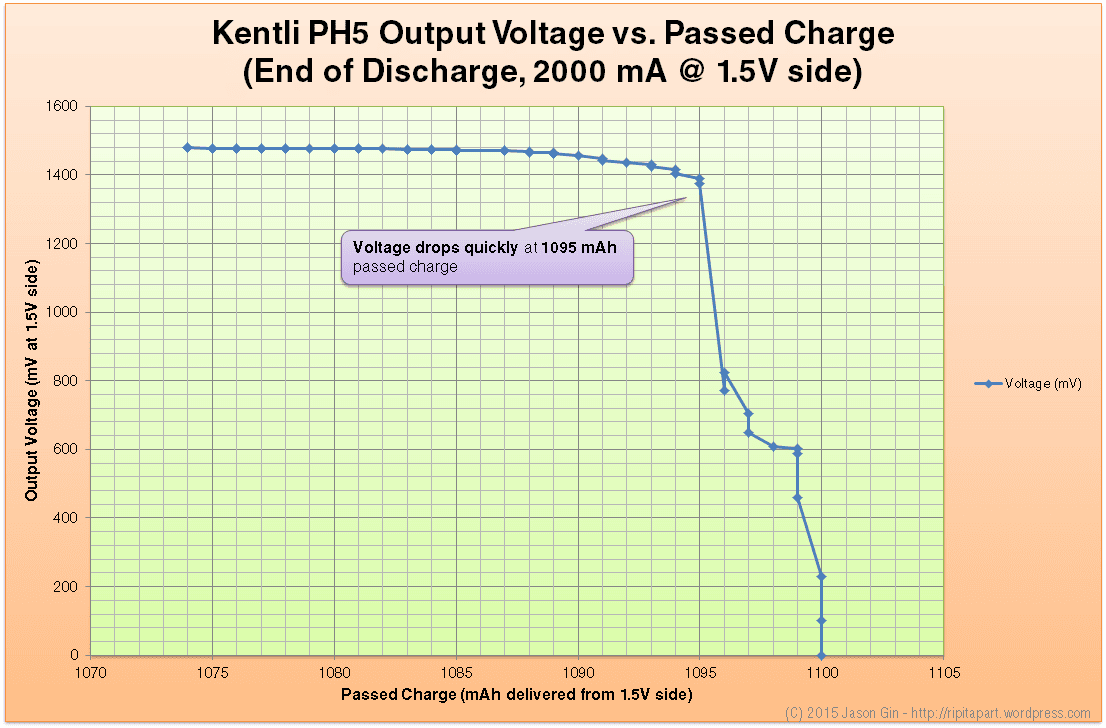
A comparative graph illustrating voltage output over time for a small vape battery versus a high-capacity one, showing voltage sag in the former and stable output in the latter.
2. Reduced Recharging Intervals
For busy individuals, having to recharge a vape twice a day quickly becomes a nuisance. A more substantial power cell gives you the freedom to head out for the weekend or tackle a long workday without packing charging cables or portable power banks.
3. Ability to Drive Advanced Mesh Coils
Modern disposable engineering has moved away from simple round-wire coils in favour of sophisticated dual and quad-mesh heating systems. These elements provide broader surface contact with the wick, creating richer, fuller flavour. Driving these low-resistance coils requires robust discharge capabilities that only higher-capacity lithium-ion cells can reliably deliver without straining internal components.
If you are exploring robust setups that balance longevity and rich flavour profiles, options like the Alibarbar Ingot 9000 Ribena demonstrate how high-grade battery management enhances full-bodied fruity notes from the first draw to the last.
The Downsides: Bulk, Ergonomics, and Diminishing Returns
While extended runtime is appealing, packing a substantial cell into a handheld unit introduces clear trade-offs that might not suit every vaper's daily routine.
Pocket Weight and Form Factor
The most immediate drawback of a large battery is physical dimensions. As capacity climbs, so does weight and girth. What was once an ultra-discreet, pocket-friendly pen can quickly morph into a boxy unit that weighs down your pockets. If pocketability and stealth are your primary concerns, an oversized unit may feel cumbersome during daily commutes.
- Small Cell (Pocket-Friendly) — ◄ — ► — Large Cell (Heavy / Boxy)
- Low mAh / Slim — High mAh / Bulky
The E-Liquid and Coil Mismatch Problem
A disposable vape functions as an integrated ecosystem comprising three pillars: the battery, the coil, and the e-liquid reservoir. When these elements fall out of balance, problems arise:
- The Battery Outlasts the Juice: Carrying around a heavy battery cell is pointless if the tank runs dry halfway through the week, leaving you with useless battery life.
- The Coil Degrades Early: Even if both the battery and e-liquid reserve are massive, organic cotton wicks can degrade after repeated heating cycles, leading to burnt undertones long before the power source gives out.
What Truly Creates a Long Lasting Disposable Vape?
Achieving a stellar vape is about engineering balance rather than simply cramming in the largest possible cell. Premium brands like Umin focus on optimising the relationship between internal components rather than relying on battery size alone.
- Balanced Output
- Optimised mAh — Low-Resistance — Regulated
- Cell Capacity — Mesh Coil — Chipset
1. Smart Regulated Chipsets
Advanced devices now feature integrated micro-controllers that manage power delivery. Instead of raw bypass discharge (where power drops as the battery empties), regulated chipsets maintain a consistent wattage output regardless of remaining battery percentage. This ensures steady vapour production while preserving battery life.
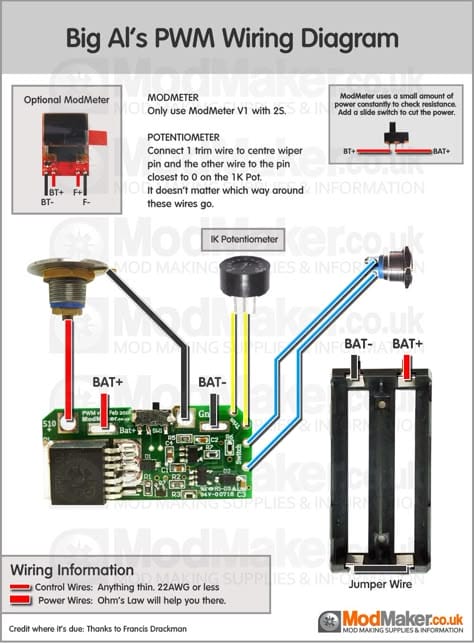
A close-up image or diagram of a smart regulated chipset or microcontroller board found inside an advanced vape device.
2. Efficient Airflow and Thermal Management
Airflow design directly impacts how much electrical energy is required to produce satisfying vapour. Precision-engineered air channels cool the coil efficiently, preventing scorching and ensuring every milliampere of energy translates directly into smooth vapour delivery. If you are mindful of ingredient purity and hardware safety standards, reading up on What Is The Healthiest Vape provides useful insight into how thermal regulation prevents e-liquid overheating.
3. Flavour Preservation Technology
A high-capacity battery is only enjoyable if your liquid retains its integrity. Premium coil designs prevent premature caramelisation on the heating element, ensuring complex flavour profiles—such as the rich blend found in the Alibarbar Ingot 9000 Black Forest—remain crisp and distinct across thousands of draws.
Battery Sizing Comparison: Finding Your Sweet Spot
To understand how battery specifications align with different user requirements, consider how different form factors stack up:
| Device Category | Typical Battery Capacity (mAh) | Recharging Frequency | Portability & Form Factor | Ideal User Profile |
|---|---|---|---|---|
| Ultra-Compact Slim Pens | 350 mAh – 500 mAh | Daily to twice daily | Extremely light, pen-style, highly discreet | Occasional vapers, night-out convenience, stealth use |
| Balanced Mid-Size Disposables | 600 mAh – 850 mAh | Every 1 to 2 days | Pocket-friendly palm format, moderate weight | Everyday all-day vapers wanting balance |
| High-Capacity Power Units | 1,000 mAh+ or Modular Docks | Every 3 to 5+ days | Boxy, heavier in hand, mod-style footprint | Heavy users, road trips, extended outdoor use |
Modular Systems and the Environmental Angle
As battery sizes have grown, manufacturers have faced valid criticism regarding electronic waste. Discarding high-capacity lithium-ion cells after a single liquid reservoir is depleted places unnecessary strain on waste management streams.
- Traditional Disposable: — Battery + Tank — ► Discard Entire Unit
- Modular Concept: — Battery Dock — ► Retain & Recharge
- Liquid Pod — ► Replace Only Tank
To address this, the industry has seen an emergence of modular architectures:
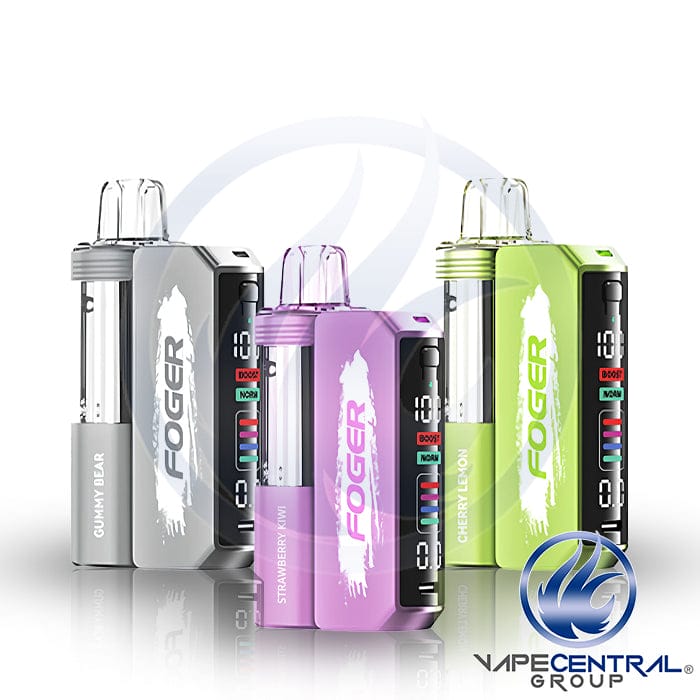
A close-up internal view of a modern disposable vape showing its multi-mesh heating element or coil structure.
- Detachable Power Docks: The primary battery unit is retained as a permanent rechargeable base, whilst pre-filled e-liquid pods click into place.
- Separable Recycling Designs: Units engineered for straightforward disassembly, enabling users to safely drop lithium components into designated Australian battery recycling collection points rather than household rubbish bins.
These advancements give vapers the extended battery endurance they crave while actively curbing unnecessary battery disposal.
Practical Tips to Protect and Maximise Battery Performance
Regardless of your device's capacity, following basic battery care habits ensures consistent vapour delivery and prevents premature failure:
- Battery Care Best Practices
- Use standard 5V/1A charging adapters (avoid ultra-fast wall chargers)
- Avoid leaving devices in hot car interiors during Aussie summers
- Disconnect when fully charged to protect cell integrity
- Store away from direct sunlight and extreme cold
- Avoid High-Wattage Fast Chargers: While USB-C ports make charging straightforward, plugging a compact vape into a high-wattage laptop brick can generate excess heat, degrading internal lithium cells. Stick to standard 5V/1A power supplies.
- Keep Out of the Aussie Heat: Leaving your device on a car dashboard under the harsh Australian sun damages battery chemistry and thins the e-liquid, leading to leaks and poor vapour delivery.
- Do Not Vape Whilst Charging: Passthrough vaping during active charging cycles causes rapid heat buildup, putting unnecessary stress on both the battery and the control board.
Final Verdict: Does a Bigger Battery Make a Disposable Vape Better?
A bigger battery makes a disposable vape better only if you prioritise extended intervals between charges and steady power delivery over featherweight portability.
If your daily routine demands a compact, discreet device that slips unnoticed into a pocket, a balanced mid-capacity rechargeable unit is often the superior choice. However, if you are looking for rich vapour production, zero mid-day charging anxiety, and a device capable of powering high-efficiency mesh coils from start to finish, investing in a high-capacity, well-regulated battery setup will noticeably improve your vaping experience.



 UMIN SLICK PLUS 10000
 ALIBARBAR INGOT 9000
 IGET BAR PRO 10000
 IGET ONE 12000
 IGET BAR PLUS S3 10000
 IGET BAR PLUS S3 POD 10000
 IGET MOON K5000
 GEEK BAR PULSE X 25000