











What Are the 5 Risks of Vaping? A Mindful Look at Wellness and E-Cigarettes

Microscopic view or abstract illustration showing heavy metal particles like nickel, tin, and lead within e-cigarette aerosol.
Picture a quiet late afternoon on the veranda, watching the golden hour paint the sky in warm shades of amber and violet. There is a gentle breeze, and for many, this peaceful pocket of the day is accompanied by a sleek, palm-sized device. A soft draw, a quiet click, and a sweet-scented cloud of vapour drifts into the cool air, smelling faintly of fresh strawberries or cool mint.
In recent years, e-cigarettes have seamlessly woven themselves into the fabric of our modern lifestyle. They are often perceived as a clean, high-tech, and tobacco-free alternative to traditional smoking—a way to savour a sensory ritual without the ash, smoke, and lingering odour.
However, as the mist settles, many of us are pausing to ask deeper questions about our health and well-being. What are we actually putting into our bodies when we take a draw? While vaping feels light, effortless, and atmospheric, it carries a unique set of physiological realities. To help you navigate your wellness journey with clarity, we explore the five primary risks associated with vaping and how they affect your body’s natural harmony.
1. The Subtle Pull of Nicotine Dependency
There is an undeniable allure to the tactile design of modern e-cigarettes. Devices are crafted to feel satisfyingly heavy yet smooth in the hand, offering a seamless ritual that easily slips into your daily routine. However, beneath the beautiful matte finishes and delicious flavour profiles lies a powerful stimulant: nicotine.

An image showing a person holding both a traditional cigarette and an e-cigarette, symbolizing dual use of smoking and vaping.
Even when choosing modern, high-capacity options like the Umin Slick Plus 10000 range, which prioritises smooth draw technology and consistent performance, it is easy to lose track of how much nicotine you are actually absorbing. Because e-cigarettes do not burn down like a traditional cigarette, there is no natural ending point to a session. You can easily take continuous draws whilst working at your desk, driving, or relaxing on the lounge.
Nicotine works by mimicking natural neurotransmitters in the brain, triggering a temporary release of dopamine that feels like a wave of calm or a sharp burst of focus. But this feeling is fleeting. As the levels drop, the body naturally craves that same sensation to regain balance. Over time, this creates a subtle, persistent cycle of dependency.
For many, the risk isn't just chemical; it is the way it alters your lifestyle. The constant pocket-checking, the mild irritability when you cannot take a puff, and the reliance on a device to manage your emotions can slowly chip away at your sense of personal freedom.
2. Airway Irritation and Changes in Lung Vitality
Our lungs are incredibly delicate organs, designed exclusively to inhale fresh, clean air. They rely on millions of tiny air sacs (alveoli) and microscopic, hair-like structures (cilia) to sweep away dust, debris, and impurities, keeping our airways clear and healthy.
When you vape, the e-liquid—typically a mixture of propylene glycol, vegetable glycerin, and flavouring agents—is heated by a metal coil until it vaporises. Inhaling this warm, dense aerosol directly impacts the sensitive lining of your respiratory tract. Over time, this can lead to several noticeable changes in your lung health:
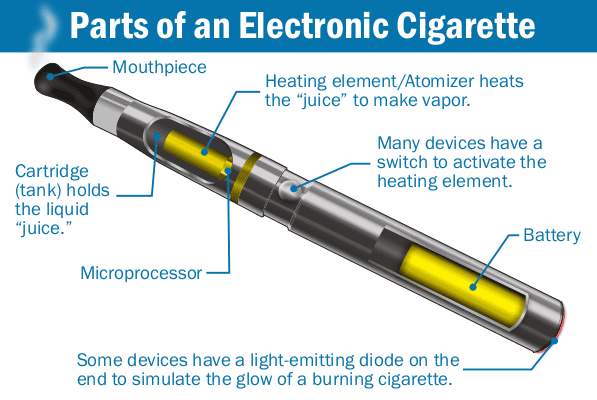
Close-up of a hand holding a sleek, modern e-cigarette device, highlighting its ergonomic design and matte finish.
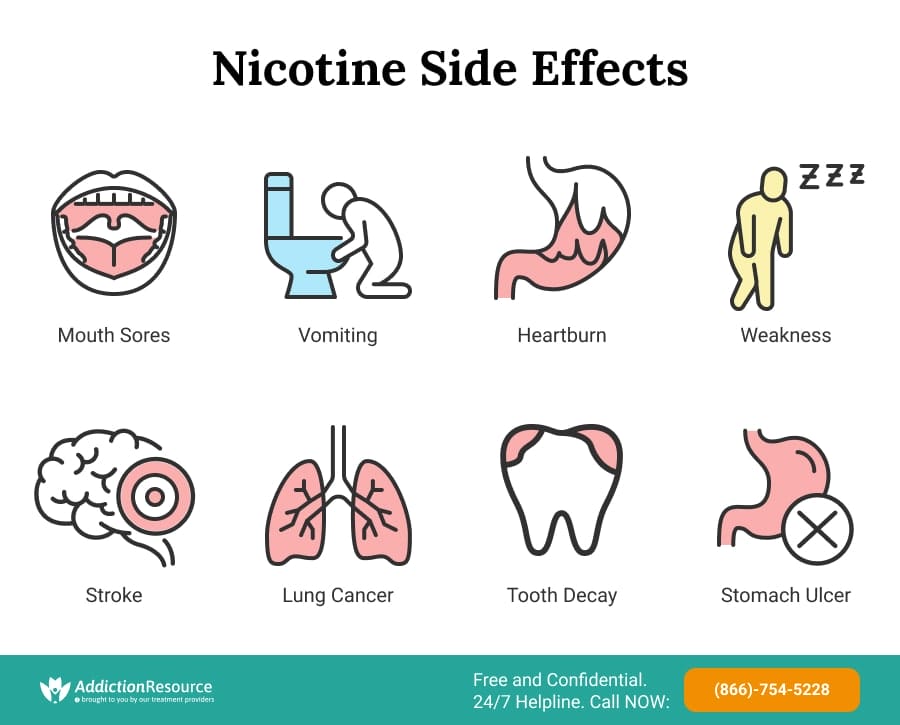
- Dryness and Irritation: Propylene glycol is a humectant, meaning it naturally absorbs moisture. This can leave you with a chronically dry throat, a tickly cough, or a raspy voice after a long evening of socialising.
- Inflammation: The inhaled vapour can trigger a mild, localized inflammatory response in the airways. You might notice a slight heaviness in your chest or find yourself catching your breath a little quicker during your morning jog or when climbing a flight of stairs.
- The Threat of Acute Lung Issues: Whilst less common, unregulated or modified e-liquids—particularly those sourced from informal markets—have been linked to more severe, acute inflammatory lung conditions. Keeping your respiratory system pure and unburdened is essential for maintaining your natural stamina and long-term vitality.
3. Cardiovascular Acceleration and Heart Rate Shifts
The aesthetic of holding an elegant, ergonomic choice like the Iget Moon K5000 device is one of quiet relaxation. Yet, inside the body, the physiological response to inhaled nicotine is anything but calm.
Within moments of inhaling, nicotine enters your bloodstream and prompts your adrenal glands to release epinephrine (adrenaline). This is the hormone responsible for your body's natural "fight or flight" response. Even though you are simply sitting on the couch or enjoying a chat with friends, your body prepares for physical exertion:
An illustration depicting nicotine entering the bloodstream and stimulating adrenal glands, leading to a fight or flight response with an increased heart rate.
- Elevated Heart Rate: Your resting heart rate increases, causing your heart to beat faster than it naturally needs to.
- Blood Pressure Spikes: Your blood vessels constrict, forcing your heart to work harder to pump blood throughout your body.
- Arterial Stiffness: Over time, consistent exposure to these stimulants can affect the natural elasticity of your blood vessels.
This constant, low-level cardiovascular strain can disrupt your body's natural state of rest. Many vapers report feeling a subtle flutter in their chest or an unexplained sense of physical anxiety, which is often simply the heart responding to a sudden influx of adrenaline.
4. The Impact on Mood, Focus, and Cognitive Balance
Our brains continue to develop and refine their neural pathways well into our mid-twenties. This period of cognitive growth is highly sensitive, relying on a delicate chemical balance to build healthy habits, manage stress, and maintain emotional stability.
Regularly introducing a highly addictive substance like nicotine into this developing landscape can alter the way neural connections are formed. This risk is particularly significant for younger users, but it affects adult cognitive health as well:
- The Paradox of Stress Relief: Many people reach for a vape to calm their nerves during a busy day. However, because nicotine levels drop quickly between uses, the resulting micro-withdrawals actually create feelings of tension, impatience, and brain fog. Taking a puff temporarily relieves these symptoms, leading to the false impression that the vape is reducing your overall life stress.
- Disrupted Sleep Patterns: Nicotine is a powerful stimulant. Vaping late in the evening or keeping a device on your bedside table can interfere with your sleep cycle, preventing you from reaching the deep, restorative stages of REM sleep. You may find yourself waking up feeling unrefreshed, even after a full eight hours.
- Attention and Focus: Over time, relying on external chemical spikes to feel alert can reduce your brain's natural ability to sustain focus on quiet, everyday tasks.
5. Inhaling Unseen Chemical Cocktails and Metals
One of the most persistent myths surrounding e-cigarettes is that they produce "harmless water vapour." In reality, the cloud you exhale is a complex aerosol.
To create the rich, satisfying clouds that define the modern vaping experience, e-liquids require a variety of chemical flavourings. While these flavouring compounds are often rated as safe for ingestion (meaning they are safe to eat in food), they were never designed to be heated to extreme temperatures and inhaled deep into the delicate tissues of the lungs.
When these ingredients are heated, they undergo chemical transformations. Even in state-of-the-art setups such as the Geek Bar Pulse X 25000 series, which uses advanced dual-mesh coils to distribute heat evenly and prevent dry hits, the physics of vapour generation remain the same. The rapid heating process can release trace elements from the heating elements themselves, alongside volatile compounds.
Researchers analysing these aerosols have detected trace amounts of heavy metals—such as nickel, tin, and lead—shedding from the internal components of low-quality or degraded heating coils. By choosing to vape, you are introducing a range of unidentified chemical by-products into your body, making the purity of what you breathe a continuous subject of discussion for public health advocates and medical professionals alike.
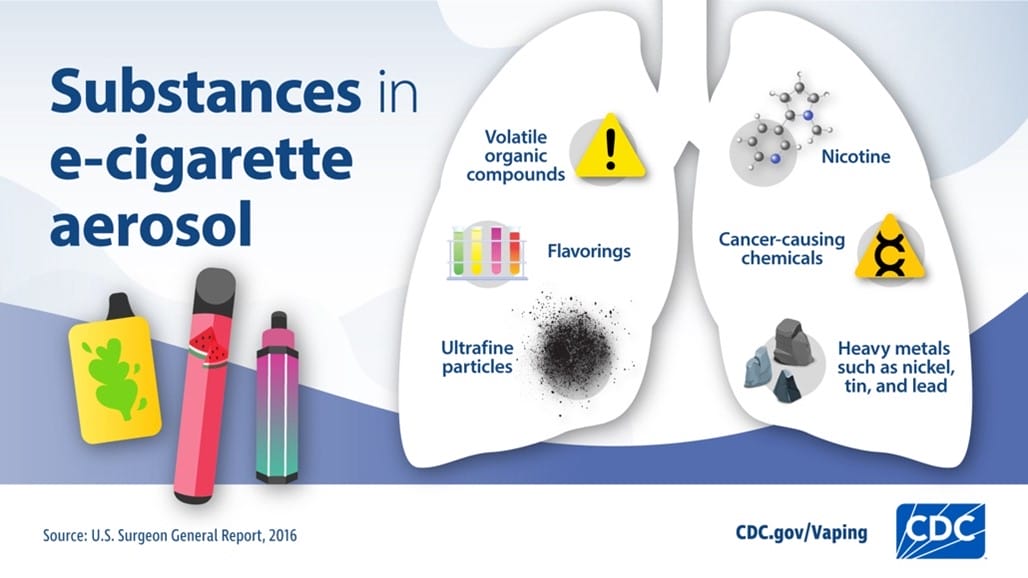
A diagram illustrating the heating process of e-liquid to produce vapor, showing its components like propylene glycol, vegetable glycerin, and flavorings.
Side Effects: Is Vaping Really Safer Than Smoking?
When discussing the risks of vaping, the conversation almost always turns to a comparison with traditional smoking. It is true that e-cigarettes do not involve the combustion of tobacco leaves, meaning they do not produce the thick tar or carbon monoxide associated with traditional cigarettes. Because of this, many people view vaping as a "safer" alternative.
However, "safer" does not mean "safe." Vaping introduces its own unique set of physiological challenges that are completely absent when breathing clean, fresh air.
Furthermore, many individuals who turn to vaping as a way to transition away from traditional cigarettes find themselves becoming "dual users." They might vape at their desk during the day and smoke traditional cigarettes when socialising at the pub on the weekend. This dual use compounds the cardiovascular and respiratory risks, making it much harder for the body to recover its natural vitality.
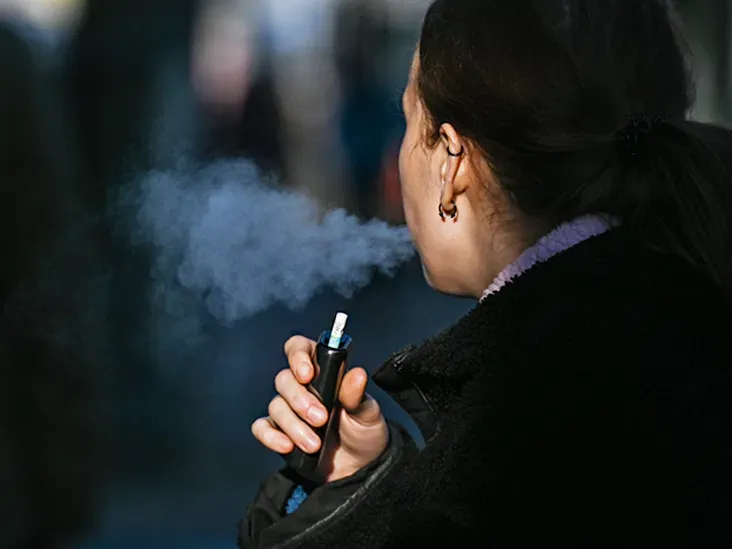
An illustration showing various health risks associated with vaping, such as affected lungs, heart, and brain, with a person contemplating an e-cigarette.
If you are looking to cultivate a lifestyle focused on pure well-being, longevity, and physical ease, it is worth looking closely at how vaping fits into that picture.
Embracing a Mindful Approach to Your Health
Living a balanced, conscious lifestyle is all about being aware of what we put into our bodies and understanding how our daily rituals affect our long-term health. While the atmospheric clouds, delicious flavours, and sleek designs of modern vapes offer a temporary escape or a moment of sensory pleasure, being fully informed about the potential risks allows you to make decisions that truly support your wellness.
Whether you are looking to cut back, refine your habits, or simply build a more mindful relationship with your body, taking a gentle step back to evaluate the role of e-cigarettes in your life can be an incredibly rewarding part of your health journey. After all, the ultimate luxury is a body that feels vibrant, relaxed, and completely at ease in its own natural state.


 UMIN SLICK PLUS 10000
 ALIBARBAR INGOT 9000
 IGET BAR PRO 10000
 IGET ONE 12000
 IGET BAR PLUS S3 10000
 IGET BAR PLUS S3 POD 10000
 IGET MOON K5000
 GEEK BAR PULSE X 25000