











Is One Vape Really Equal to 20 Cigarettes? The Truth About Nicotine Equivalence
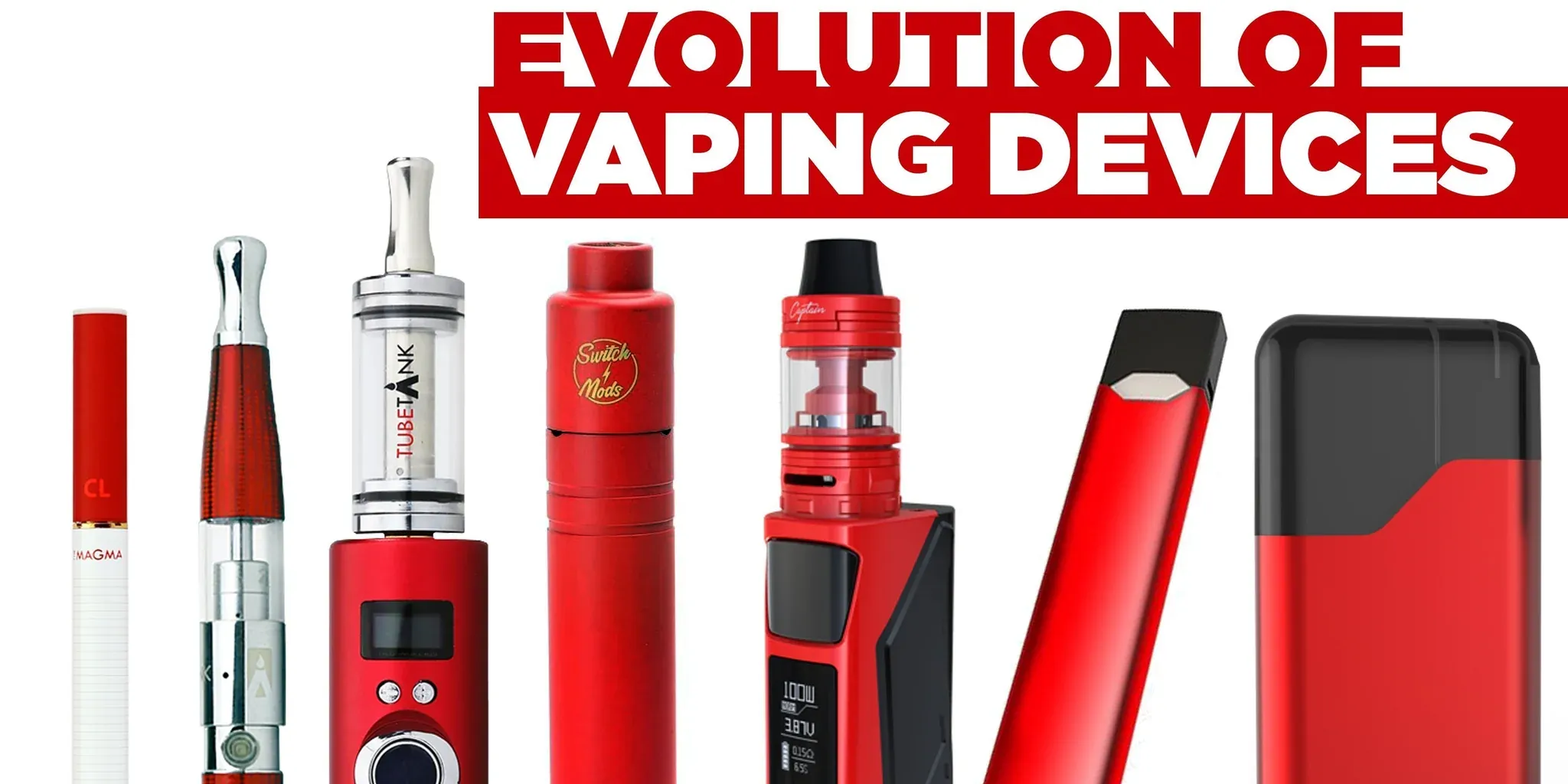
A visual timeline or comparison displaying the technological evolution of vape devices, from early small, low-powered vape pens to modern, larger high-capacity models.
Picture this: a crisp Saturday morning on the veranda, a freshly brewed flat white in hand, and a quiet moment to yourself. For many Australians, these peaceful daily rituals have undergone a quiet evolution over the last few years. The familiar smell of combustible tobacco has increasingly been replaced by the subtle, sweet-scented clouds of e-cigarettes.
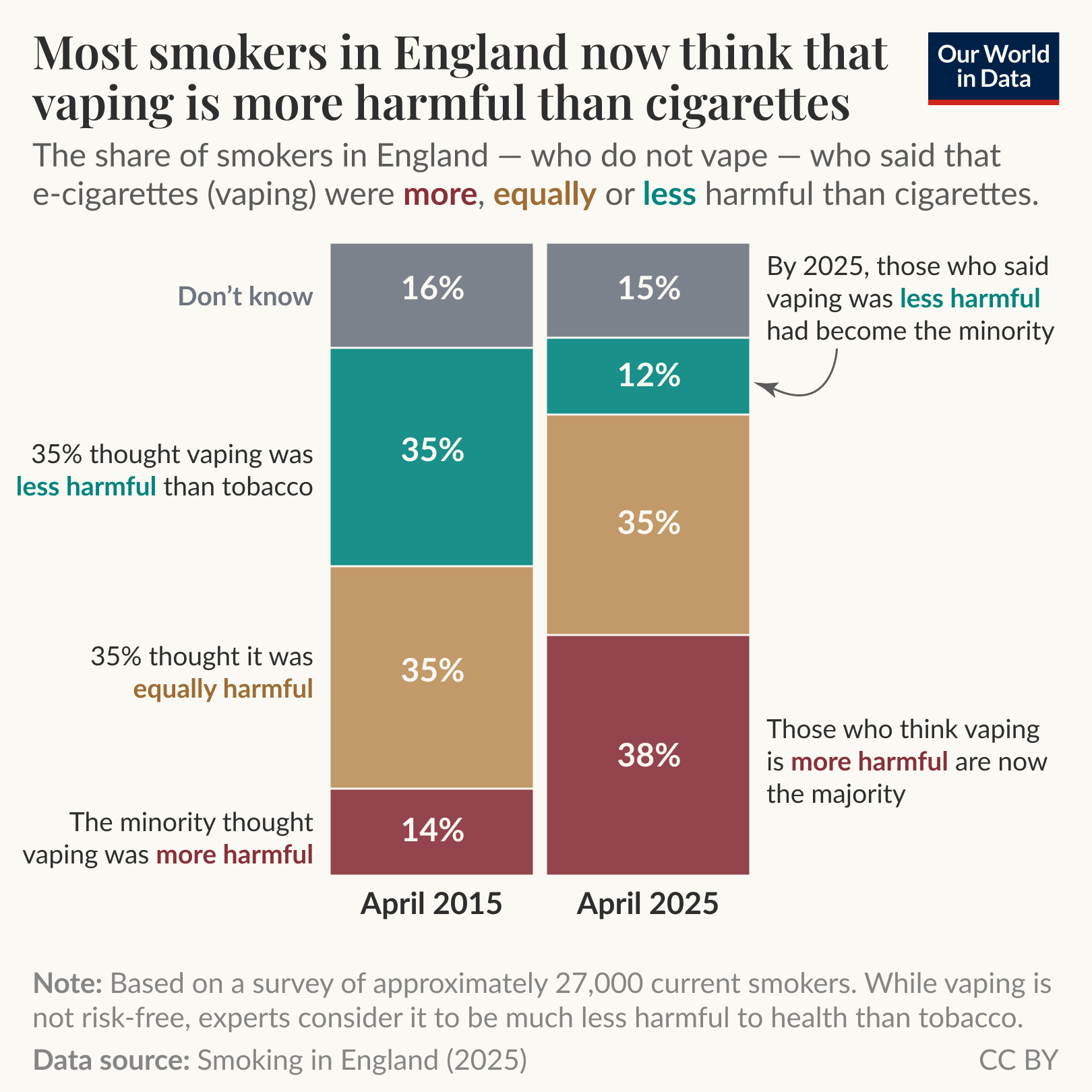
But as vaping has moved from a niche subculture into mainstream daily life, it has brought a wave of questions. If you have ever sat back and wondered how your vaping habit actually stacks up against your old smoking routine, you are certainly not alone. The most common question echoing through backyards and social circles alike is simple: Is one vape equal to a packet of 20 cigarettes?
To find a straight answer, you might think a quick internet search would do the trick. However, many everyday Aussies quickly discover that reliable public health data is surprisingly hard to come by. Key academic portals are frequently locked behind security verification walls, and local health resources are often tucked away behind social media login screens.
To clear up the confusion, we have broken down the calculations, the science of absorption, and how modern hardware changes the equation entirely.
Decoding the Math: Raw Nicotine Content vs. Traditional Smokes
To understand where the "one vape equals 20 cigarettes" comparison comes from, we have to look at the baseline math that regulators and manufacturers often use.
In many highly regulated overseas markets, a standard disposable e-cigarette is limited to a liquid capacity of 2 mL and a maximum nicotine concentration of 2% (which translates to 20 mg/mL). If you do the quick multiplication, that means a single standard device contains a total of 40 mg of nicotine.
On the other side of the ledger, a traditional tobacco cigarette is often estimated to contain anywhere from 8 mg to 12 mg of nicotine within its tobacco leaves. If you simply multiply those figures by a standard packet of 20, you would get a massive total of 160 mg to 240 mg of nicotine per packet.
This is where the direct mathematical comparison starts to get muddy. If a packet of cigarettes contains up to 240 mg of raw nicotine, why do so many sources claim that a 40 mg vape is its equal?
The answer lies in how much of that nicotine is actually available to the user. When a cigarette is lit, the vast majority of its nicotine is lost to the air through combustion (burning). Only a small fraction is actually inhaled. Because vaping relies on vaporisation rather than burning, it is a highly efficient delivery system. This efficiency is why a much smaller total amount of liquid nicotine in a vape can feel like it delivers a similar level of satisfaction to a much larger physical packet of traditional cigarettes.
An image depicting a vape product on display within an Australian pharmacy, possibly with a pharmacist in the background or advising a customer on regulated vape use.
Puff Counts vs. Drags: The Physical Comparison
For most people transitioning away from smoking, the math that matters most is not the milligram count on the back of a label—it is the physical sensation of the ritual. How many draws does it take to mimic the experience of finishing a cigarette?
While everyone inhales differently, a common rule of thumb in the community is that a traditional combustible cigarette yields about 10 to 15 puffs before it burns down to the filter. Based on this estimate, smoking a full packet of 20 cigarettes would equate to roughly 200 to 300 individual draws.
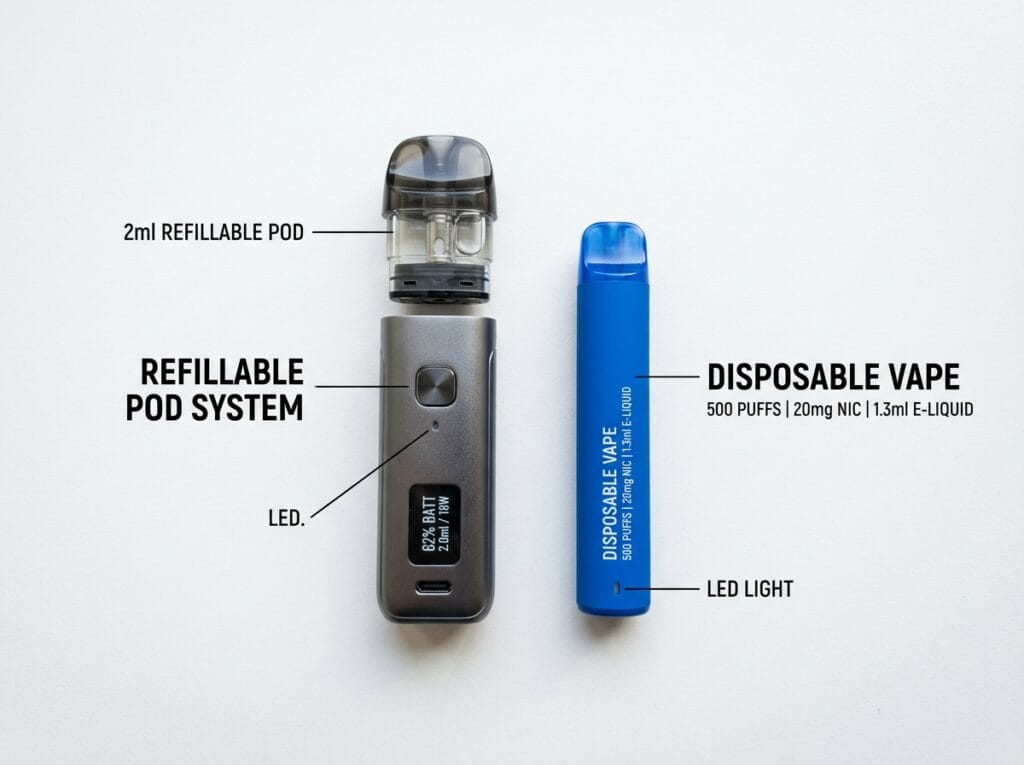
When you compare this to the lifetime of a standard, entry-level disposable vape (which is typically rated for around 600 puffs), the physical usage math shifts. Theoretically, a basic 600-puff device could provide the same number of draws as 40 to 60 cigarettes—the equivalent of two to three full packets.
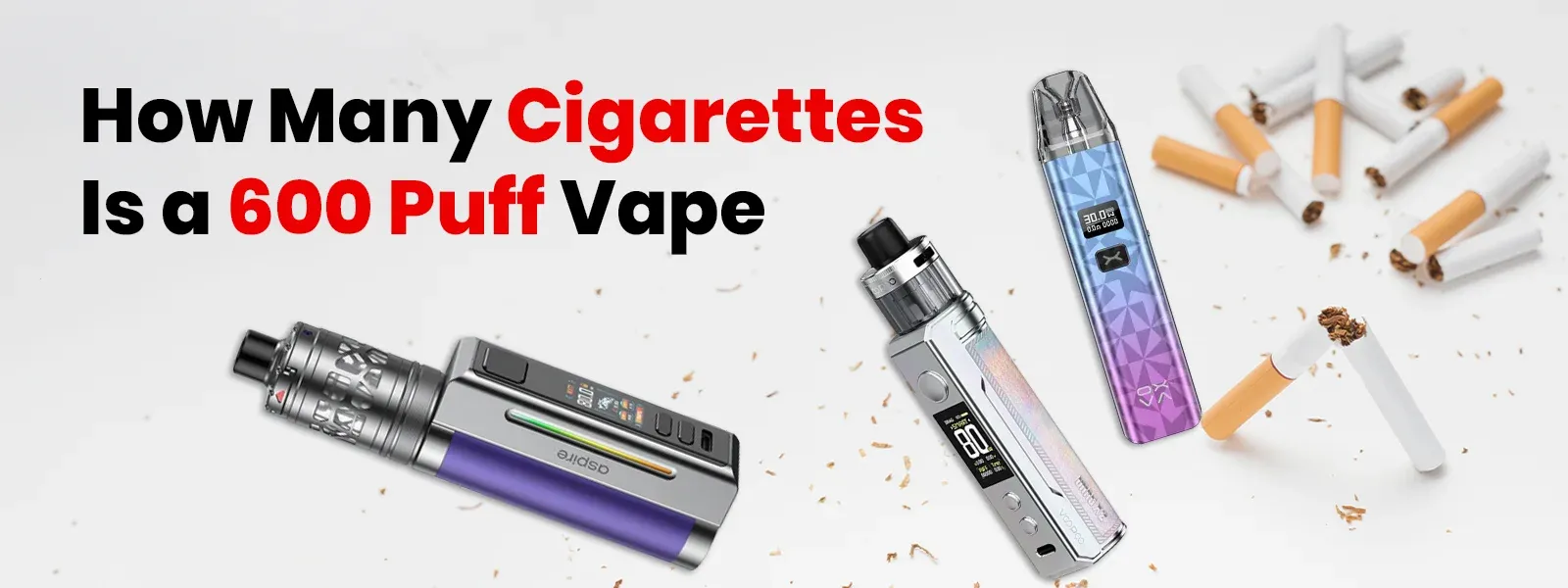
An image showing a standard disposable vape device rated for 600 puffs, visually compared to 2-3 packs of traditional cigarettes to illustrate equivalent usage.
To help visualise how these different formats compare across various devices, let us look at how standard estimates stack up.
Estimating the Equivalence: Vapes vs. Cigarettes
| Device or Product Type | Typical Liquid Volume | Estimated Puffs | Theoretical Packet Equivalence |
|---|---|---|---|
| Traditional Combustible Cigarette | N/A (Tobacco leaf) | 10 to 15 puffs | 1 single cigarette |
| Traditional Packet of 20s | N/A (Tobacco leaf) | 200 to 300 puffs | 1 full packet |
| Standard Entry-Level Vape | 2 mL | ~600 puffs | ~1 to 2 packets |
| Mid-Capacity Lifestyle Vape | 10 mL to 15 mL | ~9,000 to 12,000 puffs | Multiple packets (extended use) |
| High-Capacity Advanced Vape | 20 mL+ | ~20,000+ puffs | Weeks of casual, relaxed use |
Note: These comparisons are theoretical estimates based on average inhalation styles. Individual usage, draw length, and device settings will significantly alter how long a device lasts.
When One Vape Equals Multiple Packets: The Rise of High-Capacity Devices
The landscape of vaping has changed dramatically from the days of small, low-powered pens that barely lasted an afternoon. Today’s hardware is designed to offer a seamless, long-lasting experience that fits effortlessly into a busy lifestyle without the constant need for replacements.
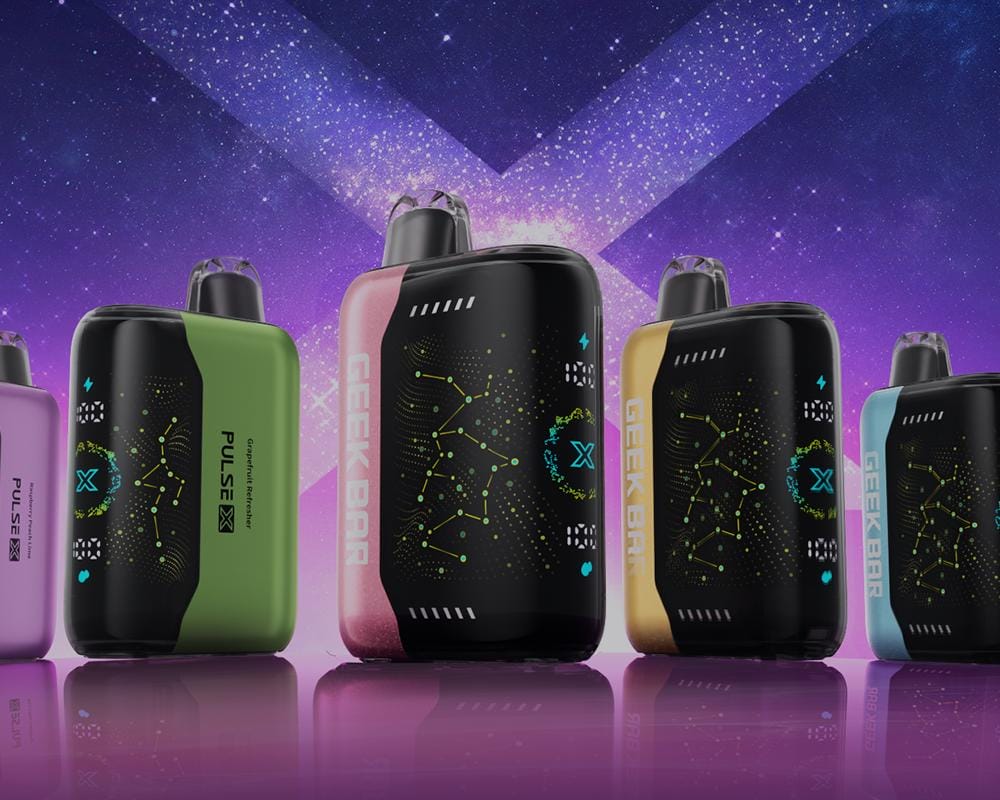
An image showcasing various modern, sleek, and high-capacity vape devices such as the Umin Slick Plus 10000 and Geek Bar Pulse X 25000, emphasizing their design and portability.
Because of this evolution, comparing "one vape" to "20 cigarettes" has become somewhat outdated. Many modern devices feature larger reservoirs and rechargeable batteries designed to last for weeks rather than days.
If you appreciate a device that is always ready when you are, finding a balance often leads users to explore reliable options. If you are looking for longevity in your transition, high-capacity choices like the iget one 12000 vapes australia can offer an extended, worry-free alternative to daily corner store trips.
Others prefer a more streamlined, pocket-friendly companion that still packs plenty of mileage. Sleek and intuitive designs such as the Umin Slick Plus 10000 have become incredibly popular for their balance of portability and capacity. Meanwhile, for those who want absolute control over their experience, highly advanced devices like the Geek Bar Pulse X 25000 display puff counts and custom modes, making it easier than ever to track your daily usage.
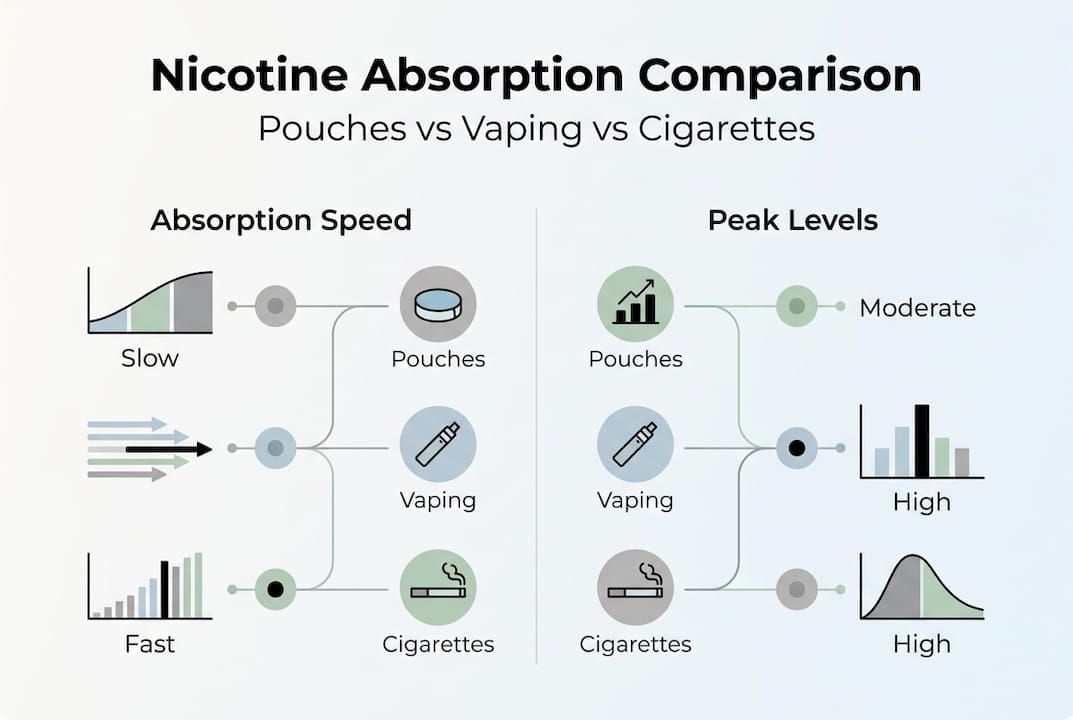
A scientific diagram illustrating the difference in nicotine absorption between a burning cigarette (showing nicotine loss due to combustion) and a vaping device (showing efficient vaporization and absorption).
When you are using devices of this scale, a single e-cigarette can contain the equivalent puff count of dozens of packets of traditional cigarettes, making them a far more cost-effective and convenient option for long-term smokers looking to make the switch.
The Bioavailability Factor: What the Numbers Don't Tell You
While comparing puff counts and milligram labels is a helpful starting point, it only tells half the story. The real magic—and the real complexity—lies in how your body actually processes what you inhale. This concept is known as bioavailability.
Bioavailability refers to the rate and extent to which a substance enters your systemic circulation to active sites in the body. When you light a traditional cigarette, you are inhaling combustion smoke. The harsh heat and chemical composition of tobacco smoke allow nicotine to be absorbed incredibly rapidly through the lungs, delivering a sharp, instantaneous spike to the brain.
E-cigarettes, on the other hand, do not burn tobacco. Instead, they gently heat an e-liquid to create an aerosol (often called vapour). Because vapour behaves differently in the respiratory tract compared to smoke, the absorption of nicotine can feel smoother and more gradual.
Because of this physical difference, even if a vape contains the exact same amount of raw nicotine as a cigarette on paper, your body may absorb it at a different rate. This biological puzzle is why many people find that vaping offers a more sustained, relaxing experience rather than the rapid "highs and lows" associated with traditional smoking.
Navigating the Australian Landscape: Laws and Your Journey
If you are living in Australia, it is important to understand how our local laws shape your transition. Unlike many other countries where vapes are sold on supermarket shelves alongside confectionery, Australia has established a unique, health-focused framework.
In Australia, all vapes—regardless of whether they contain nicotine or are completely nicotine-free—are regulated as therapeutic goods. Under the current laws, they are legally available only through pharmacies. This model was introduced to ensure that anyone using these devices can do so under the guidance of a healthcare professional, ensuring quality control and proper support for those looking to quit smoking.

An illustration comparing a single vape device with a pack of 20 cigarettes, potentially with question marks or balancing scales.
If you are looking to make the switch, the best first step is to have a chat with a trusted local general practitioner or pharmacist. They can help you navigate the transition, recommend appropriate strengths, and ensure you are accessing safe, regulated products through legitimate channels.
Finding Your Personal Rhythm
At the end of the day, trying to calculate whether one vape is exactly equal to 20 cigarettes is less important than listening to your own body. Vaping is a highly personal journey, and what works beautifully for one person might not suit another.
Rather than getting bogged down in rigid mathematical formulas, focus on how you feel. Are you feeling relaxed? Are your cravings satisfied? Is your daily routine feeling more comfortable and manageable?
By choosing reliable, well-designed devices and approaching your transition with mindfulness and the right professional support, you can find a rhythm that helps you leave traditional smoking behind for good—one peaceful morning at a time.


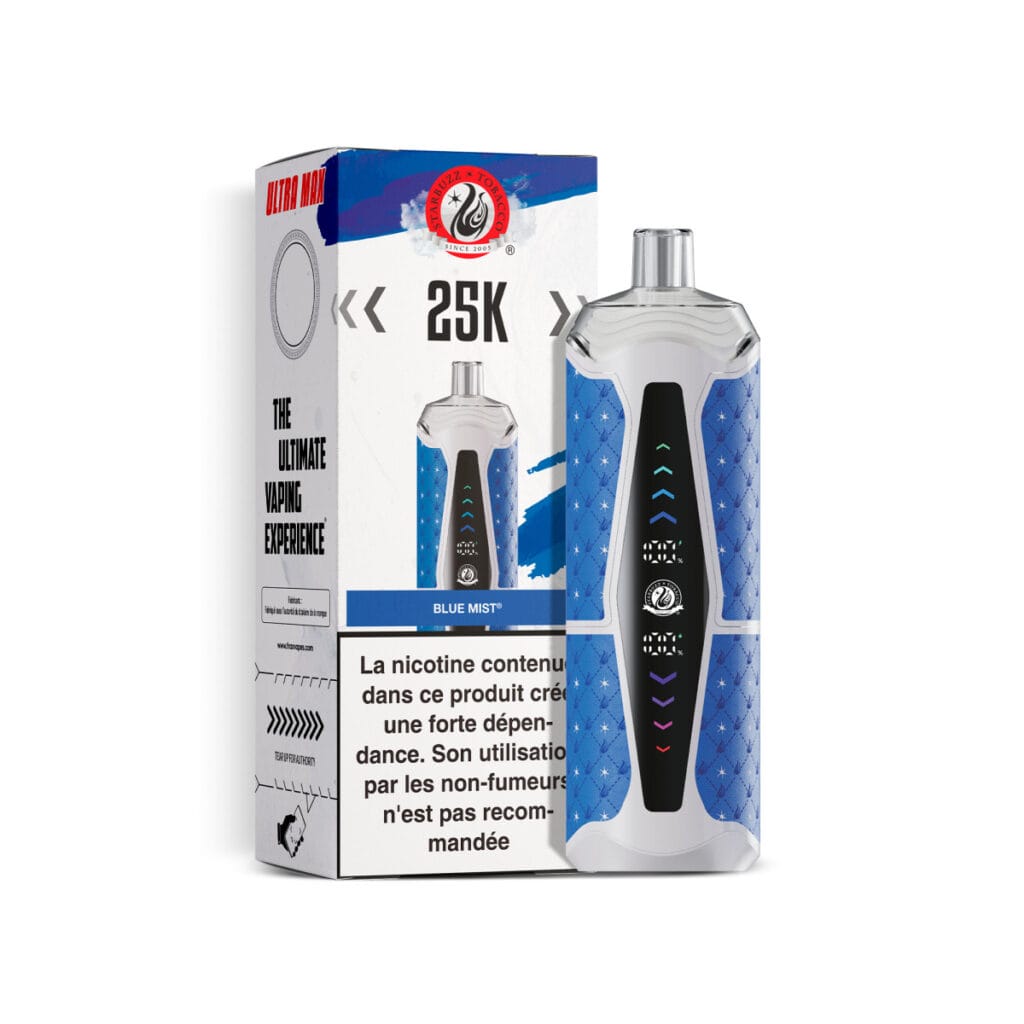
 UMIN SLICK PLUS 10000
 ALIBARBAR INGOT 9000
 IGET BAR PRO 10000
 IGET ONE 12000
 IGET BAR PLUS S3 10000
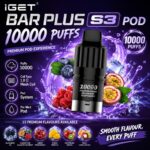 IGET BAR PLUS S3 POD 10000
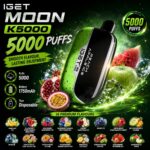 IGET MOON K5000
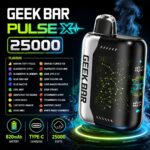 GEEK BAR PULSE X 25000