











Are iGet Vapes Safe? The Real Picture for Aussie Vapers
Discarded disposable vapes scattered on a beach, park, or roadside, symbolizing the environmental impact and pollution from electronic waste.
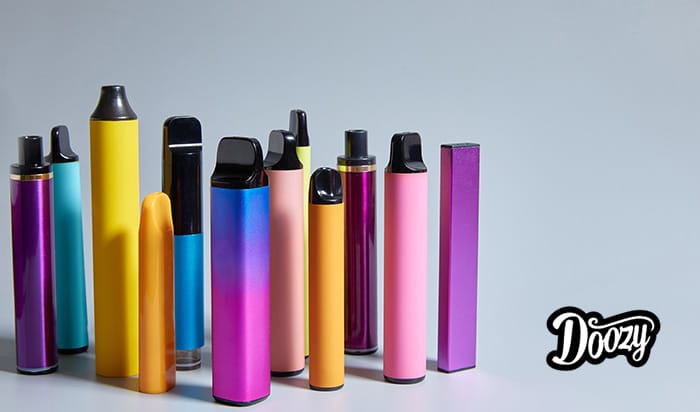
Picture a warm Friday afternoon in Melbourne, the sun setting over a rooftop bar, or a lazy Sunday barbecue by the beach in Brisbane. In these relaxed, social moments, it has become incredibly common to spot a flash of bright plastic and catch a sweet, fruity breeze. Disposable vapes, particularly those from the iGet range, have woven themselves into the fabric of casual Australian lifestyle culture. They are easy to use, require zero maintenance, and come in flavours that seem to make everyday moments just a little more vibrant.
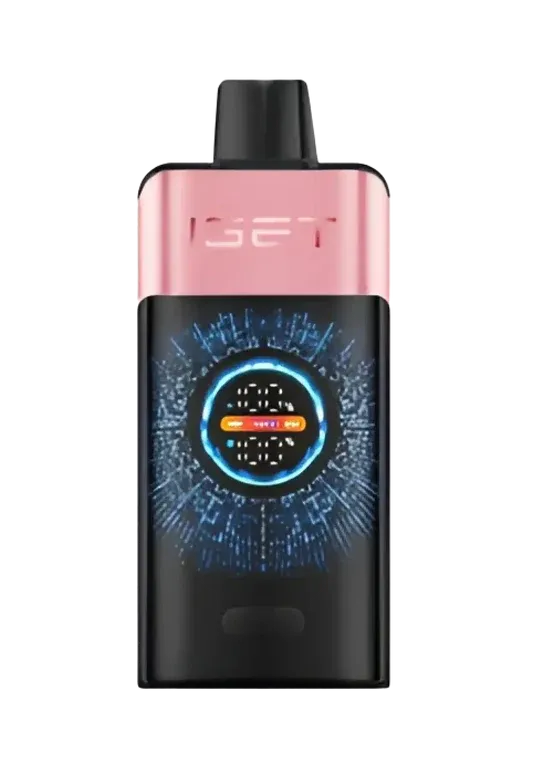
But as these little colourful devices have filled our pockets and handbags, they have also sparked a massive national conversation. With shifting local laws and a flood of conflicting stories on social media, many Aussie vapers are left asking a crucial question: are iGet vapes actually safe to use?
To find the truth, we need to look beyond the sleek packaging and examine what is really going on beneath the surface of Australia’s most popular disposable vape brand.
What is Inside an iGet Vape? Demystifying the Liquid
When you take a puff from an iGet vape, you are greeted with an instant burst of flavour and a smooth, cooling sensation. To understand the safety profile of these devices, we have to look at what makes up that vapour.
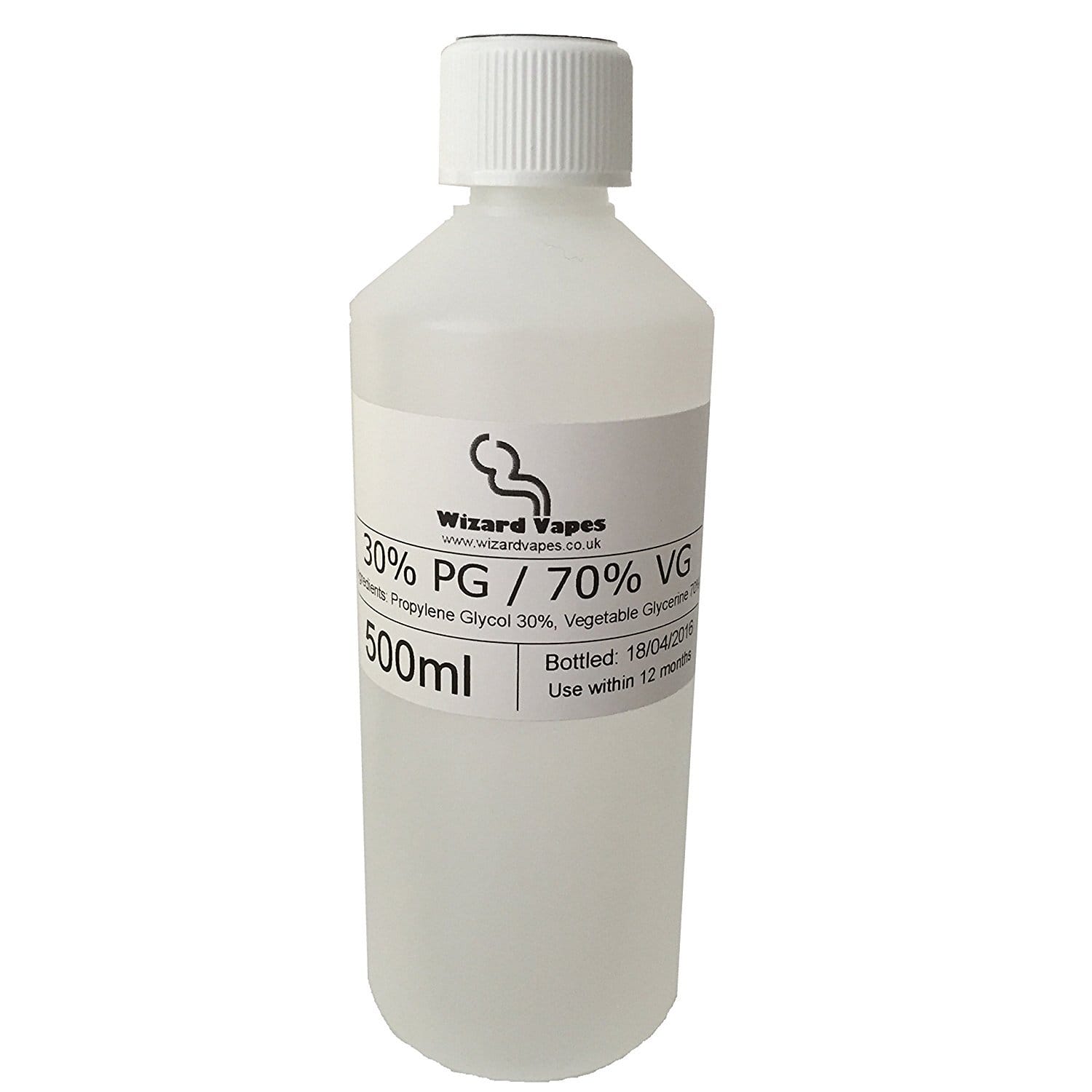
At the core of any e-liquid are two main carrier liquids:
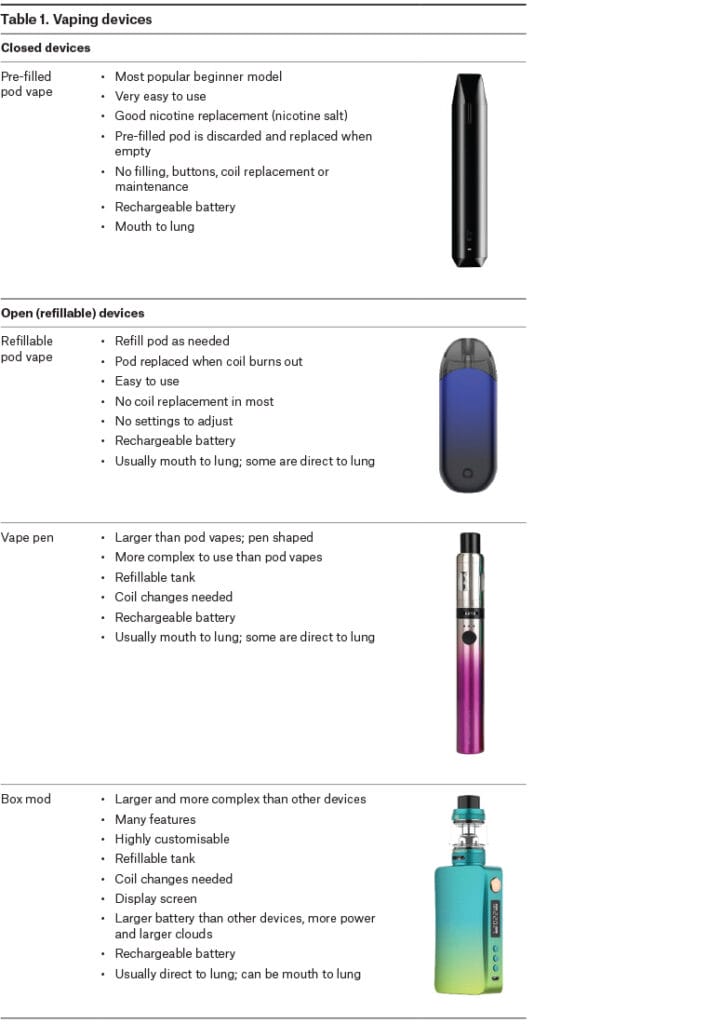
A transparent or cross-section view of a disposable vape showing the internal lithium-ion battery, along with other components like the coil and e-liquid reservoir.
- Propylene Glycol (PG): A thin liquid that carries the flavour beautifully and provides that familiar "throat hit" similar to traditional smoking.
- Vegetable Glycerin (VG): A thicker, sweeter liquid responsible for creating those dense, satisfying clouds of vapour.
Both PG and VG are widely used in everyday items, from food products to cosmetics, and are generally recognised as safe for ingestion. However, the catch is that inhaling these substances deep into the lungs over a long period is a very different biological process.
Beyond the base liquids, iGet vapes are famous for their intense, sweet profiles. These are created using food-grade flavouring chemicals and synthetic cooling agents that mimic the sensation of ice. While these ingredients make the experience incredibly pleasant, the lack of long-term clinical inhalation studies on these specific chemical combinations means we are still in a grey area. Without strict manufacturing oversight, the exact recipe inside each batch remains a closely guarded secret.
The Nicotine Landscape: Strong Hits and Silent Labelling
One of the biggest talking points surrounding iGet vapes in Australia is their nicotine content. If you have ever taken a puff of a friend's disposable and felt an immediate, intense head spin, you have experienced just how potent these devices can be.
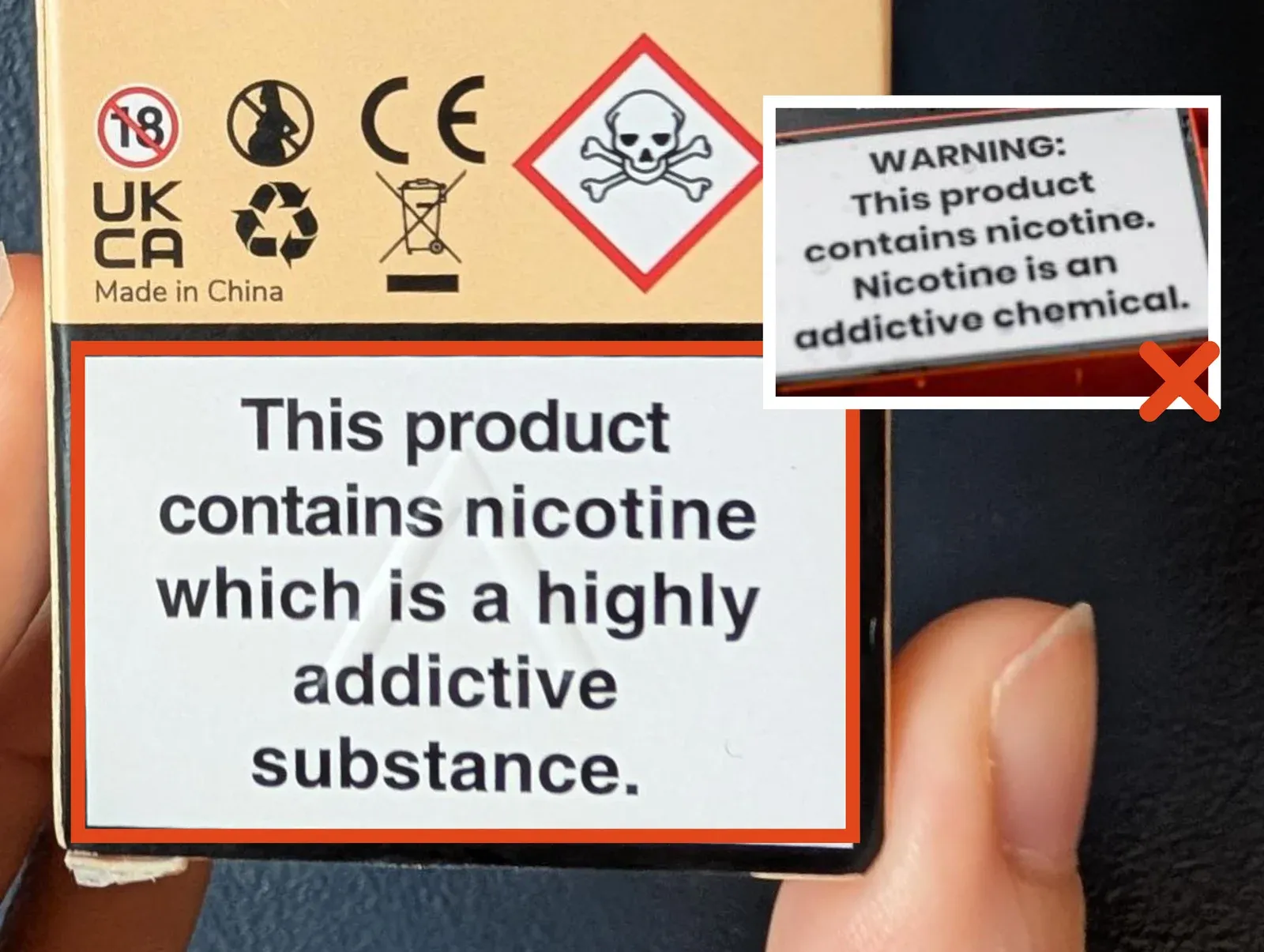
Most iGet devices sold through informal channels are loaded with high-strength nicotine salts. Nicotine salts are formulated to be absorbed rapidly by the body, delivering a smooth draw even at high concentrations. However, because these products bypass the traditional retail standards of Aussie supermarkets and licensed chemists, their packaging is often completely silent about what is inside.
An assortment of brightly colored iGet disposable vapes in a casual Australian setting, like a rooftop bar or beach.
This lack of clear labelling creates a few real challenges for casual users:
- Accidental High Intake: People who only vape occasionally can easily inhale far more nicotine than they realise, leading to mild nicotine poisoning symptoms like a racing heart, headaches, or sudden nausea.
- Rapid Tolerance: Because the nicotine hit is so smooth, it is easy to puff continuously throughout the day, quickly building up a high physical dependency without even noticing.
- Inconsistency: Without standardised production lines, one device might feel perfectly mild, while the next one from the same box delivers an incredibly harsh, overwhelming hit.
For those looking for a more controlled, predictable experience, exploring alternative devices with clear ingredient transparency is becoming a popular path. While searching for an iget one 12000 vapes australia alternative, safety and reliability are paramount. Exploring reliable alternatives like the Umin Slick Plus 10000 can offer a much more consistent, dependable draw.
Unregulated Markets and the Quality Control Dilemma
The safety of any consumer product relies heavily on how it is made, tested, and transported. This is where the story of iGet vapes in Australia becomes complicated.
Because federal regulations have heavily restricted the sale of disposable nicotine vapes, the vast majority of iGet vapes currently circulating in Australia exist within an unregulated parallel market. Experts estimate that between 90 and 100 million illicit vaping devices are brought into the country annually through various grey-market channels.
When a product is distributed outside of official, legal retail frameworks, quality control is often the first thing to go. This introduces several distinct risks for the everyday consumer:
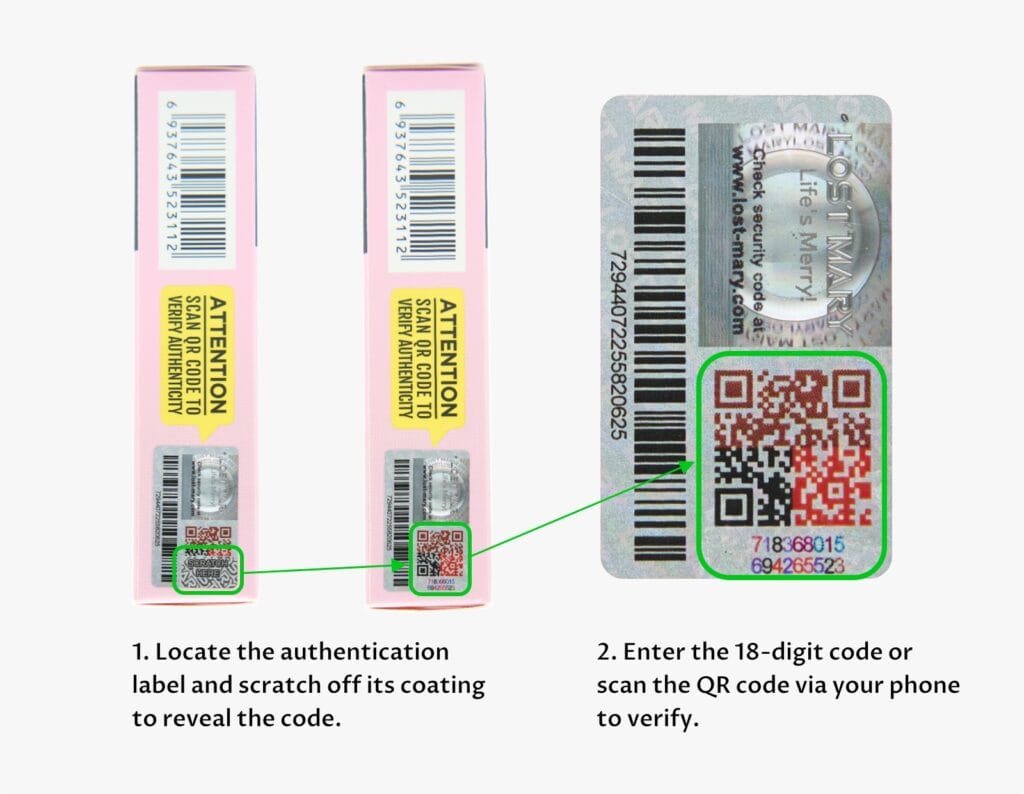
- Counterfeit Devices: The market is flooded with cheap, imitation iGet vapes that look almost identical to the authentic ones but are put together in unverified factories using substandard materials.
- Foreign Additives: While major public health warnings in Australia have highlighted cases of dangerous chemical contaminants in generic black-market e-liquids, the lack of third-party lab testing on illicit imports means users have to take the word of anonymous manufacturers.
- Hardware Failures: Many Aussie vapers have experienced "duds"—devices that leak sticky e-liquid onto their hands, taste burnt right out of the box, or have batteries that die after only a few dozen puffs.

A disposable vape device with a magnifying glass highlighting an unlabelled or ambiguously labelled section for nicotine content, emphasizing its high strength.
To help put the differences between these unregulated imports and standard consumer expectations into perspective, consider this quick comparison:
| Feature | Unregulated Disposables (e.g., Street-Sourced iGet) | Regulated/Standardised Vape Products |
|---|---|---|
| Ingredient Labelling | Often missing, vague, or inaccurate | Full ingredient list with precise nicotine strengths |
| Manufacturing Standards | Unverified factories; no third-party auditing | Strict batch testing and certified clean-room production |
| Battery Safety | Cheap, unshielded lithium-ion cells | Quality-tested batteries with overcharge protection |
| Authenticity | High risk of buying cheap counterfeit lookalikes | Sourced from verified supply chains with batch tracking |
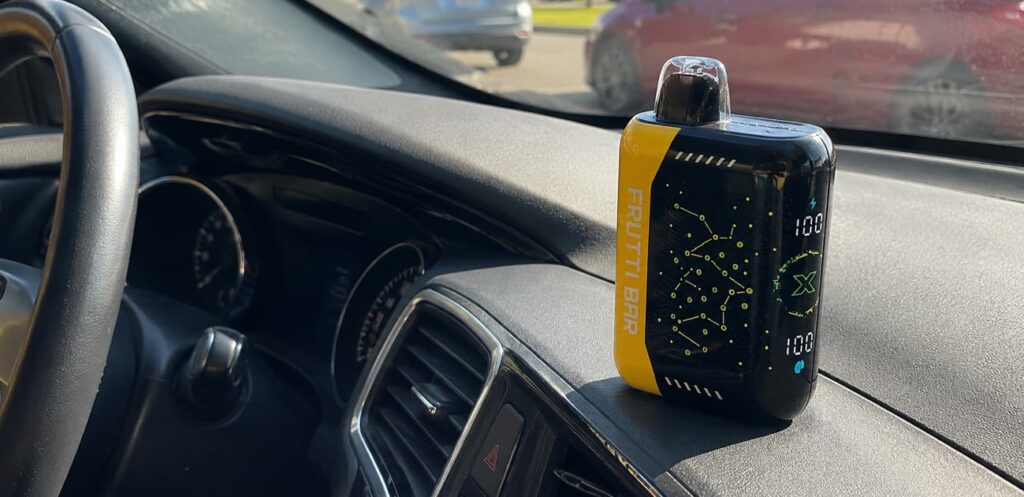
If you are looking for a device that offers modern hardware safety features, checking out options like the Geek Bar Pulse X 25000 can be a refreshing change, showing how far display technology and battery management have come.
Battery Hazards and Practical Aussie Recycling
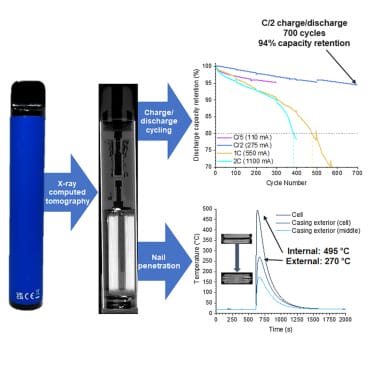
It is easy to forget that beneath the brightly coloured plastic shell of an iGet vape sits a fully functioning, miniature lithium-ion battery. These batteries are designed to deliver quick bursts of power to heat up the internal coil.
Chemical structures or laboratory glassware representing Propylene Glycol (PG) and Vegetable Glycerin (VG) as e-liquid base components.
However, because disposable vapes are meant to be cheap and single-use, the batteries inside are often minimally protected. If a disposable vape is dropped on hard concrete, left in a hot car glovebox on a scorching 40-degree Australian summer day, or exposed to water, the battery can degrade. In worst-case scenarios, damaged lithium-ion batteries can short-circuit, leading to overheating, off-gassing, or even catching fire.
Beyond the personal safety risk, there is a massive environmental concern. Millions of disposable vapes end up in ordinary household rubbish bins or, worse, littered along our beautiful beaches and parklands. When run over by garbage trucks or exposed to landfill conditions, these batteries can spark, causing dangerous fires at local waste facilities.
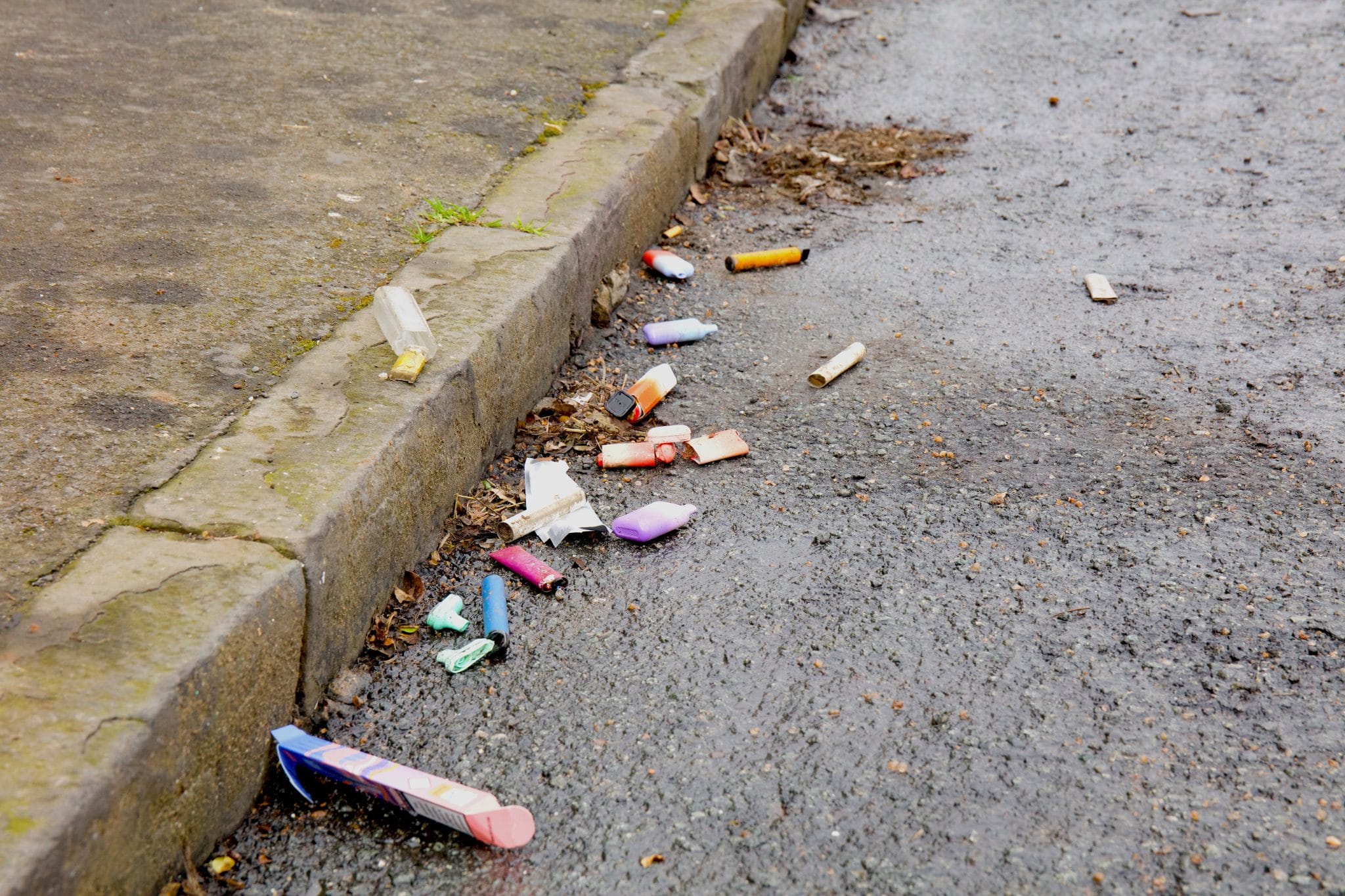
Discarded disposable vapes scattered on a beach, park, or roadside, symbolizing the environmental impact and pollution from electronic waste.
How to Recycle Your Vapes Safely in Australia
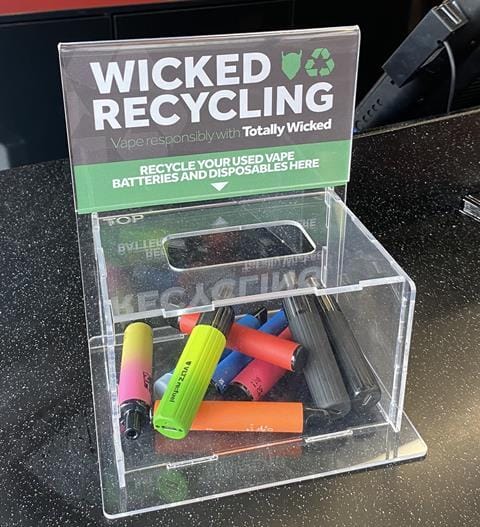
If you use disposable vapes, please do not toss them in your regular red-lid wheelie bin. Here is how you can dispose of them responsibly:
- Do Not Dismantle Them: Trying to crack open a plastic disposable to remove the battery yourself is highly risky and can cause a short-circuit. Keep the unit intact.
- Use Battery Recycling Bins: Drop-off points are readily available across Australia. Many major supermarket chains like Aldi, as well as local Bunnings stores and officeworks, have dedicated battery recycling tubes near their entrances.
- Visit Your Local Council Depot: Most local councils host regular "chemical clean-out" days or have dedicated community recycling centres (CRCs) that accept e-waste and old e-cigarettes free of charge.
Navigating Australia’s Changing Vape Laws
The legal landscape surrounding vaping in Australia has undergone some of the most dramatic shifts in the world. For a long time, buying a vape was as simple as walking into a local corner store or tobacconist. Today, the Australian Government has implemented strict import bans and domestic sales restrictions to curb the rise of unregulated single-use devices.
Under the current legal framework, the sale of all non-therapeutic vapes is prohibited. To obtain a vape legally, Aussies are required to go through a healthcare practitioner to get a prescription, which can then be filled at a registered pharmacy. These pharmacy-allocated products must adhere to strict therapeutic standards, ensuring clear ingredient lists, lower nicotine limits, and child-resistant packaging.
Despite these laws, the convenience of disposables means many still seek out familiar designs. For those looking for robust build quality and a dependable feel, exploring choices like the Alibarbar Ingot 9000 can help vapers understand the evolving variety of options available internationally.
Finding a Balanced, Mindful Path
At the end of the day, deciding to use an iGet vape comes down to a personal balance of convenience, experience, and risk awareness.
While they offer an undeniably easy, flavourful, and accessible way to unwind, the reality of the current Australian market means that these street-sourced disposable devices carry inherent uncertainties. From unlabelled nicotine concentrations and lack of ingredient testing to the environmental toll of single-use plastics, the lifestyle appeal of the disposable vape comes with hidden costs.
If you choose to vape, the safest approach is to stay informed, listen to your body, and opt for devices that offer the highest degree of transparency and build quality possible. Keep an eye on how your lungs feel, recycle your used devices responsibly, and make mindful choices that keep your lifestyle both enjoyable and safe.



 UMIN SLICK PLUS 10000
 ALIBARBAR INGOT 9000
 IGET BAR PRO 10000
 IGET ONE 12000
 IGET BAR PLUS S3 10000
 IGET BAR PLUS S3 POD 10000
 IGET MOON K5000
 GEEK BAR PULSE X 25000