











Why Are IGET Vapes Illegal in Australia? A Guide to the Laws and Better Choices
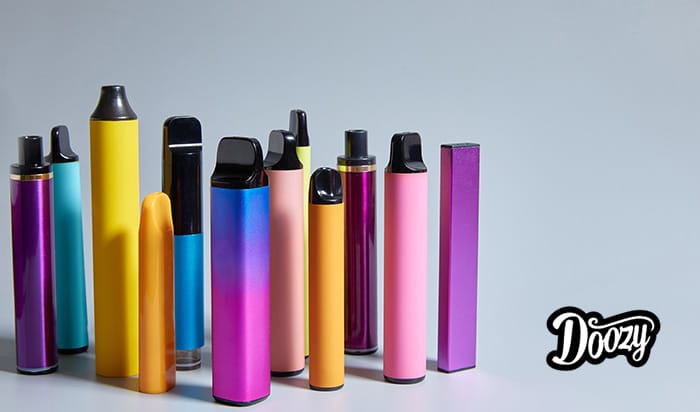
Picture a relaxed Saturday afternoon in Melbourne, with the autumn sun filtering through the lane-way trees, a perfectly brewed flat white in hand, and the gentle hum of conversation floating around you. For many, finding those quiet moments to unwind is an essential part of the weekly routine. In recent years, that ritual of relaxation has often included the use of sleek, colourful vaporisers.

Close-up of a disposable vape package with a blank or unreadable ingredient list, indicating a lack of transparency about its chemical contents.
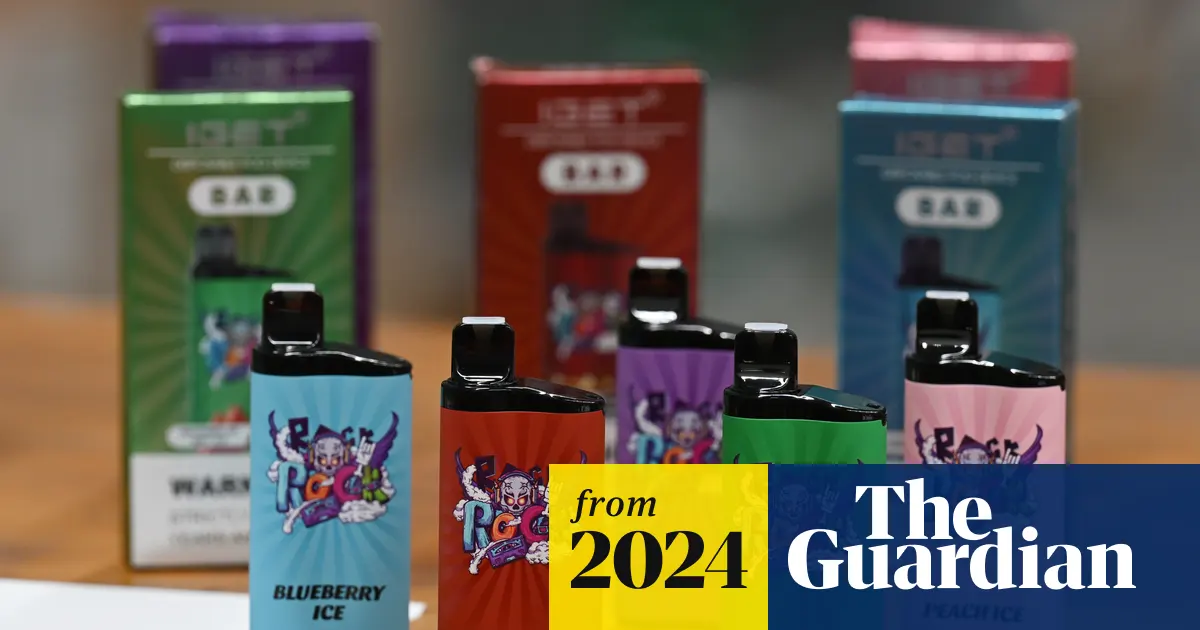
However, if you have spent any time in Australia’s urban hubs or beachside suburbs lately, you have likely noticed a major shift in the air. The highly visible, pastel-hued disposable devices—most notably from the brand IGET—that once lined the counters of local corner stores have seemingly vanished overnight. Or, more accurately, they have been pushed deep under the counter.
With sweeping changes to national legislation, IGET vapes and similar single-use disposables have been declared entirely illegal to import, market, or sell through standard retail channels in Australia. But why did these incredibly popular devices find themselves on the wrong side of the law?
Australian Border Force officers inspecting shipping containers or packages, uncovering large quantities of smuggled disposable vapes, illustrating efforts against the black market.
Let’s unpack the real reasons behind the ban, from safety concerns to environmental impacts, and explore how the modern lifestyle is shifting towards more mindful, high-quality choices.
The Changing Landscape of Australian Vaping Laws
Australia has carved out a unique and exceptionally strict path when it comes to regulating vaping products. Unlike many overseas markets where disposables are sold alongside chocolate bars and newspapers, the Australian Government has transitioned to a highly controlled, therapeutic-only framework.
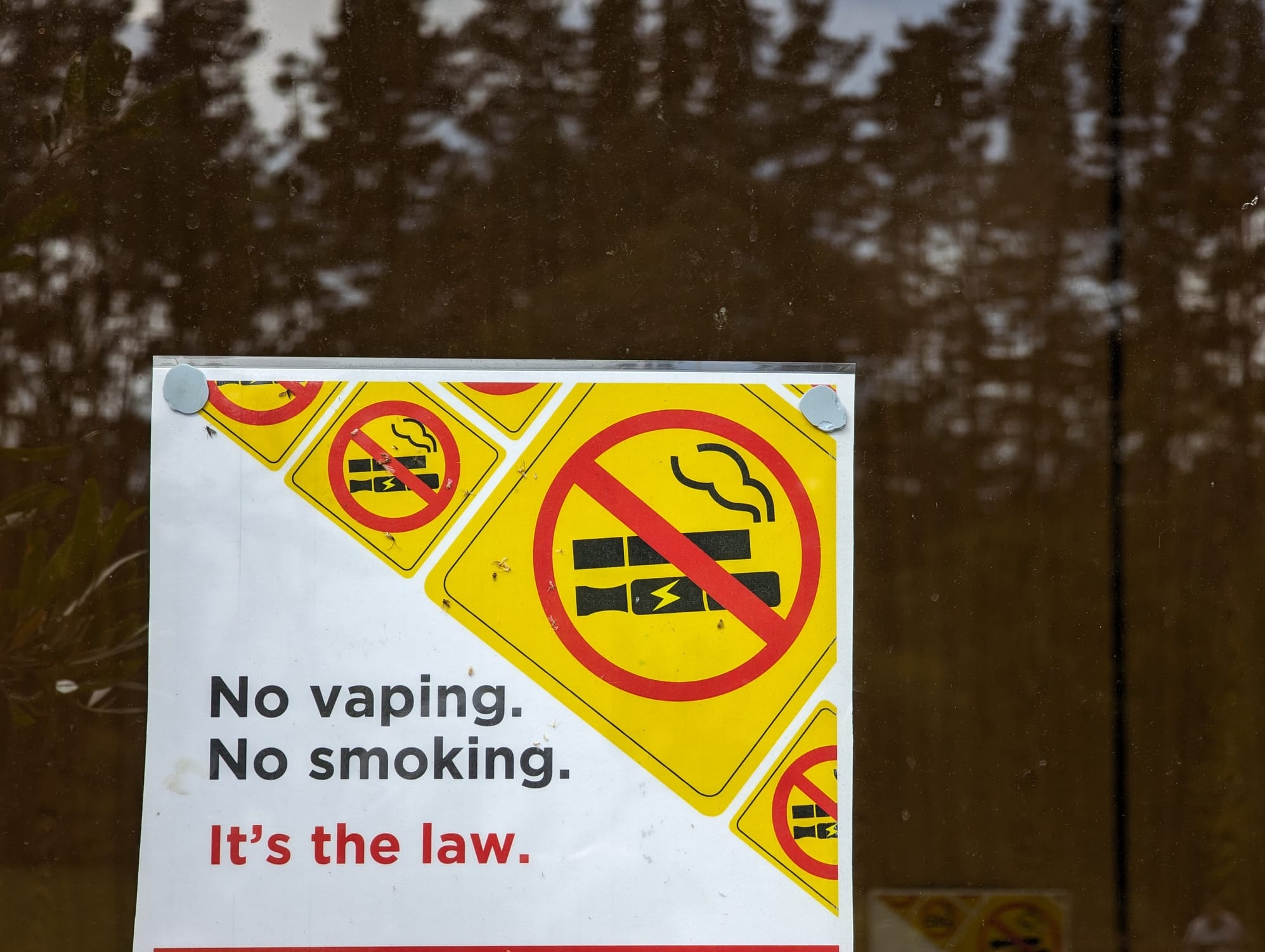
Under the current national laws, all vaping products—regardless of whether they contain nicotine or are completely nicotine-free—are banned from general commercial retail. This means it is a serious offence for standard tobacconists, convenience stores, petrol stations, or online retailers to stock, display, or sell any vaping devices.
Instead, the government has redirected the entire legal supply chain through registered pharmacies and chemists. The goal of this reform is to eliminate the casual, recreational sale of brightly packaged vapes and restrict their use strictly to smoking cessation and nicotine dependence management.
An image of a rubbish truck or a recycling depot engulfed in flames, caused by an ignited lithium-ion battery from a disposable vape, showing environmental and safety hazards.
Because IGET vapes are fundamentally designed as single-use, recreational lifestyle products rather than regulated therapeutic tools, they cannot be legally sold anywhere in the country. They do not fit into this new pharmacy-centric model, making any commercial transaction involving them completely unlawful.
Bypassing the Rules: Why IGET Vapes Fail Safety Standards
When you choose a premium lifestyle product, whether it is a single-origin coffee blend, a craft gin, or a skincare serum, you expect transparency. You want to know exactly what you are putting into your body, where it was made, and what quality standards it meets.
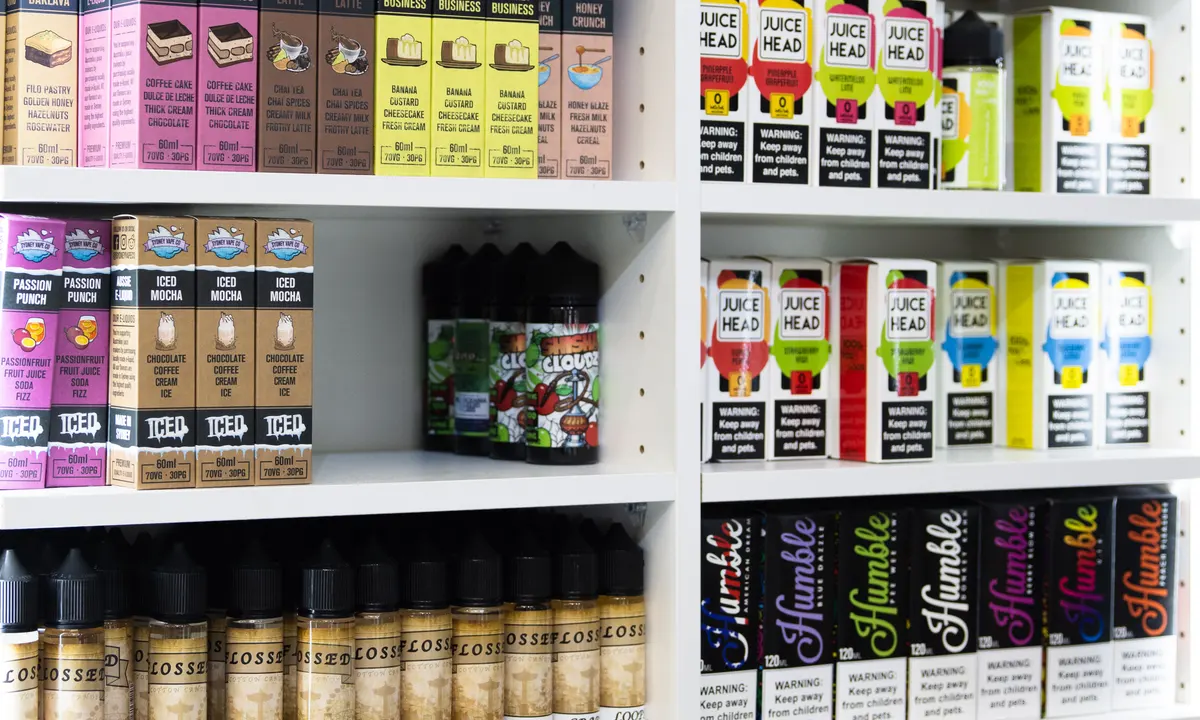
This is where illegal disposable vapes like the IGET range fall short. Because they are manufactured overseas and smuggled into Australia outside of official legal channels, they completely bypass the strict quality and safety guidelines set by Australian authorities.
These unregulated devices often suffer from several critical issues:
- Zero Ingredient Transparency: There are no standardised ingredient lists on the packaging, leaving consumers entirely in the dark about what chemicals are being heated and inhaled.
- Lack of Child-Resistant Packaging: Unlike regulated consumer goods, these devices lack basic safety mechanisms to prevent accidental use by children.
- Manufacturing Inconsistencies: Because these factories operate outside the purview of Australian inspectors, there is no guarantee of sterile conditions or consistent electrical engineering.
A graphic image showing an IGET vape with a banned stamp, superimposed over a map of Australia and legal documents, symbolizing the national legislation making disposable vapes illegal.
For those who appreciate a sleek design and reliable performance, exploring a well-crafted device like the Umin Slick Plus 10000 highlights just how much the global industry has evolved beyond basic, questionably manufactured corner-store plastics.
Understanding the Difference: Regulated Quality vs. Unlicensed Disposables
To understand why the Australian government took such a hard line against disposable brands, it helps to look at how these products compare to high-quality, regulated alternatives on key lifestyle and safety metrics.
| Feature | Unregulated Disposables (e.g., Black-Market IGET) | Premium/Regulated Devices |
|---|---|---|
| Quality Control | None; frequently mislabelled ingredients and unknown manufacturing origins | Rigorous manufacturing standards with transparent component sourcing |
| Environmental Footprint | High; single-use plastics and batteries tossed directly into landfill | Lower; rechargeable systems designed for extended lifecycle and better durability |
| Aesthetic & Feel | Often cheap plastic; prone to leaking and sudden battery failure | Ergonomic designs, premium finishes, and reliable smart displays |
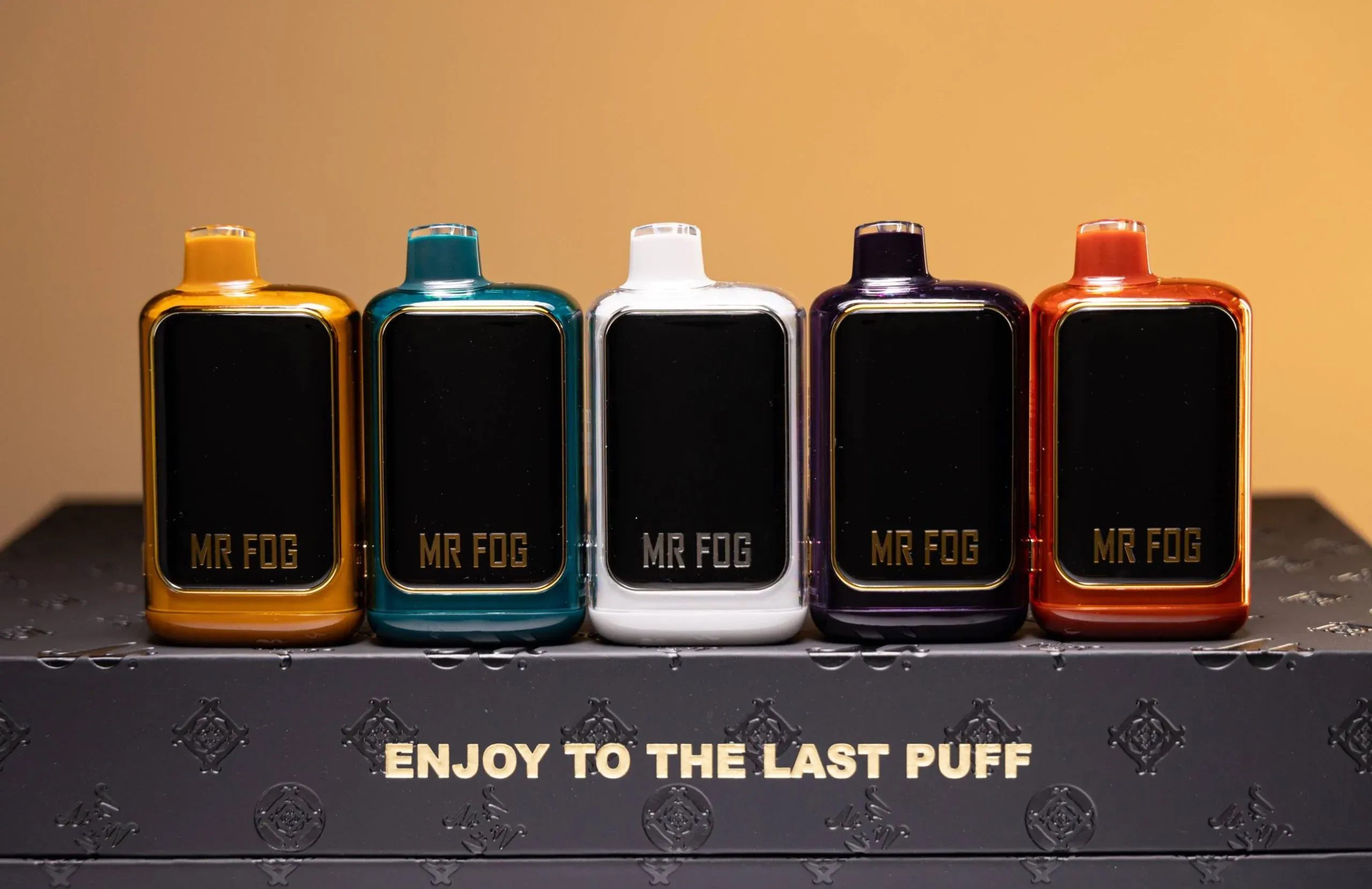
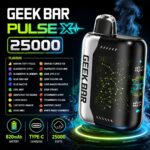
Even as older models like the original vapes iget one fade from the legal spotlight, the global market continues to push boundaries with sophisticated options. Devices like the Geek Bar Pulse X 25000 showcase the sheer innovation and build quality available in international markets where safety parameters are clearly defined and respected.
Extreme Nicotine and Toxic Chemicals
One of the primary drivers behind the ban on IGET vapes is the high concentration of unregulated chemicals and nicotine hidden within their colourful shells.
Many black-market disposables contain incredibly high concentrations of nicotine salts. Because these liquids are designed to be smooth and easy to inhale, users often do not realise how much nicotine they are consuming until they experience symptoms like sudden nausea, dizziness, or rapid dependency. To make matters worse, many of these illicit devices are falsely labelled as "nicotine-free" to slip past customs officials, misleading consumers who are actively trying to avoid the chemical.
Beyond nicotine, the e-liquids in these devices are formulated using untested flavourings and carrier liquids. When heated by cheap, unregulated internal coils, these mixtures can produce aerosolised compounds that cause immediate respiratory irritation, persistent coughing, and long-term strain on delicate lung tissue. Without official lab testing and certified manufacturing standards, inhaling these vapours is a gamble that many modern, health-conscious consumers are simply no longer willing to take.
Fire and Pollution: The Severe Environmental Impact
In an era where we are increasingly mindful of our ecological footprint—carrying reusable shopping bags, opting for keep-cups, and minding our recycling—disposable vapes represent a massive step backwards.
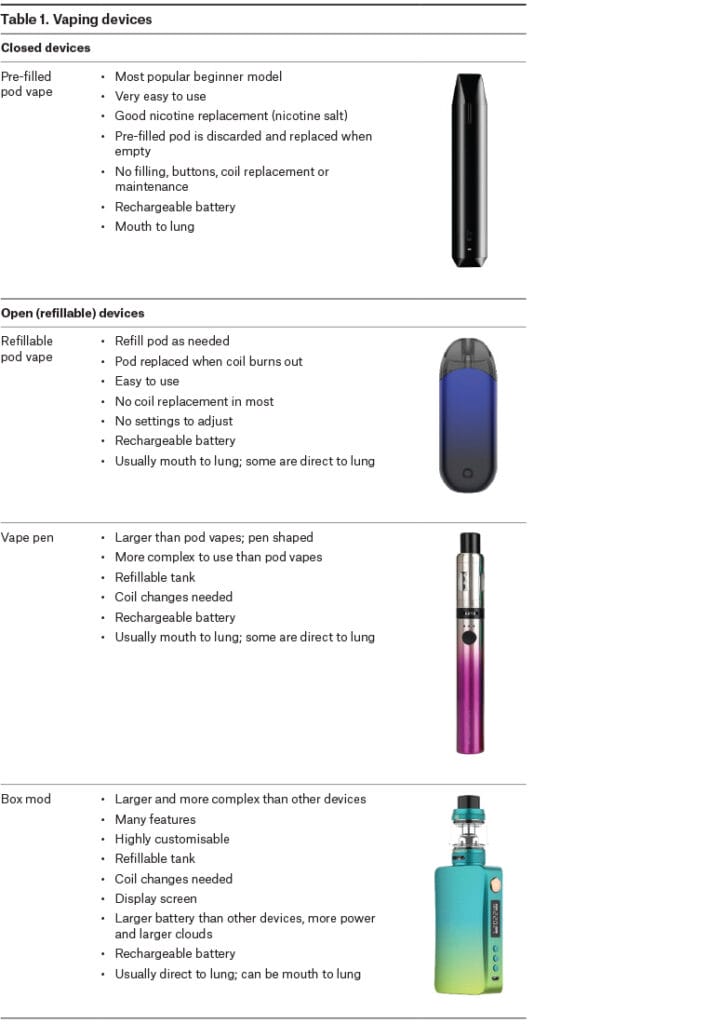
At their core, devices like IGET vapes are a combination of low-grade lithium-ion batteries, copper wiring, absorbent polyester wadding, and heavy plastic casings. They are engineered to be used for a few days or weeks and then simply thrown away.
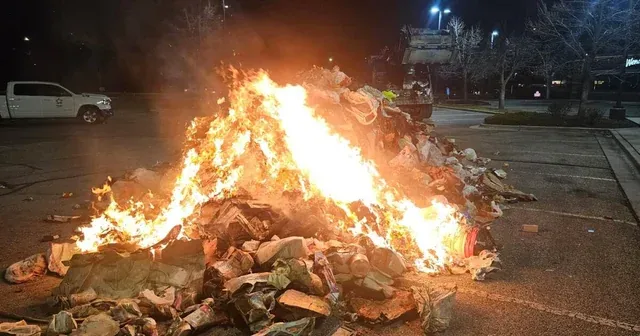
[Disposable Vape Use] │ ▼ [Thrown in General Rubbish] │ ├─► [Household/Truck Fires] --> Ignited by crushed lithium-ion batteries │ └─► [Landfill & Waterways] --> Toxic chemicals and heavy metals leak into soil When these devices are tossed into standard household rubbish or recycling bins, they pose a serious threat. The fragile lithium-ion batteries inside can easily be crushed or punctured by waste management machinery, sparking dangerous chemical fires in rubbish trucks and recycling depots across the country.
A pharmacist handing over a regulated vaping product to a patient in an Australian pharmacy, emphasizing the new legal supply chain for therapeutic use.
Furthermore, when left to sit in landfills, these plastics do not break down. Instead, they slowly degrade into microplastics, while the remaining e-liquid and heavy metals—such as lithium, cobalt, and copper—seep into the surrounding soil and find their way into local waterways and storm drains.
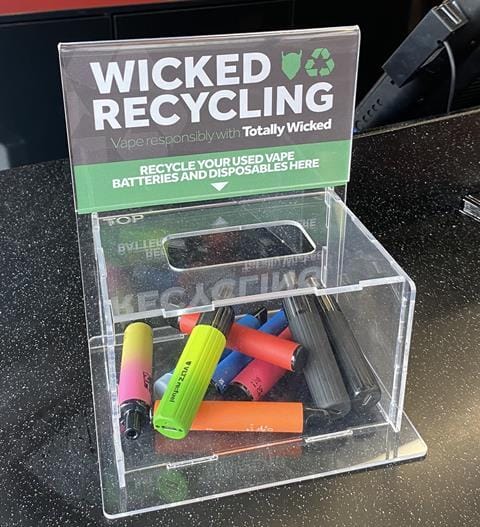
For those who do have old devices to clear out, it is crucial to avoid the rubbish bin entirely. Instead, they should be taken to specialised battery recycling collection points, which can be found at select retail outlets like Aldi, local waste management facilities, or designated community recycling hubs.
The Black Market Pipeline and Border Controls
If IGET vapes are so strictly outlawed, why do they still seem to pop up in the hands of everyday Australians? The answer lies in a highly lucrative, illicit black market.
Because these single-use devices are incredibly cheap to manufacture overseas, organised crime syndicates smuggle millions of them into Australia every year, primarily sourced from factories in China. To get them past the watchful eyes of the Australian Border Force, importers use sophisticated mislabelling tricks, declaring the cargo as toys, electronics, or household goods.
Australian Border Force officers inspecting shipping containers or packages, uncovering large quantities of smuggled disposable vapes, illustrating efforts against the black market.
Once inside the country, these illicit goods are distributed to a network of cooperative tobacconists, convenience stores, and under-the-counter dealers. Because of the high profit margins and the addictive nature of the products, these dodgy retailers are often willing to risk heavy fines to continue selling them to unsuspecting customers looking for a quick fix.
However, enforcement agencies are stepping up their efforts, conducting frequent raids on unlicensed shops and shutting down illegal online operations to protect the public from unregulated imports.
Choosing a More Mindful Path
As the era of the cheap, corner-store disposable vape draws to a close in Australia, many are taking the opportunity to re-evaluate their habits. Moving away from unregulated, environmentally damaging products is not just about staying on the right side of the law—it is about choosing a cleaner, more sophisticated, and self-aware lifestyle.
For those navigating this transition, the path forward is all about quality over convenience. If you are using vaping as a tool to transition away from traditional smoking, consulting a healthcare professional or a registered pharmacist is the safest, most reliable way to access regulated, therapeutic products designed with your well-being in mind.
By saying goodbye to the dodgy, under-the-counter disposable culture, we can make choices that are better for our bodies, gentler on our beautiful Australian environment, and much more aligned with a conscious way of living.
Frequently Asked Questions
Are IGET vapes completely illegal to buy in Australia?
Yes. It is entirely illegal for any standard retail business—such as a tobacconist, corner store, or petrol station—to sell IGET vapes or any other disposable vaping products. Under national laws, the only legal way to purchase vaping devices is through a registered pharmacy.
Why do some local shops still have IGET vapes under the counter?
Because disposable vapes are cheap to make and highly addictive, they offer massive profit margins for unscrupulous retailers. Dodgy shop owners buy smuggled, mislabelled stock from the black market and sell them illegally under the counter, risking severe fines to make a quick profit.
What should I do with my old disposable vapes?
Because they contain sensitive lithium-ion batteries, you should never throw disposable vapes into your household wheelie bins or standard recycling. Instead, take them to a designated battery recycling point, which can be found at select supermarkets like Aldi, local chemists, or your municipal recycling depot.



 UMIN SLICK PLUS 10000
 ALIBARBAR INGOT 9000
 IGET BAR PRO 10000
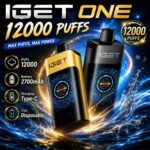 IGET ONE 12000
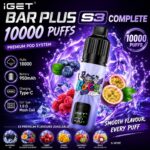 IGET BAR PLUS S3 10000
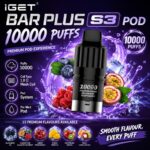 IGET BAR PLUS S3 POD 10000
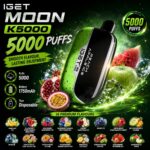 IGET MOON K5000
 GEEK BAR PULSE X 25000